
In the automotive industry, the term "glow-up" carries profound weight. It describes a brand’s dramatic transformation—whether through cutting-edge design, sweeping mechanical overhauls, major shifts in reliability, or complete structural reinventions. Earlier this week, automotive enthusiasts and everyday drivers alike weighed in on a compelling question: Which automaker has experienced the most remarkable glow-up throughout history or in recent memory?
The conversation spanned decades, encompassing everything from budget-friendly European commuters to defunct American luxury legends. While some experts lean toward brands like Lincoln—which has quietly elevated its interior styling and market presence in recent years—or BMW, whose history features polarizing periods like the Bangle era alongside its upcoming Neue Klasse electric vehicles, the ultimate verdict belongs to the motoring community. Readers submitted a diverse, fascinating array of automotive transformations, proving that a brand’s fortunes can shift dramatically with the right leadership, design philosophy, or engineering breakthrough.
Dacia and Renault: From Forgettable to the Electric Age
Among the most discussed European transformations are those within the Renault Group, specifically focusing on budget brand Dacia and its French parent company, Renault.
Dacia’s evolution is nothing short of extraordinary. Commentators noted that the brand transitioned from producing what many described as "communist garbage" into a legitimate contender for the ultimate modern people’s car. Today, Dacia offers affordable, highly reliable vehicles characterized by genuinely appealing modern designs.
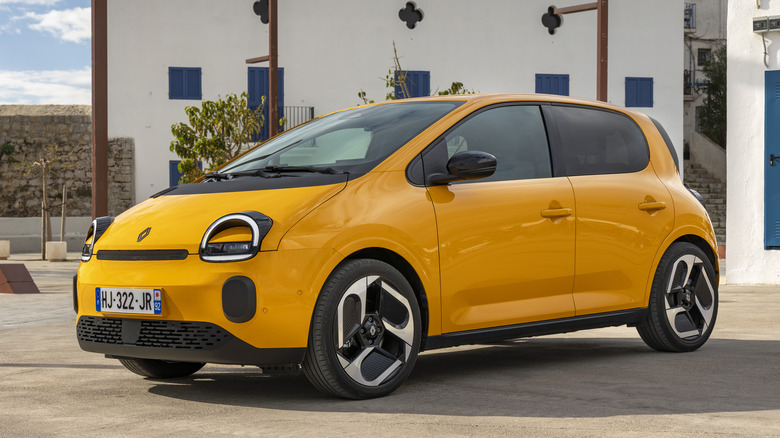
Meanwhile, Renault has taken a vastly different path within the same corporate family. While enthusiasts fondly remember Renault for producing some of the greatest hot hatches of the 1990s and 2000s, its mainstream lineup during that period and into the mid-2010s often fell into the realm of the forgettable. Today, however, the French manufacturer is enjoying an absolute renaissance. Propelled by the electric vehicle revolution and retro-futuristic styling, Renault has introduced standout models like the new R5, the new Twingo, and halo concepts like the R5 Turbo 3E, capturing the imagination of a new generation of car buyers.
Cadillac: Reclaiming American Luxury on Its Own Terms
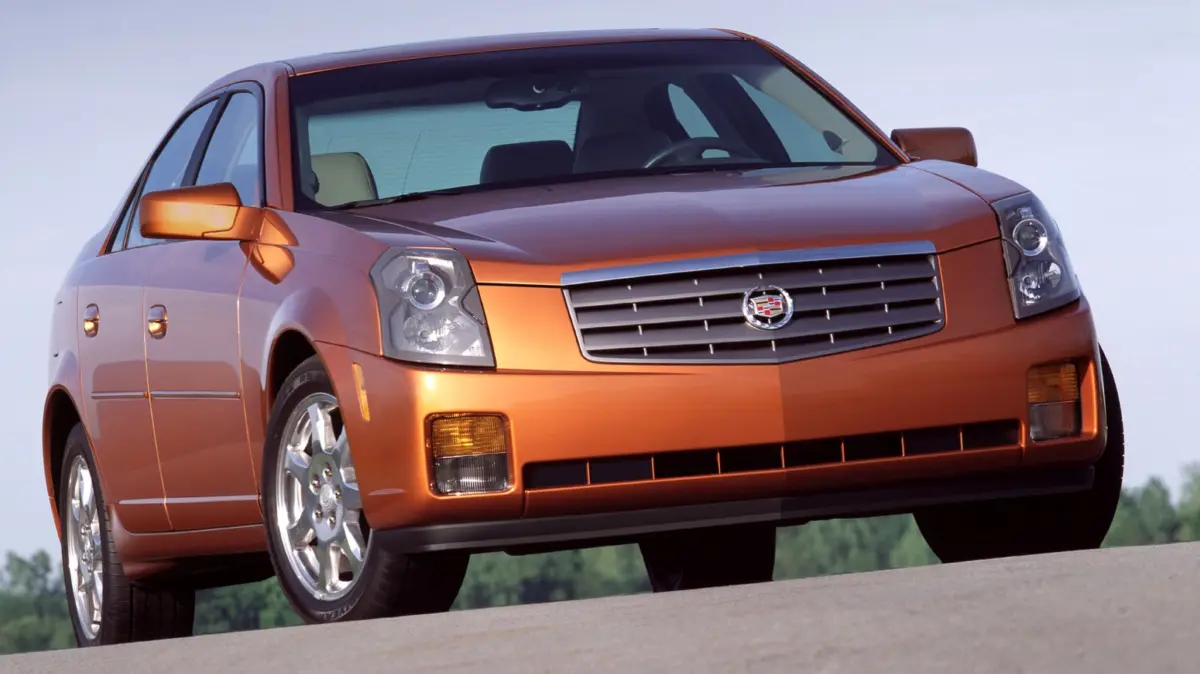
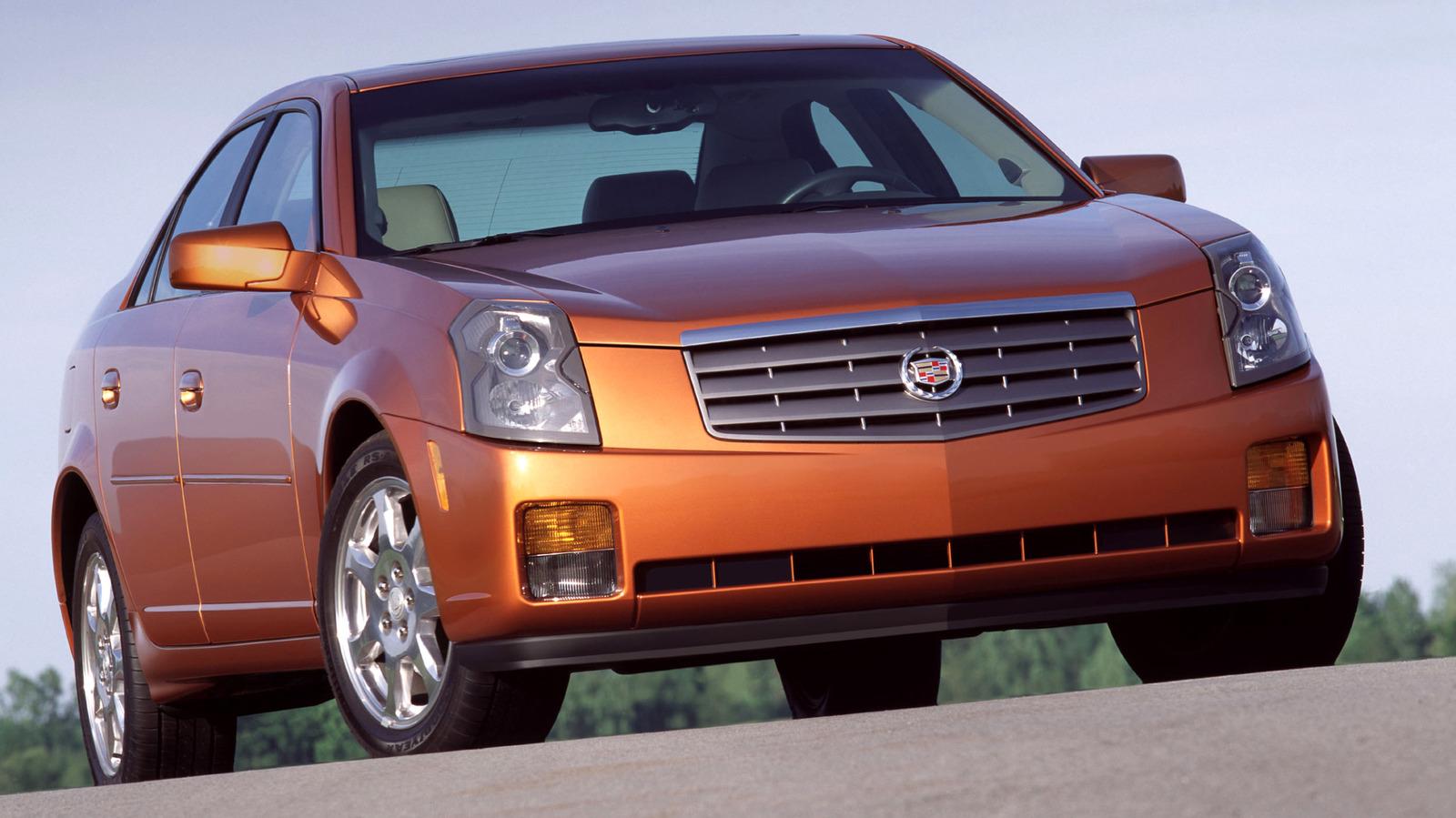
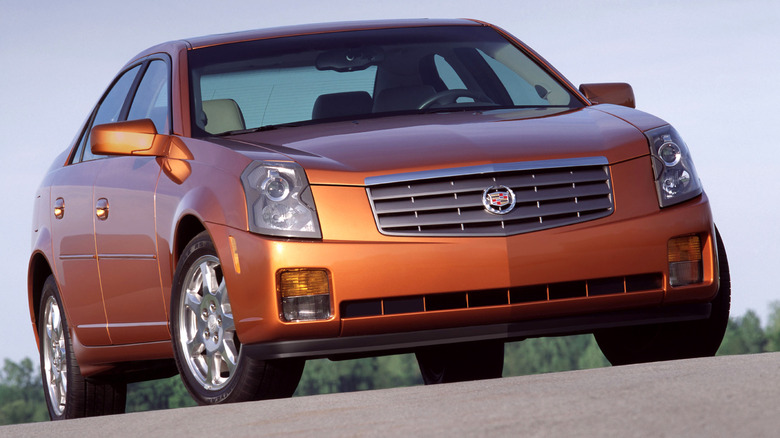
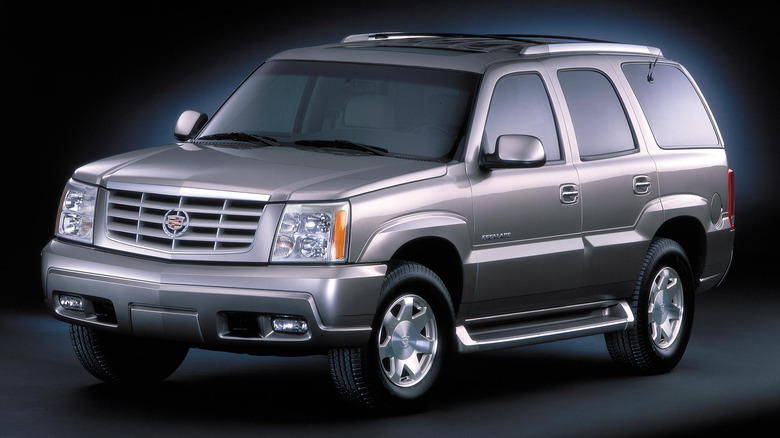
No discussion of automotive glow-ups would be complete without examining Cadillac. For decades near the end of the 20th century, the storied American luxury brand risked becoming synonymous with "grandparent cars"—over-soft, front-wheel-drive cruisers built primarily for suburban comfort rather than dynamic driving engagement.
The turning point arrived when Cadillac introduced the Escalade, a vehicle that redefined full-size luxury and gave the brand the financial footing and confidence to completely rethink its sedan lineup. The introduction of the Art & Science design language brought sharp, angular styling that stood out globally. This paved the way for the high-performance V-series models, including the CTS-V, ATS-V, and the ultra-potent modern CT4-V and CT5-V Blackwing sedans.
This transformation remains a point of spirited debate among enthusiasts. Critics argue that Cadillac abandoned its historical identity as a purveyor of pure American opulence to chase European sports sedans like BMW. Proponents, however, contend that Cadillac brilliantly captured the desires of modern luxury buyers, dominating the full-size SUV segment with the Escalade in a way that European rivals struggle to match until reaching ultra-luxury territory like the Lamborghini Urus.
Oldsmobile: A Sharp Farewell Before the Curtain Fell
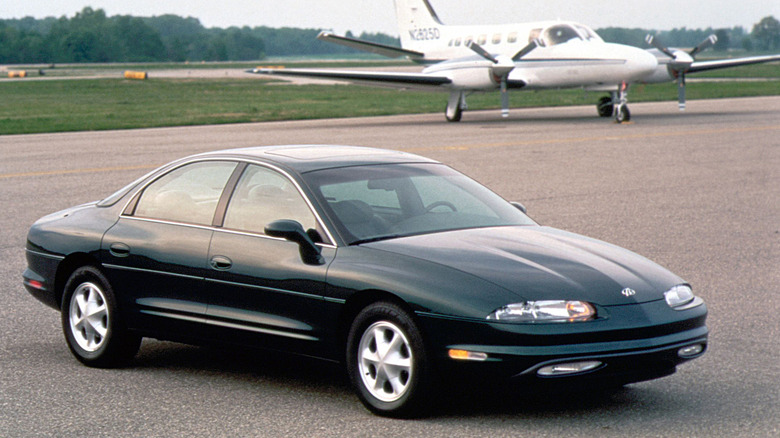
Some of the most poignant glow-ups belong to brands that did not survive to see the modern era. Oldsmobile, a foundational pillar of General Motors, spent much of its later decades struggling with uninspired badge engineering and aging demographics.
However, in the final years before General Motors shuttered the division, Oldsmobile executed a brilliant design and engineering rally. Vehicles like the Intrigue and the Aurora showcased genuinely sharp aesthetics, refined driving dynamics, and forward-thinking styling that proved the division still had plenty of life left in it before the axe fell in 2004.
Corvette: America’s Sports Car Evolves Into a World-Beater
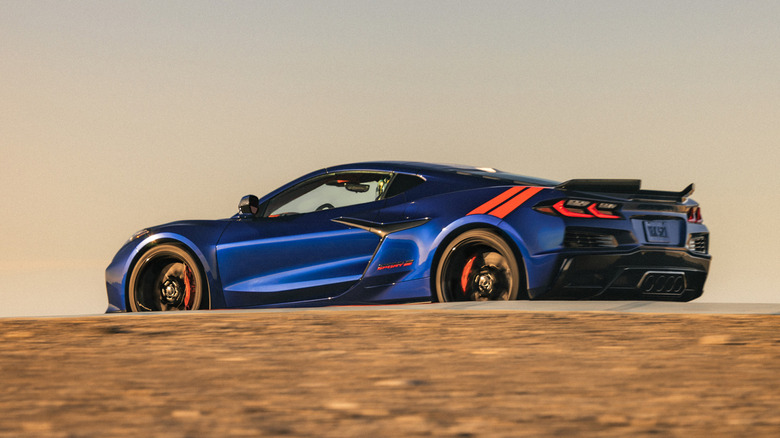
While technically a nameplate under Chevrolet rather than an independent automaker, the Chevrolet Corvette functions as a distinct sub-brand that has undergone a continuous, generational glow-up. Moving from the analog, fiberglass-heavy C4 through successive generations up to the revolutionary C8, the Corvette has steadily improved its performance, build quality, and engineering pedigree.
The debut of the mid-engine C8 marked a watershed moment. By moving the engine behind the driver, GM took direct aim at established European exotic sports car manufacturers. Offering supercar performance, aggressive styling, and modern engineering for a fraction of the cost of its overseas competitors, the C8 silenced many traditionalists and solidified the Corvette’s status as a world-class performance machine.
Mazda: Stepping Upward Without Losing Its Soul
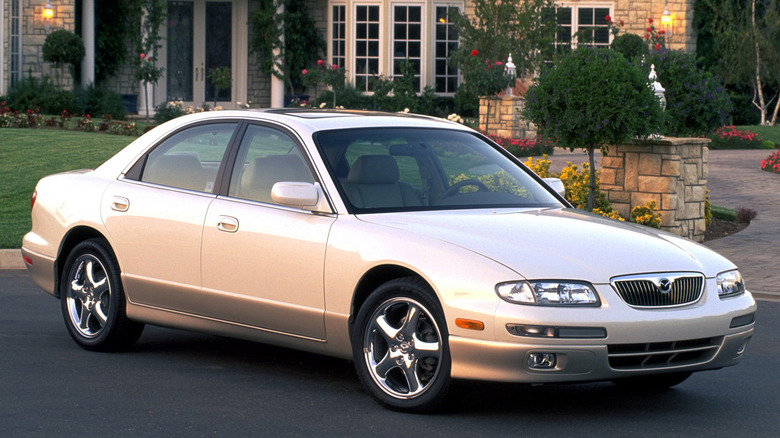
Mazda’s journey over the past three decades highlights a quiet, deliberate ascent upmarket. During the 1990s and early 2000s, the Japanese automaker was frequently dismissed by critics as a manufacturer of budget vehicles or, somewhat unfairly, as a producer of rebadged Fords.
Behind the scenes, Mazda had ambitious plans to launch a dedicated luxury division named Amati, anchored by a V12-powered flagship sedan called the Millenia. When economic headwinds and financial constraints forced the cancellation of the Amati project, Mazda did not abandon its luxury ambitions. Instead, the company integrated the Millenia into the core Mazda lineup and began elevating the entire brand’s design and interior craftsmanship. Today, Mazda sits comfortably in a unique space, offering near-luxury refinement, exquisite exterior styling, and engaging driving dynamics that easily punch above their price class.
Volvo: Swedish Safety Reborn Under Geely
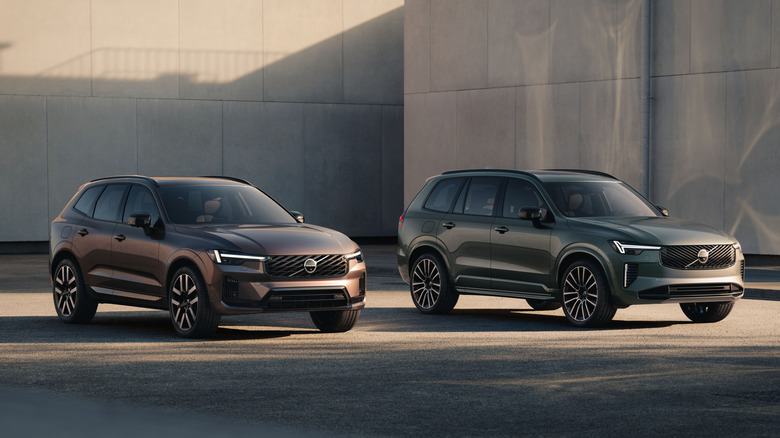
For decades, Volvo was defined by practical, boxy station wagons that prioritized uncompromising occupant safety above all else. While these utilitarian vehicles earned a fiercely loyal following, the brand rarely elicited genuine excitement for its styling or performance.
That narrative shifted dramatically following Volvo’s acquisition by Chinese automotive giant Geely. With fresh financial backing and renewed design freedom, Volvo underwent a complete metamorphosis. The brand introduced a stunning new design language characterized by elegant lines, minimalist Scandinavian interiors, and advanced plug-in hybrid and fully electric powertrains, transforming Volvo into a premier global luxury competitor.
Nissan: Regaining Relevance in a Changing Market
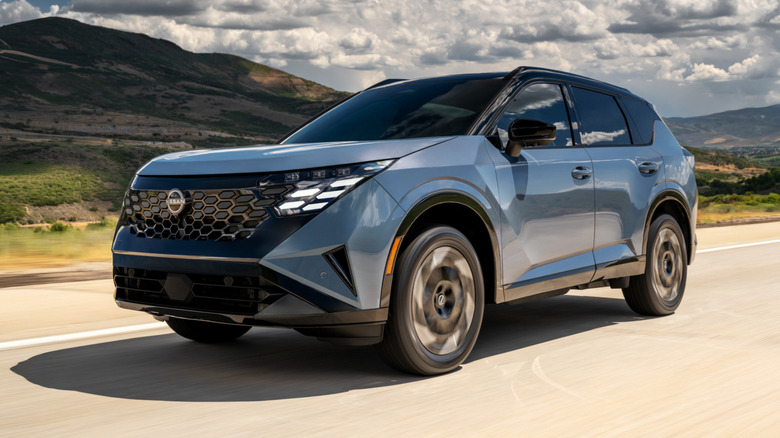
Nissan has experienced a roller coaster of market positioning over the years, sliding from a respected alternative to brands like Toyota and Honda into a period where its vehicles became heavily reliant on fleet sales and aggressive financing.
Recently, however, Nissan has shown clear signs of a major brand resurgence. The introduction of enthusiast-focused models like the Z, alongside redesigned and forward-looking entries like the Sentra, Leaf, Kicks, and an anticipated new Xterra, signal a serious effort to reclaim its historical prominence in the global automotive landscape.
Hyundai, Kia, and Genesis: The Undisputed Kings of the Modern Glow-Up
When discussing industry transformations, no automotive family commands more attention than Hyundai and Kia, alongside their luxury spinoff, Genesis.
Just a few decades ago, cars like the original Hyundai Pony, early Elantras, and initial Sonatas were viewed as disposable, utilitarian appliances built strictly for budget-conscious buyers. Kia similarly positioned itself at the absolute lower tier of the market, relying on aggressively basic economy cars.
The turning point for Hyundai arrived with the launch of the 2011 Sonata, a vehicle that stunned the industry with its bold "Fluidic Sculpture" design, modern technology, and vastly improved refinement. From that moment forward, the South Korean automaker stopped looking backward. Both Hyundai and Kia began delivering strikingly styled, feature-packed vehicles that routinely captured market share from legacy Japanese and American competitors. Models like the Kia Telluride became cultural phenomena, commanding five-figure price tags and parking in upper-middle-class suburban driveways that previously would only host Toyotas or Hondas.
Building upon this mainstream success, Hyundai launched Genesis as an independent luxury brand. Starting from humble sedan origins under the Hyundai umbrella, Genesis has rapidly evolved into a disruptive force in the luxury sector. With a striking design language, premium interior appointments, and ambitious high-performance concepts like the Genesis Magma GT, the brand has proven that a former budget manufacturer can successfully challenge the established European and Japanese luxury elite.