
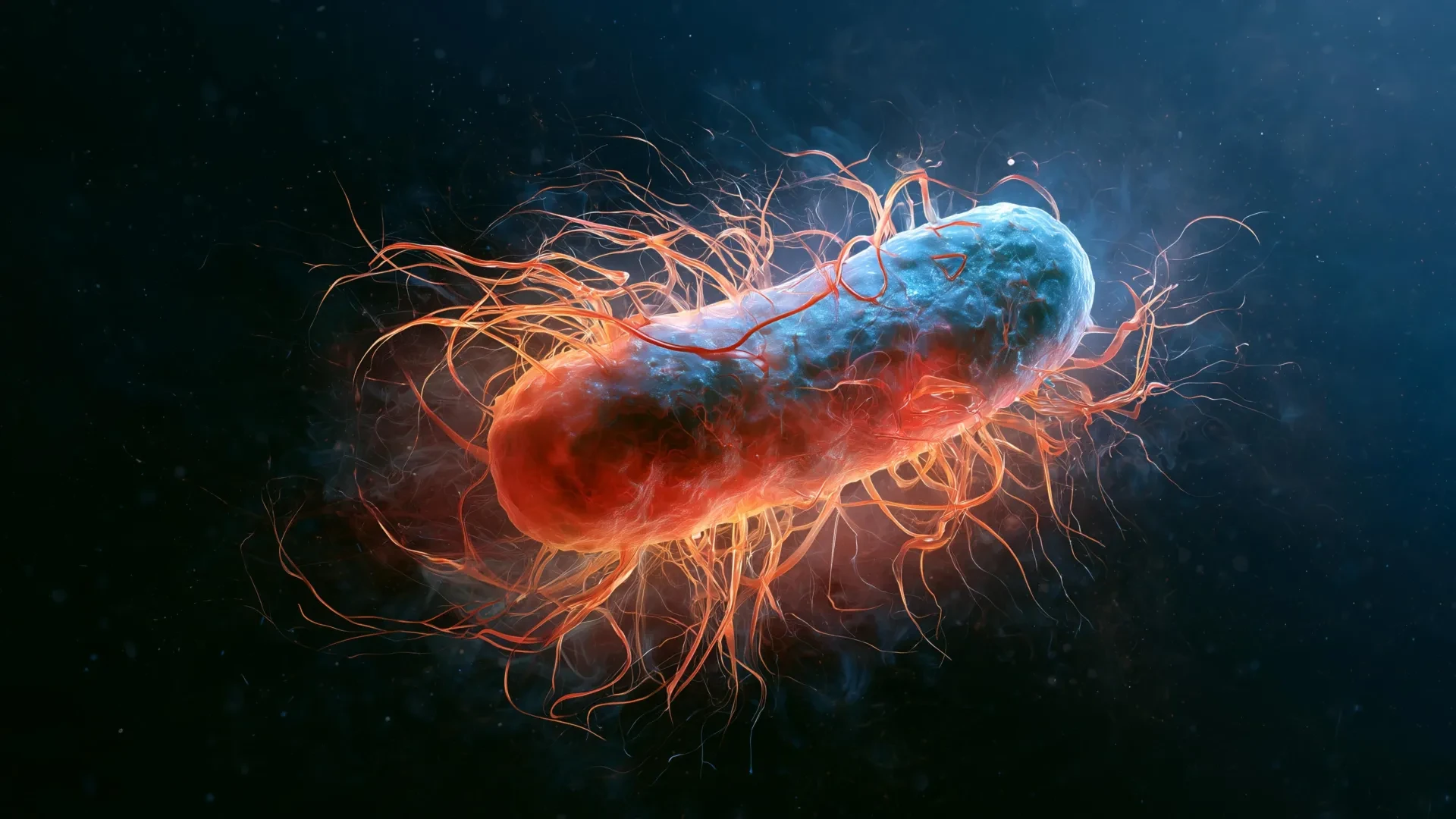
Beyond merely extending the life of these microscopic roundworms, the research team successfully identified the primary biological mechanism responsible for this rejuvenating effect. Their findings point to the suppression of ferroptosis, a distinct and iron-dependent form of programmed cell death that plays a critical role in cellular degradation and the broader aging process. The detailed results of this investigation have been formally documented and published in the peer-reviewed scientific journal Free Radical Biology and Medicine, marking a potentially important step forward in the exploratory fields of bigerontology and microbial intervention.
Magnetic Bacteria and Healthy Aging
The process of biological aging is characterized by a gradual, progressive decline in normal physiological function across cells, tissues, and organ systems. This inevitable deterioration is universally recognized as the single greatest risk factor for a vast spectrum of chronic human diseases, ranging from neurodegenerative conditions to cardiovascular disorders. For decades, researchers across the globe have explored various pharmacological compounds, dietary interventions, and genetic modifications as potential anti-aging strategies designed to slow this decline and promote healthspan—the period of life spent in good health, free from chronic disease and debilitating disability.
However, despite decades of intensive research, significant hurdles remain. Many pharmacological agents and gene-editing approaches under investigation raise valid concerns regarding long-term safety, off-target side effects, and the immense practical challenges of translating laboratory interventions into safe, effective clinical treatments for humans. Consequently, the scientific community continues to look for alternative paradigms, seeking biocompatible and naturally occurring agents that can modulate aging pathways without triggering adverse systemic reactions.
Magnetotactic bacteria, or MTB, represent a truly unique and unconventional approach to this enduring challenge. These specialized microorganisms are defined by their remarkable ability to navigate along Earth’s geomagnetic field lines, a capability made possible by internal, membrane-bounded organelle structures known as magnetosomes. These microscopic biological compasses contain crystals of magnetic iron minerals, such as magnetite or greigite. Because of their unique properties and generally favorable biocompatibility profiles, magnetotactic bacteria have already attracted considerable scientific attention in recent years for various prospective biomedical applications. Researchers have previously investigated them for targeted drug delivery systems, hyperthermia-based cancer treatments, and specialized molecular imaging.
Despite these diverse exploratory avenues, the potential influence of magnetotactic bacteria on aging and longevity-related physiological processes has received remarkably little study until now. To bridge this knowledge gap and determine whether these unique microorganisms could interact with systemic aging pathways, Professor Xu and his research team decided to test the MTB strain AMB-1 using Caenorhabditis elegans. This transparent nematode is one of the most thoroughly characterized and widely utilized model organisms in modern aging research, largely due to its short life cycle, well-mapped genome, and physiological similarities to more complex multicellular organisms.
Lifespan Increased by More Than 43%
To evaluate the impact of the magnetic bacteria, the researchers administered AMB-1 to the C. elegans models under controlled laboratory conditions and monitored their vital statistics over time. The results of the intervention were striking. Worms that were treated with the AMB-1 strain lived substantially longer than their untreated counterparts, demonstrating a dramatic shift in their survival curves. Specifically, the average lifespan of the treated nematodes increased by an impressive 43.39 percent.
In addition to simply living longer, the treated worms experienced significant improvements in their overall healthspan. As C. elegans age, they typically suffer from progressive neurological decline and a loss of structural integrity within their digestive tracts. However, the AMB-1 treatment helped preserve crucial physiological functions in older worms, maintaining both neurological activity and intestinal integrity far later into their life cycle than would normally be expected. These findings suggested that the bacteria were not merely prolonging survival in a debilitated state, but were actively promoting healthier, more robust aging.
Following this initial discovery, the research team sought to determine whether the unique ability to produce magnetosomes was merely a coincidental trait of the bacteria or a critical driver of the observed longevity effects. To answer this question, they conducted comparative experiments utilizing different mutant strains of the same bacterium alongside the wild-type organism. Their subsequent data indicated that the capacity to synthesize magnetosomes played a fundamental, driving role in extending the lifespan of the host organisms.
When the researchers tested the wild-type AMB-1 strain, which possesses full magnetotactic capabilities, it produced a much stronger longevity-promoting effect compared to reversibly non-magnetotactic mutant strains, known as RNM-AMB-1. More tellingly, completely non-magnetotactic mutant strains, designated as NM-AMB-1, failed to extend the lifespan of the worms altogether. This clear disparity strongly suggested that the physical and chemical properties tied to magnetosome production are directly linked to the anti-aging benefits conferred by the bacteria.
Blocking an Aging-Linked Form of Cell Death
To uncover the precise biological mechanisms underlying these protective effects, the Hefei Institutes team conducted deeper biochemical and genetic analyses. These subsequent experiments provided crucial clues regarding how AMB-1 interacts with cellular machinery to promote longevity. The researchers discovered that administering the bacteria led to a noticeable reduction in iron accumulation within the worms. Concurrently, it lowered the levels of lipid peroxidation—a destructive chemical process where free radicals steal electrons from the lipids in cell membranes, causing severe oxidative damage.
By mitigating iron overload and subduing lipid peroxidation, the AMB-1 treatment successfully suppressed a specific, highly damaging form of cell death known as ferroptosis. Ferroptosis is an iron-dependent type of regulated cell death driven by the relentless accumulation of lethal lipid peroxides. In recent years, ferroptosis has been increasingly recognized by biogerontologists as a key contributor to age-related tissue degradation and chronic pathological conditions.
To confirm the involvement of this cellular pathway at the molecular level, the team performed genetic analyses. These investigations revealed that several key ferroptosis-related genetic pathways were directly involved in the AMB-1-mediated regulation of lifespan. Specifically, the genes ftn-1, bli-3, and ads-1 played critical roles in the signaling and execution networks that the bacteria modulated to protect the organism against age-related cellular decline.
According to the research team, these experimental findings establish an entirely new microbial strategy for anti-aging intervention. By demonstrating that specialized bacteria can target and suppress iron-driven oxidative cell death, the study provides valuable foundational evidence that could eventually support the broader, more ambitious utilization of magnetotactic bacteria and their derivatives in the field of geriatric medicine and age-related therapeutics.