
For decades, the standard nutritional conversation surrounding protein has been dominated by a singular, biochemical focus: amino acid profiles and biological availability. However, a growing body of clinical research is challenging this conventional wisdom, suggesting that our obsession with "high-quality" protein—often defined by how closely a food’s amino acid profile matches our own—has obscured a more pressing public health reality. As medical professionals and researchers increasingly look toward long-term health outcomes rather than basic metabolic mechanics, a compelling argument is emerging for a fundamental shift in how we define and prioritize protein sources.
In 2019, Dr. David Katz and a team of researchers, including the esteemed Dr. David Jenkins, published a seminal paper making a formal public health case for modernizing the definition of protein quality. The authors argued that the prevailing definition, which has historically favored animal-based proteins like meat, eggs, and dairy, is disconnected from the actual health outcomes of populations in the industrialized world. While the historical focus on protein quality was vital for addressing severe malnutrition, such as kwashiorkor, in developing nations, it is increasingly irrelevant to the primary public health challenges of the 21st century. In developed countries, where protein deficiency is virtually nonexistent, the primary threats to public health are chronic, diet-related diseases. By labeling animal products as the "highest quality" source of protein, the current system inadvertently reinforces the idea that increasing meat and dairy consumption is inherently beneficial, a message that stands in direct opposition to modern dietary guidelines aimed at increasing plant-based intake.
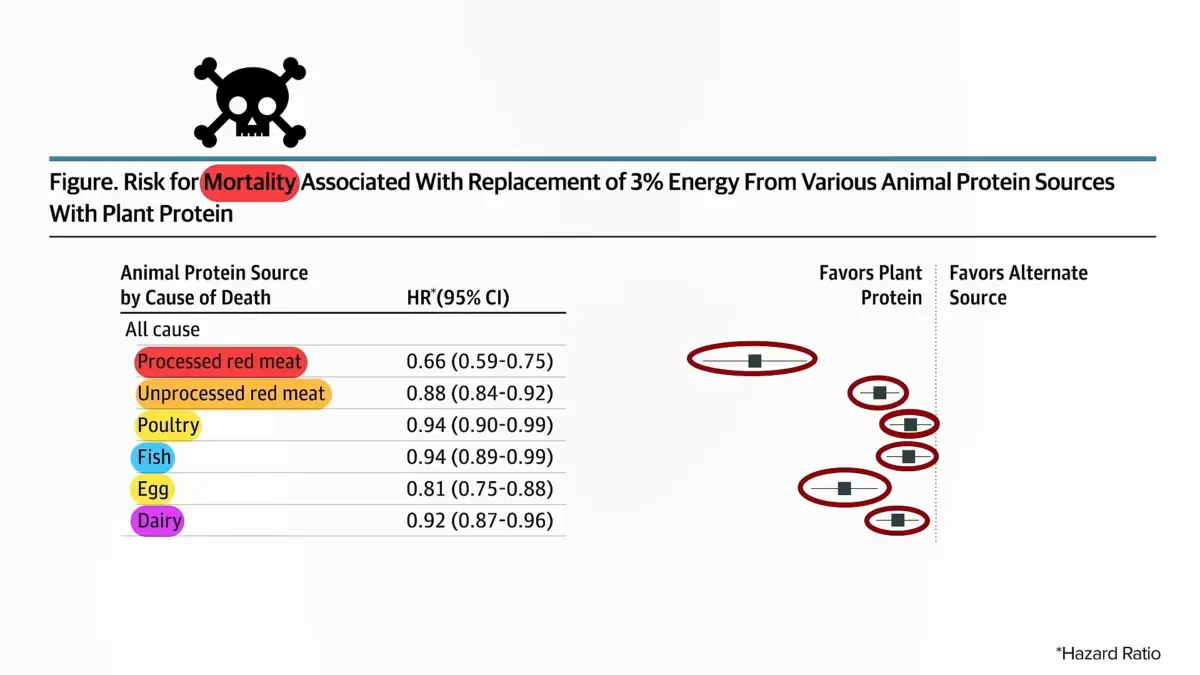
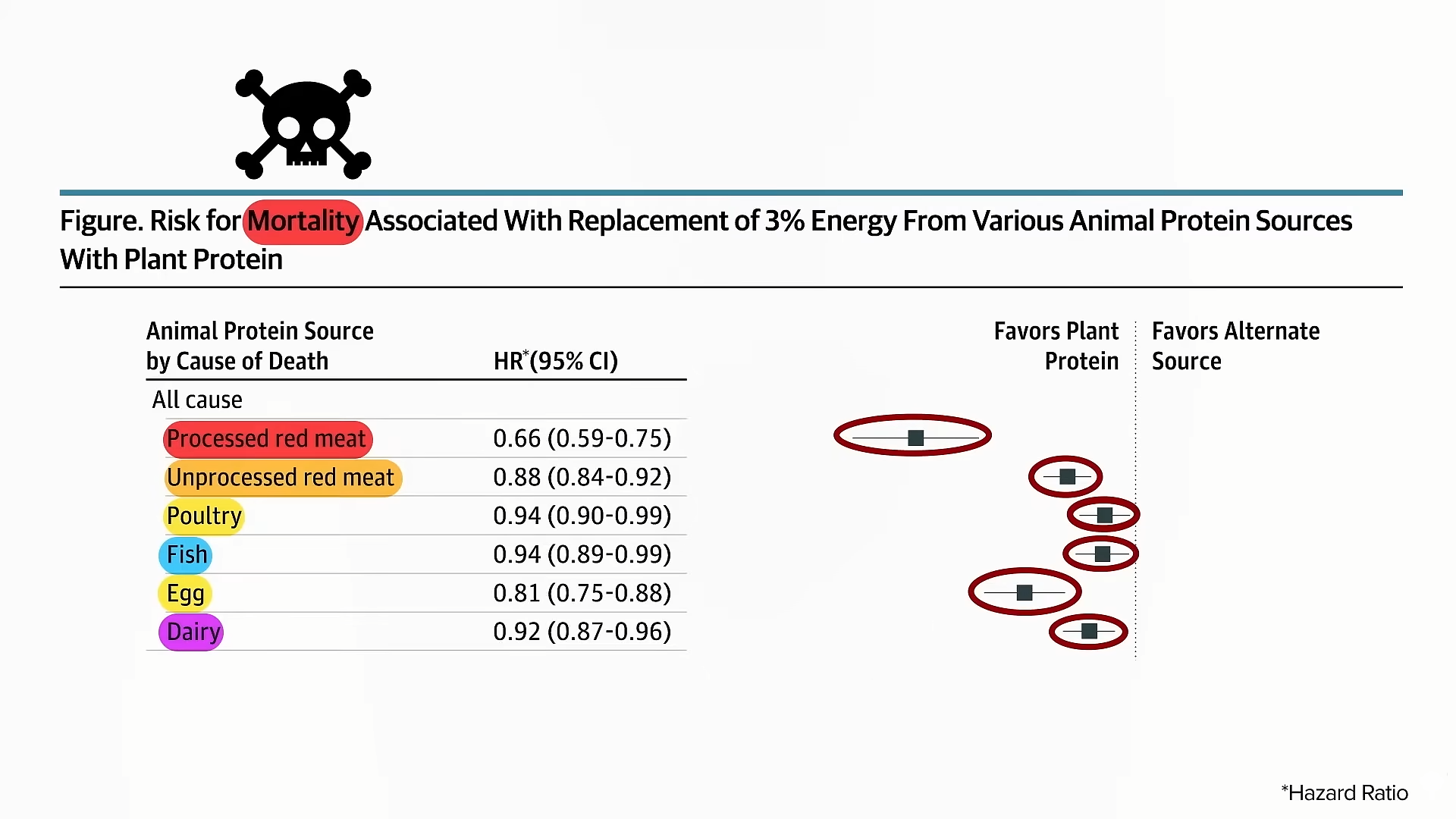
The limitations of the current paradigm became strikingly clear in 2016, following the publication of a landmark Harvard study. By tracking the health outcomes of more than 100,000 participants over an extended period, researchers identified a clear, consistent correlation: replacing animal protein with plant-derived protein was associated with a lower risk of premature mortality. The study highlighted that even marginal shifts in dietary habits—swapping just 3% of calories from animal proteins for plant-based alternatives—resulted in a significant reduction in mortality risk. While processed meats like bacon and specific animal components like egg whites appeared to be the most significant contributors to adverse outcomes, the benefit of the substitution held true across a variety of animal-sourced foods, including unprocessed red meat, poultry, fish, and dairy.
A natural question arises from these findings: if the protein itself is the nutrient of interest, how can the human body distinguish between the protein found in a lentil and the protein found in a steak? The answer lies in the complex biochemical environment that accompanies the protein. When researchers adjusted for factors such as saturated fat intake, they found that the adverse health effects were not merely a product of the fat content in animal products. Instead, the physiological impact of protein appears to be tied to the specific components packaged alongside the amino acids.
One primary suspect is the concentration of branched-chain amino acids (BCAAs). Animal proteins are typically much richer in BCAAs than plant-based proteins. Emerging evidence suggests that higher levels of these amino acids may be detrimental to metabolic health, whereas reducing their intake can yield protective effects. Beyond amino acid composition, researchers are also focusing on the role of insulin-like growth factor 1 (IGF-1). High intake of "high-quality" animal proteins is known to boost levels of this growth hormone, which has been linked to the promotion of certain cancers. The link between IGF-1 and chronic disease appears to be causative; individuals born with genetically higher levels of this hormone exhibit a greater predisposition toward life-threatening conditions like type 2 diabetes and cardiovascular disease, regardless of their specific dietary patterns.
Furthermore, there is the issue of the "body burden" of environmental toxins. Because animal products sit higher on the food chain, they serve as a repository for bioaccumulative pollutants such as dioxins and polychlorinated biphenyls (PCBs). These toxic compounds, which accumulate in the tissues of cattle, pigs, chickens, and fish, are ingested directly when these products are consumed. A shift toward plant-based protein, therefore, acts as a dual intervention: it reduces the intake of potentially harmful hormonal and metabolic triggers while simultaneously lowering the body’s overall exposure to environmental contaminants that have no place in a healthy human diet.
The evidence for this dietary shift is supported by even larger datasets. The U.S. National Institutes of Health (NIH) and AARP conducted the largest diet cohort study in history, analyzing data from approximately 400,000 individuals. The results mirrored the Harvard findings with remarkable consistency: replacing just 3% of animal protein calories with plant-based sources was associated with a 10% lower risk of overall mortality. Notably, that benefit doubled when participants eliminated eggs from their diet, an observation that aligns with existing data linking egg consumption to an increased risk of cardiovascular disease.
When the totality of the literature is synthesized, a clear trend emerges: while high protein intake is often touted as a pillar of health, the mortality risk associated with high protein diets is almost entirely driven by the consumption of animal-derived sources. Conversely, high intakes of plant-based protein are inversely associated with mortality, meaning that individuals who consume more plant protein tend to live longer, healthier lives. This inverse relationship suggests that the "quality" of protein should be measured not by how effectively it builds muscle in the short term, but by how it impacts the risk of dying from the most common killers in modern society.
This conclusion has prompted a call to action from the scientific community. A meta-analysis published in the wake of these findings explicitly recommended that individuals be encouraged to shift their protein intake away from animal sources and toward plants as a viable, evidence-based strategy for reducing the risk of death. For the average person, this transition does not require a complicated overhaul of their nutritional philosophy; rather, it suggests a simple, pragmatic preference for legumes, grains, nuts, and seeds over meat and dairy.
For those navigating the complexities of modern nutrition, these findings also help dispel several persistent myths. The long-standing concern regarding "protein combining"—the idea that one must eat specific plant proteins together to create a "complete" amino acid profile—has been widely debunked as unnecessary for healthy individuals. Similarly, for those concerned about meeting their daily requirements, data consistently shows that vegetarians and vegans are easily able to meet their protein needs through a varied, whole-foods diet. As for the rise of hyper-processed plant-based meat alternatives, the conversation remains ongoing, with researchers continuing to investigate their long-term impact on health compared to whole plant foods.
Ultimately, the goal of modernizing the definition of protein quality is to align our nutritional standards with the reality of our current health landscape. By pivoting away from a narrow, outdated biochemical focus and toward a holistic view of human longevity, we can better equip the public to make choices that prioritize health and disease prevention. The data is increasingly clear: the healthiest protein sources are those that come directly from the soil, providing not just the building blocks of life, but also the protective factors that keep chronic illness at bay. As we move forward, the most effective public health advice may be the simplest: when it comes to protein, plants provide the best insurance for a longer, healthier life.