
As the calendar turns toward mid-September, the shift in seasons brings more than just a crisp change in the air; it signals a transition in culinary habits and the seasonal bounty available to home cooks. For many, this time of year marks the highly anticipated arrival of apple-picking season, a quintessential autumn activity that invites families to reconnect with local agriculture while stocking their kitchens with fresh, seasonal produce.
In response to this seasonal transition and the ongoing challenges of managing household food budgets in an era of fluctuating grocery prices, nutrition-focused meal planning has emerged as an essential tool for maintaining both health goals and financial stability. By organizing weekly menus and streamlining grocery shopping, individuals can effectively reduce food waste, minimize the frequency of dining out, and ensure a structured approach to daily nutrition.
The Seasonal Bounty of Autumn
The transition from late summer into early fall provides a unique window for produce enthusiasts. While late July and August are characterized by early-season varieties like Gala and Lodi, September represents the height of the harvest for many regions. During this peak period, orchards are flush with iconic favorites such as Honeycrisp, McIntosh, and Jonathan apples.
Experts note that while these timelines are generally reliable, they remain subject to local weather patterns and regional geography. Consequently, those planning outings to local orchards are encouraged to verify conditions with their specific locations before heading out. Beyond the activity of picking, the influx of fresh fruit often leaves home cooks searching for versatile ways to utilize their harvest. Classic preparations remain popular, including homemade apple butter, spiced apple bread, oven-baked apples, and slow-cooker applesauce, all of which serve as reminders of the season’s comfort-food roots.

A Structured Approach to Healthy Meal Planning
For those looking to maintain a balanced diet while navigating the demands of a busy week, flexible meal planning serves as a practical framework rather than a rigid set of rules. Current nutritional guidelines suggest that while caloric needs are highly individual—varying based on factors such as age, weight, and activity level—most adults should aim for a baseline of at least 1,500 calories per day. However, effective meal planning is designed to offer "wiggle room." This flexibility allows individuals to integrate daily habits like coffee, snacks, desserts, or social dining, ensuring that a plan serves the person, not the other way around.
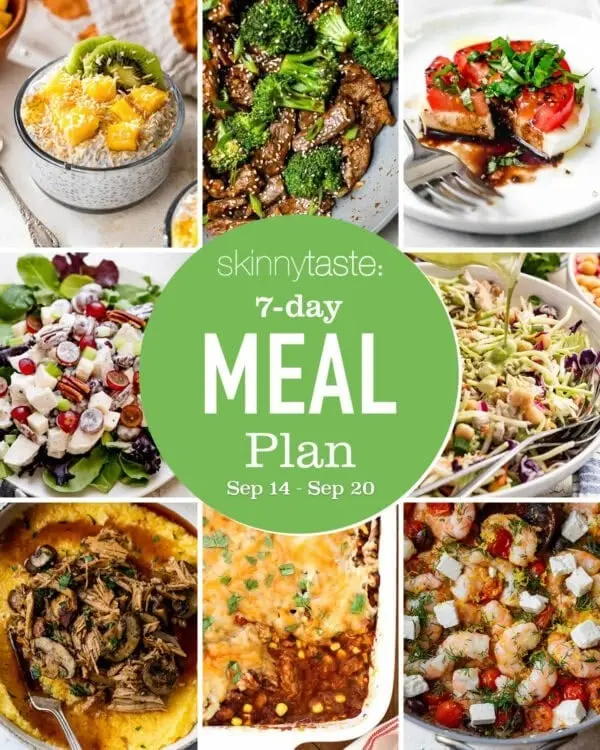
The strategy of a 7-day, flexible meal plan, such as the one outlined for the week of September 14 through September 20, is built on efficiency. By designing breakfasts and lunches to serve one person, while dinner portions are scaled for a family of four, the plan accounts for the realities of modern household life. This approach often results in built-in leftovers, which can significantly reduce time spent in the kitchen during the work week and prevent the need for last-minute, less-nutritious meal choices.
The Weekly Menu: A Case Study in Balance
The specific menu for the third week of September illustrates this balance, incorporating a mix of seasonal ingredients and high-protein staples. On Monday, September 14, the day begins with mushroom-spinach scrambled eggs paired with whole-grain bread, followed by a chicken Waldorf salad for lunch. The dinner service features a late-summer vegetable enchilada casserole accompanied by avocado and cilantro lime rice. This meal plan carries over into Tuesday, utilizing the leftovers from Monday’s dinner to maintain both efficiency and flavor.
As the week progresses, the menu introduces variety, such as a peanut butter breakfast oatmeal bowl on Wednesday and a tropical chia pudding breakfast bowl on Thursday and Friday. Dinner selections remain varied, featuring pasta with Italian chicken sausage, escarole, and beans, as well as a beef and broccoli stir-fry served with brown rice. By Friday, the menu shifts to a shrimp saganaki, demonstrating how a well-organized shopping list can facilitate a diverse array of proteins and flavors throughout the week.

The weekend transition follows a similar logic. Saturday morning features a breakfast casserole with sausage and grapes, followed by a light California roll cucumber salad for lunch, with the evening left open for dining out. Sunday concludes the week with a hearty crock-pot pork roast served with garlic-oil string beans, providing a wholesome end to the seven-day cycle.
Economic and Practical Benefits of Organization
The emphasis on meal planning in the current economic climate is not merely about nutrition; it is a critical strategy for fiscal responsibility. As inflation impacts the cost of grocery staples, the ability to generate a precise, organized shopping list becomes a significant asset. By knowing exactly what is required for the week’s meals, shoppers can avoid impulsive purchases, thereby reducing total expenditures and lowering the likelihood of food spoilage at the end of the week.
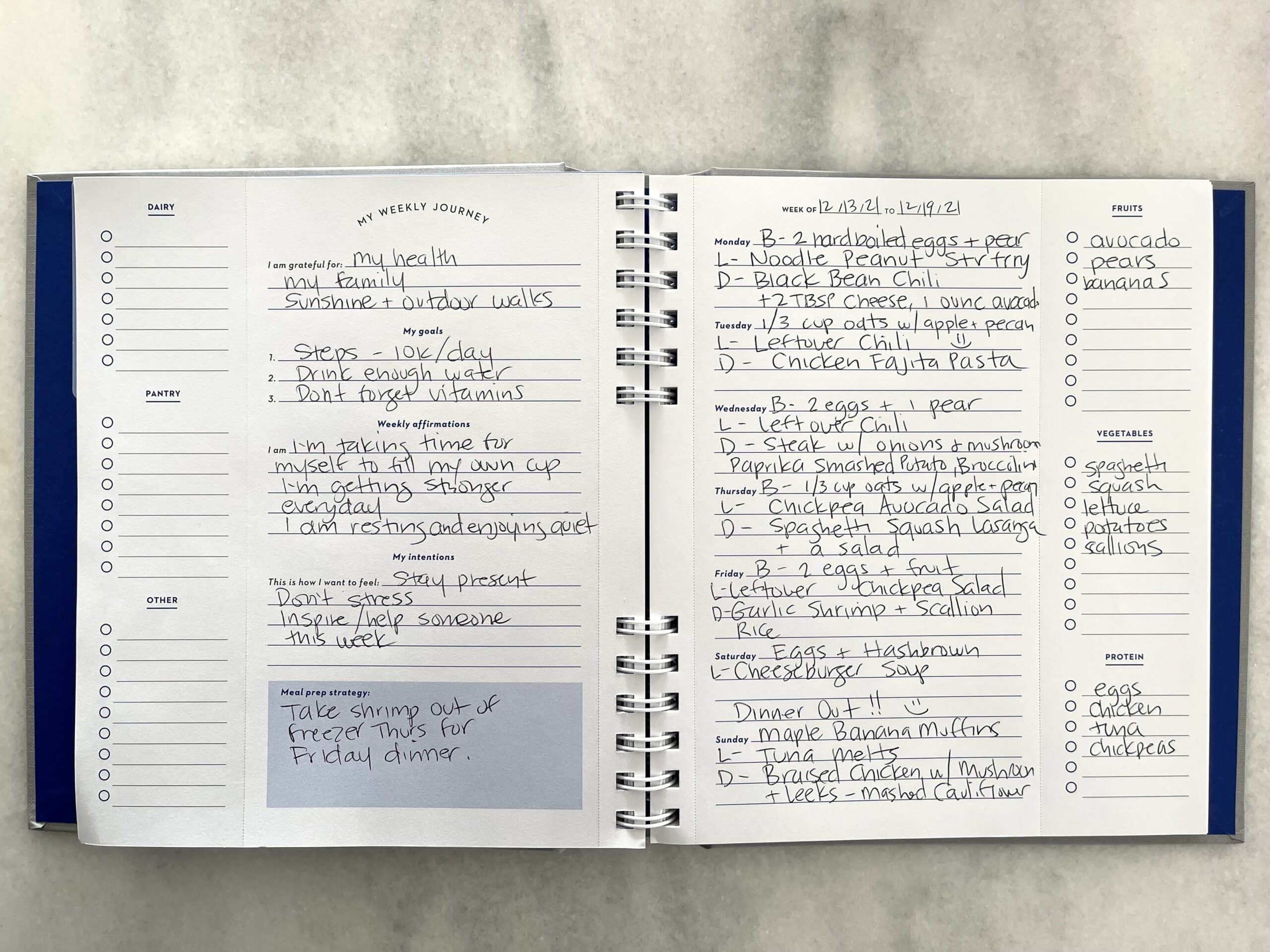
For those who find the process of manual planning daunting, resources such as comprehensive, 52-week meal planners have gained popularity. These tools often combine practical utility—such as tear-out grocery lists and weekly planning grids—with the personal element of tracking intentions, gratitude, and goals. The integration of these wellness practices into the daily routine of meal preparation underscores a growing trend of holistic health management.
Community and Resource Sharing
The digital age has fostered communities that further support these efforts. Online platforms, including specialized social media groups, allow individuals to share progress, exchange recipes, and offer encouragement. This communal aspect of meal planning provides a support network that can be crucial for those just beginning their health journey.
For individuals who require additional guidance or wish to explore more specialized options, such as budget-focused or high-protein-specific meal plans, there is an abundance of resources available. Whether through email subscriptions that deliver weekly plans directly to one’s inbox or through interactive, digital meal-planning tools, the barrier to entry for organized eating has never been lower. As the seasons change, the opportunity to reset dietary habits and embrace a more intentional approach to cooking remains a powerful way to enhance both personal well-being and household efficiency.