
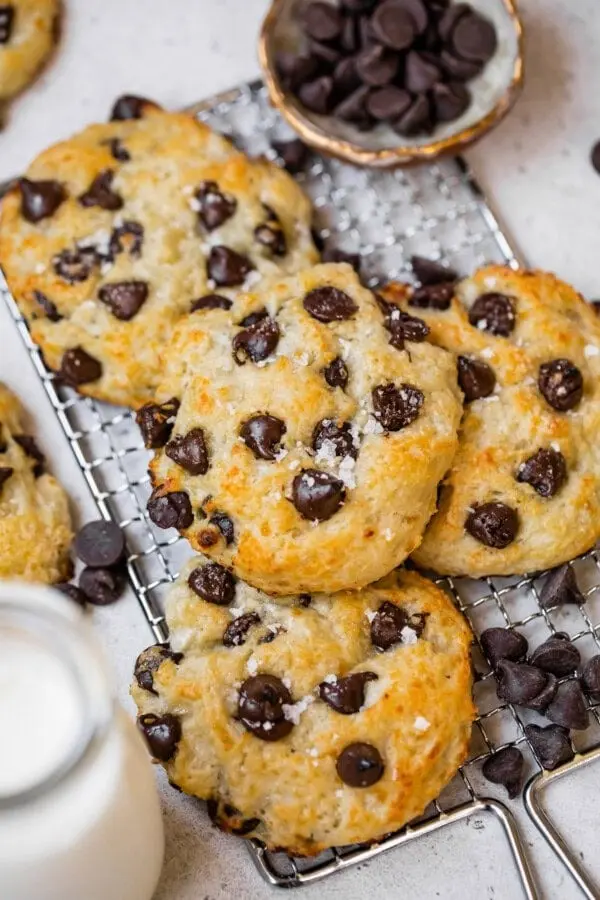
In the ever-evolving world of culinary experimentation, few ingredients have seen a more dramatic rise in popularity than cottage cheese. Once relegated to the back of the refrigerator or viewed solely as a diet-staple snack, this versatile dairy product is now finding its way into the heart of home kitchens as a secret weapon for baking. A recent development in the healthy dessert space highlights this trend, as home bakers and food enthusiasts discover that incorporating blended cottage cheese into cookie dough produces a soft, chewy texture while significantly reducing the need for traditional fats like butter.
The latest iteration of this trend comes from a rather serendipitous discovery. While attempting to craft a batch of cottage cheese scones, a routine kitchen experiment took an unexpected turn. Upon sampling the results, the baker realized the flavor profile and texture were not those of a scone, but rather remarkably reminiscent of a classic, indulgent chocolate chip cookie. This happy accident served as the catalyst for a new, lighter approach to the timeless dessert. By leveraging the moisture-retaining properties of cottage cheese, it is possible to achieve a rich, satisfying cookie without the heavy reliance on saturated fats typically found in standard recipes.
The Science of Moisture and Texture
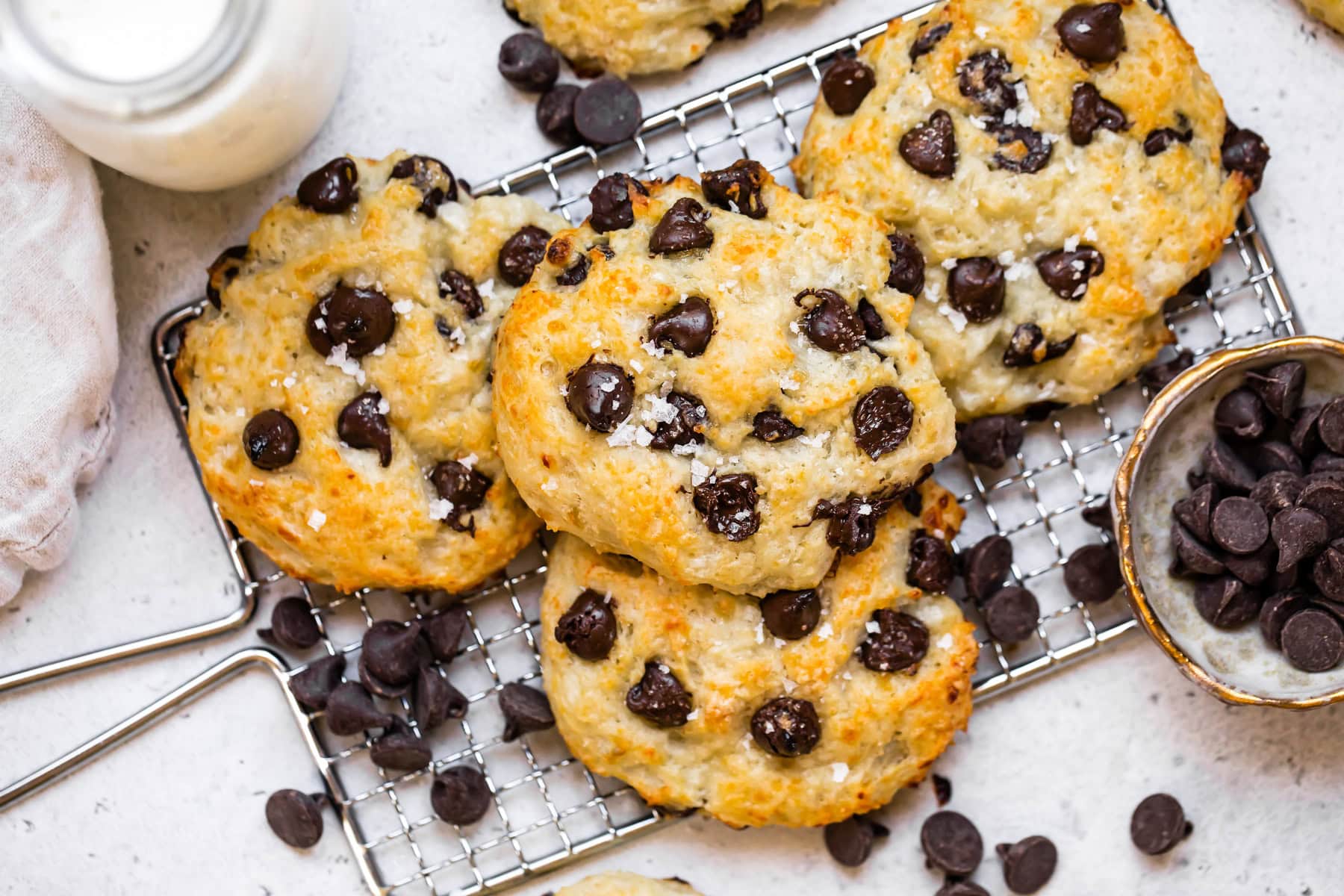
At the core of this baking innovation is the unique chemical composition of cottage cheese. When incorporated into a dough, the curd-based ingredient acts as a moisture-retaining agent. For home bakers looking to modify traditional recipes, this is a significant advantage. The moisture allows for a substantial reduction in butter usage, which in turn alters the calorie and fat profile of the finished product.
One of the most surprising aspects of this method is the invisibility of the ingredient. Once the cottage cheese is mixed into the dry components, it integrates so thoroughly that the final product retains no trace of a "cheesy" flavor or curd-like texture. For those who may be skeptical of using dairy in a sweet application, the result is surprisingly indistinguishable from a traditional cookie. The texture remains soft and chewy, fulfilling the primary requirement for a successful chocolate chip treat, while the flavor profile remains focused on the richness of the chocolate and the warmth of the dough.
Navigating the Challenges of "Healthy" Baking
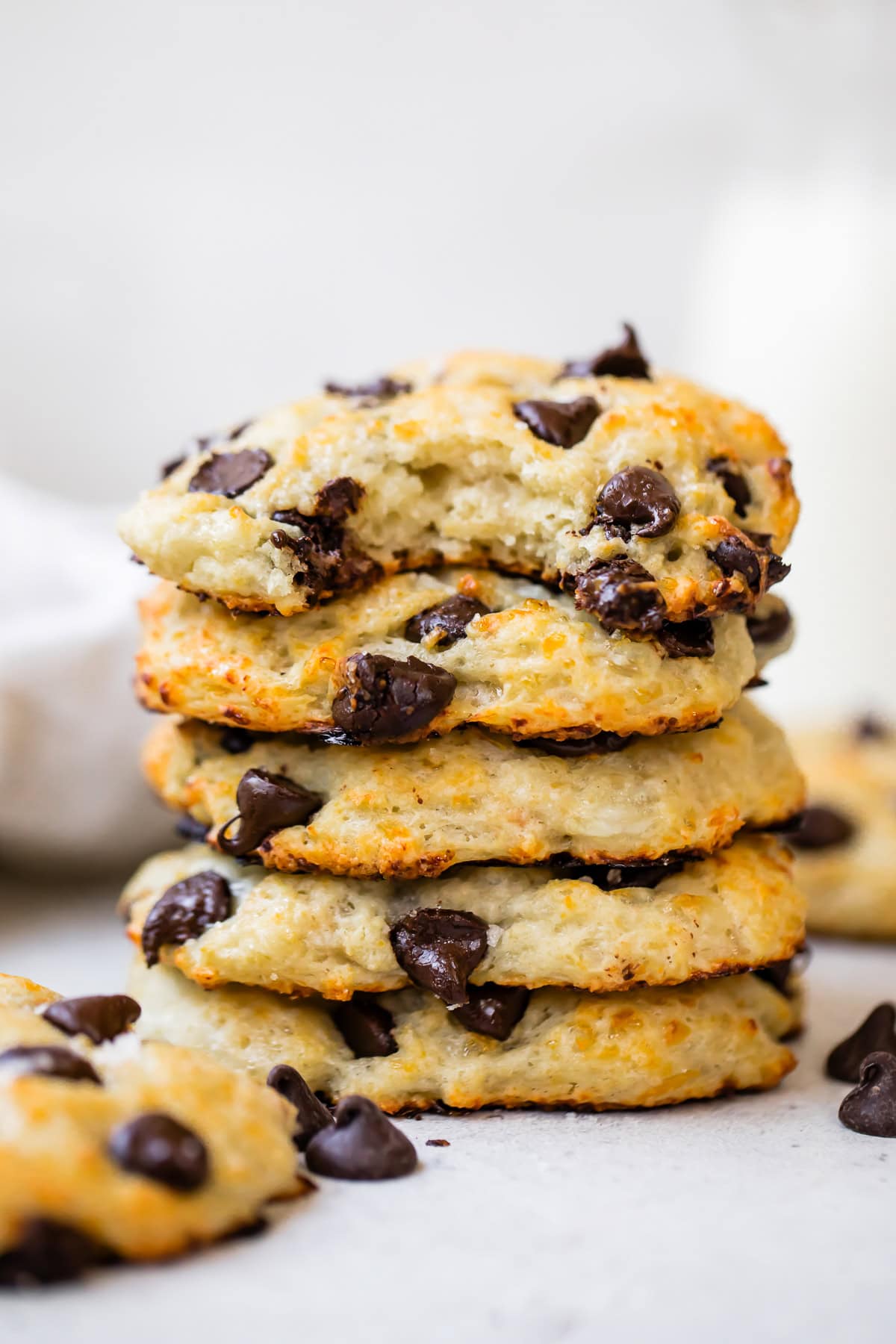
The shift toward healthier dessert alternatives has often been met with criticism regarding texture and longevity. Many low-fat or high-protein adaptations fail to mimic the "fresh-from-the-oven" experience that defines the quintessential cookie. In this instance, the developer of the recipe acknowledges a distinct characteristic: these cookies are at their absolute peak when served warm.
Because the recipe relies on moisture-dense ingredients rather than a high fat-to-flour ratio, the physical properties of the cookie change as it cools. Unlike traditional butter-heavy cookies that may remain stable for days in a jar, these cottage cheese-based cookies are best enjoyed shortly after baking. This specific attribute has led to a shift in how home bakers approach the process. Rather than preparing a large batch to be stored over the course of a week, the recommended practice is to treat the dough as a flexible, on-demand resource.

By portioning the dough and freezing it in advance, bakers can enjoy a single warm cookie whenever the craving strikes, rather than being burdened with a surplus of leftovers that may lose their ideal texture. This "bake-on-demand" approach has become a hallmark of the recipe, encouraging a more mindful and fresh consumption habit.
Expanding the Culinary Repertoire
The use of cottage cheese as a functional ingredient is part of a broader movement within the home cooking community. Over the past decade, bakers have turned to various unconventional ingredients to modify the nutritional profiles of their favorite sweets. From the use of pumpkin purée to introduce fiber and moisture, to the inclusion of applesauce or oats to create heartier, fiber-rich alternatives, the goal has consistently been to maintain the enjoyment of a treat while improving its dietary value.

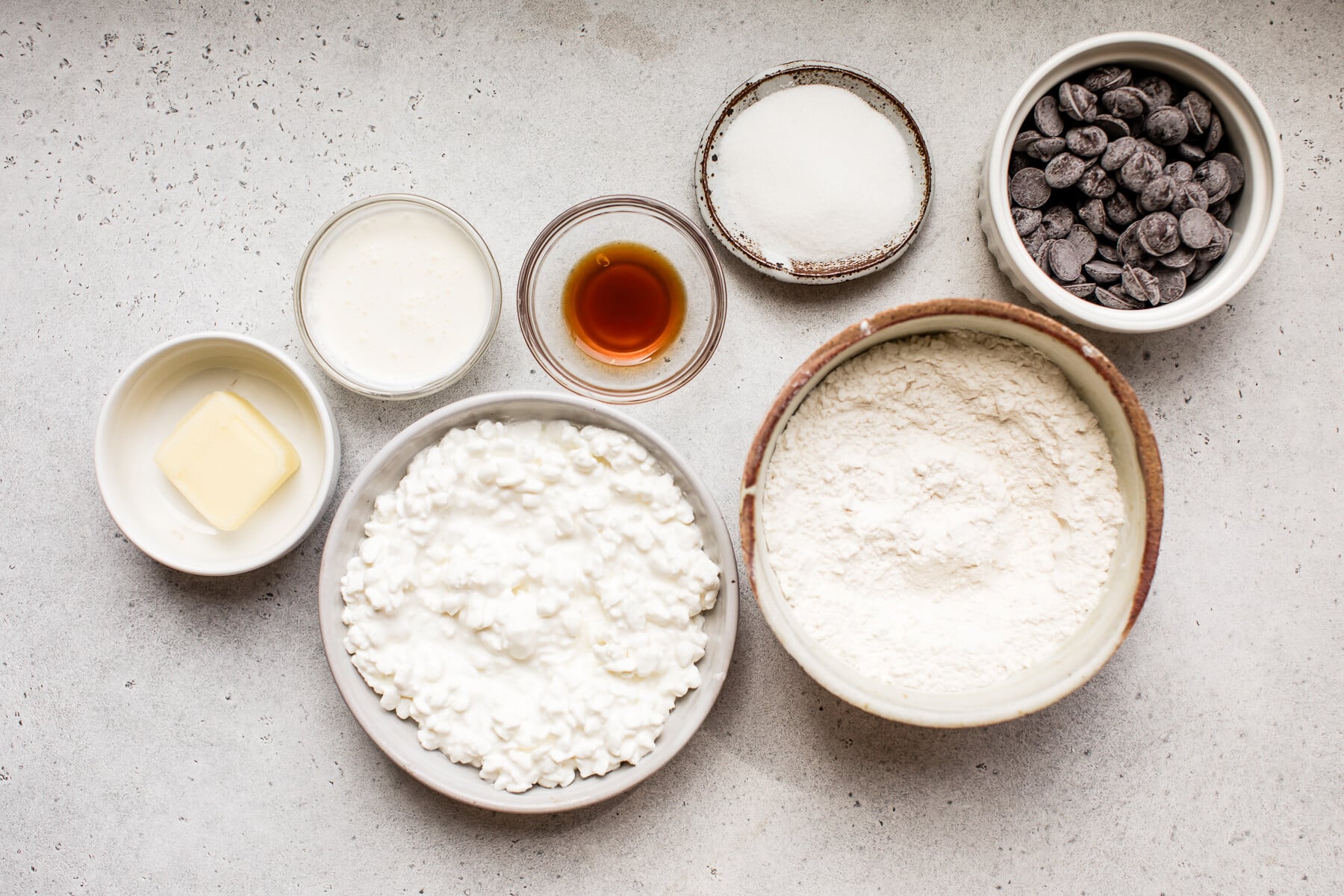
The cottage cheese version of the chocolate chip cookie is being lauded for its simplicity. The preparation process involves a straightforward mixing of wet and dry ingredients, requiring no complex blending or straining techniques. This ease of execution is vital for its adoption by casual home cooks who might otherwise be intimidated by "health-focused" recipes that require specialized equipment or hard-to-find ingredients.
As with any culinary innovation, variations abound. Once the foundational method of using cottage cheese to replace traditional fat is mastered, bakers are finding success in personalizing their results. Whether through the addition of different types of chocolate, the introduction of nuts, or adjustments to the type of flour used, the core recipe serves as a reliable base. The ability to create a high-protein, low-fat alternative that still delivers on the sensory experience of a warm, melting chocolate chip cookie provides a compelling reason for the continued interest in this dairy-based substitute.
A Sustainable Approach to Sweets
The popularity of this recipe also reflects a growing trend in the culinary world: the desire for balance. By providing a method that allows for a "guilt-free" indulgence that does not compromise on the emotional satisfaction of eating a fresh, warm cookie, this recipe addresses a specific demand in the modern diet. The nutritional breakdown, which often shows a modest protein boost and lower sugar or fat content compared to commercial alternatives, provides a clear benefit to those monitoring their intake.
However, the primary draw remains the flavor. The fact that an ingredient as humble as cottage cheese can be transformed into a vehicle for a classic comfort food highlights the creativity currently fueling the home baking scene. As more people share their experiences and success stories with these recipes, the stigma surrounding unconventional baking ingredients continues to fade.
The emphasis on "baking for one or two" also aligns with modern lifestyle trends, where smaller, manageable batches are preferred over large-scale baking that leads to waste. By keeping the dough in the freezer, the home baker gains control over their consumption, ensuring that every cookie is eaten at the moment of perfection.
Ultimately, this development serves as a reminder that the most impactful culinary changes often happen by accident. What began as a miscalculation during a scone-making session has evolved into a practical, delicious solution for those seeking to incorporate healthier habits into their daily lives without sacrificing the joy of a warm, freshly baked cookie. As the community continues to refine these techniques, the versatility of cottage cheese in the kitchen seems limited only by the imagination of the cook. Whether as a simple afternoon snack or a quick dessert to cap off a dinner, these cookies represent a functional, flavor-forward step toward the future of home baking.