
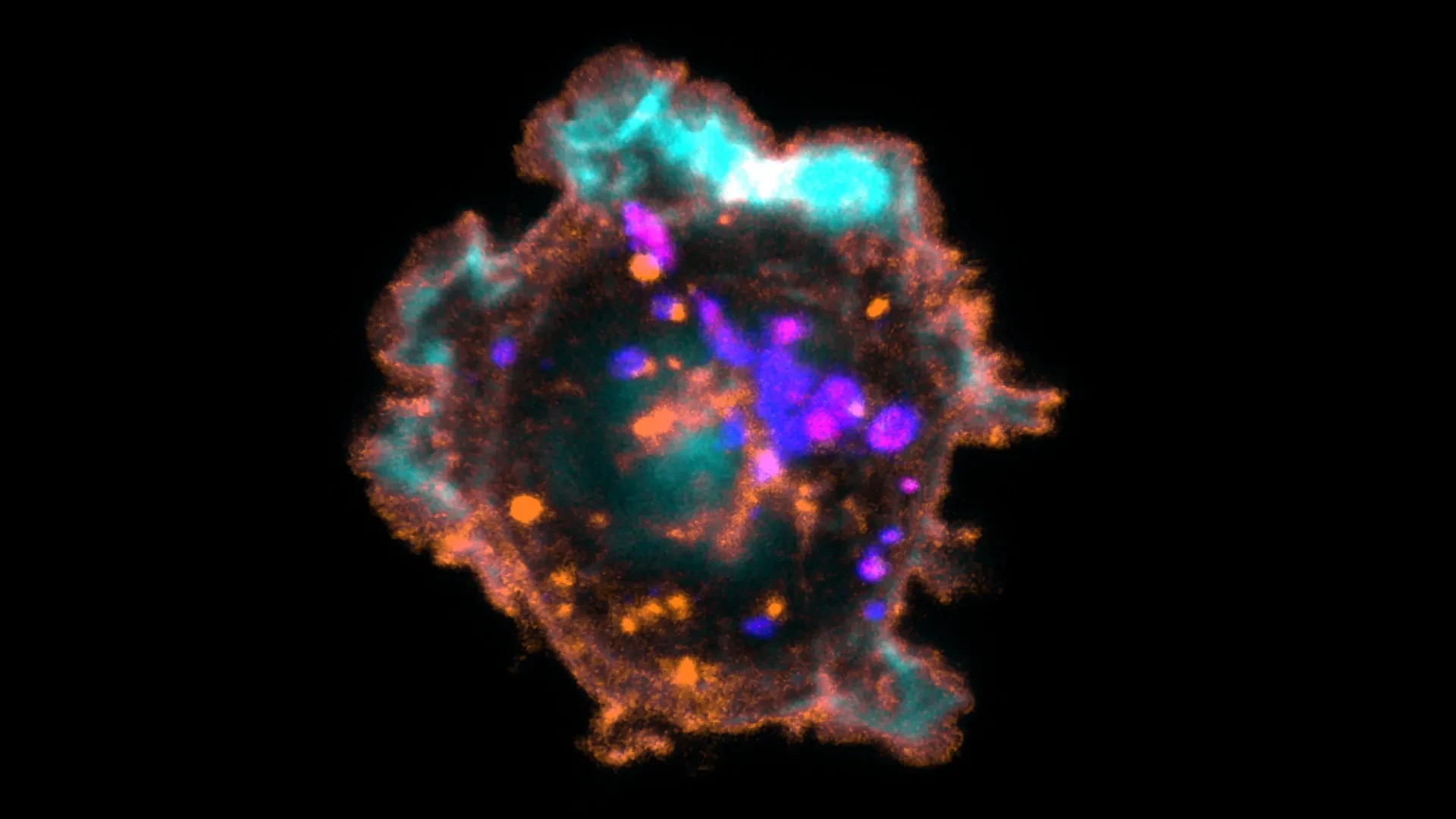
For decades, the global medical and scientific community believed it had a firm grasp on the underlying biological mechanics driving the dangerous, debilitating inflammation associated with a rare and punishing genetic disorder. That established consensus has now been officially upended. Researchers at the Garvan Institute of Medical Research in Australia have uncovered groundbreaking evidence that directly challenges 30 years of established scientific thinking regarding mevalonate kinase deficiency, opening an entirely new frontier in the quest for effective treatments.
The condition, known clinically as mevalonate kinase deficiency, or MKD, is a rare genetic disorder that can trigger severe, recurring inflammatory episodes that are occasionally life-threatening. A landmark study published in the peer-reviewed scientific journal Immunity has identified a previously underrecognized and misunderstood cellular malfunction involving natural killer cells—specialized components of the human immune system that typically play a vital role in helping the body eliminate virally infected cells.
According to the new research, these critical immune cells malfunction profoundly in individuals diagnosed with MKD. Instead of operating as intended, they set off an exaggerated, runaway inflammatory response whenever patients encounter common infections. Crucially, this monumental discovery also points toward a promising, readily available therapeutic option utilizing existing classes of medications known as Janus kinase inhibitors, or JAK inhibitors. This pharmacological approach could prove especially valuable for patients who fail to respond adequately to current medical therapies.
"This study has revealed a new target for this inflammatory disorder and sets the scene for future clinical studies to explore the use of JAK inhibitors or other drugs to neutralize interferon gamma in patients with MKD," explains Professor Mike Rogers, Laboratory Head at the Garvan Institute and senior author of the published study. "This could lead to a targeted treatment that hasn’t been tried before."
Why a Rare Immune Disease Causes Dangerous Inflammation
MKD is a lifelong condition that affects hundreds of children and adults around the world, though medical experts strongly suspect that many individuals living with the disorder remain undiagnosed or misdiagnosed due to the complexity of their symptoms. Patients afflicted with the condition experience agonizing, recurring attacks characterized by dangerously high fevers, painful skin rashes, severe joint pain, and profound inflammation localized within the abdomen. During the most serious flare-ups, patients can experience potentially fatal clinical complications.
For roughly thirty years, medical research into the disease has largely centered its focus on macrophages, which are specialized white blood cells and immune coordinators that help orchestrate the body’s inflammatory defenses. Existing treatment protocols are explicitly designed to block a specific inflammatory signal released by these macrophage cells. However, approximately half of all patients diagnosed with MKD do not respond adequately to these standard regimens, leaving an urgent, unmet medical need for alternative and more effective treatment options.
To investigate what might be missing from this prevailing medical explanation, the dedicated research team at the Garvan Institute examined blood samples collected from people living with MKD, alongside detailed laboratory studies of preclinical models of the disorder.
Their rigorous experiments revealed a profound and significant defect in natural killer cells, which normally serve on the front lines of the body’s early defenses against viral pathogens. In the biological environment of MKD, these vital cells fail to mature properly and struggle mightily to perform one of their most essential biological duties: identifying and destroying infected host cells before a localized infection can spread throughout the body.
The biological consequences of this failure extend far beyond an impaired ability to fight off routine infections. When natural killer cells are unable to eliminate their assigned targets, they begin releasing massive amounts of inflammatory signaling molecules. This abnormal process activates entirely separate, unintended parts of the immune system, ultimately triggering widespread, systemic inflammation.
"We found that these immune cells are essentially misfiring," Professor Rogers elaborates. "NK cells are loaded with toxic ammunition, stored in granules that are released to kill infected cells. However, in MKD these toxic granules can’t be released from NK cells and remain trapped inside. When an NK cell fails to kill its target, it compensates by shouting for help, pumping out large amounts of interferon gamma—a powerful inflammatory signal. This activates other immune cells and causes the dangerous fever and widespread inflammation seen in patients."
Discovery Challenges 30 Years of Immune Disease Research
The compelling new findings suggest that natural killer cell dysfunction, rather than macrophage activity alone, plays the central, driving role in the pathophysiology of MKD.
Dr. Marcia Munoz, a Group Leader in the Rogers Laboratory and the lead researcher on the study, notes that the empirical results represent a fundamental paradigm shift in how the scientific community understands the disease.
"This really turns on its head 30 years of dogma about what was thought to be the underlying mechanism of disease. In MKD, the primary problem is in NK cells and not in macrophages, as previously believed," she states.
To thoroughly investigate how this specific cellular defect contributes to the broader clinical disorder, the Garvan researchers collaborated closely with Professor Mariapia Degli-Esposti and fellow scientists at Monash University.
Utilizing advanced preclinical models, the research team successfully established a direct biological connection between malfunctioning natural killer cells and the severe, agonizing symptoms associated with MKD. Their experimental data demonstrated conclusively that when the immune system fails to effectively clear a viral infection, the resulting, unmitigated inflammatory response can cause extensive, lasting damage to major organs.
These robust results help explain a longstanding medical paradox: why a genetic disorder involving fundamentally defective immune defenses can paradoxically produce explosive episodes of extreme inflammation.
Existing Drug Shows Promise for a New Treatment
The transformative discovery has already begun translating from the laboratory bench to the bedside, helping guide an experimental treatment approach for a severely affected infant.
Working in close collaboration with specialized clinical pediatricians at the Royal Children’s Hospital in Melbourne, the research team explored whether the medication baricitinib could successfully dampen the excessive inflammatory signaling pathways associated with MKD.
Baricitinib belongs to an established class of pharmaceuticals known as JAK inhibitors. These specialized drugs work by interfering with specific communication pathways utilized by the immune system, including those critical pathways involved in responding to interferon gamma. The medication is already widely approved and utilized to manage other immune-related conditions, such as severe rheumatoid arthritis and treatment-resistant eczema.
Attending doctors added baricitinib to the infant’s existing treatment regimen and subsequently observed a remarkable clinical improvement in the young patient’s condition. Painful inflammatory flare-ups became noticeably less frequent, and the severe, debilitating inflammation affecting the child’s gastrointestinal tract began to heal.
Although clinical outcomes derived from a single patient cannot definitively establish whether a new therapeutic approach will work broadly across an entire patient population, the rapid clinical improvement provides highly encouraging early evidence for a strategy targeting an entirely different part of the inflammatory cascade.
The researchers firmly believe their findings establish a rock-solid foundation for future, larger-scale clinical studies investigating JAK inhibitors and other pharmacological agents designed to block interferon gamma activity in MKD patients, particularly those individuals who have derived little to no benefit from standard care standards.
Discovery Could Help Explain Other Genetic Diseases
The broad potential implications of this study extend well beyond MKD itself.
In the wake of their findings, the researchers have introduced the umbrella term "prenylopathies" to categorize a broader family of rare genetic disorders that involve the exact same metabolic pathway disrupted in MKD. Preliminary data and early findings suggest that these related metabolic diseases may share a strikingly similar underlying cellular pathology—featuring natural killer cells that fail to function properly and instead churn out excessive, pathological inflammatory signals.
If subsequent scientific studies confirm this hypothesized connection, researchers may soon be able to identify common disease mechanisms across multiple conditions, ultimately paving the way for vastly more targeted approaches to early diagnosis and personalized treatment.
"Confirming this link could help end the diagnostic odyssey many patients endure for years or even decades before receiving effective treatment," Professor Rogers concludes.
Professor Mike Rogers serves as a Conjoint Professor at St Vincent’s Clinical School within the Faculty of Medicine and Health at UNSW Sydney. Dr. Marcia Munoz serves as a Conjoint Senior Lecturer at St Vincent’s Clinical School within the Faculty of Medicine and Health at UNSW Sydney.