
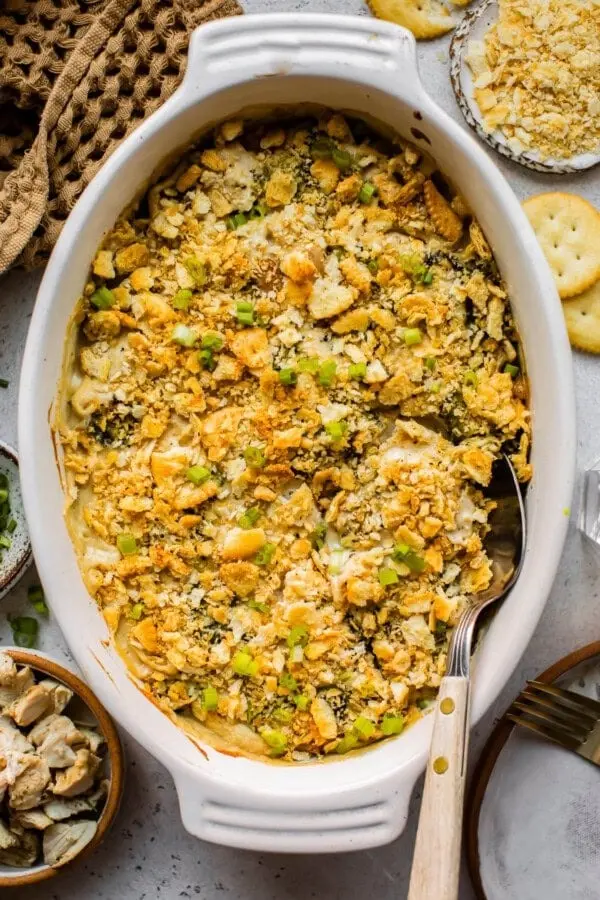
As the Thanksgiving holiday draws to a close, many households find themselves in the same familiar position: the celebration has ended, the guests have departed, and the refrigerator is packed with an abundance of leftover turkey and roasted side dishes. While the classic post-holiday turkey sandwich remains a staple of the season, a growing number of home cooks are looking for more creative, wholesome ways to utilize these remnants without falling into the trap of repetitive, uninspired meals. A new recipe for a Leftover Turkey Casserole is currently gaining traction as a sophisticated, high-protein solution that reimagines the traditional "Million Dollar" comfort food style with a health-conscious perspective.
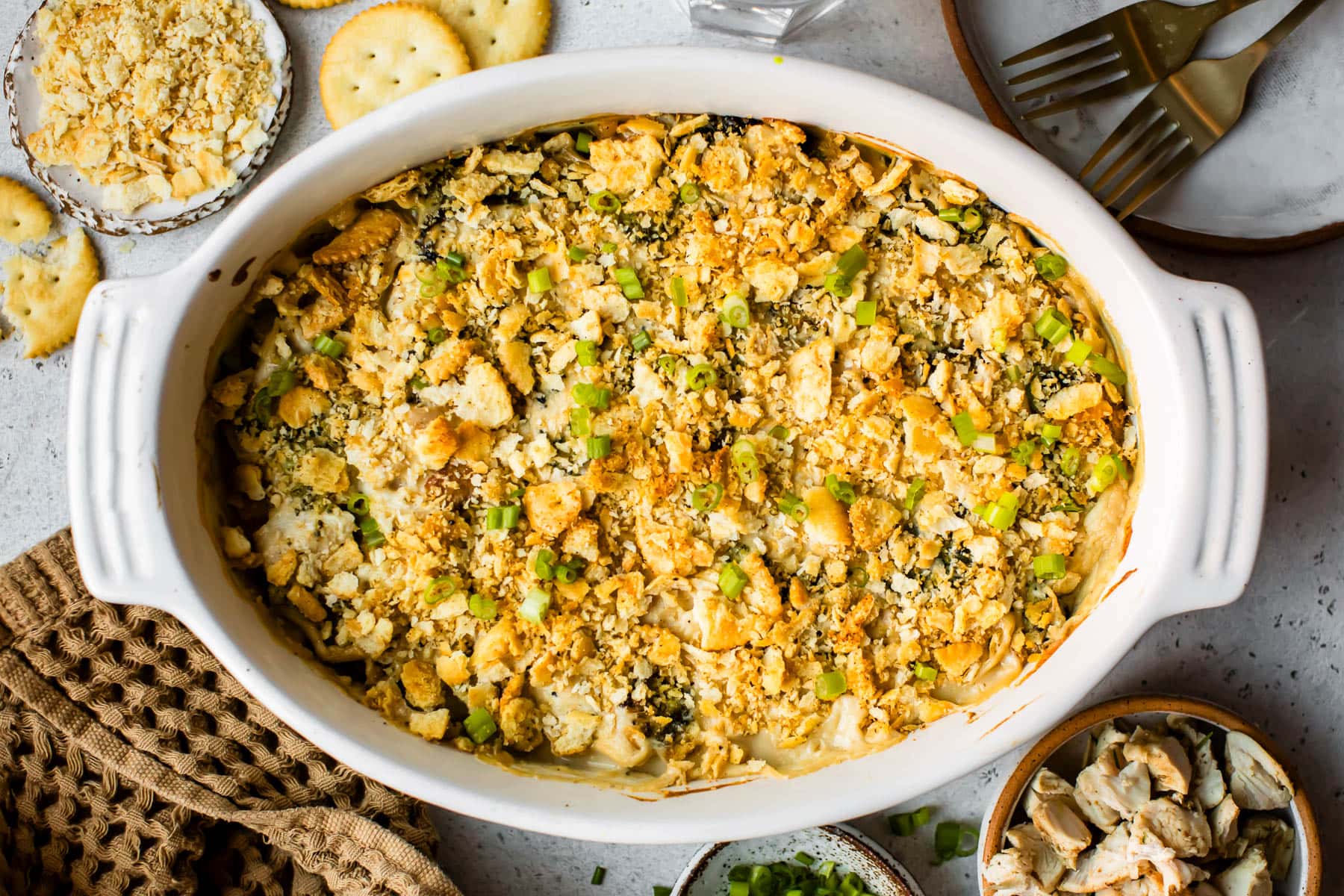
The dish serves as a culinary bridge between the indulgence of a holiday feast and the desire for balanced, nutrient-dense nutrition in the days that follow. By replacing heavy, processed convenience foods—such as the condensed soups often found in traditional casserole recipes—with fresh, protein-rich alternatives, this version offers a lighter way to enjoy the flavors of the season. The base of the casserole relies on the versatility of leftover roasted turkey, which provides a lean protein foundation, while the inclusion of various roasted vegetables helps to reduce food waste and incorporate essential nutrients back into the diet.
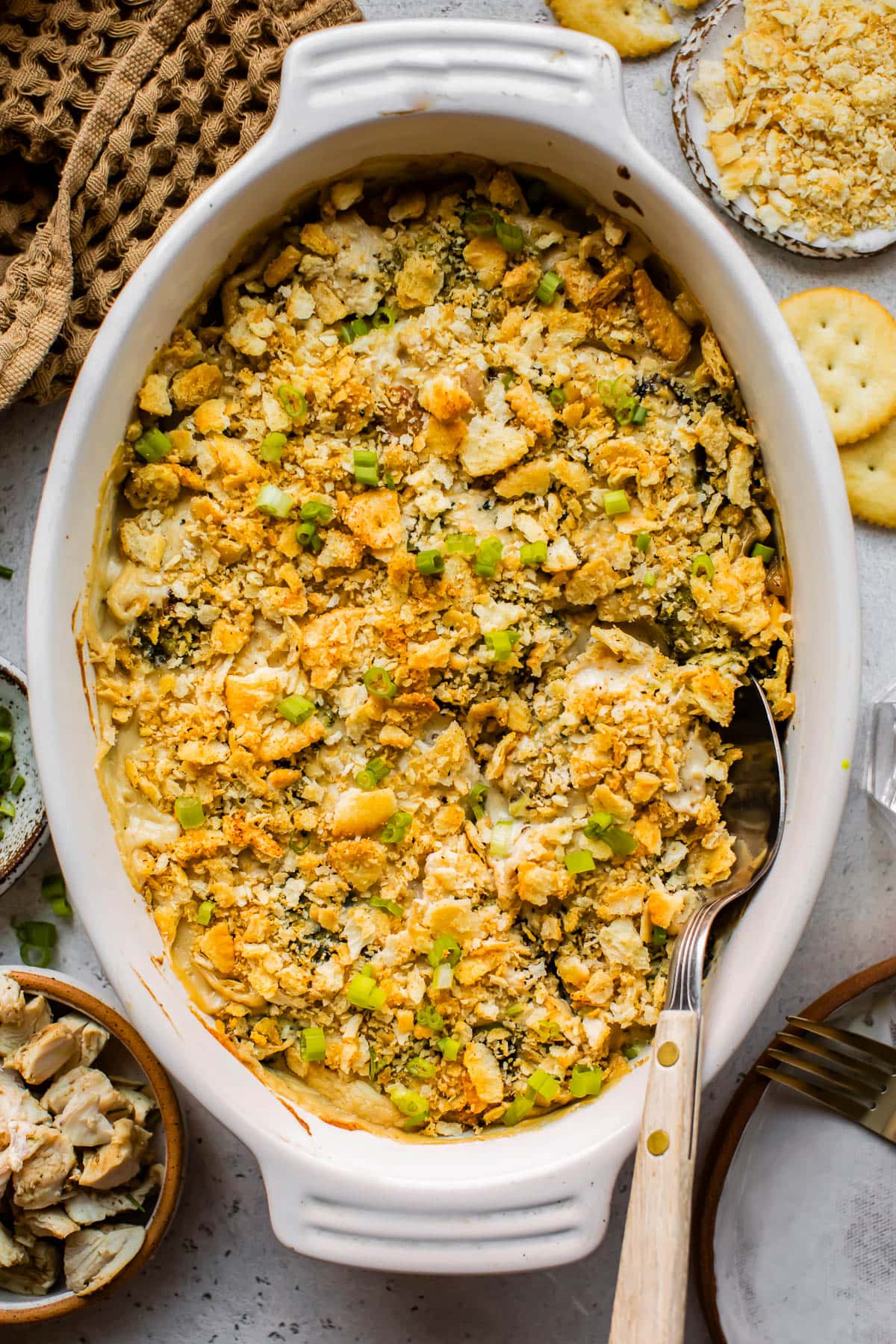
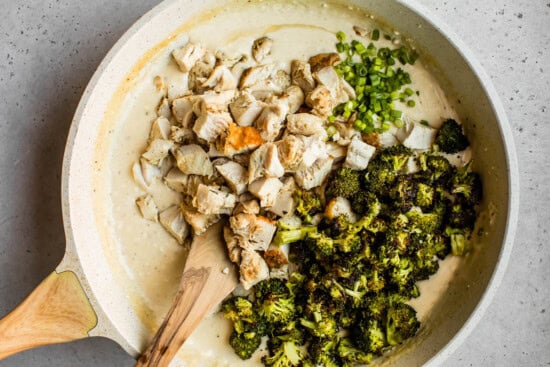
One of the most notable features of this recipe is the creative approach to achieving a creamy texture. Rather than relying on store-bought canned soups, which can be high in sodium and preservatives, the recipe utilizes a blend of cottage cheese and a modest amount of cream cheese. This combination not only provides a rich, satisfying mouthfeel but also significantly boosts the protein content of the meal, making it a more substantial option for those looking to maintain their dietary goals during the holiday lull. When combined with the turkey and the remnants of roasted sides—such as green beans or garlic-infused broccoli—the resulting mixture creates a cohesive, flavorful dish that feels entirely new rather than simply "reheated."

The culinary inspiration behind this creation is the classic "Million Dollar Chicken Casserole," a dish historically celebrated for its ability to transform humble, budget-friendly ingredients into something that tastes decadent and luxurious. By applying a "Skinnytaste" philosophy to this well-loved concept, the dish manages to retain that "million-dollar" flavor profile while significantly reducing the caloric and saturated fat footprint. It is a testament to the idea that holiday leftovers need not be mundane; with a few simple adjustments and a fresh perspective, they can serve as the foundation for an entirely different, high-quality dining experience.

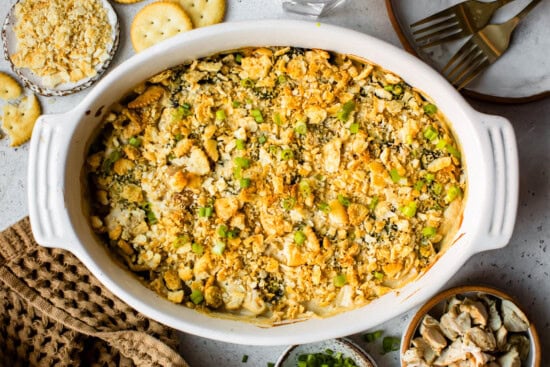
The process of preparing the dish is designed with the convenience of the post-holiday cook in mind. After the initial effort of the holiday, most people are seeking streamlined kitchen tasks. This casserole is assembled by combining the protein and vegetables with a savory gravy, then topped with a golden, buttery cracker crust that provides a satisfying textural contrast to the creamy interior. The assembly is straightforward, requiring only a short period of baking to bring all the flavors together, making it an efficient choice for busy days following the festivities.
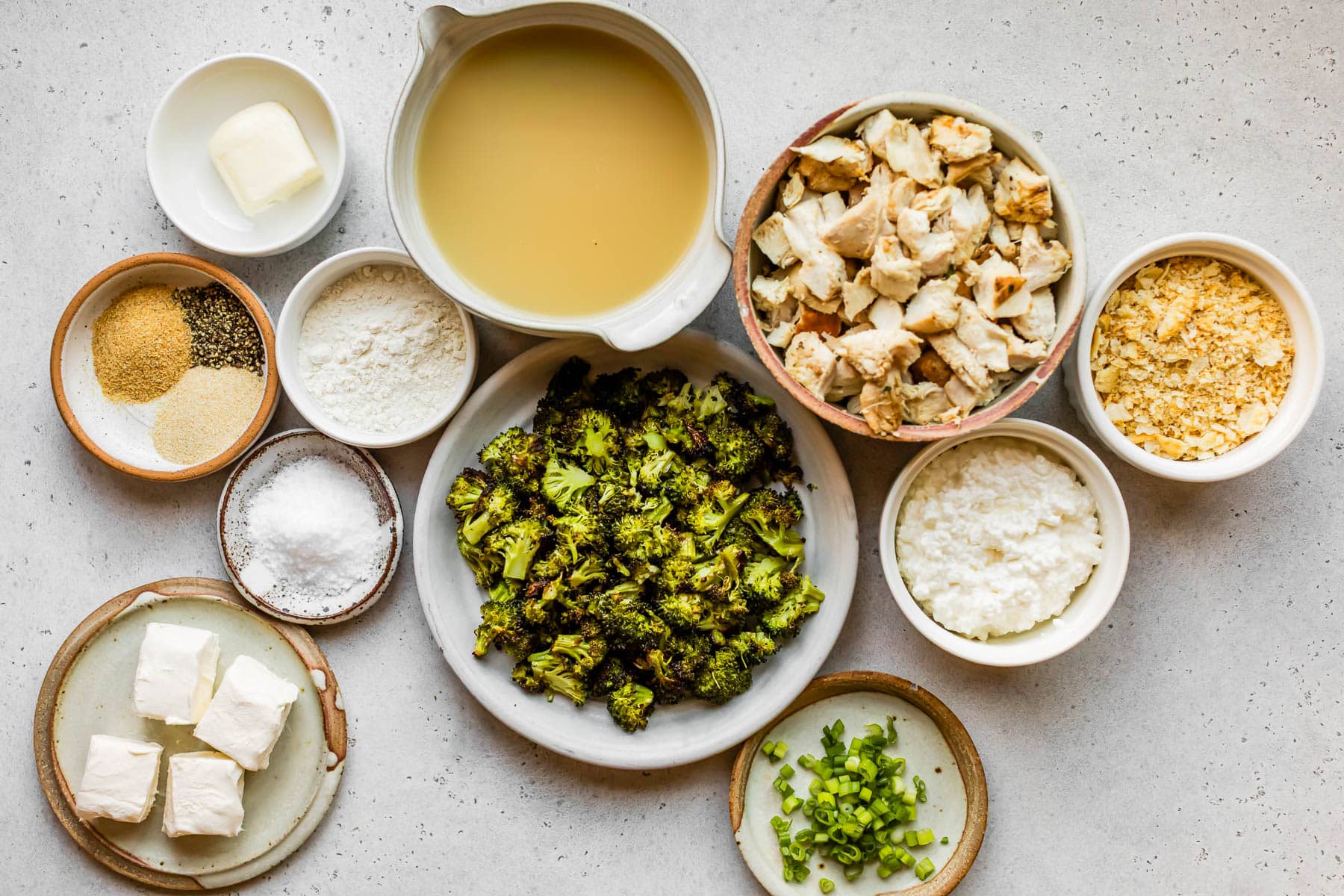
One of the significant advantages of this approach is its inherent flexibility. The recipe acts as a framework rather than a rigid set of rules, allowing cooks to utilize whatever they have on hand from their holiday table. Whether it is an abundance of roasted root vegetables, Brussels sprouts, or traditional green beans, these elements can be seamlessly folded into the creamy mixture. This adaptability is particularly valuable during the post-Thanksgiving period, where the goal is often to clear the refrigerator while avoiding the fatigue that comes from eating the exact same meal multiple times.

From a nutritional standpoint, the casserole is structured to be a balanced, one-dish meal. A single serving provides approximately 32 grams of protein, a figure that is relatively high for a typical comfort-food casserole. With roughly 350 calories per serving, it offers a controlled portion size that satisfies hunger without the heavy feeling often associated with traditional holiday fare. The moderate carbohydrate content and the inclusion of fiber from the vegetables ensure that the meal is sustaining, making it a practical choice for lunch or dinner throughout the week.
The storage and reheating characteristics of this dish are also well-suited for the modern home. Because the ingredients are already cooked and then baked, the casserole holds its texture well, and flavors often develop more deeply after a day in the refrigerator. Proper storage, typically in an airtight container, ensures that the dish remains safe and palatable for several days. When reheating, the addition of a small amount of liquid can help maintain the moisture of the sauce, and a quick flash in the oven can help revive the crispness of the cracker topping, which might soften slightly during refrigeration.
As the post-holiday season continues, many are searching for ways to maintain the spirit of the celebration while moving toward more sustainable and health-conscious eating habits. By repurposing the core ingredients of the Thanksgiving meal into a structured, high-protein casserole, home cooks can reduce their overall food waste while simultaneously crafting meals that feel fresh and intentional. This shift away from simple reheating toward the creation of new, composed dishes reflects a broader trend in home cooking: the desire to marry convenience with nutritional quality.
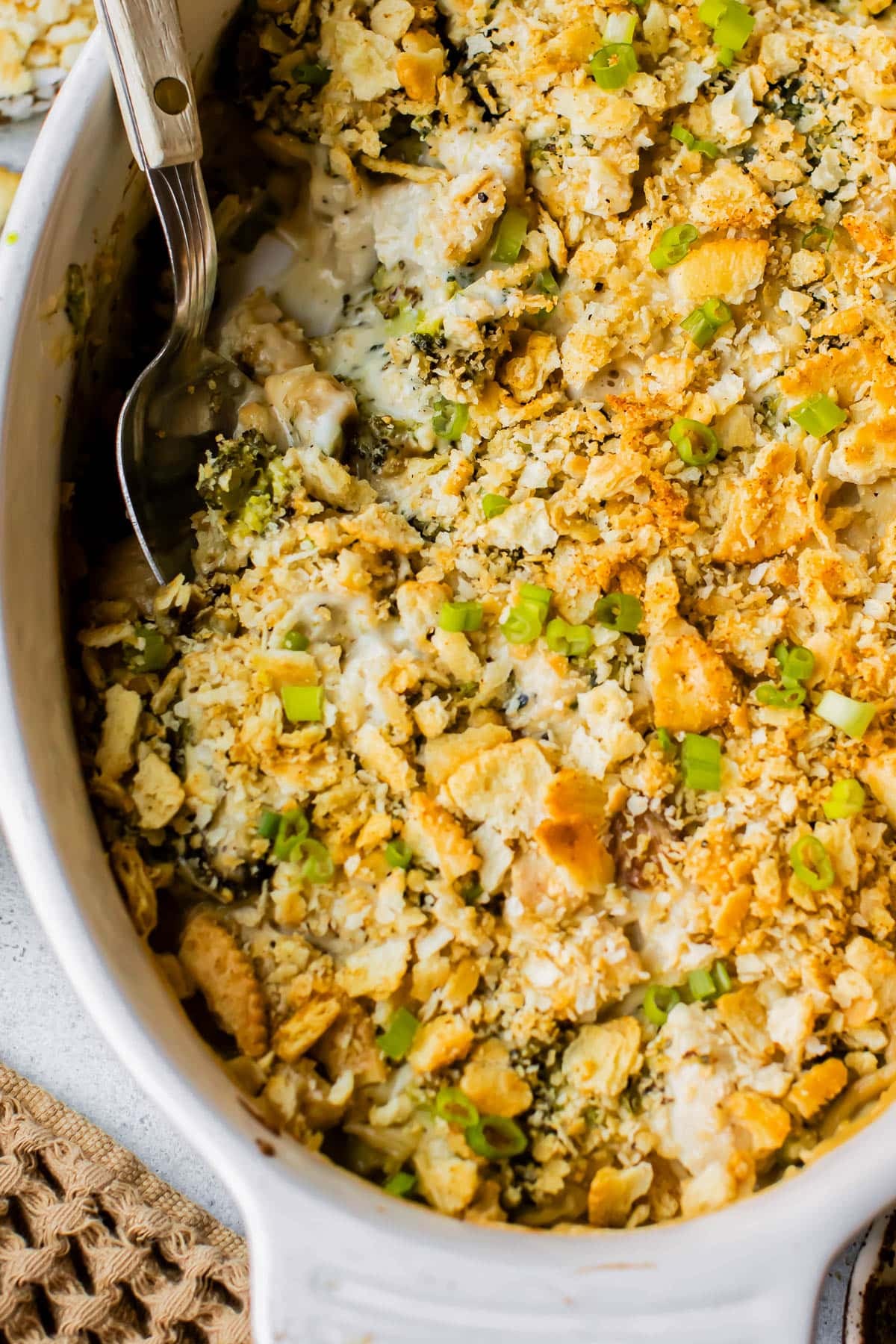
For those who find themselves with a surplus of turkey and a need for culinary inspiration, this approach offers a reliable path forward. It encourages the use of existing resources while providing a template for experimentation. Whether it is adding different herbs, incorporating extra vegetables, or adjusting the crunch of the topping, the dish invites personalization, ensuring that the post-Thanksgiving period is defined not by the monotony of leftovers, but by the opportunity for creative, nourishing cooking. By focusing on simple, whole-food ingredients like cottage cheese and roasted vegetables, this casserole succeeds in honoring the tradition of the holiday while gracefully transitioning into the routine of the everyday. As the season progresses, such recipes continue to provide a valuable service, helping to turn the abundance of one day into the balanced, comforting meals of the next.