
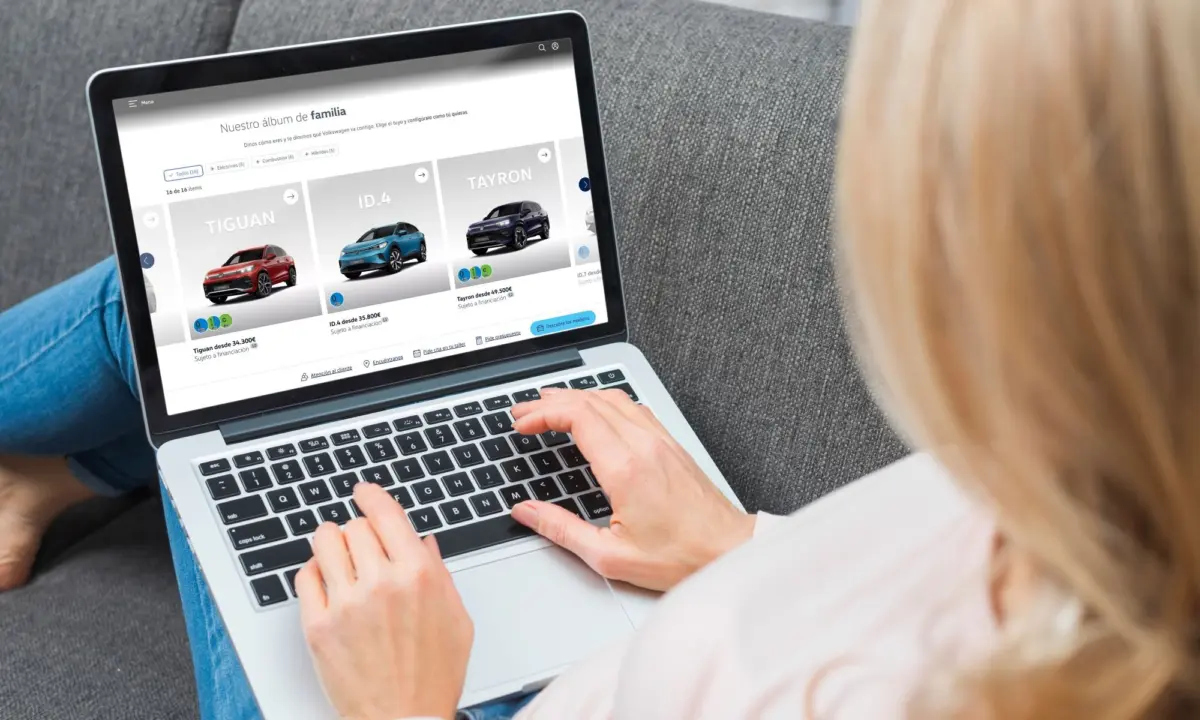
The undisputed king of America’s big-box automotive retail space is facing a formidable and vocal challenge to its long-held throne. According to a report published Sunday, Nov. 15, by The Wall Street Journal, the intense commercial rivalry between traditional giant CarMax and its disruptive digital challenger Carvana has intensified, casting a bright spotlight on a fundamental question facing the American automotive sector: How do modern consumers actually want to buy a car?
The friction between the two used-vehicle titans came to a head last month when Carvana Chief Executive Officer Ernie Garcia III made a pointed remark during an earnings call with investors and analysts. Garcia declared that his digital-first platform is actively "knocking on the door" of overtaking its brick-and-mortar rival to become the single largest used-car retailer in the United States. It was a bold statement that underscored the rapid ascent of a company that built its brand on bringing the entire car-buying journey out of traditional showrooms and straight onto smartphone screens and personal computers.
When asked about the challenge during an interview with The Wall Street Journal, CarMax CEO Keith Barr maintained a calm, measured demeanor, effectively shrugging off the aggressive comparison. Barr asserted that the competitive landscape of the used-car market is not a zero-sum game where there will ultimately be "one winner and one loser." Instead, the CarMax leader expressed absolute confidence in his company’s enduring market position and strategic trajectory.
"We’re going to be one of the largest retailers in the United States in the used-car industry for years to come," Barr told the publication, emphasizing the strength and resilience of CarMax’
s established business model even as the broader retail environment undergoes rapid technological shifts.
At its core, this high-stakes corporate rivalry represents a much larger, ongoing debate over the future of automotive sales in the United States. Industry watchers and market analysts have spent years trying to predict consumer behavior patterns. Will smartphone apps and fully digitized checkout processes become the absolute chief way people purchase vehicles? Or do everyday car buyers still prefer the traditional brick-and-mortar experience, requiring a physical visit to a dealership to kick the tires, inspect the interior, and take a vehicle out for a test drive before committing tens of thousands of dollars of their hard-earned money?
CarMax is currently banking on a hybrid vision of the future, according to the report. The company operates roughly 260 physical dealerships spanning most of the United States, providing a massive physical footprint for consumers who want to see and touch vehicles in person, alongside an increasingly robust suite of online-only sales options. This dual approach is designed to capture both traditional shoppers and digital natives.
However, CarMax is simultaneously in the midst of an extensive internal turnaround effort, a strategic pivot that closely mirrors the digital-first playbook pioneered by Carvana. Carvana’s core innovation allows customers to find a vehicle, secure financing, and schedule a doorstep delivery entirely online without ever stepping foot inside a physical store.
Jeff Lick, an experienced equity research analyst at investment bank Stephens, noted that CarMax CEO Keith Barr is making a smart, pragmatic move by learning from and adopting elements of his rival’s successful digital infrastructure. Great business leaders, Lick suggested, set their egos aside when evaluating effective market strategies.
"Great leaders have no ego when it comes to good ideas," Lick observed. "If your competitor is doing something new or unique or better than you, then just copy them."
This fierce battle for market supremacy is taking place against a complex economic backdrop characterized by shifting vehicle prices and changing consumer financial health. Across the country, more drivers are actively opting for used cars rather than brand-new vehicles. This shift has been heavily accelerated by macroeconomic pressures that have driven the average cost of a brand-new car up to approximately $50,000, placing new vehicle ownership out of reach for many middle-class households.
At the same time, the used-car market is experiencing its own price adjustments. A forecast released last month by automotive data and research firm Cox Automotive indicated that used-car prices are poised to dip, potentially offering some financial relief to budget-conscious consumers navigating an expensive retail landscape.
Yet, despite the relative affordability of pre-owned vehicles compared to brand-new models, broader economic pressures continue to weigh heavily on American households. Recent research from PYMNTS Intelligence highlights a widespread hesitancy among consumers when it comes to making major financial commitments and discretionary purchases.
The PYMNTS Intelligence report titled "Keeping Up Gets Harder: Debt Confidence Falls Among Bill Payers," published last month, revealed that 20% of consumers had intentionally delayed a major purchase within the previous 90 days. Furthermore, 11.1% of surveyed consumers reported that they had outright canceled a major purchase altogether. These figures represent a notable increase from previous months, up from 18.3% and 9.6% respectively in August, signaling a tightening of consumer pocketbooks.
When examining the underlying motivations driving this cautious consumer behavior, financial pressures and macroeconomic uncertainty emerge as the primary culprits. Among the consumers who chose to trade down to lower-cost alternatives, delay their buying timelines, or cancel major purchases completely, 34.9% explicitly cited high prices as their main reason. That proportion is roughly twice the 17.6% of respondents who stated they were simply waiting for a better deal or better timing, according to data published by PYMNTS.
As CarMax and Carvana continue their high-profile clash for supremacy in the pre-owned automotive sector, both companies must navigate these shifting consumer sentiment trends and economic headwinds. Whether the future of car shopping belongs to the smartphone app, the massive retail lot, or a seamless combination of both, the outcome will depend heavily on how well these automotive giants adapt to the evolving financial realities and preferences of American drivers.