
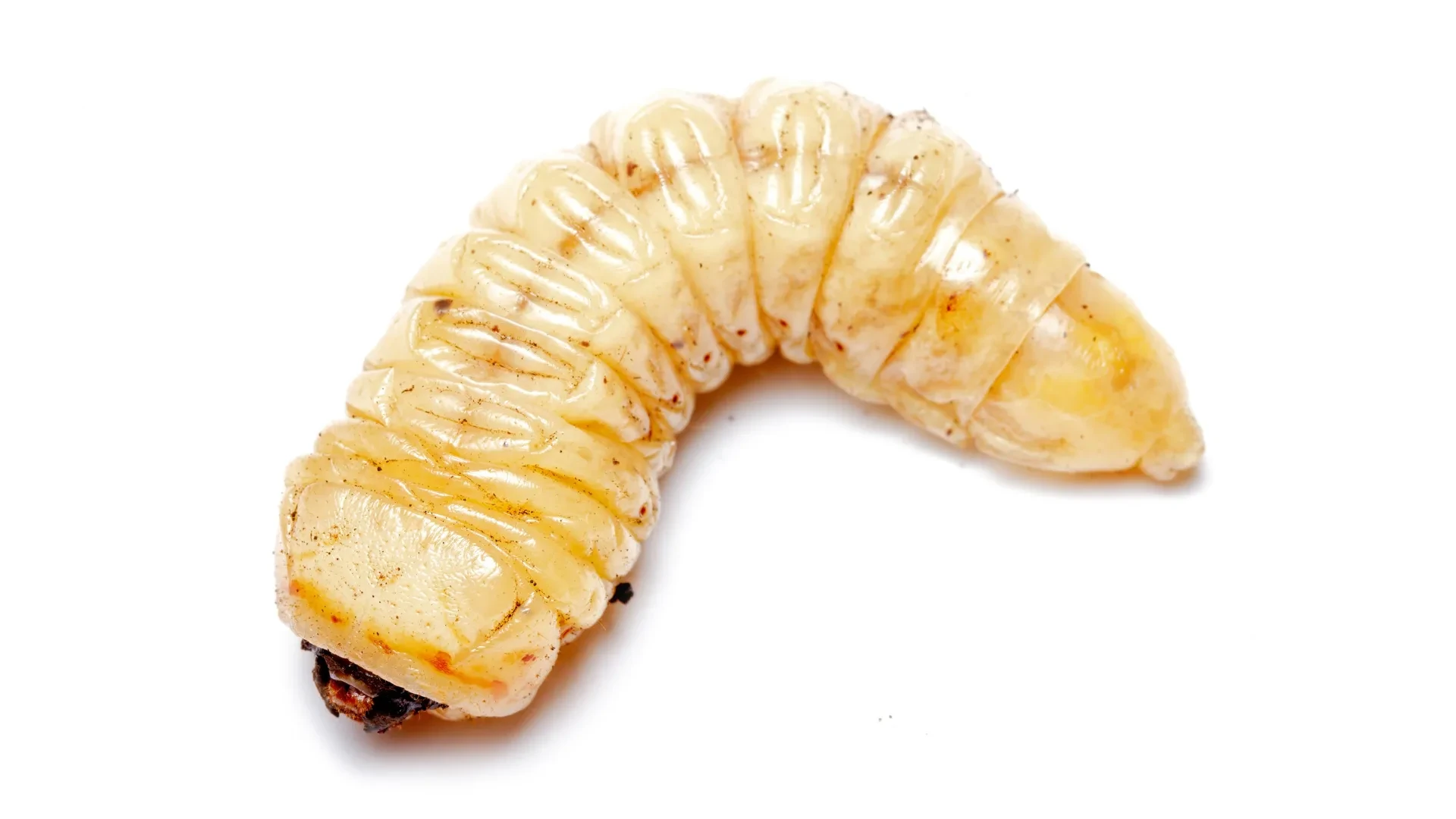
North Carolina’s agricultural landscape is facing a newly identified and formidable challenge as state researchers pinpoint the exact culprit behind a destructive underground phenomenon that has quietly plagued local blueberry fields for more than a decade. The threat comes from the larvae of Prionus imbricornus, a species of longhorn beetle characterized by its remarkably long antennae. While the adult beetles themselves do not feed, their subterranean offspring pose a severe danger to commercial agriculture by feeding directly on the root systems of blueberry bushes, inflicting damage so severe that it can ultimately kill the plants and threaten the viability of entire crops.
The discovery marks a critical milestone for the state’s agricultural community. Until recently, the true identity of the beetle species responsible for the damage remained a persistent agricultural mystery, leaving farmers and researchers alike without a clear target for pest management. North Carolina now stands as the first state to formally document P. imbricornus expanding its host range to include commercially grown blueberry bushes, a development that underscores the evolving pressures facing modern agricultural production systems in the region.
A Team Effort Leads to a Breakthrough at NC State
The breakthrough is the result of intensive research conducted by a dedicated team at North Carolina State University, who set out to unravel a mystery that had confounded local growers since 2010. During that time, agricultural extension agents and farmers had frequently encountered unidentified Prionus larvae chewing through blueberry roots, but pinning down the exact species proved exceptionally difficult.
The primary obstacle lay beneath the soil surface. Because the larval stage of these wood-boring insects spends its entire life cycle underground near the roots of plants, they are naturally elusive and difficult to monitor. Furthermore, larvae belonging to different species within the longhorn beetle family often look strikingly similar to one another. This visual uniformity made traditional identification methods completely unreliable, leaving experts unable to distinguish between harmless or different wood-boring insects and the specific threat targeting the state’s valuable blueberry crops.
Kenneth Geisert, a graduate student in NC State’s College of Agriculture and Life Sciences and the lead author of the study, explained that this prolonged uncertainty severely hindered the development of effective pest control strategies. Without a precise identification, the agricultural community was forced to operate in the dark, risking management techniques that might not address the root of the problem.
"Before now, researchers often just assumed the species of Prionus on their commodities based on adult identification," Geisert noted, highlighting the complexities involved in field-level entomology. "If that guess was incorrect, it could mean using a treatment strategy that did not line up with the problem and incorrectly associating species and their hosts. For instance, while P. imbricornus attacks roots, another type of longhorn beetle might attack the trunk of a tree, or dead branches. Without knowing which species of beetle you’re dealing with and their ecology, incorrect management can cause adverse effects on non-target insects."
Uncovering the Mystery Through Fieldwork and DNA Analysis
To finally pierce the veil of uncertainty surrounding the subterranean pest, the NC State research team initiated comprehensive fieldwork across six commercial blueberry farms situated in key agricultural counties in southeastern North Carolina, specifically targeting Pender, Sampson, Bladen, and New Hanover counties.
The methodology combined traditional trapping techniques with advanced molecular biology. Scientists deployed black panel traps outfitted with sex pheromones—specialized chemical attractants designed to lure adult beetles out of the surrounding environment. Once the adult specimens were successfully captured and collected, the researchers turned to genetic barcoding, a sophisticated DNA identification technique that allows scientists to match unknown tissue samples with established genetic reference libraries.
Genetic barcoding operates by examining short, highly standardized sections of an organism’s DNA. By extracting genetic material from the mysterious larvae recovered from beneath the blueberry bushes and comparing those sequences with the DNA of the adult Prionus beetles caught in the field traps, the team was able to establish a definitive link. The laboratory results delivered a striking 98 to 99 percent genetic match with P. imbricornus, conclusively unmasking the longhorn beetle as the organism responsible for the subterranean root destruction.
A Growing Agricultural Challenge Lacking Approved Solutions
While identifying the specific pest represents an undeniable scientific victory and an essential first step toward crop protection, the discovery simultaneously highlights a sobering reality for North Carolina blueberry producers. The confirmation that P. imbricornus is actively infesting commercial berry fields brings both encouraging clarity and troubling news regarding available remedies.
Lorena Lopez, an assistant extension professor in NC State’s Department of Entomology and Plant Pathology and a co-author of the study, emphasized the dual nature of the findings. On one side of the equation lies the power of knowledge; on the other, the stark absence of regulatory tools currently available to combat the infestation in the field.
"On one hand, it’s very important that we know which species we’re dealing with," Lopez said, acknowledging the fundamental importance of accurate pest identification. "On the other, North Carolina was the first state to ever report Prionus infestation in blueberries, and there are no insecticides currently labeled against this pest in blueberries."
The absence of registered chemical controls means that growers currently lack standard, approved methods to treat their fields specifically for this subterranean threat. To bridge this critical gap in agricultural protection, Lopez has already initiated ongoing trials to test various insecticides, aiming to identify which specific chemical treatments can safely and effectively control the beetle populations without harming the surrounding ecosystem or the crop itself.
A major focus of these current research efforts is determining the optimal timing for insecticide applications. By closely aligning chemical treatments with the natural reproductive cycles of the beetles, researchers hope to intercept and disrupt larval development before the insects can burrow deep enough or consume enough root tissue to inflict catastrophic damage on the blueberry bushes.
If these experimental management strategies prove successful, they could soon provide farmers with a vital line of defense against an emerging, resilient pest that has managed to evade detection and formal management for well over a decade. The complete details of the research have been published in the Journal of Integrated Pest Management under the title "Prionus imbricornis (Coleoptera: Cerambycidae), an emerging pest in North Carolina blueberries." The study also benefited from the contributions of Gareth Powell, an assistant professor at NC State and director of the NCSU Insect Museum, who aided in the comprehensive investigation.