
Three years ago, Spilt Milk Studios found itself at a crossroads that would define the future of the company. The team was preparing for the launch of Trash Goblin, a cosy shop simulation game that they hoped would anchor the studio’s next chapter. However, the path to release was anything but smooth. The project had been rejected by no fewer than 74 different publishers. In a particularly harrowing moment, one potential partner even withdrew their support during the very meeting where the studio expected to sign a final publishing contract. Faced with the prospect of total failure, Spilt Milk Studios put its team on notice of redundancy and launched a desperate, last-ditch effort to save both the game and the studio’s legacy.
Today, looking back from the vantage point of 2026, that period of uncertainty feels like a distant memory. Trash Goblin not only successfully secured funding through a Kickstarter campaign but also transitioned through a successful Early Access period to a full release on Steam, Epic Games Store, Xbox, PlayStation, Nintendo Switch, and mobile platforms. The game has since been bolstered by a wide array of free and paid downloadable content. As Nicholas Lovell, Product and Strategy Director at Spilt Milk Studios, prepares to launch the crowdfunding campaign for the studio’s next project, Gobble Inn, he has taken the time to analyze the complex web of funding that brought Trash Goblin to life. His conclusion? The common industry practice of asking, "What is the budget for your game?" is an outdated concept that no longer aligns with the realities of modern independent game development.
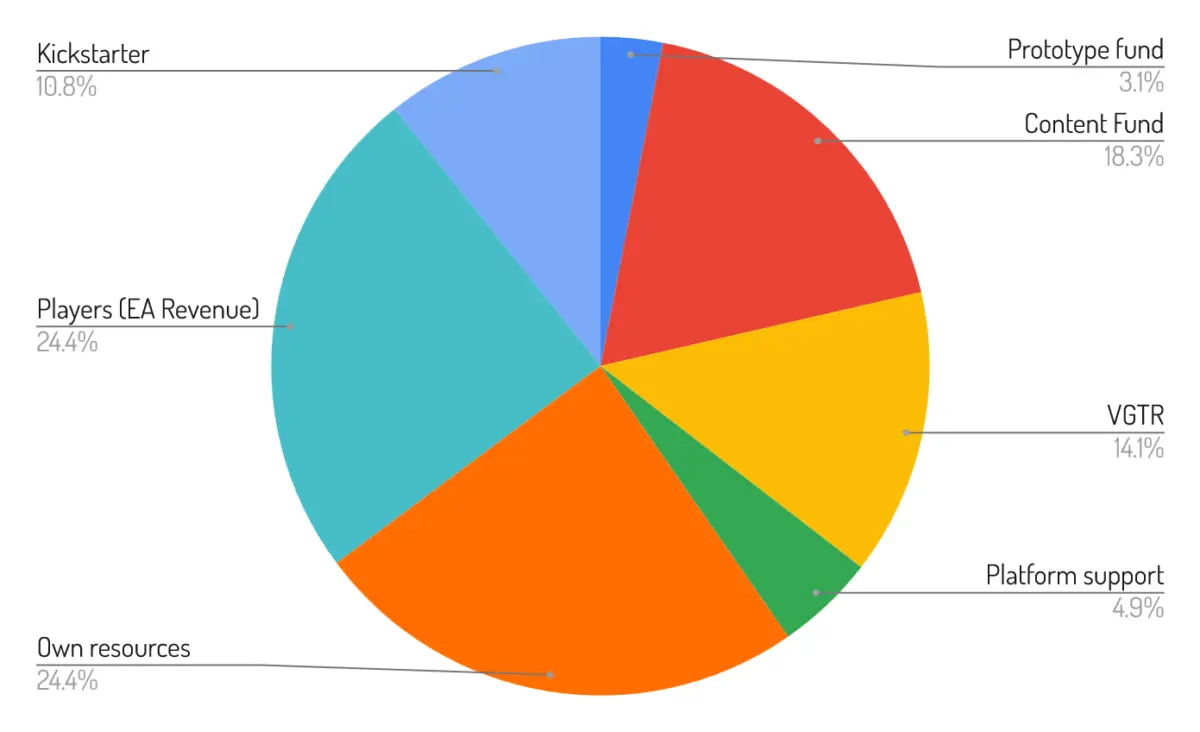
The data behind Trash Goblin’s journey offers a fascinating look at the shifting landscape of indie finance. Contrary to the narrative that crowdfunding is the primary engine of modern game development, Kickstarter funds accounted for only 10% of the game’s total budget. This revelation prompted Lovell to re-examine how a contemporary studio constructs a financial foundation.
The funding structure for Trash Goblin was a diverse tapestry of resources. Players, through a combination of the initial crowdfunding campaign and the revenue generated during the game’s Early Access phase, contributed more than one-third of the total development costs. This highlights a crucial evolution in the industry: players are not just consumers; they are active investors in the lifecycle of a title.
Government support played an equally significant role, providing approximately another third of the budget. Spilt Milk Studios tapped into various UK government initiatives, including the Prototype Fund and the Content Fund—competitive, merit-based processes that reward developers with a proven vision. Furthermore, the studio utilized Video Game Tax Relief (VGTR) and its successor, the Video Game Expenditure Credit (VGEC), financial tools that have become essential lifelines for the British development scene.
The remaining portions of the budget were comprised of the studio’s own internal resources—specifically company reserves and the margins generated from their work-for-hire development contracts—alongside strategic support from Microsoft for the Xbox platform release.
For many in the industry, the success of Trash Goblin is viewed primarily as a triumph of crowdfunding. Yet, when the numbers are stripped back, it becomes clear that Kickstarter was merely a starting point rather than a financial end-all. This distinction is vital for developers to understand in 2026. Kickstarter is not a replacement for traditional publisher funding; it is a marketing, community-building, and market-validation tool.
While publisher funding remains a common route, it comes with significant strings attached. Publishers typically provide the bulk of development capital in exchange for the majority of a game’s revenue until their investment is recouped. This model offers developers the luxury of focusing entirely on the creative process without the burden of financing, but it also carries inherent risks. As industry figures like Tim Bender of Hooded Horse have noted, the contractual nature of these agreements can sometimes jeopardize a studio’s autonomy or longevity if a publisher loses interest in a project.

Spilt Milk Studios has consciously chosen a different path, one that prioritizes creative control and financial agility. This strategy is now being applied to their upcoming title, Gobble Inn, a cosy rogue-like that the team describes as being in the vein of Dave the Diver. When asked about the budget for this new project, the studio’s answer is intentionally fluid: the budget depends entirely on the stage of development and the level of market interest.
The development plan for Gobble Inn is iterative and milestone-driven. The initial prototype was born out of a three-day game jam during the previous Christmas season, which allowed the team to prove the gameplay loop and ensure the concept resonated with them. Rather than relying on a static PowerPoint presentation to secure funding, the studio is focusing on polishing a playable demo.
In the current market, the era of securing major funding based solely on a studio’s past track record or a slide deck is largely over. The team plans to use the upcoming Kickstarter campaign to demonstrate tangible customer demand. If the crowdfunding succeeds, it will provide the confidence to commit to an Early Access release. From there, the studio remains pragmatic: if demand during Early Access is weak, they will honor their promises to existing players while scaling back future development plans. Conversely, if demand mirrors the success of Trash Goblin, they will proceed with a full, multi-platform 1.0 release, complete with localization and post-launch support.
This approach means the budget for Gobble Inn could fluctuate between £250,000 and £2.5 million. By keeping the budget flexible, the studio can adjust its scale based on how the game performs in the real world. For a team of ten core members, supported by a network of specialized freelancers in audio design, marketing, and merchandising, this agility is the key to survival.

Spilt Milk Studios’ overarching mission is to create cosy, wholesome games with a distinct creative twist. To achieve this, they have decided that maintaining their independence is non-negotiable. They aim to avoid scenarios where a decision-maker in a corporate office could unilaterally decide to deprioritize their project. By assembling a diverse portfolio of funding sources—including government grants, player investment, and self-funded reserves—and maintaining a flexible commitment to milestones, the studio ensures that it remains the master of its own destiny.
While the industry continues to see the emergence of new investment funds and traditional publishing deals, Spilt Milk Studios has staked its future on a model of adaptability. By treating each phase of development as an opportunity to reassess the market and commit capital accordingly, they hope to navigate the inherent volatility of the indie sector. As the crowdfunding campaign for Gobble Inn moves forward, it stands as a testament to this philosophy: success in the modern era is not about securing a massive, rigid budget at the start, but about building a sustainable, resilient, and responsive development process that can survive the highs and lows of the game industry.