
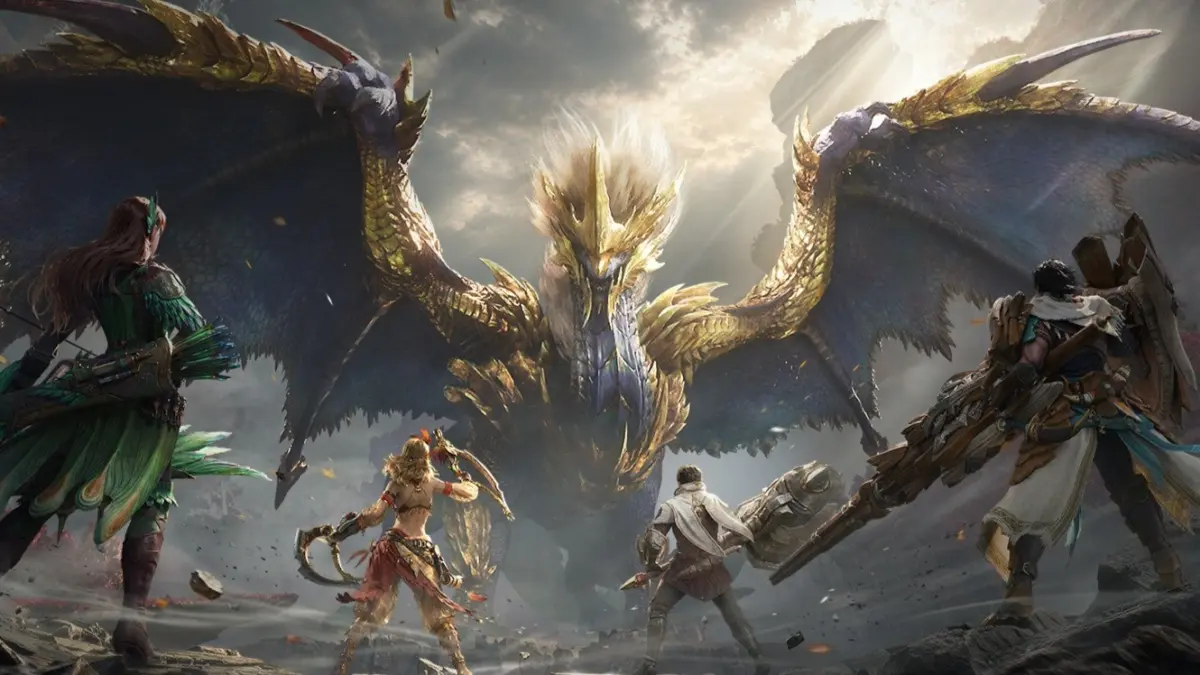
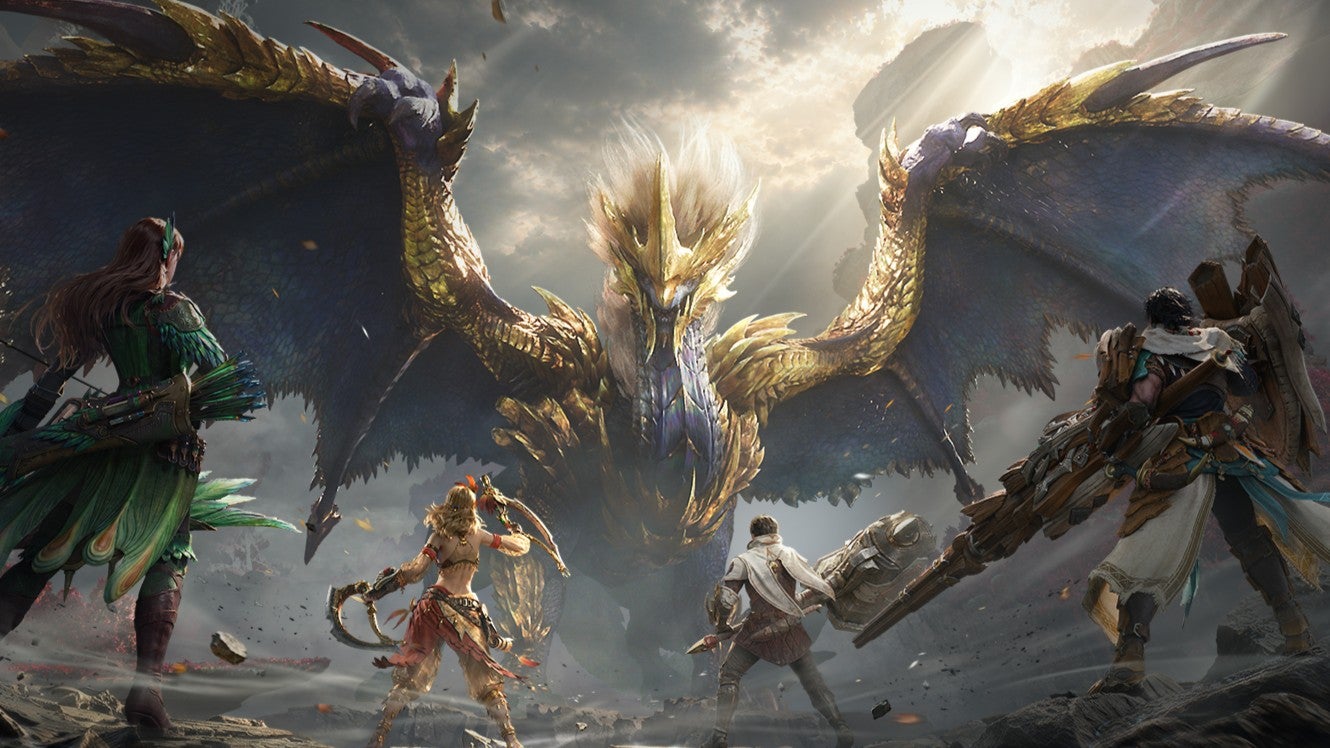
Today marks a significant milestone for one of gaming’s most celebrated franchises. Monster Hunter Outlanders, the latest mobile entry in Capcom’s long-running series, has officially launched, representing a major push to bring the deep, tactical, and visceral hunting experience to handheld devices. Developed by Tencent’s TiMi Studio Group, the title arrives with the ambitious goal of distilling the "full-fat" Monster Hunter experience into a format optimized for the constraints and opportunities of mobile hardware.
The arrival of Monster Hunter Outlanders is a notable event in a mobile market that has increasingly become a battleground for high-profile console intellectual property. While fans have previously experienced the series on mobile via Niantic’s Monster Hunter Now—an augmented reality title that draws clear inspiration from the design philosophy of Pokémon Go—TiMi’s approach takes a different trajectory. Outlanders is designed to offer a traditional, session-based action experience, mirroring the core gameplay loops of the main console and PC entries. This launch also coincides with a broader push for the franchise on mobile, highlighted by the recent surprise arrival of Monster Hunter Rise on Android and iOS via Netflix, signaling Capcom’s aggressive multi-pronged strategy for the brand.
To better understand the complexities involved in this transition, GamesIndustry.biz spoke with Bryan Li, the development director for Monster Hunter Outlanders. Li, who spearheaded the project, provided insight into the intricate collaboration between TiMi Studio Group and Capcom, the technical hurdles of re-engineering the series for touchscreens, and the philosophy driving the game’s long-term monetization.
Balancing Authenticity with Mobile Accessibility
When asked about the initial challenges of translating a franchise as complex as Monster Hunter to mobile, Li emphasized the delicate balance between fidelity and accessibility. The team’s primary concern was ensuring that the "visceral" feeling of the hunt—the weight of the weapons, the impact of the strikes, and the behavior of the monsters—remained intact, while simultaneously making the game feel native to a mobile device.
"At the very beginning of the project, the team spent a lot of time identifying what could be the sweet balance between maintaining a very truthful and authentic Monster Hunter experience, and yet at the same time make sure it feels very visceral and very native to mobile devices," Li explained.
The team’s passion for the source material proved to be a significant asset. Li noted that a large portion of the development team is comprised of long-term, loyal fans of the franchise. This deep familiarity allowed the developers to preserve the "symbolic elements" of the series, such as iconic monsters, weapon types, and the tactile feedback that defines the Monster Hunter experience. However, simply replicating the existing formula was deemed insufficient for a successful mobile launch.
The most critical area of refinement was the control scheme. Recognizing the limitations of touch-based inputs compared to traditional controllers, the team developed two distinct solutions. The "Classic Mode" is tailored for experienced mobile action gamers who prefer more granular control over their hunter, while the "Adventure Mode" offers a simplified interface designed to lower the barrier to entry for newcomers or players less accustomed to the complexities of the franchise.
Beyond controls, TiMi sought to add original value to the experience, which is why the game features an entirely new main storyline. Li also highlighted the studio’s efforts to enhance the world-touring aspect of the game. Instead of simply creating vast maps, the team focused on "populating" the environment with rewarding activities. Level designers spent countless hours fine-tuning "golden paths" to guide players through major objectives, ensuring that exploration feels organic and consistently rewarding. The addition of traversal gadgets, such as zip lines and ballistas, serves to further enrich the navigation experience, compensating for the absence of a traditional riding system.
Iteration, Playtesting, and Learning from the Ecosystem
Adapting a title designed for long, immersive sessions on console or PC to the shorter, more fragmented playtimes typical of mobile gaming presented a unique challenge. Li admitted that finding the "sweet spot" for session length was a process of trial and error. The development team relied heavily on iterative testing, proposing various design hypotheses and validating them through multiple rounds of both internal and live public playtests.
"We are good at proposing different kinds of hypotheses, but we might not be able to hit the spot on the first try," Li said. "That’s why we always, always conduct several rounds of playtest sessions and live test sessions. We invite the players to evaluate our hypothesis together with us."
Regarding the existence of other mobile titles in the Capcom ecosystem, such as Niantic’s Monster Hunter Now, Li noted that while there is no direct collaboration with Niantic, the shared umbrella of the Capcom brand facilitates a high-level exchange of institutional knowledge. The teams share insights regarding what players expect from the franchise on mobile and, perhaps more importantly, what they dislike. By exchanging these "best practices" with their counterparts at Capcom, TiMi has been able to refine its approach to the game’s long-term health and community engagement.
A Collaborative Partnership with Capcom
The relationship between TiMi and Capcom is one of mutual respect and strategic alignment. While Capcom possesses the deep, franchise-defining knowledge of the IP, TiMi brings extensive experience in developing and operating long-term, free-to-play live service games. This synergy allows for a collaborative process where ideas are exchanged, debated, and refined.

"On Capcom’s side, they know the franchise in and out, and we are lucky to have the opportunity to learn from them how you define your core combat mechanism, and how to make a believable creature for the Monster Hunter universe," Li explained. "On Tencent’s side, we have a relatively richer experience of long-term free-to-play live service items, so we share with our counterparts not only what we are doing and the planning for the initial release, but also our approach in terms of the longer-term post-launch roadmap."
This dynamic was instrumental in building the trust required to hand over a "crown jewel" of the gaming industry. According to Li, the partnership began with a small team from TiMi pitching their vision directly to Capcom, a move that resonated with the publisher’s desire to innovate within its ecosystem. The relationship is not one of unilateral direction, but rather a professional, ongoing dialogue where TiMi proposes innovations that are then vetted by Capcom to ensure they align with the franchise’s core identity.
Monetization and the Player Experience
As a free-to-play title, Monster Hunter Outlanders faces the challenge of implementing a monetization system that respects the player’s time and investment. Li was explicit in his commitment to keeping the core game loop accessible without pay-to-win mechanics. Players can experience the entire storyline, all primary game modules, and every key functional system without spending money.
The monetization strategy is concentrated into three specific pillars. First, there is the acquisition of new "adventures," which Li clarified are intended to provide variety in hunting styles rather than providing an objective power advantage. Second, the game offers a wide range of customization and vanity items, allowing players to express themselves without affecting gameplay balance. Finally, the third category revolves around convenience and time-saving features, intended to give players flexibility in how they choose to engage with the game’s progression systems.
With the game now available to the public, the team at TiMi is looking toward the future, continuing to monitor player feedback and iterate on the experience. For the developers who grew up as fans of the series, the launch of Monster Hunter Outlanders represents the culmination of years of hard work, collaboration, and a shared desire to see one of gaming’s greatest universes thrive on a new platform.