
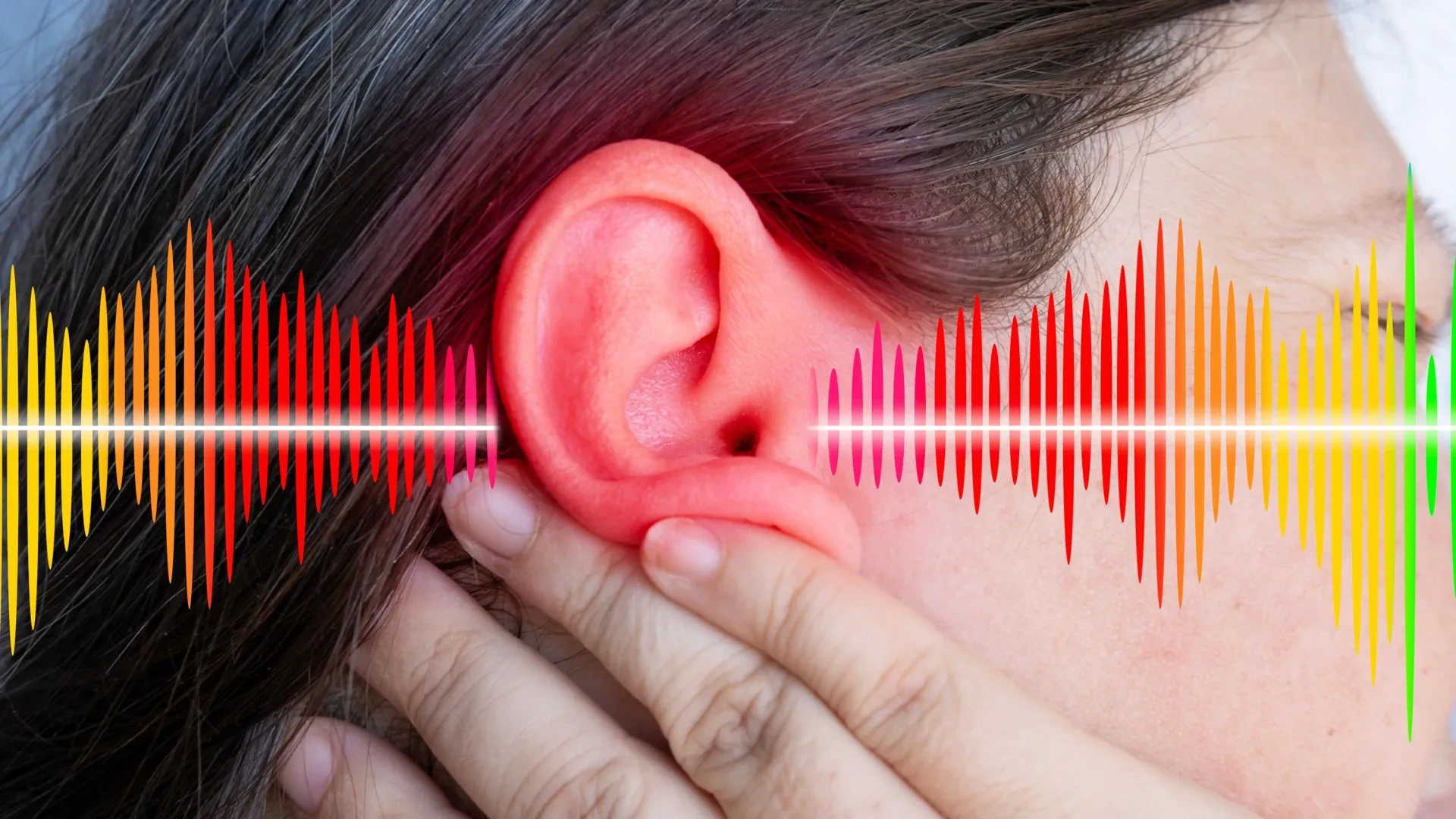
A small, wearable device that delivers gentle electrical pulses through the ear could eventually offer a novel approach to treating stubborn high blood pressure. In a clinical trial led by researchers at Queen Mary University of London, the experimental technology proved safe, exceptionally well-tolerated, and practical for patients to manage independently in their own homes.
Although the treatment did not yield a statistically significant reduction in blood pressure across all participants when compared to a placebo device, investigators observed encouraging and distinct results among patients who entered the study with more severe hypertension. These findings suggest that targeted stimulation of specific nerves in the outer ear could one day help certain individuals whose blood pressure remains stubbornly elevated despite adherence to multiple prescribed medications.
The results stem from the SCRATCH-HTN trial, which has been published in Hypertension, a peer-reviewed journal of the American Heart Association. While the data marks an intriguing step forward in medical device research, the study’s authors emphasize that larger, more comprehensive clinical trials are urgently needed to definitively determine whether the approach can provide clinically meaningful benefits and to pinpoint precisely which patient demographics are most likely to respond to the therapy.
How Ear Nerve Stimulation Could Lower Blood Pressure
The experimental therapy utilizes a specialized technique known as transcutaneous autonomic neuromodulation, commonly referred to as tAN. This emerging approach is designed to influence the autonomic nervous system, the complex network of nerves that involuntarily and automatically regulates essential bodily functions, including heart rate, digestive processes, and vascular tone.
By delivering mild, precisely calibrated electrical signals to superficial nerves located within the ear, researchers hope to gently modulate the body’s natural mechanisms for regulating blood pressure. Because the signals are delivered externally, the method avoids the need for invasive surgical procedures or complex clinical interventions.
The handheld delivery system used in the trial was developed by Afferent Medical Solutions. It features two small, unobtrusive clips that are positioned directly on the tragus—the small, prominent flap of cartilage located immediately in front of the ear canal. These clips transmit gentle electrical stimulation safely through the skin, enabling patients to administer the therapy themselves in a home setting without the burden of frequent clinic visits.
Clinical Trial Tests the Device in 63 Patients
The clinical trial, which received funding from the National Institute for Health and Care Research (NIHR), enrolled a cohort of 63 individuals diagnosed with uncontrolled hypertension. Crucially, every participant included in the study was already taking at least one conventional medication intended to lower their blood pressure, yet their clinical readings consistently remained well above recommended medical targets.
To rigorously evaluate the technology, researchers randomly assigned the participants into two distinct study groups. One group received active electrical nerve stimulation, while the second group used a sham, or placebo, device that looked and functioned identically on the surface but delivered no actual electrical current. This rigorous double-blind, randomized design allowed investigators to carefully assess whether the physical electrical stimulation produced therapeutic benefits that went beyond any psychological or physiological placebo effects associated with the device’s use.
Following the initial allocation, participants were instructed to use their assigned devices for 30 minutes every day during the first two weeks of the study period. For the subsequent 10 weeks, the regimen was reduced to a maintenance schedule of once per week.
The trial data demonstrated that the treatment was remarkably safe and generally comfortable for the participants. Furthermore, the vast majority of patients successfully adhered to the prescribed usage schedule, indicating that the technology is highly practical and manageable for regular, long-term home use.
However, when the researchers analyzed the primary endpoint by comparing overall blood pressure changes across the entire study population, they found no statistically significant difference between the patients who received active electrical stimulation and those who used the sham device.
Promising Results in Patients With Severe Hypertension
Despite the absence of an overall statistically significant benefit across the entire unselected group, a closer look at the data revealed a potentially important trend among participants who began the trial with more elevated, severe hypertension.
A prespecified subgroup analysis—meaning the research team had formally planned this specific comparison before examining the trial results—revealed a notably greater reduction in blood pressure among these specific patients when they received active nerve stimulation compared to the sham treatment.
This specific finding raises the possibility that the non-invasive technique may be particularly effective for individuals whose blood pressure is exceptionally difficult to control using standard pharmaceutical approaches. Nevertheless, because the trial was relatively small in scale, the subgroup results must be interpreted with caution and require confirmation in larger, dedicated clinical trials before definitive conclusions can be established regarding its real-world efficacy.
Dr. Ajay Gupta, Chief Investigator, Clinical Reader at Queen Mary University of London, and Consultant Physician at Barts Health NHS Trust, commented on the implications of the study:
"This is an exciting, highly patient-acceptable technology that could ultimately provide a cheap, scalable solution for millions. Although the trial did not achieve significance across the broad unselected group, those with more severe hypertension exhibited a clear blood pressure reduction in the active group compared to sham."
Dr. Gupta added, "As the first and most thorough study of its kind, this points towards important new research directions that could help us understand whether non-invasive neuromodulation can benefit particular groups of patients with uncontrolled hypertension."
A Potential New Option for Hard-to-Control Blood Pressure
High blood pressure, clinically diagnosed as hypertension, remains a leading and pervasive contributor to cardiovascular disease globally. It significantly increases the lifelong risk of experiencing severe medical emergencies such as heart attacks and strokes. Over time, persistently elevated pressure places continuous, damaging strain on delicate blood vessels and the heart muscle, potentially leading to irreversible organ damage.
While pharmaceutical medications successfully help millions of patients manage their condition, a substantial portion of the hypertensive population continues to struggle, maintaining blood pressure readings well above recommended clinical targets despite ongoing medical treatment. This persistent therapeutic challenge has driven scientists and medical researchers to explore innovative adjunctive approaches that can safely complement existing therapies.
Non-invasive ear nerve stimulation represents one such promising possibility. Because the hardware is compact, entirely free of surgical requirements, and easily operated at home by the patient, it could eventually offer a convenient and accessible option if subsequent research definitively establishes that it reliably lowers blood pressure in targeted patient populations.
For the medical community, these findings currently represent an important early exploratory step rather than definitive proof of a new standard treatment. The research team stresses that larger, well-powered clinical trials will be essential to validate the encouraging observations noted in patients with severe hypertension and to precisely identify which patient groups stand to benefit the most from this novel neuromodulation strategy.