
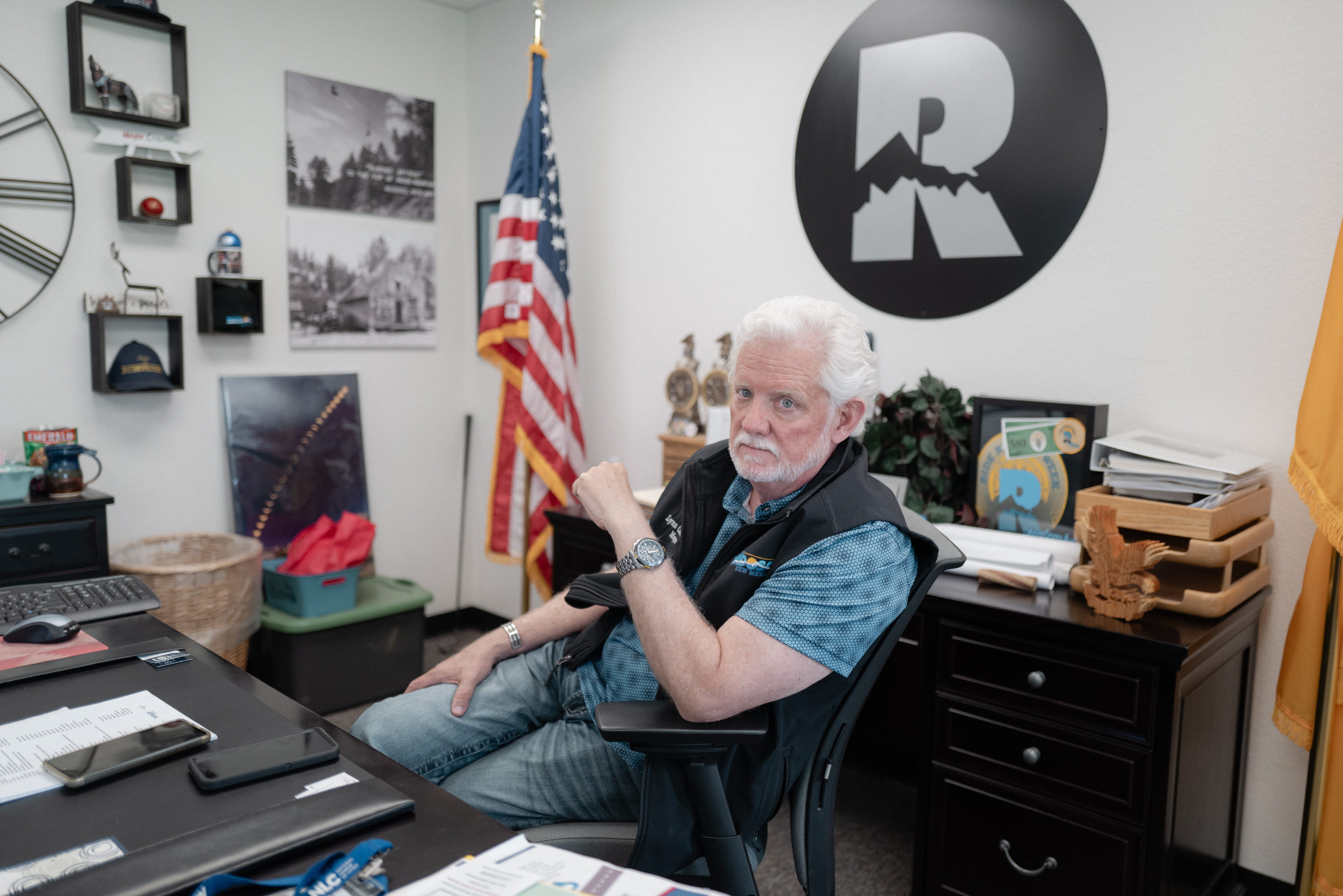
Peak tourist season had arrived in Ruidoso, New Mexico, and Village Mayor Lynn Crawford was campaigning hard to convince the public that the mountain community was safe. A Republican with white hair and a distinct Texas drawl, Crawford made no secret of his frustration with local residents who were sharing urgent warnings about potential flooding on social media.
"They spout stuff off," Crawford said during a radio address on June 30, 2025. "And I don’t know why they’re so afraid. I do not understand it."
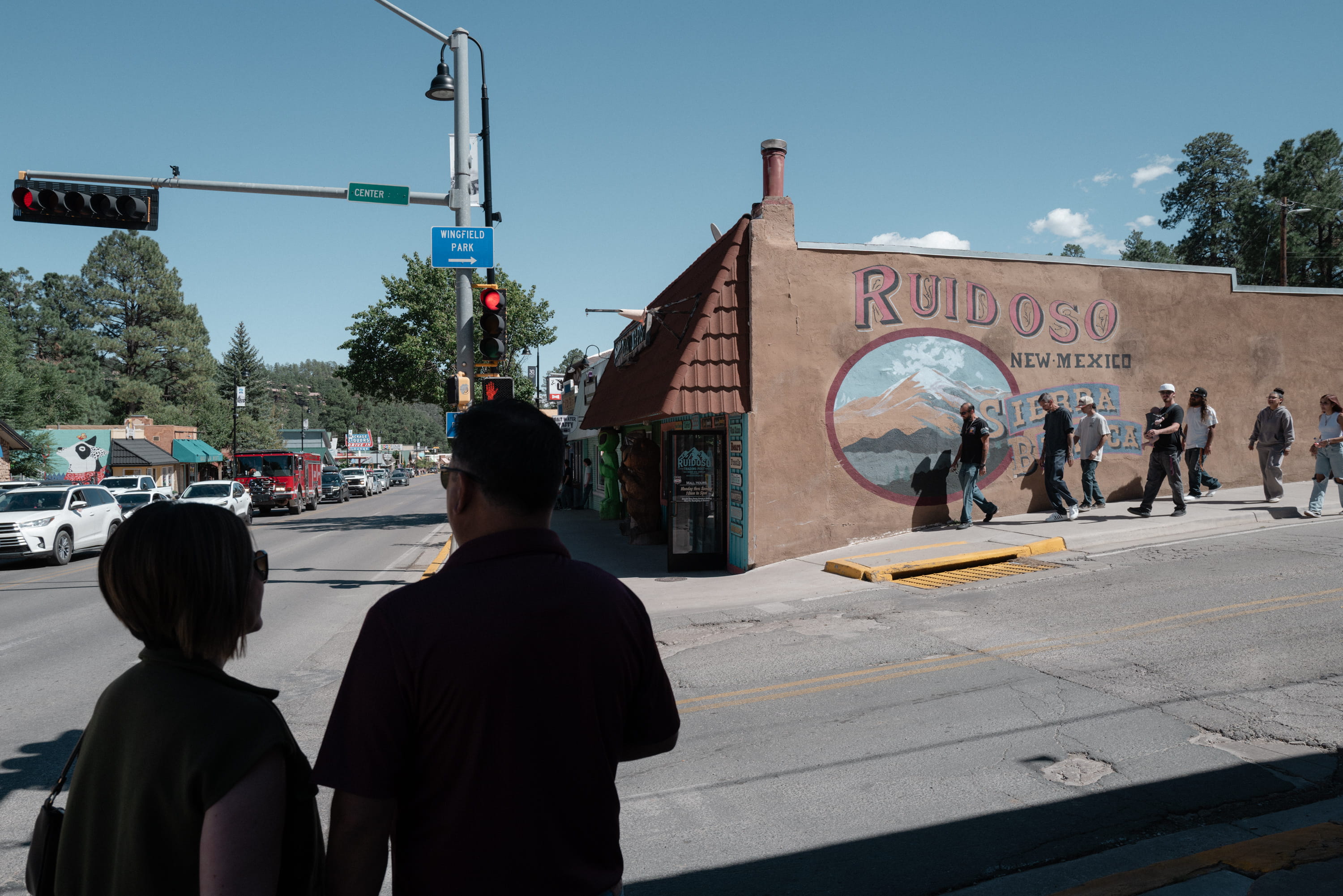
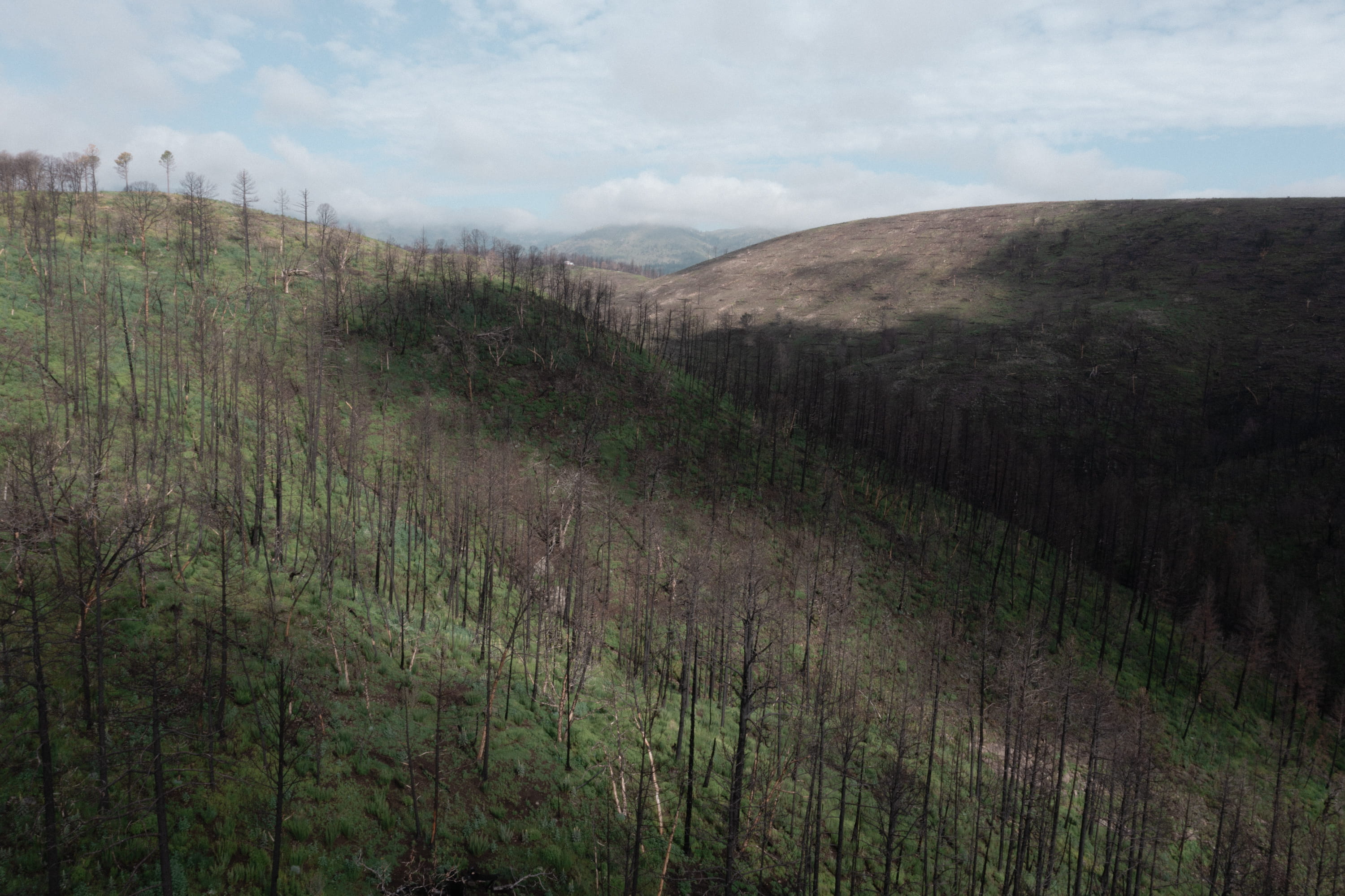
The community had experienced severe, devastating flooding the previous summer, following two major wildfires that burned 25,000 acres of forest above the town in the Sacramento Mountains. Combined, those fires and subsequent floods had destroyed roughly 1,000 homes. Together, the Village of Ruidoso and its smaller neighboring community, Ruidoso Downs, are home to a permanent population of some 10,000 residents, but that number more than doubles during the busy summer months when tourists arrive seeking cooler weather.
Since the previous year’s disasters, residents had remained perpetually on edge. A new monsoon season had just arrived, bringing sporadic, unpredictable flooding that threatened the town’s core economic engine: horse racing. At stake were large crowds eager to celebrate the Fourth of July, watch quarter horse racing, and enjoy the cool mountain air that had lured generations of visitors from Texas.
"We have flooding temporarily," Crawford told a Texas news anchor in a television interview. "And just almost as fast as it came to town, and went through town, it’s gone." Crawford, who is 64 years old, managed an exclusive club at the Ruidoso Downs Race Track & Casino, once referring to that role as his "real job." He made less than $26,000 annually serving as mayor.
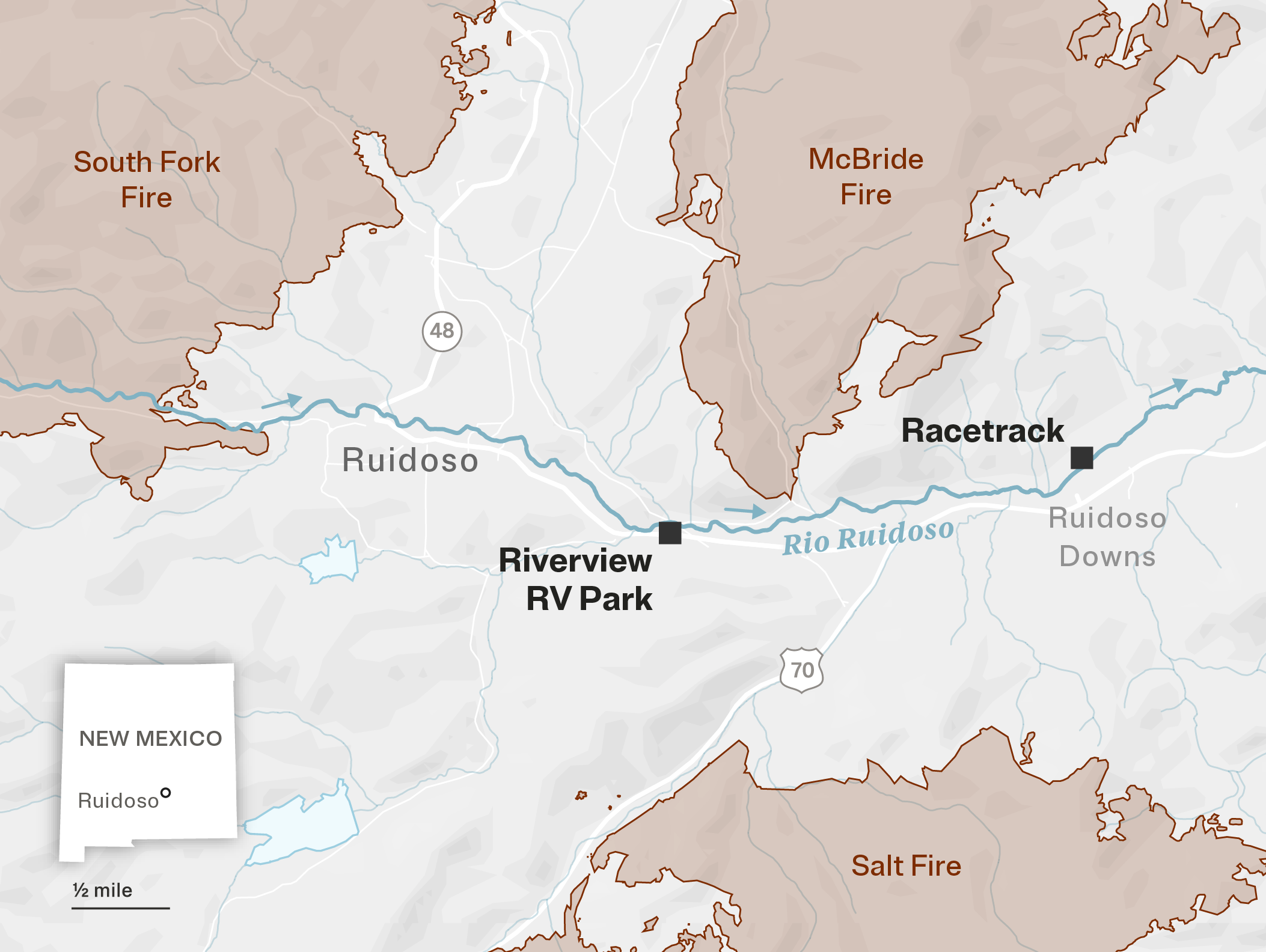
But if the town’s local economy was precarious, its geography was even more dangerous. The South Fork and Salt fires had severely charred the landscape, leaving behind hydrophobic soils that could no longer absorb water. Experts likened the phenomenon to spilling hot wax on a carpet, letting it cool, and then repeatedly pouring water over it. Placing that hardened wax layer on steep hills directly above a river lined with log homes, tourist shops selling wooden souvenirs, and an iconic racetrack created an extreme hazard.
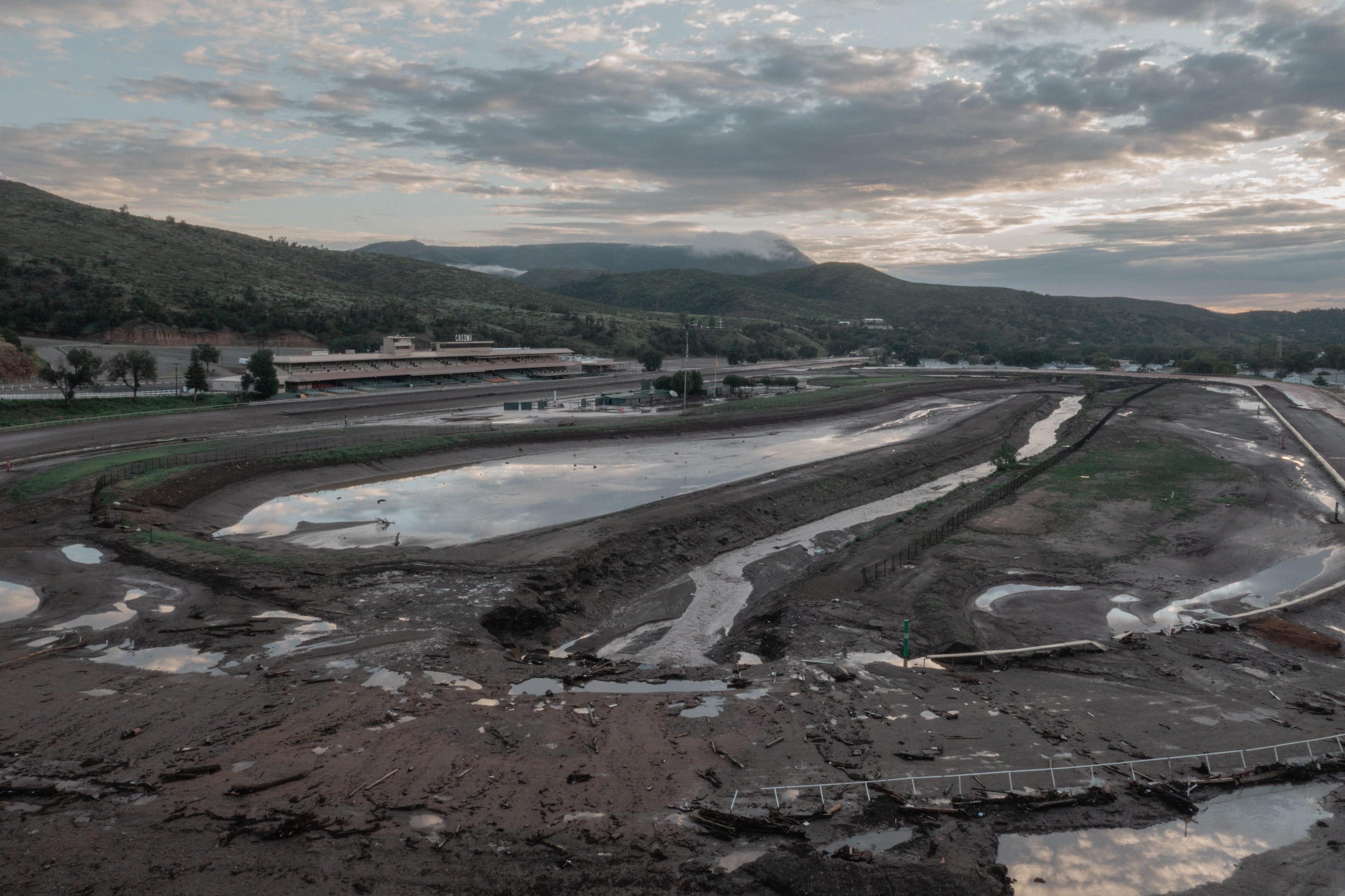
Local and state officials were fully aware of the threat, yet they clung to Ruidoso’s foundational premise: that nature could be subdued for the enjoyment of tourists and the financial profit of the community. Nowhere was this mindset more apparent than at the racetrack, where the Rio Ruidoso, channeled through concrete culverts, crossed the infield. After the 2024 flooding severely damaged the track, those culverts were rebuilt using a $16 million public investment authorized by New Mexico’s Democratic governor, Michelle Lujan Grisham.
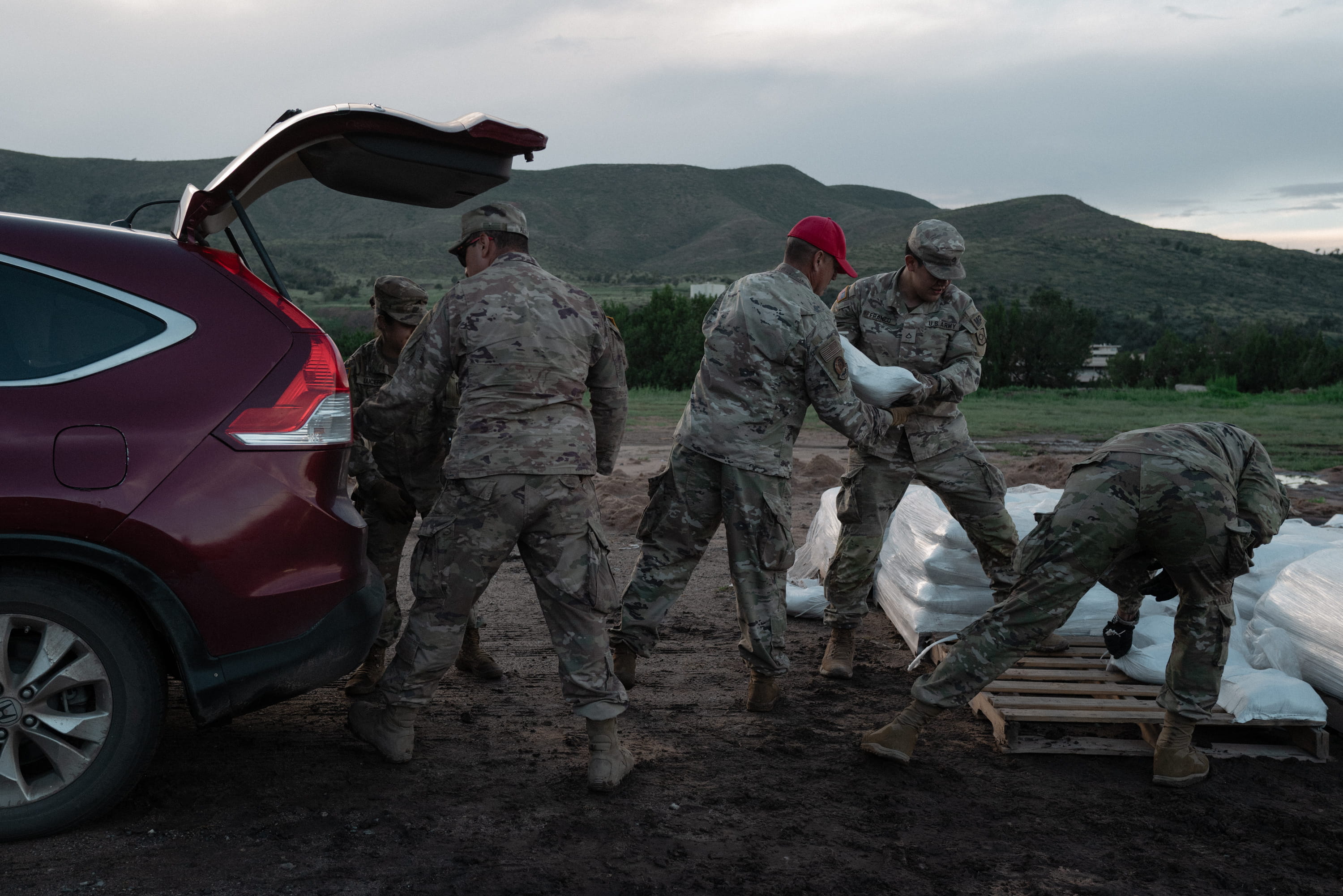
The track had only recently reopened, and incoming floodwaters were once again threatening to derail the racing season. According to internal municipal records, Ruidoso’s emergency management department operated at a heightened threat awareness level on June 26. Flooding had already destroyed a bridge upstream from the town, and weather forecasts called for more heavy rain.
Yet, publicly, village officials maintained that the community was entirely prepared and safe. The next day, the emergency manager reduced the threat level, and the village’s communications department publicly chastised residents for sharing warnings of catastrophic flooding on social media, noting that some posts featured outdated video footage. "Protect our community from fear-based falsehoods," the village implored in a published public service announcement.
On July 4, just one state over in central Texas, violent flooding killed more than 130 people. However, multiple tourists arriving in Ruidoso said they had no idea the mountain town was facing any danger. At the local racetrack, horses ran as scheduled, and Crawford hosted exclusive members at the Ruidoso Jockey Club, where private tables cost as much as six figures.
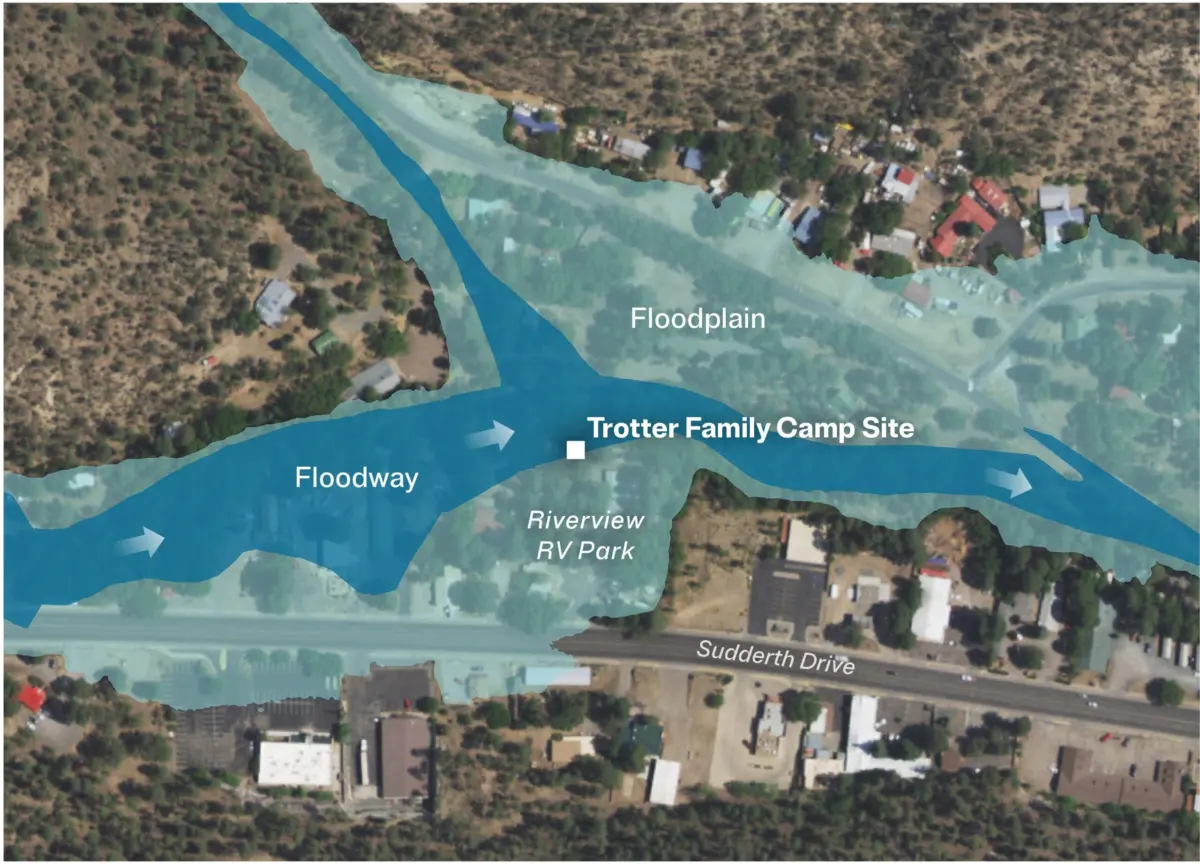
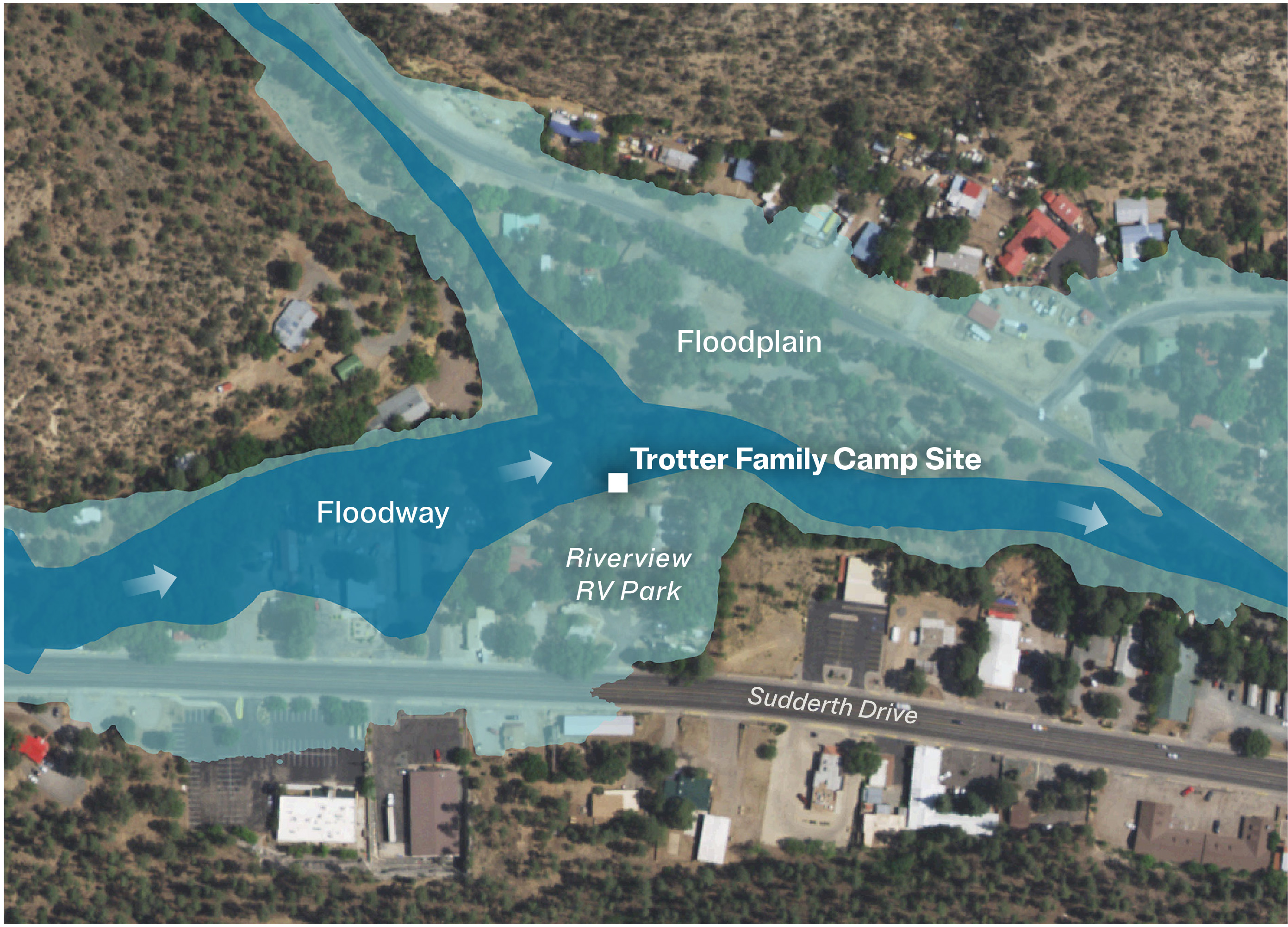
That weekend, Sebastian Trotter and his family traveled to Ruidoso from El Paso, Texas. Trotter was an Army helicopter pilot stationed at Fort Bliss, while his wife, Stephanie, studied nursing. Believing the destination was family-friendly and seeing no warnings online, they packed up their two children and three dogs. On Sunday, July 6, they parked their travel trailer in a prime spot on the water’s edge at the Riverview RV Park. Online photographs made the river appear gentle and shallow. "You could go put your toes in," Sebastian recalled.
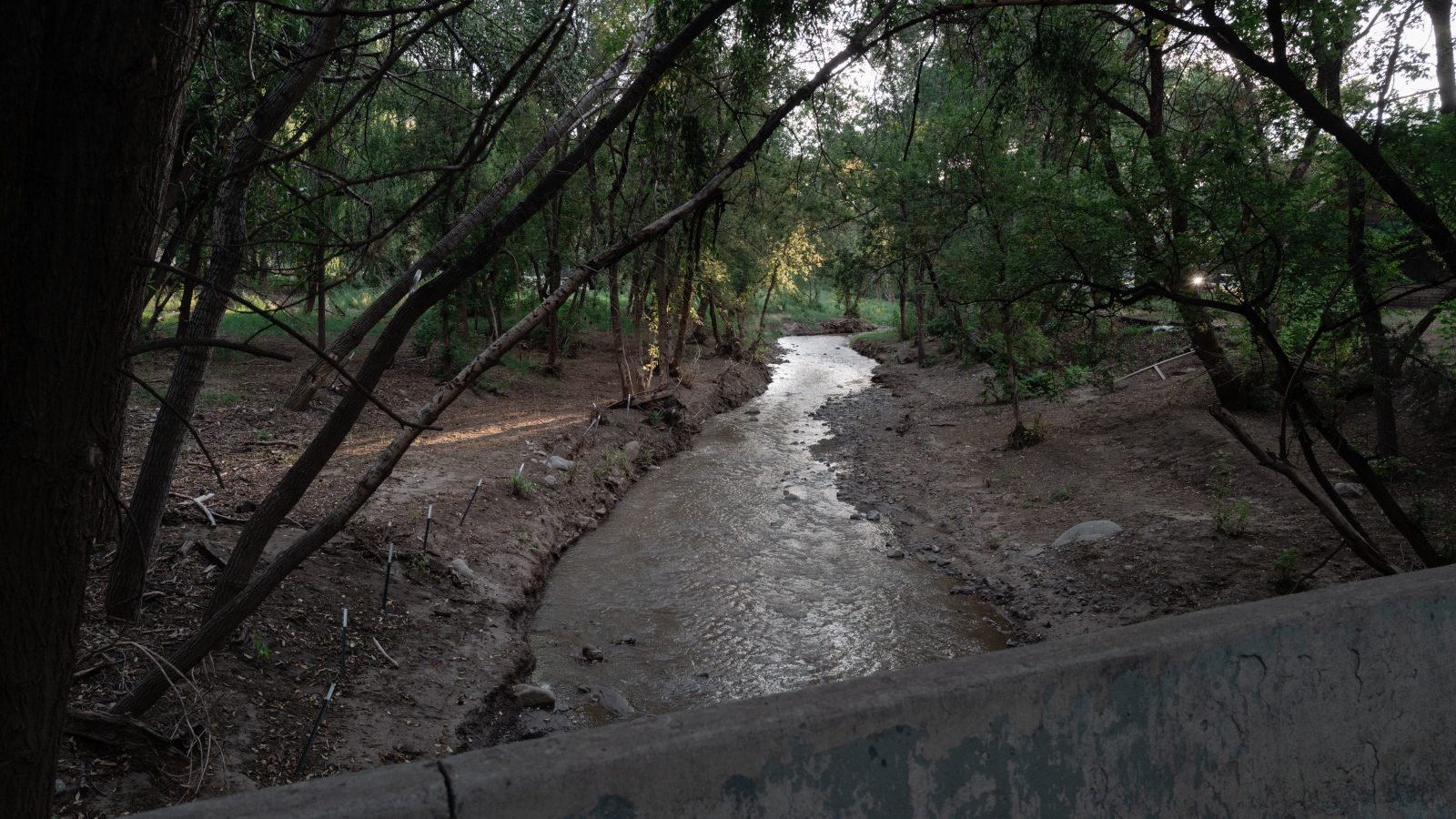
That afternoon, the Rio Ruidoso—whose name translates from Spanish as "noisy river"—briefly flooded, prompting firefighters to rescue at least four people. The Trotters watched the water rise, but the campground host assured them it was a routine occurrence. Shortly afterward, the river receded.
Within the campground, the Trotters’ children—7-year-old Sebastian Rowan and 4-year-old Charlotte—biked under the tall pines. The young boy was an avid soccer player enchanted by camping in the woods, while his bright and cheery sister occasionally applied glitter to her father’s mustache. Later, the family walked through the village, where elk and wild horses occasionally graze near tourists.
On Tuesday, July 8, the Trotters visited a nearby lake, where they watched storm clouds gather overhead. Deciding to head back into town, they ordered pizza and let the children pick out souvenirs. Young Sebastian selected a rainbow gemstone, while Charlotte chose a bracelet and a ring. They then returned to the RV park to relax by the river.
At 1 p.m., Mayor Crawford presided over a scheduled council meeting at Village Hall. He began by offering thoughts and prayers for the Texas flood victims and pointing to Ruidoso’s relative success. "We want to keep all of central Texas in our thoughts and prayers and see how bad it was and how fortunate we’ve been," he said. "The goal of the village is to protect the village." He explained that this meant balancing public safety with the vital tourism industry.
At almost that exact moment, storm clouds thickened over the mountains. Even short periods of moderate rain falling on severe burn scars can unleash catastrophic post-fire floods. By 1:30 p.m., weather radar indicated that storms might douse both burn scars simultaneously. Just before 2 p.m., local firefighters texted radar images to one another. "It could be interesting," one wrote. At the time, only about a third of the department was on duty, and Fire Chief Cade Hall had for weeks declined to position additional flood specialists near low-lying areas.
Chief Hall subsequently disputed ProPublica’s reporting regarding the emergency response but declined to provide specific comments.
Less than an hour later, a new flood arrived, carrying heavy debris that quickly backed up behind bridges. The water continued to rise, spilling onto roads until the normal riverbanks disappeared entirely. The sheer volume of brown water carrying massive debris signaled to residents that it was time to panic.
Jason Fulcher, an owner of the Riverview RV Park, spotted a log the size of a full-grown tree surging down the waterway. Two miles downstream, a maintenance worker at a mobile home park watched an empty car float past and wedge itself firmly against a bridge. Further downstream, racetrack executives required no physical signs of danger because they had already received direct alerts.
The Trotters, however, were completely caught unawares. Around 3 p.m., they retreated inside their trailer to escape the intensifying rain. Moments later, a wall of water tore through the structure, sweeping their children away.
The wildfire crisis across the American West presents a secondary, often overlooked threat: entire neighborhoods can wash away in post-fire debris flows and floods. Scientists have established a direct correlation between fire intensity and subsequent flood risk. Research shows that when more than 20 percent of the ground burns at moderate to high severity—particularly on steep slopes—the danger of debris flows and flash flooding during storms increases dramatically. The fires that burned above the Rio Ruidoso watershed far exceeded that threshold.
Before the 2025 tourist season, local and state officials had clear opportunities to safeguard Ruidoso and adapt to a warming climate that continually exacerbates wildfires and floods. Both the state and the village commissioned engineering experts to model various flooding scenarios, and those reports predicted severe disasters. "They told us exactly where it was going to come and what it was going to do," Fire Chief Hall acknowledged. Federal emergency officials even suggested that significant parts of the town should be relocated away from the river entirely.
Instead, leaders ranging from the mayor to the governor doubled down on promoting tourism and preserving the racetrack.
In the aftermath of the July 8, 2025, flood, officials insisted they performed admirably under historic circumstances. Michael Martinez, the village’s former deputy manager who helped direct the emergency response, stated, "We’re lucky we didn’t have a Texas."
However, five first responders—all speaking on the condition of anonymity out of fear of professional retaliation—asserted that the tragedy could have been avoided. Their accounts are supported by public records, including internal emails, municipal reports, and hydrologic assessments. Prior to July 8, Crawford, Hall, and other leaders made deliberate choices that left residents and tourists vulnerable, despite knowing that a damaging flood was highly probable.
Some of those decisions, such as aggressively promoting tourism to visitors who were completely unaware of the local geography and risks, appeared financially motivated. "Money was the driver," said Thora Walsh Padilla, former president of the Mescalero Apache Tribe, whose lands lie south and west of town. "You’re taking a chance with people who aren’t even from this area and don’t know how to get around enough. You’re putting them in jeopardy."
Other missteps involved sheer inaction: failing to relocate vulnerable residents and neglecting to replace infrastructure damaged during previous floods, even as the governor pushed a $16 million investment into the racetrack. Furthermore, just before the flood struck, at least one RV park owner received emergency weather alerts but failed to evacuate campers.
Village officials, including Mayor Crawford, did not respond to more than 70 questions from reporters regarding whether they prioritized racetrack tourism over public safety. In an interview the previous year, Crawford defended his position, asking, "Who’s to blame? I didn’t start the fire."
Kerry Gladden, the village’s public information officer, referred inquiries to an attorney who provided no response. Village officials maintained that their emergency department distributed text warnings prior to the flood via a subscription-based notification system.
A spokesperson for Governor Lujan Grisham asserted that state investments in the racetrack were necessary to protect life and safety. Racetrack general manager Rick Baugh did not respond to multiple inquiries, and one of the racing operation’s co-owners declined to answer emailed questions.
The missteps and missed opportunities in Ruidoso highlight a harsh reality facing communities across the American West. Post-fire flooding and debris flows have killed residents and triggered numerous rescues in states like Colorado, Utah, and Arizona. Yet, while federal scientists have developed national models to assess post-fire debris flow hazards, local communities still lack easily accessible tools to gauge specific post-fire flood risks.
Ruidoso continues to function as a tourist hub, but it relies heavily on disaster aid from state and federal governments. Since 2024, state and federal agencies have spent more than half a billion dollars on disasters in Ruidoso—amounting to nine times the village’s annual municipal budget. Despite this massive influx of funding, first responders argue the village remains inadequately prepared.
Historical context reveals long-standing vulnerabilities. The village’s colonial founders chose an unwise location directly along the riverbank. By contrast, the Mescalero Apache traditionally built their settlements on hills above creeks and wetlands to avoid rising waters and mosquitoes. Over the decades, the Rio Ruidoso flooded repeatedly, including in 2008 and 2022. Randall Camp, the former Lincoln County manager and public works director for Ruidoso, noted bluntly, "The river can’t be trusted."
Many incoming residents understood little of this danger. Jason and Lindsey Fulcher moved to Ruidoso from the Houston area in 2022 seeking a quiet life near family, purchasing a 1.5-acre property situated immediately below the confluences of the Rio Ruidoso and two tributaries. They arrived just as regional fire risks reached unprecedented extremes. Research into tree rings on the Mescalero Apache reservation showed that fires had historically occurred naturally every six to 18 years until the early 20th century, when federal suppression policies altered the landscape. With fires suppressed, forests grew unnaturally dense, drawing tourists but setting the stage for catastrophic blazes.
Between 1950 and 2010, wildfires in the Rio Ruidoso watershed burned just under 11,000 acres. Since then, nearly 54,000 acres have burned—an area nearly five times larger than the previous six decades combined. Scientists note these modern fires burn much hotter, as heavy fuels dry out in a warming climate.
When major fires ignited in June 2024, monsoon rains swiftly followed, unleashing a 16-foot wall of water through the town on July 20, 2024. The Fulchers’ home sustained minor property damage, but a nearby property owned by relatives Chelsey Jarvis and Darrel McKay was entirely destroyed. FEMA deemed their home uninhabitable and barred them from placing temporary housing on the land.
Jarvis and McKay closed their RV park for the season, pleading with the village council to buy their property. "It’s just going to be Groundhog Day. Next year it’s going to wash away," Jarvis warned. While federal agencies discussed large-scale buyout programs modeled after post-flood buyouts in other states, local and state funding matches fell through during the 2025 legislative session.
As spring approached, optimism returned. Crawford encouraged park owners to reopen to supply much-needed affordable rentals for tourists. While McKay kept operations at 50 percent capacity, Jason Fulcher felt compelled to run his RV park at full capacity from June to September to recoup his investment and retirement savings poured into the $645,000 property.
On March 31, 2025, the village released an updated online floodplain map based on models created by Cobb, Fendley & Associates. Months earlier, the engineering firm had warned village officials that a 100-year storm could bring six times the water volume of the July 2024 flood and identified over 200 at-risk addresses, including both RV parks. However, village leaders framed the map primarily around building permits and development regulations rather than immediate life safety. Former deputy manager Michael Martinez admitted, "There was never a time where we specifically said, ‘Someone can die.’"
On May 25, 2025, Governor Lujan Grisham celebrated the rapid reopening of the Ruidoso Downs racetrack, bolstered by a $16 million state-funded overhaul that excavated an 8-acre holding basin and rebuilt culverts. While state officials framed the project as a life-safety measure to protect downstream areas from debris pressure, racetrack marketers openly emphasized the economic imperative of bringing Texas tourists back to spend money.
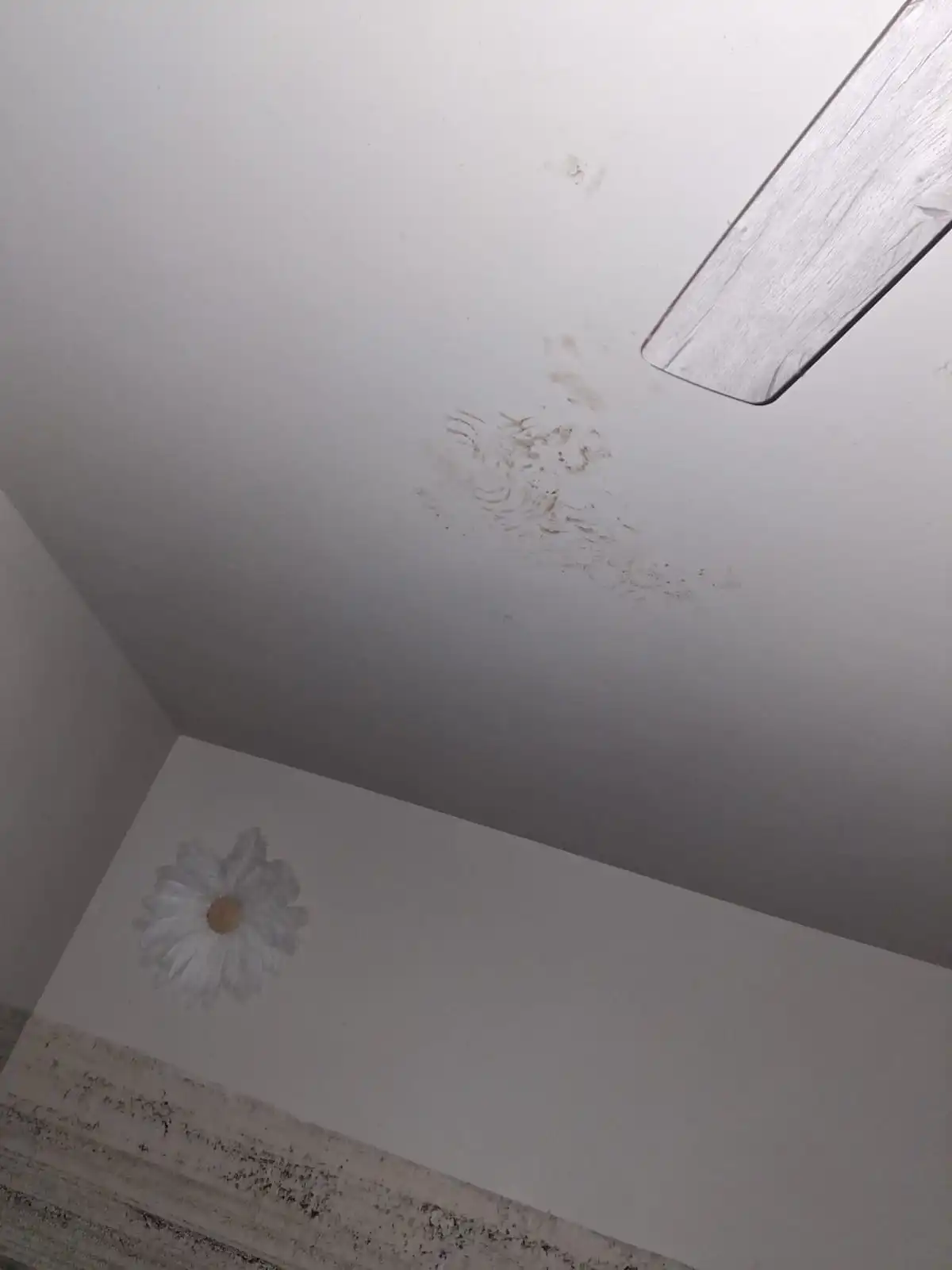
Meanwhile, critical upstream bridge repairs and culvert replacements lagged as state and local agencies bickered over jurisdiction. On July 6, as firefighters performed four flood rescues, local media broadcast videos featuring Mayor Crawford assuring the public that the infrastructure was holding firm. Days later, after a media executive reportedly pressured a local newspaper manager to remove critical footage of flood damage, the manager resigned and the critical videos disappeared from the internet.
Shortly before 2 p.m. on July 8, fierce rains struck the headwaters of the Rio Ruidoso. Within minutes, the National Weather Service issued a flash flood warning, upgrading it to an emergency alert as debris slid down steep slopes into the river.
At Village Hall, Crawford adjourned the council meeting just before 3:10 p.m., announcing, "We’ve had a wall of water come over. It’s predicted this is the big one." Crawford immediately called racetrack general manager Rick Baugh, giving track officials roughly 45 minutes of advance notice. That warning allowed track management to evacuate dozens of grooms living in the barns before the flood arrived.
Three miles upstream at the Riverview RV Park, campers remained outside, experiencing "alert fatigue" from frequent daily weather warnings. No emergency personnel came to warn them in person, despite the park’s proximity to the fire department headquarters.
When the torrential rain began, the Trotter family retreated inside their travel trailer. As the river surged, carrying massive boulders and debris, the trailer was struck. Stephanie Trotter, holding her two children, was swept into the rushing water. Sebastian dove in after his son.
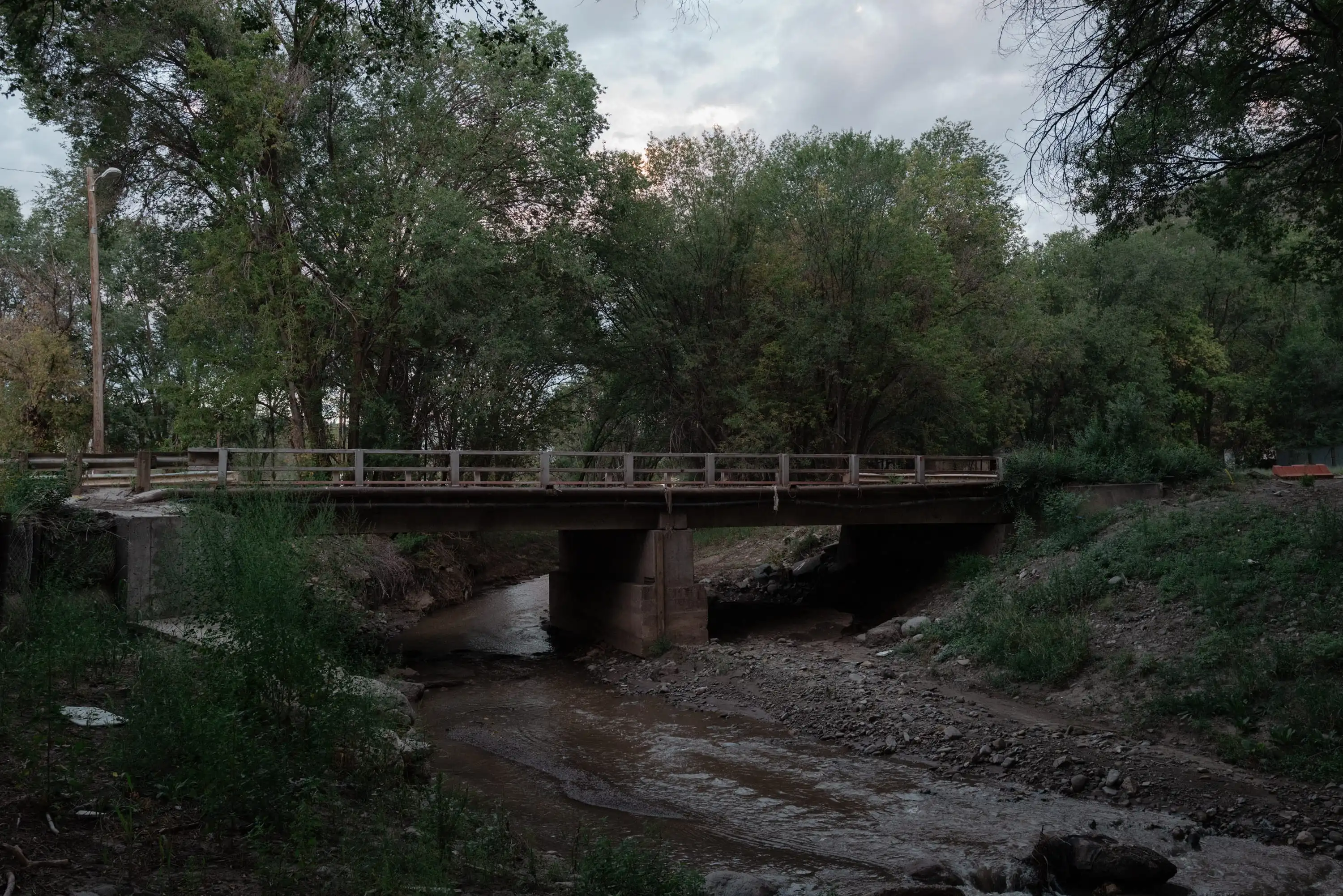
Campground owner Jason Fulcher attempted to flee in a truck, but found the road blocked by sediment-laden floodwaters resembling liquid cement. Abandoning his truck, he watched helplessly as his own children clung to a ceiling fan inside their home as waters rose to the ceiling.
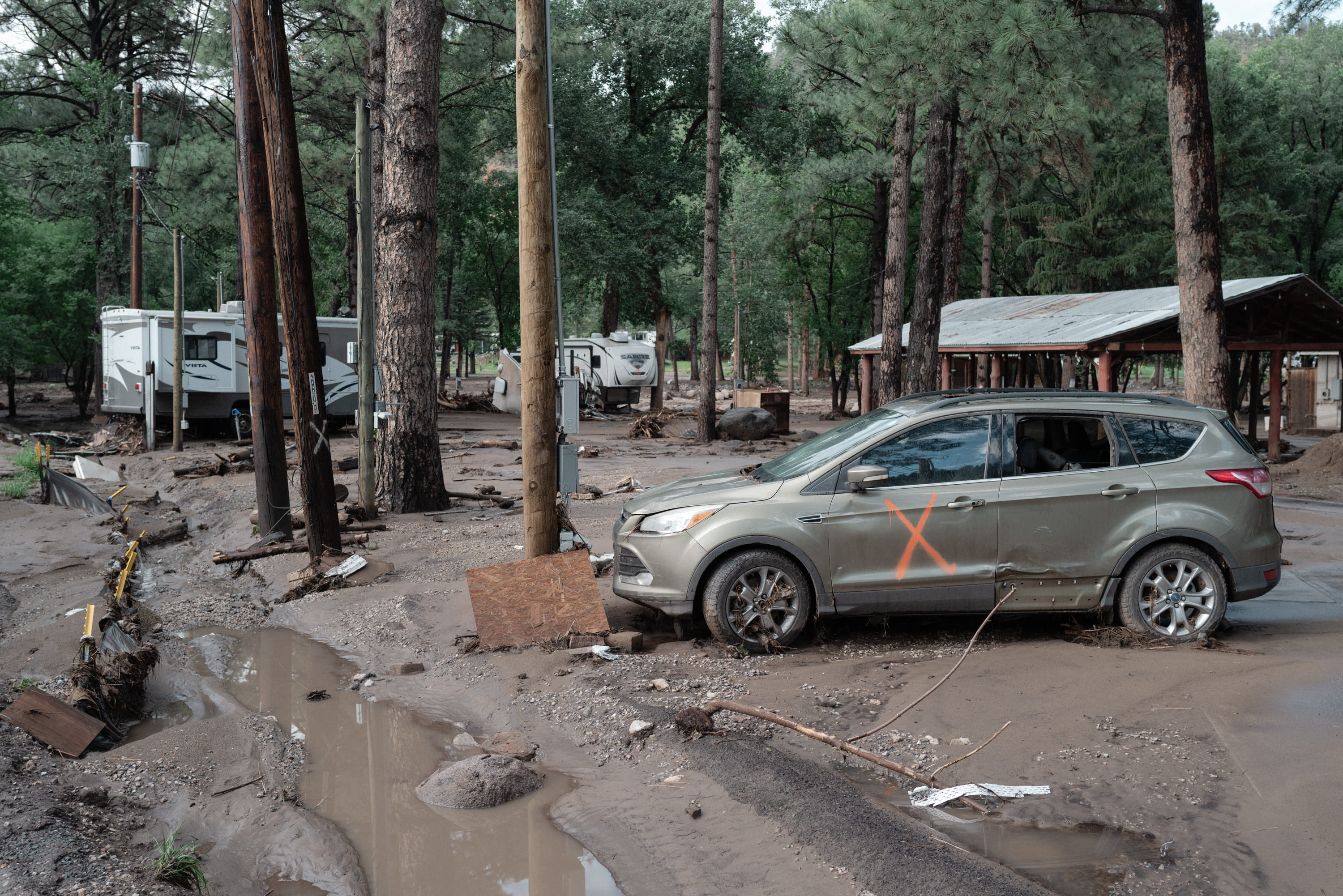
Emergency responders managed to rescue the Fulcher children and several adults, but the rapid, opaque floodwaters separated the Trotter family. Later that evening, after the water receded, searchers found the body of Benjamin Timothy Feagin under a bridge. Search parties combed the riverbanks into the night until a firefighter spotted the small body of Sebastian Rowan Trotter near a baseball field. His sister Charlotte’s body was recovered nearby.
In the aftermath, state and local officials defended their actions, maintaining they had done everything possible. Governor Lujan Grisham remarked in an interview that no leader can predict weather emergencies. However, independent hydrologic engineers confirmed that the disaster matched pre-modeled scenarios provided to the village.
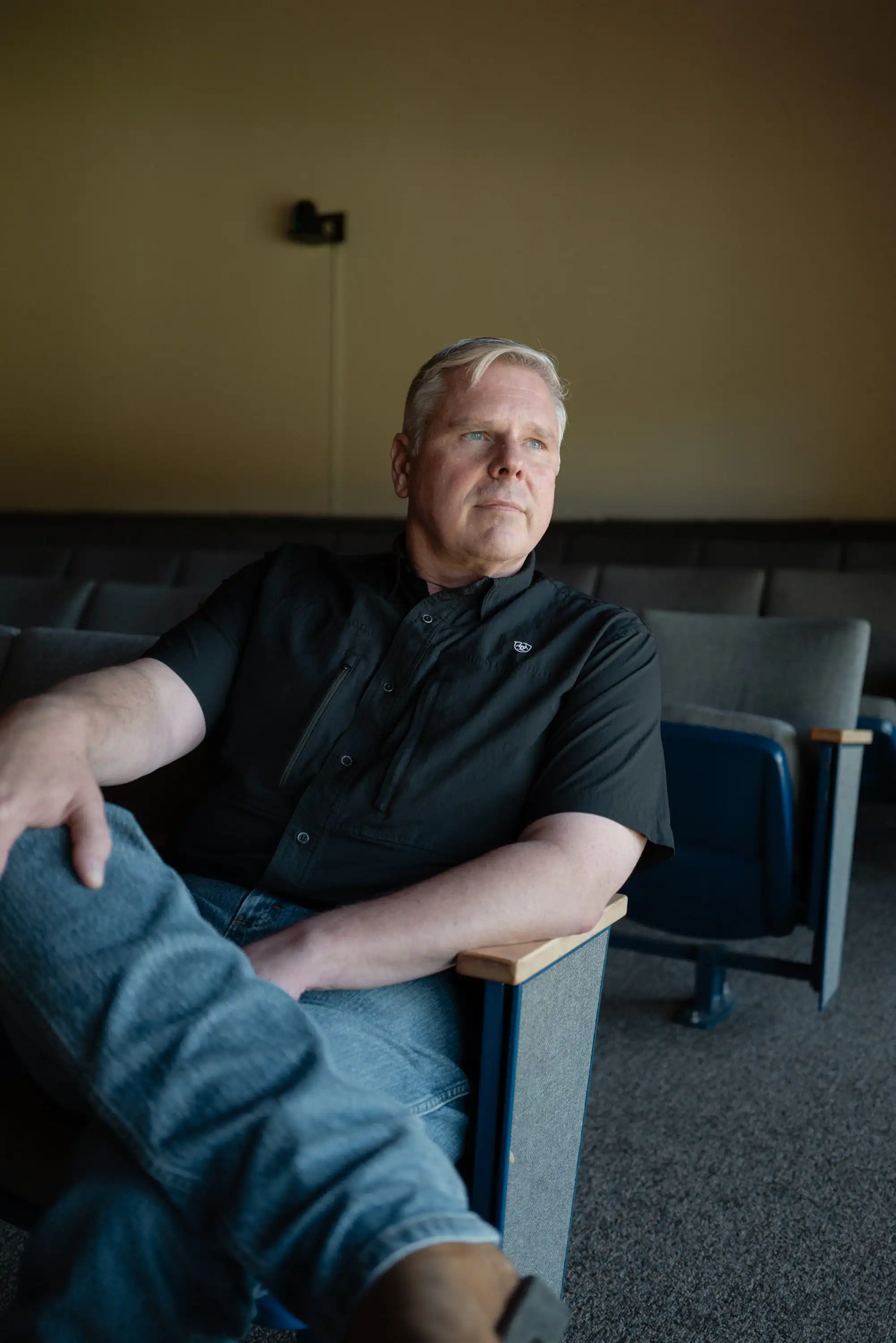
Months later, buyout programs slowly progressed, and the Fulchers settled a wrongful death lawsuit brought by the victims’ families. Ruidoso continues to advertise tourism across West Texas, and local leaders maintain that horse racing and tourism will eventually return to the valley.
At the abandoned Riverview RV Park, the roof of the Fulchers’ former home sags, and a child’s muddy handprint remains visible on the ceiling. Out front, attached to a towering pine tree, stands a small white cross and a plaque honoring Benjamin "Tim" Feagin, Sebastian Rowan Trotter, Charlotte Emery Trotter, and their two dogs—a quiet memorial to a tragedy local first responders say could have been prevented.