
Fuel prices across the United States remain stubbornly high, providing little relief to motorists even as multiple states attempt to ease the financial burden by suspending regional gas taxes. While drivers in a select group of states have seen prices dip below the four-dollar threshold, economists and industry analysts warn that such localized measures offer only temporary comfort. Once a state governor exercises the authority to suspend a gas tax, that lever is pulled, leaving governments with limited room for further intervention if market pressures intensify.
The primary driver behind the persistent pain at the pump stems from escalating geopolitical instability and a sharp rise in attacks on international oil shipping lanes. According to recent market reports from CNBC, these maritime disruptions have kept global oil benchmarks severely elevated, pushing West Texas Intermediate (WTI) past the $100 per barrel mark and driving Brent Crude to its highest level in five months. Although trading charts show modest downward corrections from their absolute peaks, both major crude benchmarks briefly surged past $110 per barrel as energy traders grapple with mounting threats in the vital Strait of Hormuz.
The security situation in the Strait of Hormuz has deteriorated significantly over a two-week period, with monitoring groups and shipping authorities reporting that at least 18 commercial tankers have come under attack while transiting the critical waterway. The volatility escalated further when Iran’s Revolutionary Guard Corps publicly claimed responsibility for targeting vessels they labeled "non-compliant." According to the claims, these ships struck underwater mines and caught fire while attempting to navigate the narrow maritime chokepoint, intensifying fears of a prolonged supply bottleneck that could cripple global petroleum distribution.
Compounding the crisis in the Middle East, the Wall Street Journal reported that Saudi Arabia’s military capabilities and defensive infrastructure are facing unprecedented exposure due to relentless Houthi rebel drone and missile assaults. Analysts note that just as the United States has faced severe strategic hurdles in countering Iran, the Houthi movement has successfully developed an asymmetric warfare network. This network relies heavily on mobile missile launchers and deeply fortified, subterranean production facilities capable of withstanding heavy airstrikes from a vastly better-funded regional coalition.
Security experts suggest that the Iran-backed militant faction is well-positioned to absorb retaliatory strikes from the Saudi-led coalition while maintaining its operational capacity to launch deep-strike incursions into Saudi territory, targeting vital infrastructure and softly defended civilian areas. The human and material toll of these operations was starkly illustrated when Saudi authorities confirmed that a hostile projectile struck the southern city of Najran, resulting in multiple injuries and significant damage to residential properties and vehicles.
This incident occurred just days after a devastating Houthi strike targeted the international airport in the Saudi capital, claiming multiple lives and injuring hundreds of travelers. Recognized as the deadliest single assault on the United States or its Gulf allies since the onset of the broader conflicts linked to Iran, the attack underscored the profound vulnerability of regional energy corridors and transportation hubs. A subsequent strike on the same facility the very following day compounded the casualties, cementing anxieties across international energy markets that infrastructure vulnerabilities in the Gulf region will remain a long-term fixture.
Selling Out Ukraine
With the conflict involving Iran showing few signs of resolution and political pressures mounting ahead of upcoming midterm elections, lawmakers in Washington have grown increasingly frantic in their search for solutions to bring down domestic energy costs. However, few anticipated that the administration would resort to waiving critical sanctions on Russian oil to alleviate market strain—a controversial decision that Ukrainian President Volodymyr Zelenskyy has openly condemned as a profound betrayal.
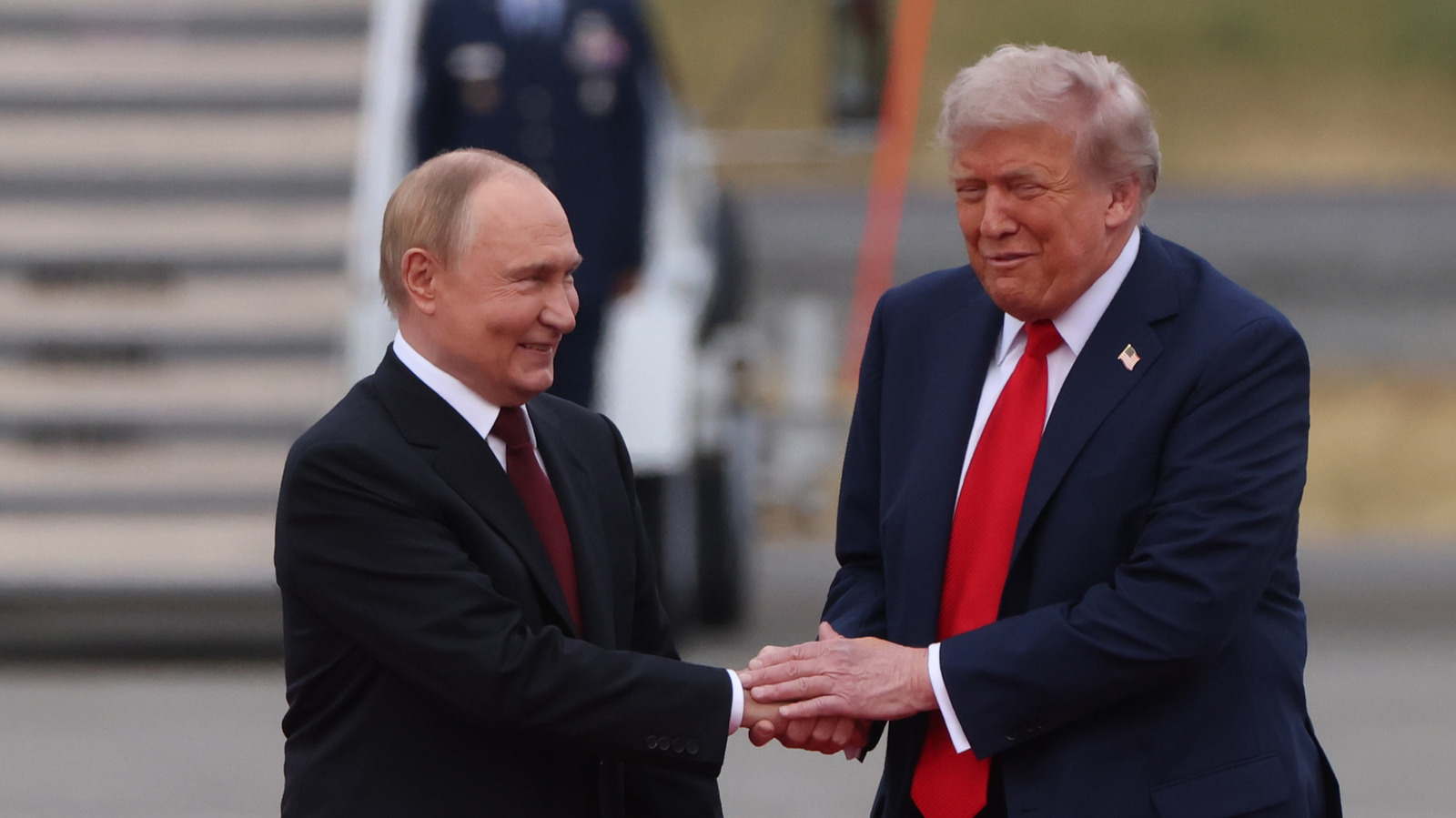
President Zelenskyy voiced his sharp disappointment over the policy shift, noting that the sanctions relief granted to Moscow directly undermines international efforts to isolate the Kremlin and will ultimately finance the ongoing military campaign within Ukraine’s borders. The Ukrainian leader emphasized the deep regret felt by international partners who once viewed American leadership as a steadfast bulwark against unprovoked aggression, pointing out that easing economic pressure on Russia sends a dangerous and contradictory signal to global adversaries.
Domestic political reaction to the White House’s waiver on Russian sanctions was swift and intensely critical, drawing bipartisan condemnation from lawmakers who view the move as a dangerous departure from established U.S. foreign policy and national security priorities. Senator Richard Blumenthal of Connecticut took to social media to excry the administration’s actions, stating that the decision firmly aligns American policy with a violent regime and its enablers, directly contradicting the will of the American public, a bipartisan majority in Congress, and traditional European allies.
Senator Blumenthal further argued that the waivers possess zero connection to legitimate national security interests, attributing the policy reversal entirely to appeasement toward Russian leadership, and called upon his Republican colleagues to join him in denouncing the measure. That bipartisan opposition materialized rapidly, with Senator Thom Tillis of North Carolina offering a scathing assessment of the administration’s strategy on public platforms.
Senator Tillis characterized the waiver as profoundly irresponsible, questioning how the executive branch could justify circumventing legislation that had previously passed the Senate by an overwhelming 86-11 margin. He emphasized that capitulating to a foreign dictator who launched an illegal invasion and continues to direct violence against civilian populations is completely unconscionable. Furthermore, Senator Tillis maintained that if the administration genuinely sought to lower energy prices, it should focus on resolving the ongoing crisis involving Iran rather than extending economic favors to Vladimir Putin.
Texas Senator John Cornyn echoed these profound strategic concerns, warning that providing assistance to Putin during the conflict in Ukraine represents a reckless gamble that compromises broader European security. Senator Cornyn highlighted the historical context of Russian ambitions, noting that Putin has consistently lamented the dissolution of the Soviet Union as a major geopolitical catastrophe and remains committed to restoring past spheres of influence, meaning that successful aggression in Ukraine would likely serve as a precursor to further encroachments against NATO allies.
As the geopolitical landscape grows increasingly fractured, the intersection of Middle Eastern conflict, volatile energy markets, and controversial diplomatic maneuvers has left international observers and domestic lawmakers grappling with the heavy costs of short-term fixes. With fuel prices remaining stubbornly high despite drastic policy shifts and strategic compromises, the administration’s controversial decision to ease restrictions on Russian oil has achieved little to stabilize the global energy supply while drawing severe rebuke for alienating key democratic allies.