
For decades, automotive television has been dominated by a single, remarkably persistent formula: three charismatic presenters standing in front of a rotating lineup of expensive machinery, cracking jokes, and comparing lap times. From the golden eras of Top Gear UK and Top Gear America to the global road trips of The Grand Tour, the "three guys in cars" format has proven to be an enduring staple of factual entertainment. Yet, as the television landscape continues to evolve alongside shifting viewer preferences, a growing number of enthusiasts are beginning to ask whether it is time to look past the traditional banter-heavy road trip.
If you were suddenly handed the keys to a major television network or a top-tier streaming platform with a blank-check budget, how would you reinvent the automotive genre?
The creative premise is entirely open-ended. You are appointed as a television showrunner with one primary directive: produce the greatest automotive TV show on Earth. The format, the subject matter, the runtime, and the cast are completely up to you. The only real boundary is your imagination, backed by unlimited financial resources, so long as automobiles remain the core focus of the production.
The possibilities across the entertainment spectrum are vast. One might envision a high-budget narrative biopic series exploring the turbulent lives of legendary automotive designers for a prestige platform like HBO. Others might pitch a gritty, behind-the-scenes docuseries examining the chaotic inner workings of modern manufacturing plants for the Discovery Channel, or perhaps a high-octane fictional drama blending automotive culture and outlaw storytelling for FX.
The core frustration shared by many modern enthusiasts is that despite massive technological advancements in both broadcasting and vehicle engineering, automotive television frequently retreats to the same familiar comedic tropes. Viewers have watched hosts race supercars against fighter jets, construct amphibious vehicles out of domestic station wagons, and play makeshift games of car football on airfield tarmacs countless times. While these segments have historically delivered incredible entertainment value, the appetite for fresh, deeply engaging concepts is higher than ever.
Let Me Make ‘Hyperdrive’ But Good
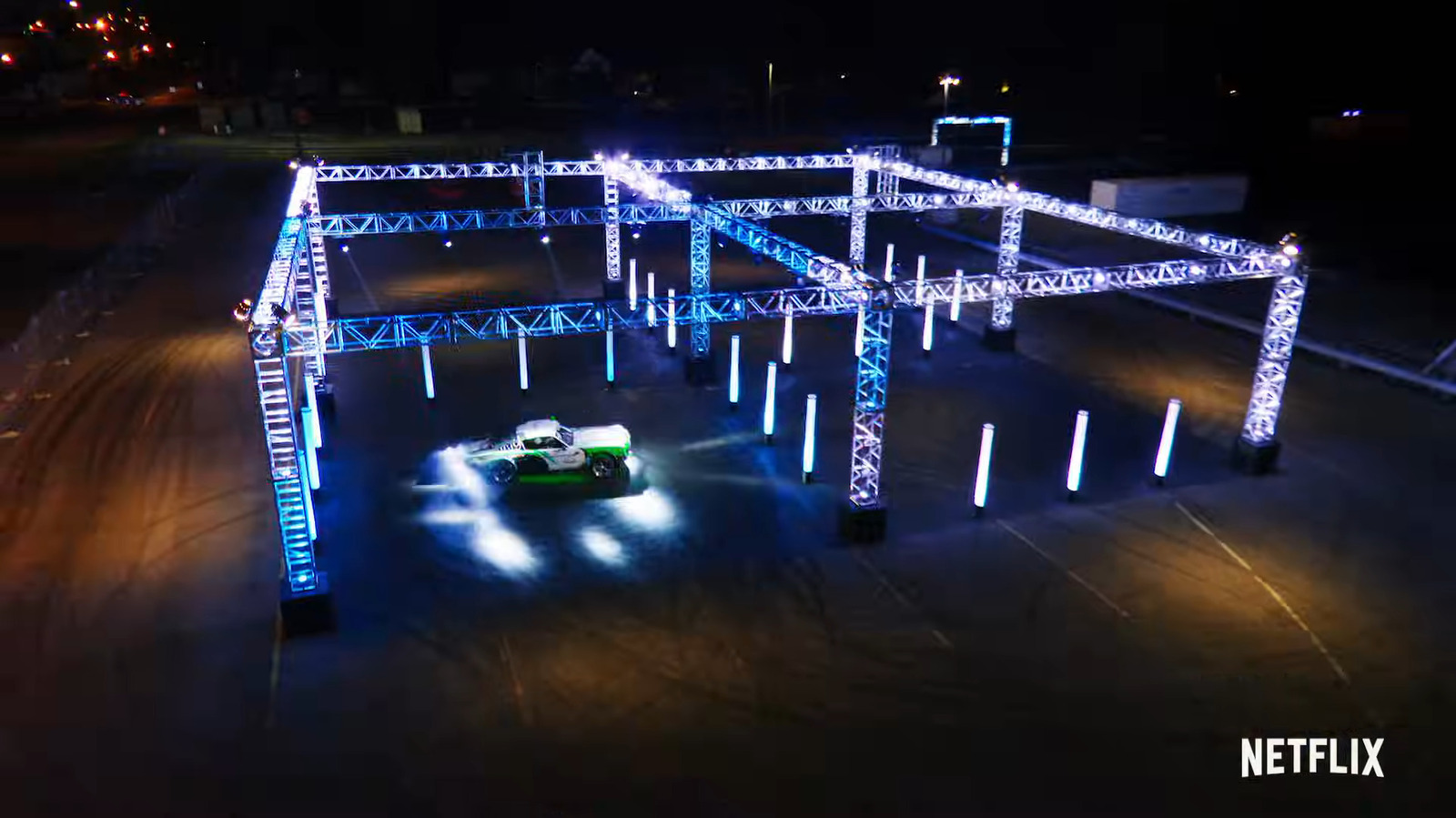
One notable attempt to break the traditional mold arrived in the form of the Netflix original series Hyperdrive. Filmed in Rochester, New York, the show introduced a genuinely compelling concept to the streaming audience: a massive, sprawling automotive obstacle course designed to merge high-speed racing and extreme precision driving. The underlying ambition was effectively to create a high-stakes, motorized version of American Ninja Warrior built specifically for automotive athletes.
Despite the strength of its foundational premise, the execution left many gearheads wanting more. The final production was frequently bogged down by heavy-handed reality television styling, manufactured dramatic narratives, and an over-reliance on flashy visual spectacle. Rather than letting the raw talent of the drivers and the mechanical capabilities of their unorthodox machinery take center stage, the production leaned heavily into neon lights, pyrotechnics, and loud, sensationalized editing choices.
Yet, beneath the glossy reality television trappings, a fantastic idea was waiting to be refined. A stripped-down, purely performance-focused iteration of the concept could easily become a masterclass in motorsport entertainment. By assembling a diverse lineup of everyday drivers piloting an eclectic mix of modified vehicles—ranging from battered drift cars to precision-tuned time-attack specials—and challenging them to navigate complex technical courses purely on merit, a network could capture the authentic spirit of grassroots motorsport on a global scale.
This particular pitch serves merely as a starting point for a much larger conversation about the future of car culture on screen. The automotive world is broad, complex, and filled with untold stories, remarkable engineering feats, and compelling human competition waiting to be captured through a camera lens.
As the search for the next great automotive show continues, enthusiasts and industry observers alike are weighing in on what television needs next. Whether it involves refining existing obstacle course formats, developing deep historical documentaries, or crafting entirely new narrative universes, the door is wide open for the next great leap in car-based entertainment.