
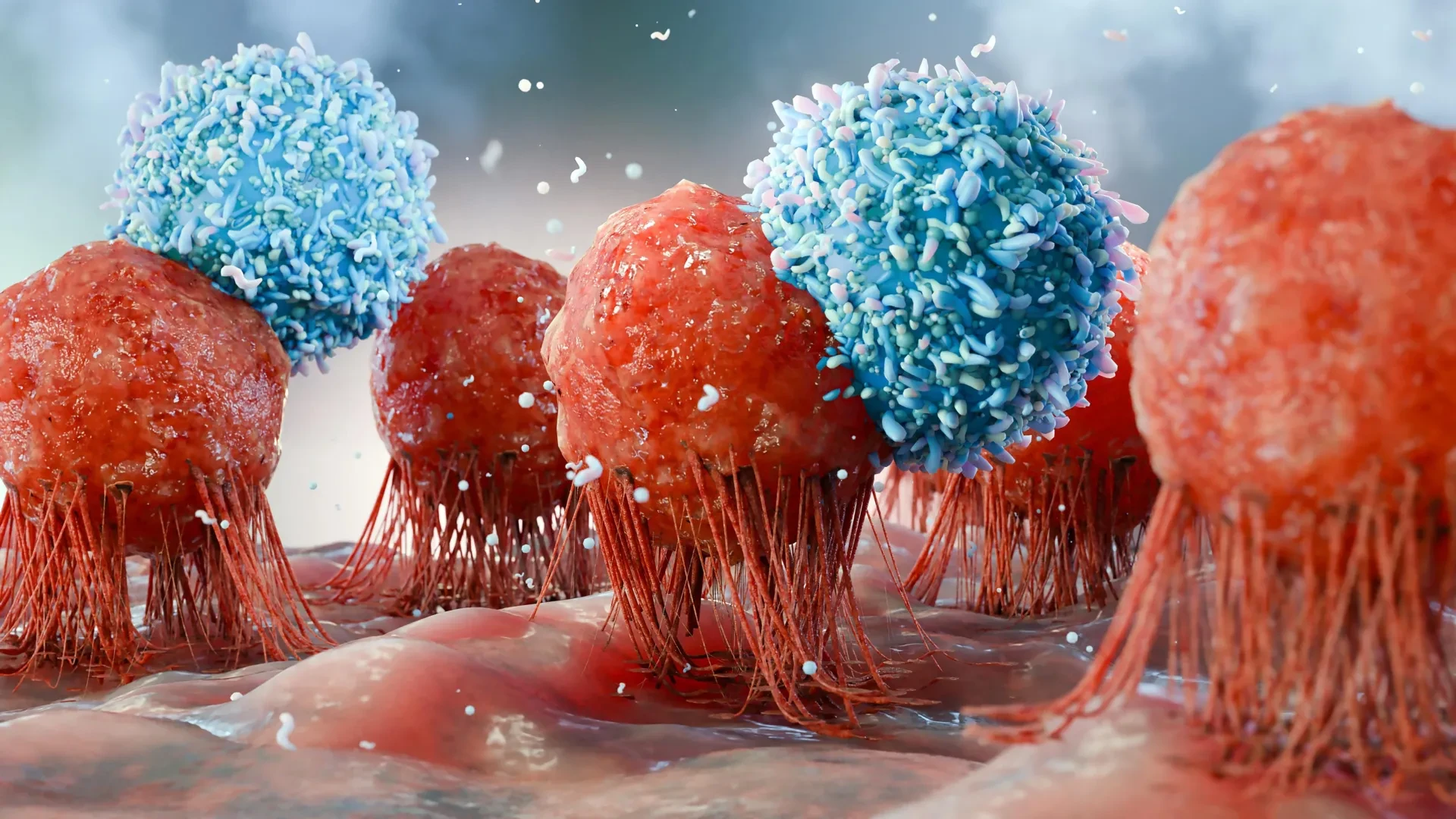
The major scientific advancement, detailed in a prominent study published in the scientific journal Cell, holds the potential to overcome several of the most formidable obstacles currently facing modern cancer immunotherapy. Among these historical challenges are the immense difficulty of manufacturing a sufficient quantity of therapeutic immune cells outside the human body and the persistent problem of keeping those cells active, viable, and effective once inside the patient. In rigorous preclinical experiments involving mice, these engineered cells successfully established themselves within the bone marrow, continuously produced new generations of functional immune cells, and significantly slowed the progression of both aggressive blood cancers and complex solid tumors.
Led by a dedicated team at USC Stem Cell, the researchers concentrated their efforts on a specific type of immature immune cell known as granulocyte-monocyte progenitors, or GMPs. Under normal physiological conditions, these specialized progenitor cells develop into macrophages and other vital immune cells that protect the human body from foreign infections and actively participate in broader immune responses. However, the USC team made a surprising and crucial observation: GMPs could be grown extensively within a controlled laboratory environment while maintaining their foundational ability to develop into fully functioning immune cells. Furthermore, these cells could be effectively modified using advanced genetic engineering techniques to recognize specific cancer-associated markers and strengthen the immune system’s overall attack.
"The study establishes a scalable and engineerable GMP platform for cellular immunotherapy and introduces concepts that we believe could have broad implications for both cancer immunotherapy and stem cell biology," said the paper’s corresponding author, Qi-Long Ying, MD, PhD, a professor of stem cell biology and regenerative medicine at the Keck School of Medicine of USC.
Scientists Discover a Surprising Ability in Immune Cell Precursors
Beyond its direct and exciting applications in the field of oncology and cancer treatment, the discovery fundamentally challenges long-held scientific understandings of how blood and immune cells develop and differentiate within the human body.
In the realm of biology, stem cells are widely celebrated for their remarkable capacity for self-renewal—the unique ability to repeatedly divide while faithfully maintaining their original, unspecialized properties. Within the blood-forming or hematopoietic system, this critical self-renewal capability has traditionally been attributed almost exclusively to hematopoietic stem cells, which possess the rare capacity to produce every major type of blood and immune cell found in the body.
Progenitor cells, by contrast, occupy a position further along the developmental pathway. Because they are already committed to producing a more limited and specialized range of downstream cells, they have generally been viewed by the scientific community as having a much more restricted capacity for long-term self-renewal and expansion.
However, the USC researchers successfully demonstrated that GMPs can retain this valuable self-renewal ability when maintained under carefully controlled laboratory conditions. Rather than rapidly maturing into terminal cell types as they normally would in vivo, the progenitor cells continued to multiply exponentially while preserving their unique identity and their underlying capacity to generate functional immune cells on demand.
"The prevailing view has been that long-term self-renewal in the blood system is primarily a property of the hematopoietic stem cells that can generate any type of blood or immune cell," Ying explained. "We found that, under the right conditions, GMPs can also self-renew, dividing extensively while keeping their identity and ability to produce functional immune cells. That gives us a scalable starting point for engineering cell therapies for cancer, infectious disease and potentially many other conditions."
This unexpected finding could prove exceptionally important for the development of advanced medical treatments that require large, highly reliable supplies of customized, genetically engineered immune cells to successfully treat patients.
Why Macrophages Could Be Powerful Weapons Against Cancer
To understand the practical impact of the discovery, it is essential to examine the nature of macrophages, which rank among the immune system’s most versatile and powerful natural defenders. The very name macrophage derives from ancient Greek words meaning "big eaters," an accurate descriptor of their primary biological function: to actively surround, engulf, and destroy bacteria, cellular debris, damaged tissue, and other unwanted foreign material within the body.
In addition to their cleanup duties, macrophages play an instrumental role in coordinating complex immune responses by emitting signaling molecules that regulate and influence the behavior of other surrounding immune cells. Certain specialized macrophages are even capable of actively migrating directly into tumor microenvironments and attacking malignant cancer cells, making them remarkably attractive candidates for innovative cancer immunotherapies.
One particularly promising application for macrophage-based therapies involves solid tumors—cancers that form distinct masses in vital organs and tissues throughout the body. While existing cellular therapies, such as those utilizing engineered T cells, have achieved tremendous clinical successes against certain types of blood cancers, treating solid tumors has historically proven to be vastly more difficult due to the dense and protective environment of the tumors.
Macrophages offer a potentially revolutionary alternative approach because they naturally migrate into various body tissues and possess an innate ability to penetrate solid tumors. Yet, transforming these natural defenders into practical, scalable clinical treatments has presented numerous hurdles for researchers.
Once macrophages reach full maturity, they become extremely difficult to multiply in large quantities outside of the living body. Furthermore, they present significant challenges when researchers attempt to modify them genetically, and they are frequently damaged during standard freezing and storage processes, which severely complicates the manufacturing, preservation, and wide-scale distribution of cell-based therapies.
Another major obstacle occurs after the cells are administered to a patient. Fully mature macrophages frequently collect and become trapped in filtering organs such as the lungs and the liver rather than spreading widely and evenly throughout the body. Additionally, their relatively rapid disappearance from circulation can severely limit how long a therapeutic treatment remains active and effective.
Determined to work around these inherent biological limitations, the USC scientists decided to shift their focus away from mature cells and begin at an earlier, more malleable stage of immune cell development.
Creating a Renewable Supply of Cancer-Fighting Immune Cells
Rather than attempting to manufacture massive numbers of fully mature macrophages directly, first author Shi Yue, MD, working within Ying’s laboratory alongside his colleagues, concentrated their efforts heavily on GMPs—the foundational progenitor cells that naturally give rise to macrophages and related cell types.
The research team successfully developed a precisely defined chemical mixture that allowed GMPs to survive, thrive, and multiply for extended periods in a laboratory setting. This specialized chemical formulation effectively prevented the cells from prematurely developing into terminal, mature immune cells, thereby preserving a continuously renewable and expandable population of healthy progenitors.
Even after undergoing extensive laboratory expansion, the GMPs successfully maintained the specific molecular characteristics that defined their progenitor identity. Most importantly, they reliably retained their critical biological ability to develop into fully functional macrophages and other related immune cells whenever required.
This innovative approach could ultimately make it possible to manufacture unprecedentedly large quantities of engineered immune cells from a stable starting population that can be continually expanded in a bioreactor, eliminating the cumbersome need to repeatedly collect, process, and prepare mature cells from individual patients for every single treatment cycle.
To rigorously confirm that the method was reliable and reproducible, the USC team enlisted scientific collaborators in the laboratory of Ravi Majeti, MD, PhD, at Stanford University. The Stanford researchers independently demonstrated that GMPs could indeed be maintained for extended periods in culture and successfully subjected to genetic engineering. Their independent results provided crucial additional support for the overall reliability of the new technique and its vast potential for future clinical cell therapies.
Majeti, who serves as the Director of the Institute for Stem Cell Biology and Regenerative Medicine at Stanford University, noted the significance of the findings: "This method for the expansion and engineering of GMPs opens the door to numerous translational applications, much like T cell expansion and engineering. We have already demonstrated engineering of these cells to drive multiple potent functions, and there is a lot more to be explored."
Engineering Immune Cells to Recognize and Attack Tumors
With a renewable supply of progenitor cells secured, the research team next investigated whether these expandable cells could be successfully programmed to actively seek out and fight cancer.
The scientists genetically engineered the GMPs to carry a specialized synthetic molecule known as a chimeric antigen receptor, or CAR. This engineered receptor functions by allowing immune cells to identify a specific, predetermined molecular marker located on the surface of cancer cells, thereby directing their cellular activity precisely toward malignant tumors.
While CAR technology has already become a cornerstone of modern cancer immunotherapy—particularly in treatments that modify a patient’s own T cells to recognize and attack malignancies—the USC researchers explored whether a remarkably similar strategy could be successfully applied to GMPs to generate engineered macrophages and other tumor-fighting immune cells.
Furthermore, the scientists equipped some of the progenitor cells with an additional, complementary immune-activating signal. This secondary modification was specifically designed to actively recruit and stimulate nearby endogenous immune cells, including T cells, which work in tandem to mount a much broader and more destructive attack against the cancer.
This added signaling mechanism offered another potentially vital clinical advantage: it remained fully effective even when the immunological characteristics of the donor cells did not precisely match those of the recipient organism.
This profound finding raises the exciting possibility of developing standardized, "off-the-shelf" immunotherapeutic treatments utilizing cells manufactured far in advance from healthy donors. Unlike traditional personalized cell therapies—which must be laboriously prepared on an individual, patient-specific basis using the patient’s own harvested cells—such standardized products could potentially be produced in large, economical batches and made readily available to multiple patients in need.
Engineered Cells Slow Cancer Progression in Mice
After successfully expanding and genetically engineering GMPs derived from both mouse and human sources, the researchers evaluated their therapeutic potential through a series of controlled in vivo experiments involving laboratory mice.
When the engineered progenitor cells were administered to the test subjects, they successfully homed in on and established themselves within the bone marrow and other primary biological niches responsible for blood cell production. These natural internal environments provided optimal conditions where the transplanted GMPs could continuously generate fresh supplies of engineered macrophages and related immune cells directly inside the living host.
This represented a crucial departure and distinct advantage over traditional therapies utilizing mature macrophages. Rather than relying entirely on infused immune cells that may degrade or disappear relatively quickly from the circulation, the introduced progenitors provided a continuous, self-sustaining source of replacement cells generated from within the patient’s own body.
This innovative strategy may therefore help overcome the rapid cellular clearance that has historically limited the efficacy of various macrophage-based therapies evaluated in recent clinical trials.
The researchers tested the newly engineered cells in mouse models afflicted with both aggressive blood cancers and complex solid tumors. The results demonstrated that GMPs carrying the specialized CAR receptors successfully slowed disease progression across both major categories of cancer.
Moreover, the therapeutic effects were significantly enhanced when the progenitor cells carried both the CAR receptors and the additional signal designed to recruit other immune cells. This powerful combination substantially improved the overall ability of the treatment to stimulate a comprehensive and sustained antitumor immune response.
Although these preliminary findings are exceptionally encouraging, the cancer-treatment results remain strictly at the preclinical stage. Substantial further research, safety evaluations, and clinical trials will be strictly required to establish whether engineered GMPs can be utilized safely and effectively in human patients, particularly given the intention for the cells to persist and continuously produce specialized immune defenders over extended periods.
Potential Applications Beyond Cancer Treatment
Looking beyond oncology, the scientists also explored whether their pioneering approach could be adapted to treat other complex medical conditions characterized by defective or compromised immune defenses.
In a separate series of mouse experiments, the team investigated chronic granulomatous disease, a rare inherited genetic disorder that severely interferes with the ability of certain immune cells to effectively neutralize harmful microbes. Individuals afflicted with this condition are rendered exceptionally vulnerable to recurrent, severe bacterial and fungal infections because their natural immune cells are fundamentally unable to eliminate certain pathogens.
When the researchers administered the engineered GMPs to mice suffering from this genetic disorder, the transplanted cells successfully restored the animals’ biological ability to fight off dangerous bacterial infections.
This striking result strongly suggests that renewable, genetically engineered immune cell progenitors might eventually find valuable clinical applications far beyond cancer treatment, including targeted therapies for inherited primary immune deficiencies and potentially difficult-to-treat infectious diseases.
According to the research team, the broader conceptual lesson of the study is that the specific developmental stage of an immune cell may prove to be just as critical to therapeutic success as the genetic modifications employed to transform it into a treatment.
By engineering cells before they reach full maturity, modern science may unlock the ability to design cellular therapies that are significantly easier to manufacture at scale, far more adaptable to different clinical needs, and uniquely capable of maintaining a continuous, self-renewing supply of specialized immune defenders within the human body.
"Our study suggests that the future of immunotherapy may depend not only on designing better CAR receptors, but also on choosing the right developmental stage of the cell," Ying concluded.
About the Research
The comprehensive study was published in the peer-reviewed scientific journal Cell under the formal title "Expansion and CAR engineering of granulocyte-monocyte progenitors for cellular immunotherapy."
Alongside Qi-Long Ying, Shi Yue, and Ravi Majeti, the international research collaboration included Zheng Guo, Crystal Pan, Xueyuan A. Jing, Tai Nguyen, Jiaqi Tang, Yanpui Chan, Humberto Contreras-Trujillo, Du Jiang, Xue Yan, Hang Xiang, Xugeng Liu, Xiao Wang, Ziyuan Wang, Natalie Shu, Daniel B. McKim, Rong Lu, and Chao Zhang of the University of Southern California; Litao Tao and Celia Bloom of Creighton University; Asiri Ediriwickrema and Sebastian Koschade of the Stanford University School of Medicine; and Yingxiao Shi of Harvard Medical School and the Dana-Farber Cancer Institute.
Financial backing and vital research support for the project were provided by the Chen Yong Foundation of the Zhongmei Group, a sponsored research initiative from Myelogene Inc., the L.K. Whittier Foundation, the Eli and Edythe Broad Innovation Award, the Ming Hsieh Institute for Research on Engineering Medicine for Cancer Award, the USC SBIR/STTR Planning Award, the Xia Research Fund, and the Wu & Jiang Research Fund.
Additionally, Majeti reported receiving targeted research support from the Ludwig Institute for Cancer Research, while Guo received essential funding through a California Institute for Regenerative Medicine Predoctoral Training Fellowship.