
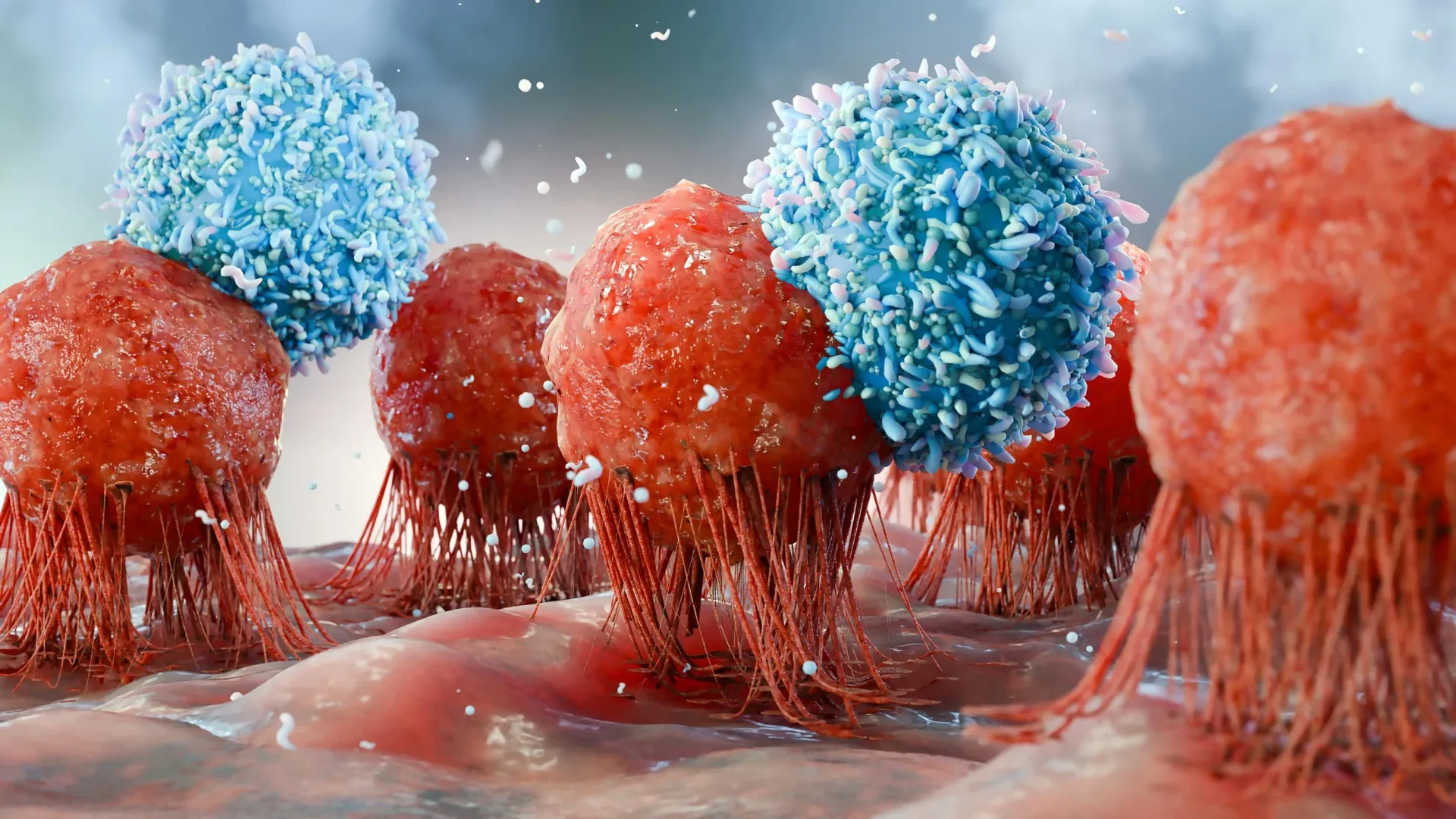
The scientific breakthrough, detailed in a prominent study published in the scientific journal Cell, addresses several of the most persistent bottlenecks that have historically limited the clinical success and widespread commercial manufacturing of cancer immunotherapies. Among these challenges are the immense difficulties associated with producing a sufficient volume of therapeutic immune cells in a laboratory setting, keeping those cells biologically active once administered to a patient, and effectively treating solid tumors—an area where modern cell therapies have faced severe hurdles. In preclinical experiments involving mice, these newly engineered progenitor cells successfully established themselves within the bone marrow, continuously manufactured fresh generations of active immune cells, and measurably slowed the progression of both aggressive blood cancers and complex solid tumors.
Redefining Immune Cell Precursors and Self-Renewal
At the heart of the USC Stem Cell-led investigation is a specific category of immature immune cells known as granulocyte-monocyte progenitors, or GMPs. Under normal physiological conditions, these precursor cells develop into macrophages and various other specialized white blood cells tasked with safeguarding the body against foreign pathogens, clearing out cellular debris, and orchestrating localized immune reactions. However, the USC research team discovered that GMPs possess a hidden biological capacity that challenges long-held paradigms in stem cell biology and hematology.
Historically, the scientific consensus held that long-term self-renewal—the ability of a cell to divide repeatedly while preserving its core genetic and functional properties—was a characteristic exclusive to primary hematopoietic stem cells, which sit at the apex of the blood-forming hierarchy and give rise to all major blood and immune lineages. Progenitor cells, by comparison, were traditionally viewed as cells further along the developmental pathway, heavily committed to producing a much narrower range of progeny and possessing very limited self-renewal capabilities.
By applying a carefully designed and precisely balanced chemical formula in the laboratory, the researchers demonstrated that GMPs can break this expected rule. Instead of rapidly maturing and exhausting their proliferative potential, the GMPs continued to multiply extensively under controlled conditions while strictly maintaining their unique identity and their capacity to give rise to fully functioning immune cells.
"The prevailing view has been that long-term self-renewal in the blood system is primarily a property of the hematopoietic stem cells that can generate any type of blood or immune cell," said the paper’s corresponding author, Qi-Long Ying, MD, PhD, a professor of stem cell biology and regenerative medicine at the Keck School of Medicine of USC. "We found that, under the right conditions, GMPs can also self-renew, dividing extensively while keeping their identity and ability to produce functional immune cells. That gives us a scalable starting point for engineering cell therapies for cancer, infectious disease and potentially many other conditions."
This revelation provides a reliable, highly scalable starting material for bioengineering cell-based therapies, bypassing the need to constantly harvest fresh primary cells from patients or donors.
Why Macrophages Are Vital Yet Elusive Weapons Against Cancer
To understand the practical significance of utilizing GMPs, scientists point to the unique biological characteristics of macrophages, which are among the most versatile and potent defenders within the human immune system. Derived from Greek roots meaning "big eaters," macrophages earn their name through their remarkable physical ability to engulf and destroy bacteria, dying cells, and foreign intruders. Beyond simple phagocytosis, they act as master coordinators of the immune response, releasing chemical signals that recruit and direct other immune cells. Certain specialized macrophages are also naturally inclined to migrate into cancerous tissues, making them prime candidates for solid tumor therapies.
Solid tumors—masses of abnormal tissue found in organs such as the lungs, breast, or colon—have proven exceptionally difficult to treat using conventional engineered T cell therapies, which have achieved their most dramatic successes against liquid tumors like leukemias and lymphomas. Macrophages offer an alternative therapeutic route because they naturally navigate dense tissues and can physically penetrate solid tumor microenvironments.
Despite this potential, translating mature macrophages into viable clinical treatments has presented formidable logistical and biological barriers. Once macrophages reach full maturity, they resist rapid multiplication outside the human body, making mass production difficult. They are also notoriously difficult to genetically modify and frequently sustain damage during freezing and long-term storage, complicating both manufacturing pipelines and clinical distribution.
Furthermore, once administered into a living organism, mature macrophages tend to sequester rapidly in organs such as the liver and the lungs rather than disseminating widely throughout the body to find scattered cancer cells. Their relatively short lifespan and rapid clearance from the circulation severely restrict how long an individual dose remains therapeutically effective. To circumvent these obstacles, the USC team elected to intervene much earlier in the developmental timeline, focusing on the versatile progenitor stage rather than the mature cell stage.
Creating a Renewable Supply of Progenitor Cells
Instead of attempting to manufacture billions of fully differentiated, fragile macrophages, first author Shi Yue, MD, and his colleagues in the Ying laboratory concentrated their efforts entirely on expanding GMPs. They engineered a specialized chemical cocktail that allowed these progenitor cells to survive, divide, and multiply indefinitely in vitro without triggering premature differentiation into terminal immune cell types.
Even after undergoing extensive expansion cycles in the laboratory, the GMPs retained their precise molecular signatures and demonstrated the ability to differentiate reliably into functional macrophages and related immune cell types whenever required. This method fundamentally changes the manufacturing paradigm, allowing pharmaceutical and clinical teams to produce massive quantities of engineered immune cells from an endlessly expandable master cell bank rather than relying on repeated patient-specific tissue harvesting.
To independently verify the robustness, reproducibility, and safety of this new methodology, the USC researchers collaborated with the laboratory of Ravi Majeti, MD, PhD, at Stanford University. Researchers at Stanford independently confirmed that GMPs could be successfully maintained over extended periods and efficiently subjected to genetic engineering, validating the broad applicability of the technique.
"This method for the expansion and engineering of GMPs opens the door to numerous translational applications, much like T cell expansion and engineering," noted Majeti, who serves as Director of the Institute for Stem Cell Biology and Regenerative Medicine at Stanford University. "We have already demonstrated engineering of these cells to drive multiple potent functions, and there is a lot more to be explored."
Engineering Immune Cells to Recognize and Attack Tumors
Having established a reliable method for expanding GMP populations, the research team sought to program these cells for targeted oncology applications. They introduced genetic modifications designed to express chimeric antigen receptors, commonly known as CARs, on the surface of the progenitor cells. CAR technology, widely celebrated for its success in engineering patient T cells to hunt specific molecular targets, was successfully adapted to direct the activity of GMP-derived macrophages toward specific cancer cell markers.
To maximize the therapeutic impact, the scientists equipped a subset of the engineered progenitor cells with an additional, specialized immune-activating signal. This secondary modification was engineered to actively recruit and stimulate neighboring endogenous immune cells, including T cells, thereby igniting a coordinated multi-pronged assault against the tumor microenvironment.
Importantly, this secondary immune-activating signal also offered a potential solution to one of modern cell therapy’s greatest logistical hurdles: histocompatibility. The added signal retained its full efficacy even when the genetic characteristics of the donor cells did not precisely match those of the recipient. This finding opens the door to developing standardized, "off-the-shelf" cellular therapies produced in advance from healthy donors, which could dramatically reduce costs and treatment turnaround times compared to personalized autologous therapies that require custom manufacturing for every single patient.
Preclinical Success in Animal Models
When administered to mouse models suffering from various forms of cancer, the engineered GMPs demonstrated clear therapeutic activity. Upon injection, the progenitor cells homed in on the bone marrow and other primary hematopoietic niches, establishing long-term microenvironments where they could continually generate fresh waves of engineered macrophages and related immune defenders from within the animal’s own body.
This self-sustaining internal production mechanism contrasted sharply with traditional treatments utilizing mature macrophages, helping to overcome the rapid biological clearance that has historically hindered macrophage-based therapies in clinical trials. In experiments involving both blood cancers and solid tumors, GMPs equipped with CAR receptors noticeably slowed disease progression. Furthermore, mice treated with progenitors carrying both the CAR receptor and the secondary immune-activating signal experienced even more pronounced therapeutic benefits, displaying heightened systemic antitumor responses.
While these preclinical outcomes are highly encouraging, researchers emphasize that the work remains in an experimental phase. Rigorous additional studies will be required to determine whether engineered GMPs can be translated safely and effectively into human clinical applications, particularly given the need to tightly control cells designed to persist and generate active immune progeny over extended durations.
Potential Applications Beyond Oncology
Beyond cancer treatment, the research team investigated whether their expandable progenitor platform could address other complex medical conditions rooted in immune system dysfunction. In a separate set of experiments using mouse models of chronic granulomatous disease—an inherited genetic disorder that impairs the ability of specific immune cells to destroy ingested bacteria and fungi, leaving patients vulnerable to severe, recurring infections—the administration of engineered GMPs successfully restored the animals’ microbial defense mechanisms.
This successful proof-of-concept suggests that renewable, genetically engineered immune cell progenitors could eventually be harnessed to treat primary immune deficiencies, genetic blood disorders, and potentially various stubborn infectious diseases. According to the research team, the broader conceptual takeaway of the study is that the developmental stage chosen for cellular engineering may be just as critical as the genetic modifications themselves.
"Our study suggests that the future of immunotherapy may depend not only on designing better CAR receptors, but also on choosing the right developmental stage of the cell," Ying concluded.
The study, titled "Expansion and CAR engineering of granulocyte-monocyte progenitors for cellular immunotherapy," was supported by multiple institutional and philanthropic organizations, including the Chen Yong Foundation of the Zhongmei Group, Myelogene Inc., the L.K. Whittier Foundation, the Eli and Edythe Broad Innovation Award, the Ming Hsieh Institute for Research on Engineering Medicine for Cancer Award, the California Institute for Regenerative Medicine, and the Ludwig Institute for Cancer Research.