
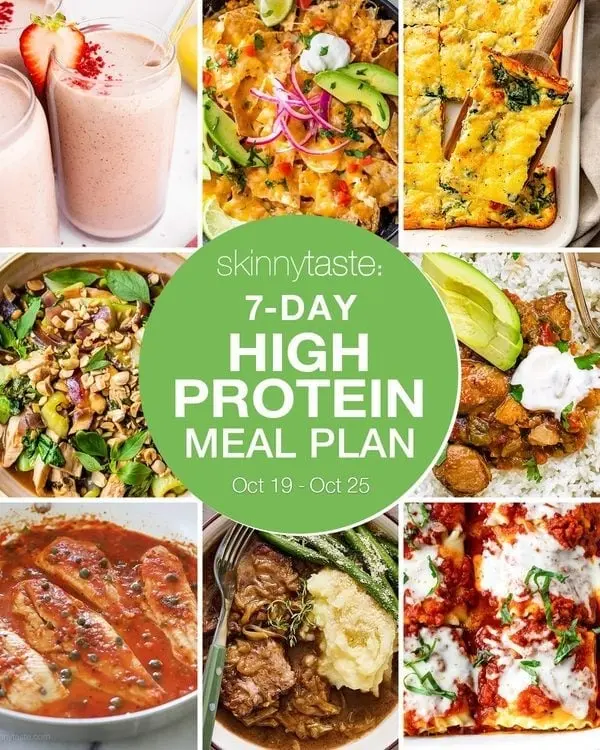
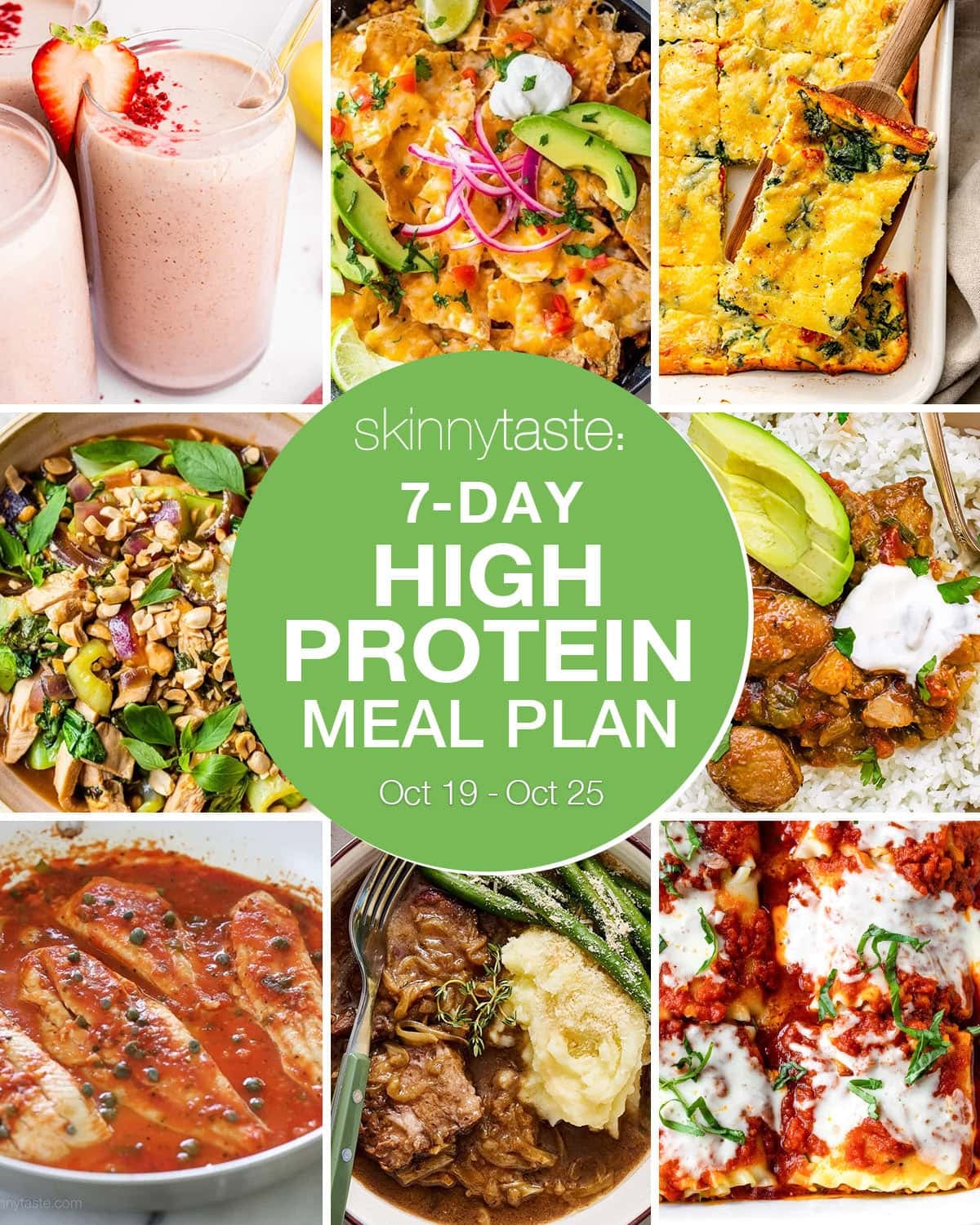
As the autumn season settles in, bringing with it a shift toward cooler temperatures and a natural desire for more comforting, hearty fare, many home cooks are seeking ways to balance seasonal cravings with their long-term health and fitness goals. In a move to support this transition, Skinnytaste has released a comprehensive, free 7-day high-protein meal plan designed to help individuals maintain their nutritional objectives without sacrificing the comfort of fall-inspired cooking.
The latest installment in the popular series of meal plans, which includes a full week of breakfast, lunch, and dinner suggestions, aims to demystify the process of incorporating more protein into a daily diet. By focusing on seasonal ingredients—such as sweet potatoes, kale, and pumpkin—the plan demonstrates that a high-protein approach can be both flavorful and aligned with the culinary spirit of the season. Featured recipes include robust options like Sweet Potato Soup with Sausage and Kale, as well as a Pumpkin Lasagna Skillet, offering a clear path for those looking to boost their protein intake while enjoying the produce currently at its peak.
The Rationale Behind a High-Protein Focus
The emphasis on protein is not merely a trend for the platform; it reflects a long-term shift in the nutritional philosophy of the site’s creator. Having followed a high-protein regimen for several years to support muscle maintenance and satiety, the creator notes that the change has been a "game changer." The primary benefit reported is a significant increase in feeling satisfied after meals, which helps mitigate the common urge to reach for snacks, sweets, or processed chips between meals or late in the evening.
For many followers of the platform, hitting specific protein targets remains a persistent challenge. By providing a structured plan that breaks down daily intake, the goal is to make these targets more attainable. The strategy involves distributing protein consumption across three main meals, aiming for at least 30 grams per meal, supplemented by 10 to 30 grams per snack. This balanced distribution is intended to keep energy levels stable throughout the day. For those uncertain about their specific physiological needs, the initiative encourages consulting professional resources, such as specialized guides on protein intake or advice from healthcare providers and registered dietitians.
Integrating Flexibility and Nutritional Accuracy
Recognizing that nutrition is not a "one-size-fits-all" endeavor, the new meal plan is framed as a guide rather than a rigid prescription. There is significant built-in flexibility, allowing individuals to adjust portions, swap recipes, or integrate their own preferred snacks and beverages. The plan operates on a baseline target of approximately 1,500 calories per day, though the site emphasizes that this figure must be adapted based on an individual’s age, activity level, weight, and specific wellness goals.
A notable update regarding Weight Watchers (WW) integration is also being highlighted. With the recent addition of new zero-point foods to the WW program—such as oatmeal—the process of updating older recipes to reflect these changes is ongoing. To bridge this gap, every recipe currently on the Skinnytaste website is linked to the official WW recipe builder. When accessed via a mobile device, this tool automatically recalculates points, ensuring that users have the most current information regardless of whether the specific recipe page has been manually updated to the latest program standards.

Important Considerations for Health and Safety
While increasing protein intake is a popular strategy for fitness and weight management, the platform stresses the importance of individual health circumstances. A significant disclaimer accompanies the plan, noting that individuals with pre-existing conditions—specifically those involving kidney or liver function, gout, or specific metabolic disorders—should exercise caution. Older adults who may be experiencing reduced kidney function are also advised to consult with a medical professional before making substantial changes to their dietary protein levels. The guidance serves as a reminder that professional medical consultation remains a vital step for anyone significantly altering their nutritional profile.
Building a Community Around Sustainable Habits
Beyond the weekly meal plans, the initiative is supported by a growing community of users. The Skinnytaste Facebook group has become a central hub for followers to share their culinary successes, photos of their meal-prepped dishes, and personal tips. This peer-to-peer support system is viewed as a critical component of the platform’s success, providing encouragement and inspiration for those navigating similar health journeys.
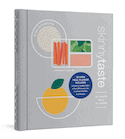
For those who prefer a more tactile approach to organization, the platform has also promoted its "Ultimate Skinnytaste Meal Planner." This physical, 52-week spiral-bound planner is designed to assist users in tracking their nutritional goals while incorporating space for daily reflections, gratitude, and intentions. By combining the logistical side of meal planning—such as tear-out grocery lists and weekly grids—with the psychological aspects of habit formation, the planner aims to foster a more holistic approach to wellness.
Practical Implementation
The current 7-day plan, spanning from October 19 to October 25, is structured to cater to varying household sizes. While breakfast and lunch selections are designed for individual servings, the dinner recipes are scaled for a family of four. This approach is intended to streamline the cooking process, often providing leftovers that can be repurposed for lunch the following day, thereby saving time and reducing food waste.
The comprehensive grocery list provided alongside the plan covers all necessary items, organized by category—produce, meat and fish, condiments, and pantry staples—to facilitate an efficient shopping experience. By centralizing these resources, the initiative seeks to remove the friction often associated with meal planning, making it easier for individuals to transition into a higher-protein diet without feeling overwhelmed.
As the program continues to evolve, the creator has signaled that, depending on user feedback, similar high-protein plans may become a recurring monthly feature. Furthermore, development is currently underway for a dedicated high-protein cookbook, suggesting that the focus on this nutritional approach is set to become a permanent fixture of the platform’s offerings. For those interested in following the current schedule, all resources, including the detailed shopping list and calorie/protein breakdowns, remain accessible via the platform’s digital archives, ensuring that users have the tools necessary to tailor the plan to their specific lifestyle requirements.