
The enduring adage "win on Sunday, sell on Monday" remains a foundational pillar of stock car racing, echoing a philosophy nearly as old as NASCAR itself. While the direct correlation between checkered flags and dealership foot traffic can sometimes be difficult to quantify, automotive manufacturers continue to recognize the immense value of showcasing vehicles that closely resemble current showroom models before a massive television audience of over two million viewers across 36 weekends a year. This connection, however, has occasionally taken on an increasingly abstract nature for competing brands. Chevrolet, for instance, continues to field Cup Series teams utilizing bodywork styled after the Camaro ZL1—a celebrated model that General Motors officially took out of production, leaving a distinct gap between what fans see on the racetrack and what they can actually purchase at local dealerships.
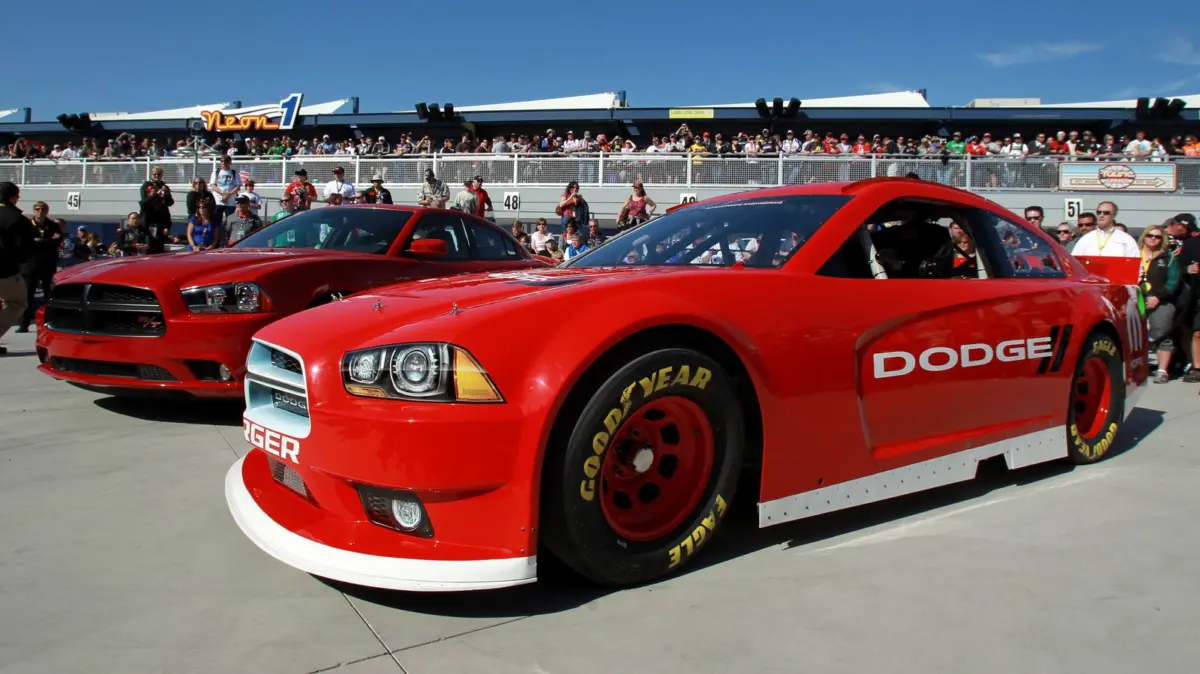
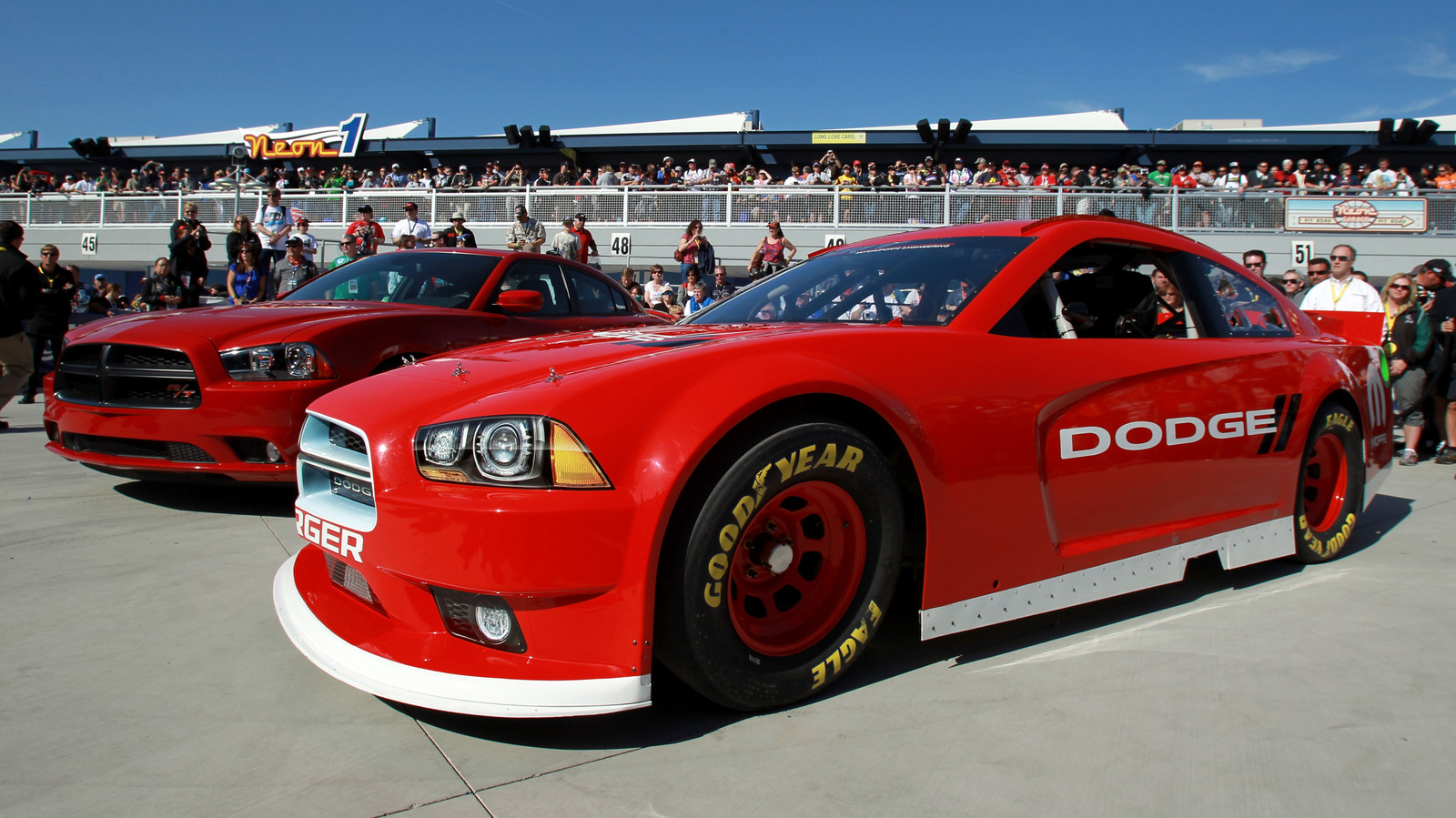
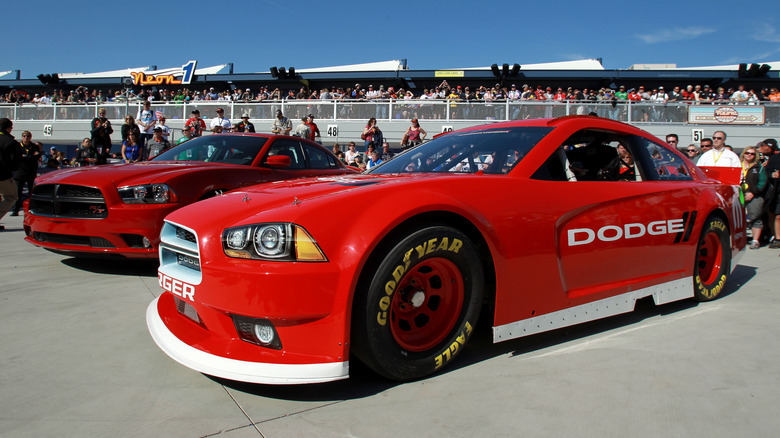
Against this backdrop of shifting automotive lineups and evolving marketing strategies, the perennial question arises: which automaker should join the NASCAR Cup Series next? Before enthusiasts and industry analysts begin speculating wildly, it appears that one major manufacturer has potentially taken itself out of the hypothetical conversation by moving toward a concrete reality. According to reports from The Athletic, Stellantis has been engaged in active negotiations to orchestrate a dramatic return to the NASCAR Cup Series as early as the 2027 season. Under the rumored arrangement, Kaulig Racing would step forward to field multiple Dodge entries in stock car racing’s premier and marquee division. This prospective partnership builds upon an existing operational relationship between the racing organization and the Ram brand, which is currently fielding a five-truck contingent in the NASCAR Craftsman Truck Series this season. The primary logistical hurdle remaining in this potential comeback centers not on interest or commitment, but rather on where Dodge would source competitive powerplants by the time the green flag drops on the season as early as February in the coming years.
Hyundai as a Second Foreign NASCAR Manufacturer
Beyond the swirling rumors of a Stellantis resurgence, other global automotive giants present intriguing possibilities for expanding the manufacturer landscape in North America’s top racing division. Among them, Hyundai emerges as a compelling candidate that could potentially fit the profile for the NASCAR Cup Series. If the South Korean automaker were to take the plunge, it would not stand alone as the sole foreign brand in stock car racing, joining the established and highly successful presence of Toyota. Furthermore, the timing might align favorably for Hyundai as corporate executives reportedly contemplate scaling back or withdrawing its dedicated factory team operations from the FIA World Rally Championship. While competing corporate motorsports priorities—such as the high-profile Genesis Le Mans Hypercar program—have required significant resource allocation and strategic shifts, a portion of that established motorsport budget could conceivably be redirected toward establishing a robust, competitive endeavor in American stock car racing.
If NASCAR’s governing body were to enforce participation requirements spanning all three of its primary national touring series, the Korean automaker possesses a vehicle lineup that could feasibly be adapted to fit the regulatory framework. The Sonata could serve as the designated model for both the Cup Series and the secondary national series, while the Santa Cruz pickup would present an obvious and logical choice for the Truck Series, even if industry trends suggest that particular model’s lifecycle may eventually face changes. At the same time, entering the stock car arena would present unique corporate and manufacturing nuances. Unlike the Toyota Camry, which enjoys deep roots in domestic manufacturing, the Hyundai Sonata is no longer built inside the United States, adding another layer of strategic evaluation for corporate decision-makers weighing the return on investment of a potential NASCAR program.
As discussions continue across the motorsports landscape regarding the future composition of the field, the ultimate direction of manufacturer participation remains wide open. Fans and industry observers alike continue to weigh the marketing benefits, engineering challenges, and historical legacy associated with bringing new nameplates onto the grid. Whether through the rumored revitalization of a classic American brand like Dodge or the potential entry of an ambitious international contender like Hyundai, the ongoing evolution of NASCAR’s manufacturer lineup promises to remain a central storyline in the years leading up to the 2027 season and beyond.