
Finishing a tough workout always feels good. That is, until a few hours later when those uncomfortable muscle aches start setting in. This discomfort can linger for days—making easy, everyday tasks a challenge, from climbing a flight of stairs to simply reaching for an item on a high shelf. For many fitness enthusiasts, dealing with delayed onset muscle soreness is an inevitable part of pushing the body to new limits.
In search of relief, some recreational gym-goers are adopting the kind of recovery techniques once reserved for elite athletes. Social media and professional sport have helped popularize everything from ice baths and compression garments to massage and recovery supplements. Platforms filled with fitness influencers showcase high-tech gadgets and freezing cold plunges, creating a cultural expectation that post-workout recovery requires an arsenal of specialized tools.
While many of these products promise faster recovery, reduced soreness, and improved performance, the science is often more nuanced. Beneath the glossy marketing campaigns and viral trends lies a complex physiological reality where quick fixes do not always deliver on their lofty promises.
Ice baths
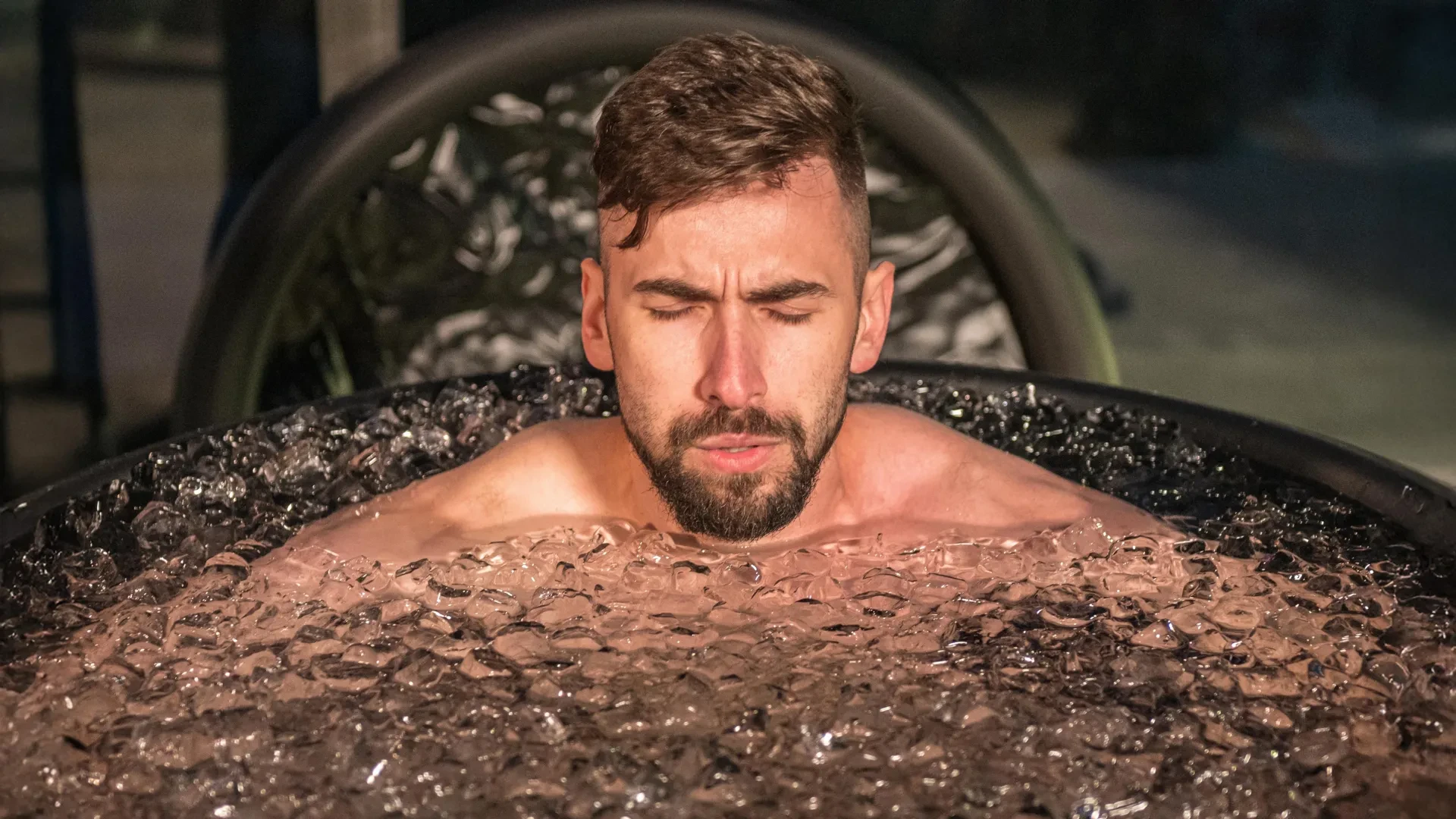
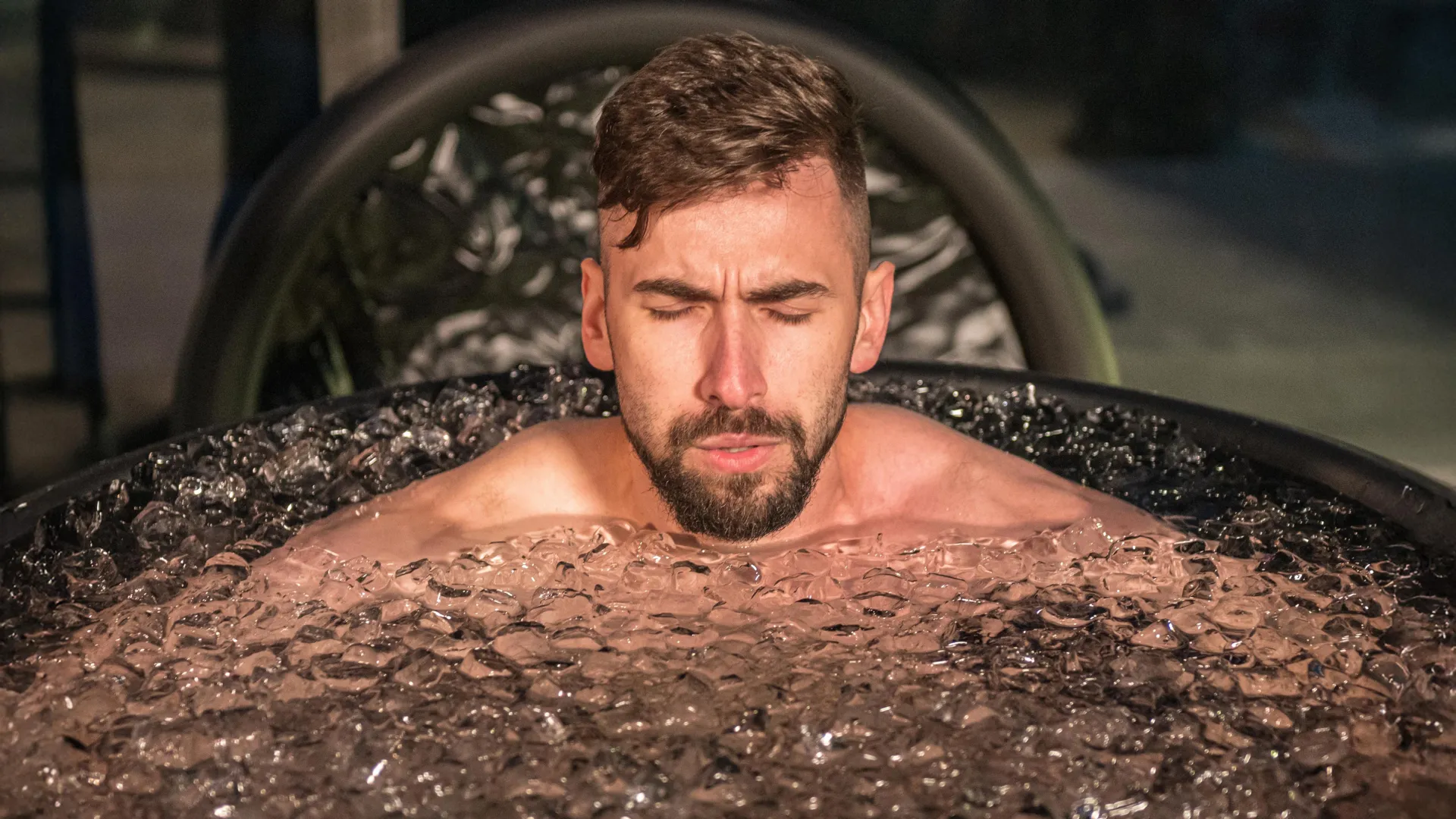
Few recovery strategies have received as much attention as ice baths. This involves immersing oneself in water that is below 15°C to boost recovery. But the evidence for this benefit is mixed, leading sports scientists to urge caution.
Ice baths help ease inflammation, which research suggests can reduce muscle soreness and help athletes recover muscle function more effectively in a 24-hour period. For professional athletes facing congested competition schedules where they must perform day after day, this rapid reduction in acute discomfort can be invaluable.
But there’s a catch. While inflammation causes soreness, it also triggers adaptations that build muscle. Dampening this response with ice baths may limit some of the long-term benefits of training—particularly if they’re used regularly. When muscles undergo the stress of resistance training, microscopic tears form, prompting an inflammatory response that signals the body to repair and strengthen tissue. By aggressively cooling the area and shutting down this natural process, individuals might inadvertently blunt the very muscle-building adaptations they are working so hard to achieve.
When it comes to ice baths, side-stepping short-term pain may sacrifice long-term gains. Sports medicine experts generally recommend reserving them for situations where rapid recovery is vital, rather than making them a routine post-workout habit.
Compression garments
Compression garments are commonly worn after exercise to speed recovery. The idea is that the external pressure they apply supports circulation, enhances blood flow to the muscles, and reduces swelling. Walk into any modern gym, and you will see athletes sporting tight-fitting leggings, sleeves, and socks long after their final set is complete.
But while compression garments might make you think they’re helping as they reduce soreness, evidence showing they actually improve muscle recovery is generally less convincing. The psychological comfort of feeling supported can often mask the lack of measurable physiological restoration.
A study from 2022 put them to the test in a controlled setting to separate placebo effects from actual physical changes. One group was given compression garments, while the other group was given a placebo tablet that they were told was equally as effective as compression.
The results provided a fascinating glimpse into how these garments operate. The compression garments were shown to improve circulation and muscle blood flow, while the placebo had no effect on these measures. This suggests the effects of compression garments on recovery are physiological and aren’t simply due to expectation or perception.
However, whether these changes meaningfully improve performance is less clear. Although emerging evidence suggests compression garments genuinely affect some markers of recovery, this is unlikely to directly restore muscle function. Ultimately, compression garments may mainly help because they make you feel better recovered, rather than drastically accelerating the biological repair of damaged tissue.
Massage
Massage is one of the few recovery interventions with relatively consistent scientific support. For centuries, physical manipulation of soft tissue has been utilized to ease physical exhaustion and soothe tired limbs. Modern research confirms that it can reduce soreness and improve perceived recovery after exercise.
It’s not currently clear what mechanisms actually trigger the recovery benefits of massage. But it could be due to the fact that massage reduces muscle stiffness, improves circulation, and boosts relaxation. The physical manipulation may help flush out metabolic waste products while downregulating the nervous system, helping the body shift from a state of high stress into a restorative state.
However, although athletes feel less sore and perceptions of recovery are improved after a massage, objective measures of performance and muscle function are modest and inconsistent. A massage may alleviate the subjective misery of a brutal leg day, but it does not magically restore peak explosive power or endurance capacity instantly.
Massage might ease the discomfort of training, but individuals should not expect miraculous performance restoration. Its primary value lies in stress reduction, pain management, and enhancing the overall subjective experience of recovery.
Recovery supplements
The nutrition supplement market is a big business, with hundreds of brightly colored recovery drinks and capsules promising reduced soreness and faster recovery. Shelves in health food stores and online marketplaces are packed with powders and pills marketed as essential for anyone lifting weights or running miles. But not all supplements are created equal. Some appear to confer small benefits, while some come with hype that science doesn’t back up.
Whey protein, for instance, is a well-researched supplement. Rich in amino acids, which serve as the fundamental building blocks of protein, it stimulates muscle protein synthesis—the process which helps your muscles grow and repair after physical stress. Whey protein is shown to have small-to-moderate benefits for muscle recovery, but evidence that it can alleviate soreness is inconsistent. While it provides the raw materials needed for tissue repair, it does not necessarily eliminate the aching sensation that follows unaccustomed exercise.
Branch chain amino acids, commonly known as BCAAs, are widely-used supplements that typically contain a mixture of the amino acids leucine, isoleucine, and valine. BCAAs are popular because it’s believed the leucine they contain switches on protein synthesis. Fitness enthusiasts frequently sip BCAA-infused water throughout their workouts under the assumption that it protects muscle mass.
Yet despite their popularity, BCAAs appear less effective than complete protein sources for muscle recovery. This is because muscle repair requires all essential amino acids—not just the specific subset found in BCAAs. Relying solely on isolated amino acids leaves out the other building blocks required for comprehensive tissue regeneration. Food sources such as chicken, beef, salmon, and tofu contain all the essential amino acids naturally, making them far more comprehensive choices for post-exercise nutrition.
Tart cherry juice is a relatively new supplement in the fitness world that has rapidly gained traction among endurance runners and strength athletes alike. It’s rich in polyphenols, which are plant compounds said to have anti-inflammatory and antioxidant properties that help reduce or prevent cellular damage. It’s for these reasons that tart cherry juice is thought to help reduce muscle damage and soreness following exhaustive physical exertion.
Although this is still an emerging area of research, evidence suggests these compounds have small-to-moderate effects on reducing soreness after workouts, and may also help restore muscular strength and power more quickly than passive rest alone.
Omega-3 fatty acid supplements, often derived from fish oil, are frequently championed as a way to reduce systemic inflammation and accelerate recovery after exercise. While some research suggests they can modestly reduce muscle soreness and help preserve muscle function after strenuous exercise, results are far from consistent across different study populations. As such, omega-3 supplements are unlikely to vastly improve recovery on their own.
Importantly, all of these vital nutrients can be obtained easily from a healthy, balanced diet without investing in expensive specialty products. Science also shows that it’s better to get these nutrients from whole foods over expensive supplements, as whole foods provide other important micronutrients and compounds that may interact synergistically to support overall health and well-being.
What actually works?
Popular recovery techniques might have small benefits for reducing feelings of soreness, but they don’t actually tend to restore muscle function all that much. Instead, the strongest evidence for good recovery comes back to the foundational basics of adequate sleep, proper hydration, balanced nutrition, and appropriate training programming that allows for natural adaptation and rest.
Ultimately, perhaps the biggest lesson from decades of exercise science research is that genuine physical recovery cannot be bottled, marketed, and sold.