

For many home cooks, few dishes evoke the sense of nostalgia and culinary security quite like meatloaf. It is a cornerstone of domestic comfort food, a staple that has occupied a central place on family dinner tables for generations. Yet, in an era where nutritional awareness and culinary efficiency are paramount, the traditional, heavy meatloaf—often criticized for its density and high fat content—is undergoing a significant transformation. A collection of thirteen refined, health-conscious meatloaf recipes has emerged, offering a contemporary take on this classic dish that balances familiar flavors with modern dietary preferences.

The evolution of the meatloaf reflects a broader trend in home cooking: the desire to maintain the soul of traditional comfort food while stripping away the excess. By integrating lean proteins like ground turkey, incorporating fiber-rich vegetables, and exploring innovative cooking methods, chefs and home cooks alike are proving that the humble meatloaf is far more versatile than its reputation suggests. From individual portions that cater to busy weeknight schedules to sophisticated flavor profiles that incorporate international influences, these variations are redefining what it means to serve a classic loaf.

Exploring the Variety of Modern Meatloaf
The secret to keeping a long-standing family favorite in regular rotation is variety. The most successful versions of this dish often involve subtle, creative additions that enhance both texture and nutritional value. For example, the incorporation of grated zucchini or sweet potato not only adds essential vitamins and fiber but also serves as a clever technique to ensure the meat remains moist throughout the cooking process. Similarly, the trend of "stuffing" the loaf—whether with fresh spinach, cheeses, or other savory aromatics—adds a layer of complexity that elevates the dish from a simple main course to a centerpiece worthy of a special dinner.

Among the standout recipes in this collection is the classic turkey meatloaf. By replacing traditional high-fat ground beef with high-quality, lean ground turkey, the dish immediately becomes a lighter, heartier option. When finished with a tangy glaze—often a blend of Worcestershire sauce and ketchup—it provides that signature sweet-and-savory profile that defines the quintessential American meatloaf. This recipe serves as a foundational template, proving that simplicity is often the most effective route to a successful meal.

For those seeking the deep, umami-rich experience of traditional comfort food, the meatloaf and brown gravy combination remains unmatched. This particular variation bridges the gap between the modern need for leaner ingredients and the historical craving for savory, slow-cooked flavors. By utilizing a balanced blend of ground beef and turkey alongside oats as a binder, the dish achieves a texture that is both satisfying and nutrient-dense. The addition of a robust brown gravy ensures that the meal retains those classic "cozy" dinner vibes that have kept meatloaf relevant for decades.

Adapting to Modern Lifestyles and Kitchen Technology
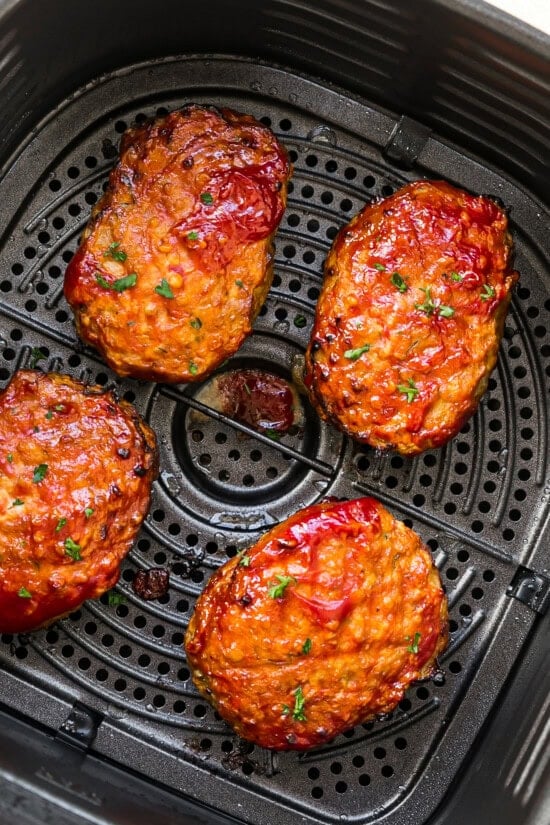
As our lives have become increasingly fast-paced, the methods we use to prepare dinner have evolved. The traditional hour-long bake in a conventional oven is no longer the only way to achieve a high-quality meatloaf. In fact, many of the most popular modern variations utilize appliances that prioritize convenience without sacrificing quality. The air fryer, for instance, has become a game-changer for those seeking to reduce cooking times while maintaining a perfectly moist interior. By utilizing convection technology, the air fryer can produce a finished loaf in nearly half the time required by traditional methods, making it an ideal solution for weeknight dinners.

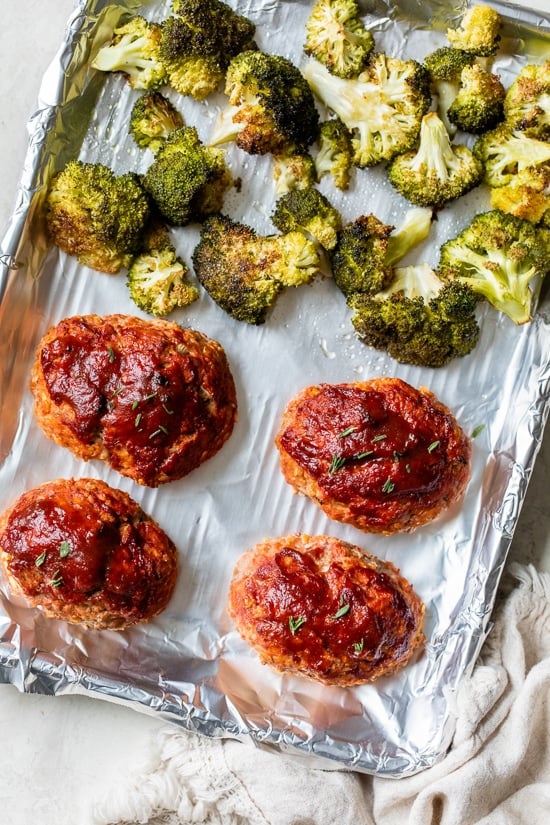
Similarly, the concept of the "sheet pan" dinner has been applied to meatloaf with great success. By shaping the meat into individual portions rather than a single, massive loaf, cooks can ensure that the meat cooks evenly and quickly. Pairing these individual loaves with roasted vegetables—such as broccoli or green beans—on the same pan simplifies the cleanup process, a crucial factor for families juggling tight schedules. This approach highlights a shift toward efficient, single-pan cooking that emphasizes both health and time management.
The innovation doesn’t stop with cooking methods; it extends to the very structure of the meatloaf itself. The "campfire" foil packet method is a perfect example of how the dish can be adapted for portability and outdoor cooking, or simply for an easy, all-in-one cleanup at home. By encasing individual turkey meatloaves with a vegetable succotash in foil, the moisture is locked in, allowing the vegetables to steam in the savory juices of the meat. This method provides a balanced, complete meal that requires minimal preparation and even less cleanup.
Ingredients and Techniques for the Perfect Loaf
Achieving the perfect meatloaf is as much about technique as it is about the ingredients themselves. A common complaint regarding meatloaf is that it can become dry or, conversely, fall apart upon slicing. The secret to a moist and cohesive loaf lies in the balance of binders and moisture-retaining additions. While eggs are a standard component, the choice of breadcrumbs or alternative binders—such as mashed sweet potato or rolled oats—plays a critical role in the final texture.

It is important for home cooks to follow the specific ratios outlined in a recipe rather than attempting to substitute binders on a one-for-one basis, as different binders interact with the proteins in the meat in unique ways. Furthermore, the practice of resting the meatloaf after it exits the oven is essential. Allowing the loaf to sit for ten to fifteen minutes before slicing ensures that the juices redistribute throughout the meat, preventing the slices from crumbling and ensuring that every bite is as tender as the first.

For those looking to move beyond traditional flavor profiles, international ingredients offer a world of possibility. The Enchilada Turkey Meatloaf, for instance, incorporates elements such as black beans, sweet corn, cilantro, and green chilies, finished with a generous coating of enchilada sauce and melted cheese. This approach demonstrates how the basic meatloaf concept can be treated as a blank canvas, capable of absorbing the bold, vibrant flavors of Mexican cuisine. Similarly, the use of Moroccan-inspired harissa sauce in a skillet-based meatloaf provides a zesty, modern twist that is ready in under thirty minutes, catering to those who prioritize flavor variety in their weekly meal planning.

Sustainability and Storage
In an era where food waste is a growing concern, the versatility of meatloaf is an asset. Because it is a dish that holds up exceptionally well to storage and reheating, it is an excellent candidate for meal prepping. Whether kept in the refrigerator for a few days or stored in the freezer for future use, meatloaf retains its structural integrity and flavor, provided it is stored correctly in airtight containers.

When considering the future of this classic dish, it is clear that its longevity is rooted in its ability to adapt. Whether through the inclusion of vitamin-rich vegetables, the adoption of faster, more efficient cooking appliances, or the exploration of diverse global seasonings, the meatloaf continues to provide a reliable and comforting solution for the modern home cook. As families continue to seek out recipes that are both nourishing and deeply satisfying, these refined iterations will undoubtedly remain a staple of the contemporary kitchen, proving that while times may change, the desire for a well-prepared, home-cooked meal remains constant.