
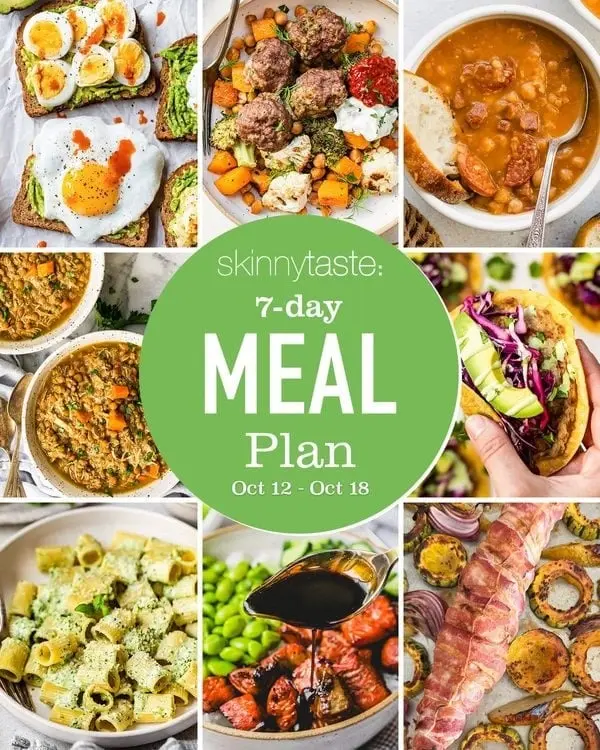
As the calendar turns to October, the shift in seasons brings a welcomed change in culinary focus. For those looking to maintain healthy eating habits while leaning into the cozy, iconic flavors of autumn, strategic meal planning has become an essential tool. This week’s release of a new, flexible seven-day meal plan offers a blueprint for navigating the transition into fall, emphasizing nutritional balance, seasonal ingredients, and the practicality of organized grocery shopping.
The latest plan provides a curated selection of breakfast, lunch, and dinner ideas, each fully integrated with macro-nutritional data and Weight Watchers points. This focus on flexibility is designed to accommodate individual health goals, allowing users to treat the schedule as a guiding framework rather than a rigid mandate. With grocery prices currently reflecting broader economic pressures, the emphasis on organized, efficient shopping has become a focal point for many households aiming to reduce food waste and minimize the frequency of dining out.
The Nutritional Power of Pumpkin
At the heart of this week’s seasonal focus is the pumpkin. Beyond its role as a festive staple, pumpkin is a nutritional powerhouse, dense with beta-carotene, vitamin A, potassium, fiber, and various antioxidants. Integrating this ingredient into a weekly rotation offers both health benefits and a psychological connection to the time of year.
The current meal plan highlights the versatility of pumpkin, demonstrating that it can be adapted for both savory and sweet profiles. For those seeking comfort, options like Roasted Pumpkin Sage Soup or a hearty Beef Stew on Pumpkin provide satisfying, nutrient-dense meals. Conversely, for those looking to satisfy seasonal cravings in a lighter format, the plan incorporates items like Pumpkin Pie Dip, which can serve as a festive centerpiece, and low-fat pumpkin bread, which functions well as a wholesome breakfast or a quick, healthy snack.
Navigating Flexibility and Caloric Needs
One of the core tenets of these weekly guides is the recognition that there is no "one-size-fits-all" approach to nutrition. While the provided meal plan is structured to provide a consistent foundation, it is intentionally designed with "wiggle room." This allows individuals to adjust their intake based on their specific goals, age, weight, and activity levels.
The baseline for the plan is calibrated to assist those who may require at least 1,500 calories per day, though users are encouraged to utilize resources like official government health calculators to determine their unique requirements. The flexibility inherent in this system means that individuals are free to incorporate additional snacks, beverages, fruits, or even indulgences like wine or dessert, provided they fit within their broader dietary framework. By offering a solid structure with room for personal preference, the plan seeks to foster a sustainable relationship with food rather than one defined by restriction.
The Economic Case for Structured Planning
In an environment where food costs are rising, the practical benefits of meal planning extend beyond nutritional management into the realm of personal finance. By utilizing a comprehensive, organized grocery list, consumers can streamline their shopping trips, ensuring they purchase exactly what is needed for the week’s recipes. This systematic approach serves a dual purpose: it mitigates the temptation of impulsive, unnecessary purchases and significantly reduces the amount of food discarded at the end of the week.
Furthermore, the act of planning out one’s meals for the week acts as a deterrent to the common habit of last-minute dining out, which is often both more expensive and less nutritionally controlled than home-cooked meals. To further support those looking to maximize their budgets, there are additional resources available, such as specialized budget-friendly meal planning series, which provide further guidance on maintaining healthy habits without overextending one’s finances.

A Look at the Weekly Schedule
The structure of this week’s plan is carefully balanced, with breakfast and lunch options designed for the individual, while dinners and weekend meals are scaled for a family of four. This approach simplifies the cooking process for the busy work week while allowing for shared meals during the weekend.
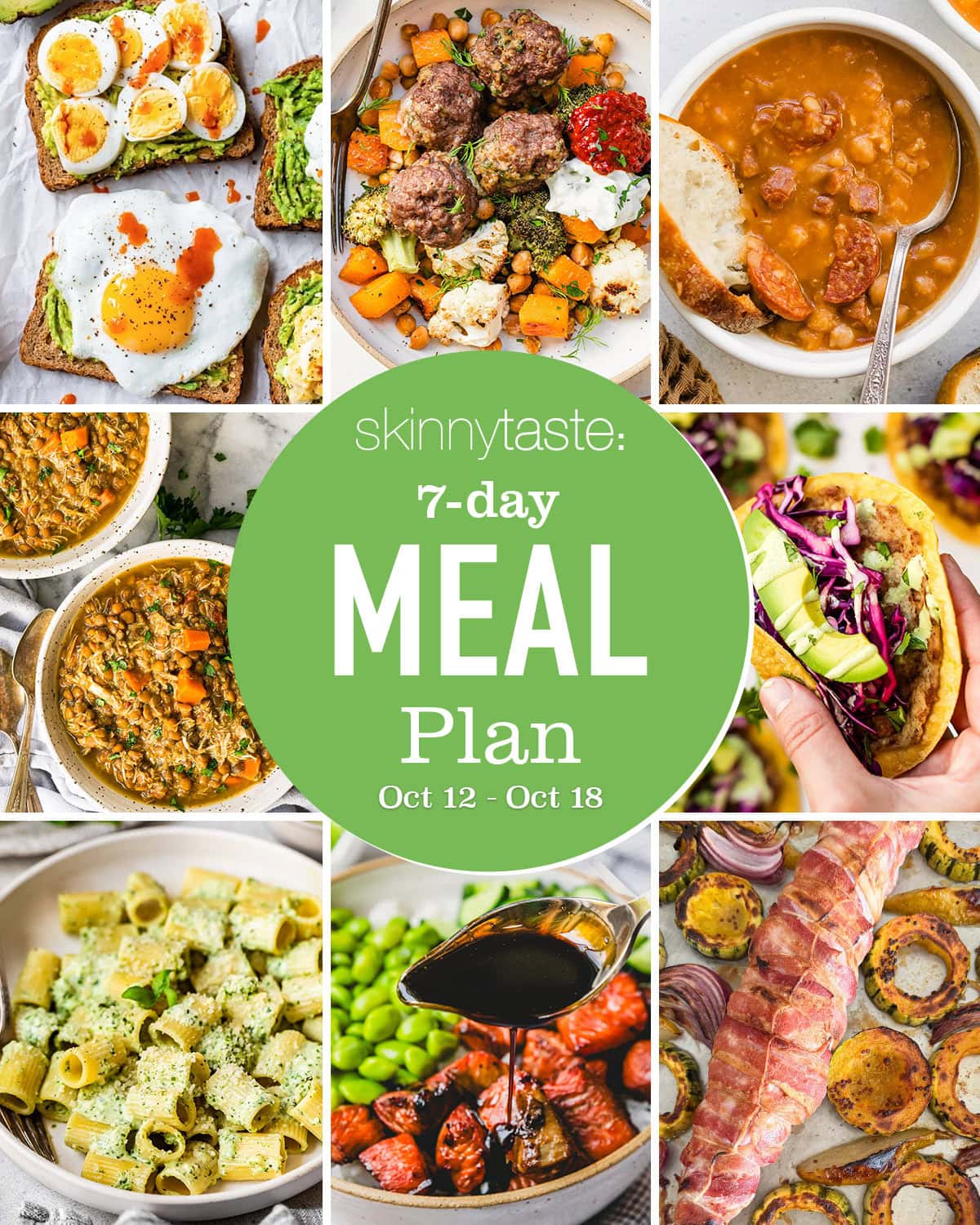
The week begins on Monday with a focus on quick, efficient preparations, such as Avocado Toast with a sunny-side-up egg and a light Cranberry Chicken Salad served on apple slices for lunch. The dinner rotation throughout the week showcases a blend of familiar comfort and innovative flavors, moving from a Creamy Pesto Pasta with cottage cheese on Monday to Chicken Smash Tacos with a creamy jalapeno sauce on Tuesday. Mid-week offerings include an Instant Pot Spanish Garbanzo Stew, which serves as a testament to the efficiency of modern kitchen appliances in producing high-quality, healthy meals in a shorter timeframe.
As the week progresses toward the weekend, the schedule incorporates more involved, celebratory meals. Saturday breakfast features Pumpkin Pancake Muffins, leaning into the seasonal theme, while Sunday concludes with a more substantial dinner of Bacon-Wrapped Pork Tenderloin accompanied by a fresh, crisp salad of shredded Brussels sprouts with lemon and oil.
Community and Continued Support
For those engaging with these meal plans, the experience is not intended to be a solitary one. The growth of community-based platforms, such as dedicated social media groups, has allowed participants to share their own culinary results, offer variations on the recipes, and provide mutual encouragement. This social element plays a significant role in the longevity of healthy habits, as it transforms the act of meal planning from a chore into a communal, shared interest.
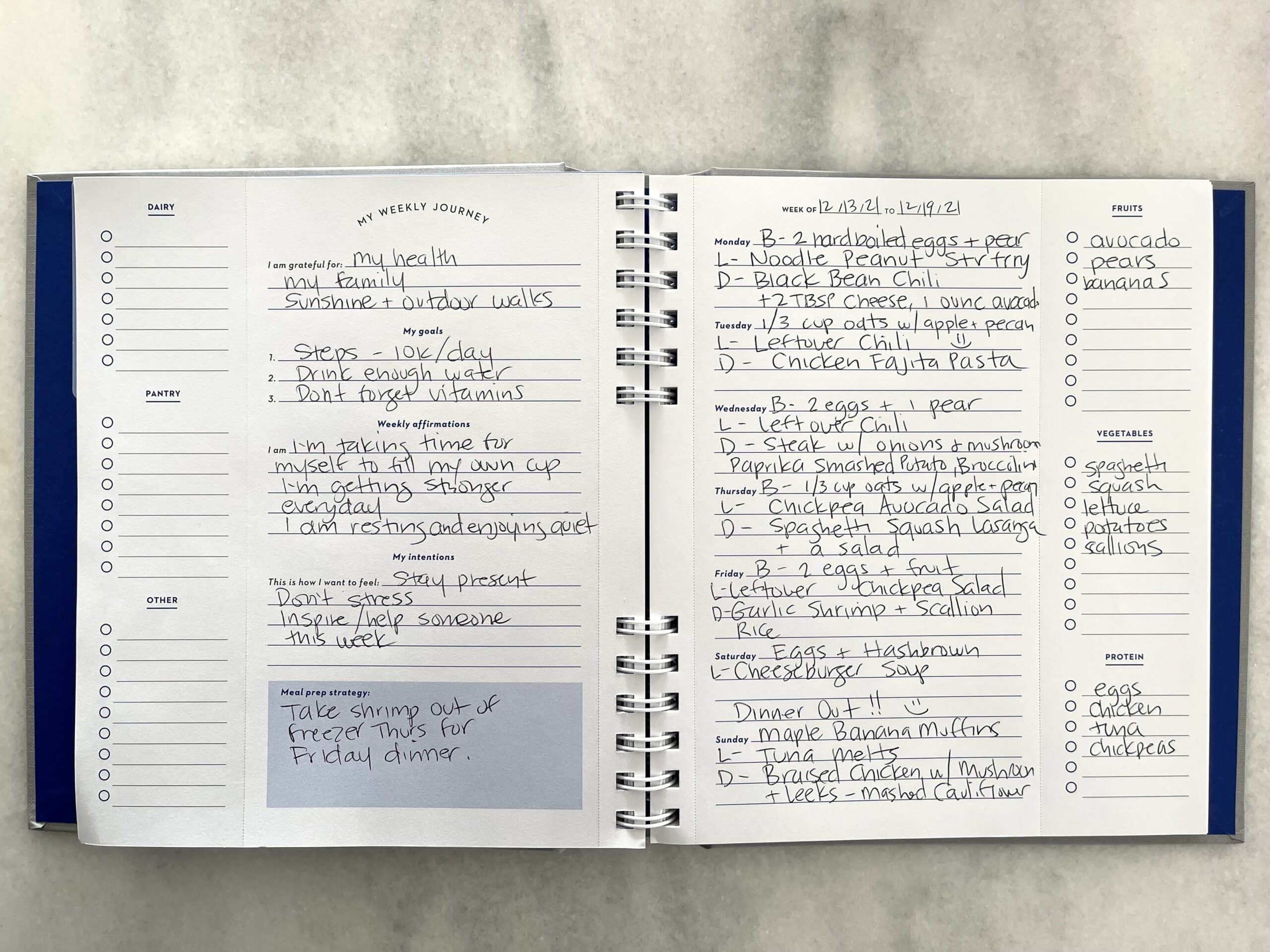
In addition to the digital resources, there has been an increased demand for physical planning tools, such as spiral-bound meal planners that include space for gratitude, affirmations, and intentions. These tools suggest a shift in perspective, where the process of preparing food is viewed as a form of self-care. Whether through the use of these physical planners or the digital accessibility of email lists and online recipe indices, the goal remains the same: to provide the necessary structure to make healthy living both attainable and enjoyable.
As October continues, the combination of seasonal ingredients and intentional planning offers a clear path forward for those looking to maintain their health objectives. By focusing on the fundamentals of nutrition, the economic reality of the grocery store, and the importance of flexibility, these weekly plans serve as a reliable guide for navigating the demands of daily life.