
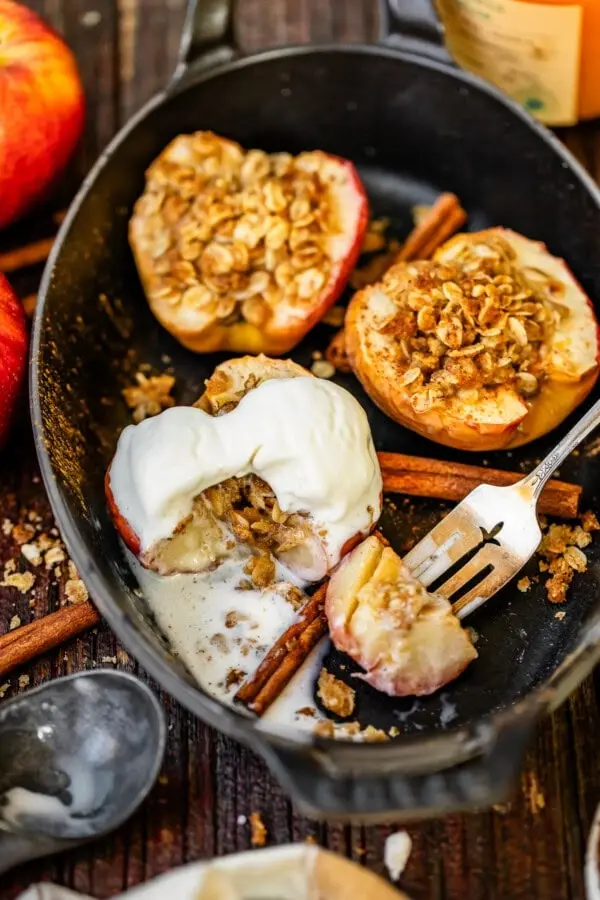
As the autumn season settles in, the annual tradition of apple picking brings an abundance of fresh, crisp fruit into households across the country. For many home cooks, this seasonal bounty presents a delightful dilemma: how to best utilize a large haul of apples without committing to the labor-intensive process of preparing complex pies or large-scale crumbles. The solution, increasingly favored for its balance of convenience and flavor, is the classic baked apple. This straightforward, rustic dessert offers the comforting essence of a traditional apple crisp while stripping away the need for tedious peeling, dicing, or lengthy oven times.
At its heart, the appeal of the baked apple lies in its inherent simplicity. By treating the apple as its own vessel, the fruit’s natural sugars caramelize during the baking process, resulting in a soft, tender interior that pairs perfectly with a crisp, golden topping. Unlike traditional crisps that require substantial preparation, this method relies on minimal ingredients and a focus on high-quality produce. The result is an individual serving that feels sophisticated enough for guests yet remains accessible enough for a quick weeknight indulgence.
The Anatomy of a Perfect Baked Apple
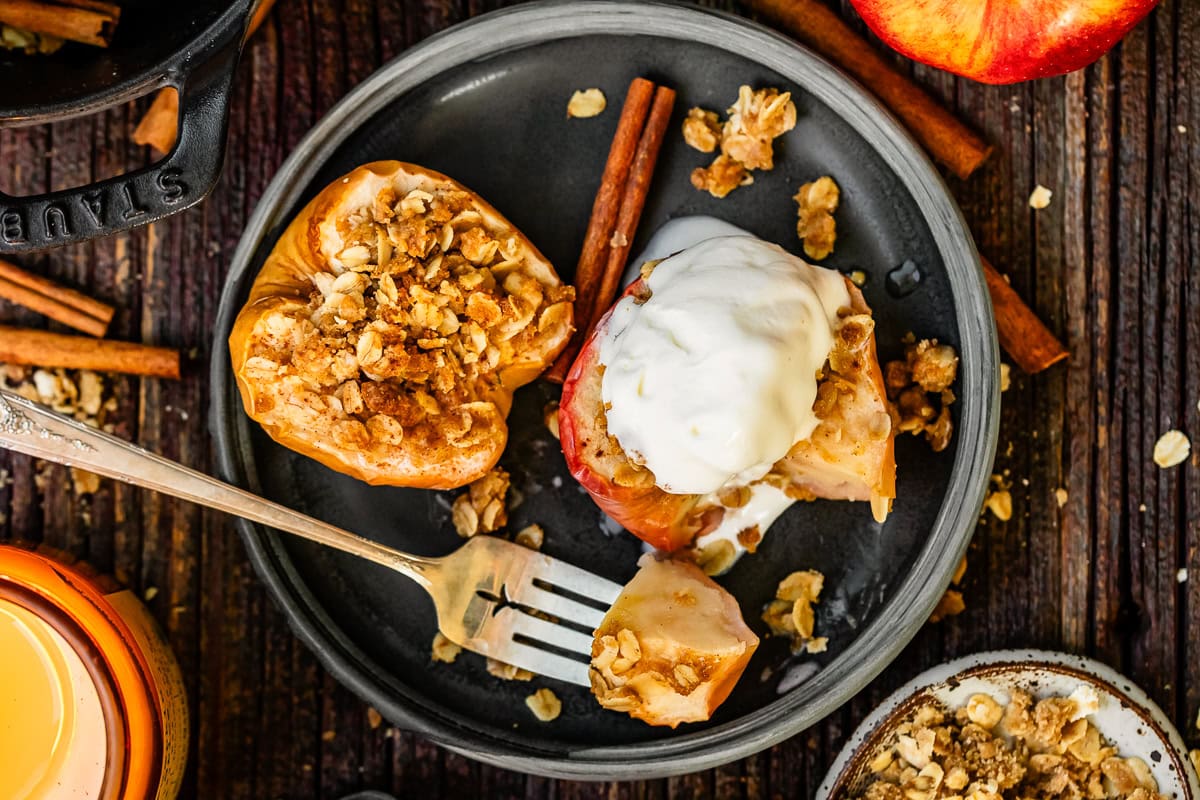
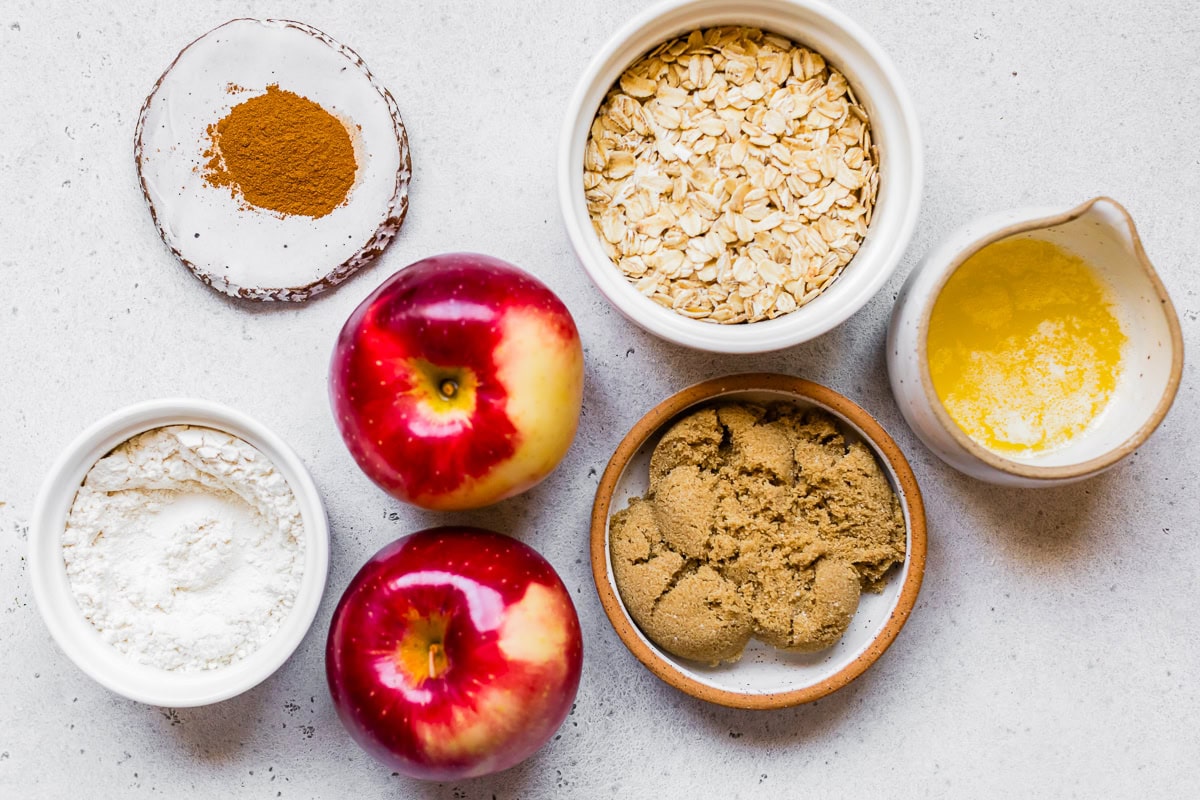
The fundamental premise of the recipe is to eliminate the unnecessary steps of peeling and chopping. By simply slicing the apples in half and removing the cores and seeds, the cook creates a natural bowl. This minimal intervention allows the fruit to maintain its structural integrity while softening in the heat of the oven. When paired with a topping of oats, cinnamon, and a modest amount of brown sugar, the fruit transforms into a dish that evokes the nostalgia of autumn baking.
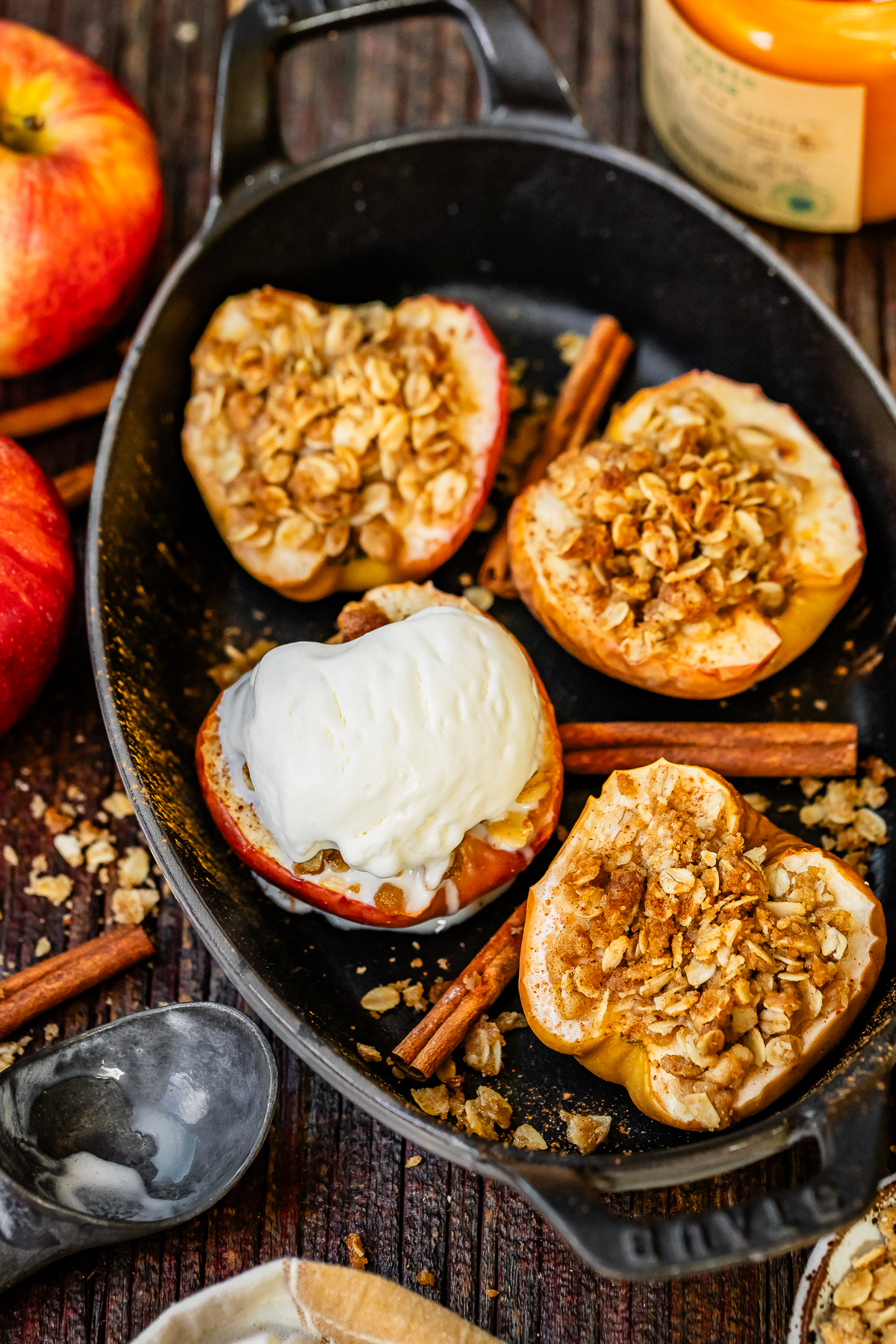
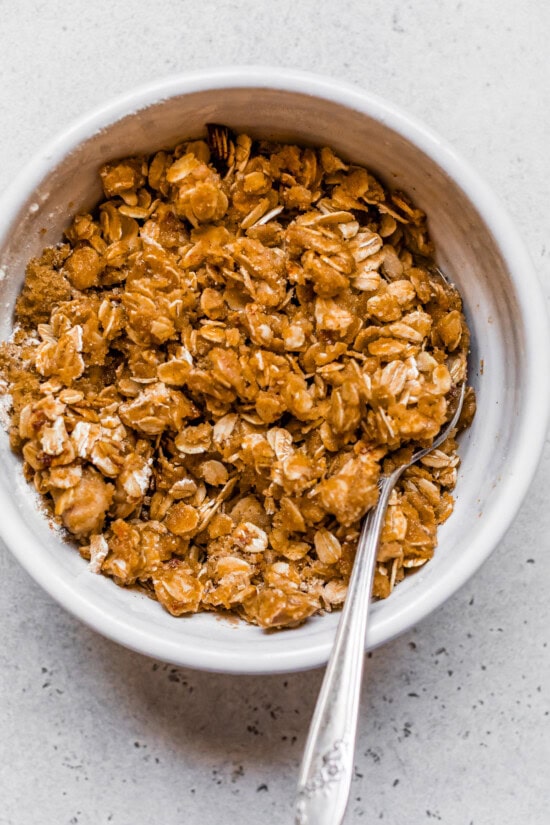
The cinnamon-oat crumble acts as a textural counterpoint to the softened apple flesh. As the oven temperature works its magic, the oats toast to a golden brown, creating a satisfying crunch that mimics the experience of a much larger, more involved dessert. This dish is frequently cited by culinary enthusiasts for its versatility; it serves as a blank canvas that can be elevated with simple additions like a scoop of high-quality vanilla ice cream, turning a humble fruit preparation into a decadent, restaurant-style treat.
Selecting the Right Fruit for the Oven
A common question among home cooks involves the selection of the ideal apple variety for baking. While personal preference often dictates the choice, the characteristics of different apples can significantly alter the final outcome of the dish. For those who prefer a dessert with a more pronounced tartness—perhaps to balance the sweetness of the brown sugar topping—the Granny Smith apple remains a gold standard. Its firm flesh holds up well under heat, ensuring the apple does not turn into applesauce during the baking process.
Conversely, for those who favor a sweeter profile, varieties such as Gala, Pink Lady, or Honeycrisp are excellent choices. These apples possess a natural sweetness that intensifies when baked, offering a richer flavor profile that requires less added sugar. Experienced cooks often suggest that there is no singular "correct" choice, and experimenting with a mix of varieties can lead to a more complex, layered flavor experience. The goal is to choose an apple that retains its shape and provides a satisfying mouthfeel once cooked.

Strategic Planning for Entertaining
One of the most practical aspects of the baked apple is its suitability for entertaining. Hosting guests during the fall season often involves balancing multiple tasks in the kitchen. The structure of this recipe allows for significant pre-preparation, which can reduce stress during a dinner party. The oat crumble topping can be assembled a full day in advance and stored, while the apples themselves can be halved and cored a few hours before service.
By prepping the components early, the final assembly becomes a matter of minutes. Sliding the prepared fruit into the oven just thirty minutes before serving ensures that the kitchen fills with the scent of cinnamon and toasted oats, creating an inviting atmosphere for guests. This timing allows the host to focus on the main meal, knowing that a warm, freshly baked dessert is waiting in the wings.

Nutritional Considerations and Culinary Flexibility
While often enjoyed as an indulgent treat, baked apples provide a more health-conscious alternative to many traditional pastry-heavy desserts. A standard serving, consisting of half an apple with the associated oat topping, contains approximately 154 calories. With about 27 grams of carbohydrates and a modest 3 grams of fiber, the dish offers a satisfying sweetness without the heavy caloric density of traditional pies or cakes. For those managing dietary restrictions, the recipe is easily adaptable. Using certified gluten-free oats allows the dish to fit into a gluten-free lifestyle, while the simplicity of the ingredient list makes it easy to monitor sugar and fat intake.
Beyond the standard preparation, the dish is highly receptive to personal variations. Some cooks choose to incorporate chopped nuts, such as walnuts or pecans, into the oat topping to add a deeper, earthier crunch. Others may experiment with spices beyond cinnamon, such as a hint of nutmeg, cardamom, or ground ginger to create a warmer, more aromatic profile. The ability to customize the dish to suit individual tastes is part of what keeps this recipe a staple in home kitchens year after year.
The Role of Simplicity in Modern Cooking
In an era where many recipes demand specialized equipment or hours of attention, the enduring popularity of the baked apple serves as a reminder of the power of simplicity. It does not require a food processor, a standing mixer, or complex techniques. It celebrates the ingredient itself—the seasonal apple—and enhances it with just enough warmth and sweetness to create something memorable.
As interest in home cooking continues to evolve, the shift toward recipes that are both accessible and rewarding remains a strong trend. The baked apple represents a perfect intersection of these values. It honors the seasonal rhythms of the fall harvest while providing a practical, time-efficient solution for busy households. Whether served as a simple after-dinner treat or as a refined conclusion to a seasonal gathering, the baked apple remains a testament to the idea that the best dishes are often the ones that rely on the quality of their components and the clarity of their execution.
As the season progresses, those who find themselves with a surplus of fruit can take comfort in the knowledge that a satisfying, warm, and delicious dessert is always within reach. The combination of softened, aromatic fruit and a golden, textured topping is a classic for a reason—it is a recipe that, in its quiet, unassuming way, captures the essence of autumn in every bite.