
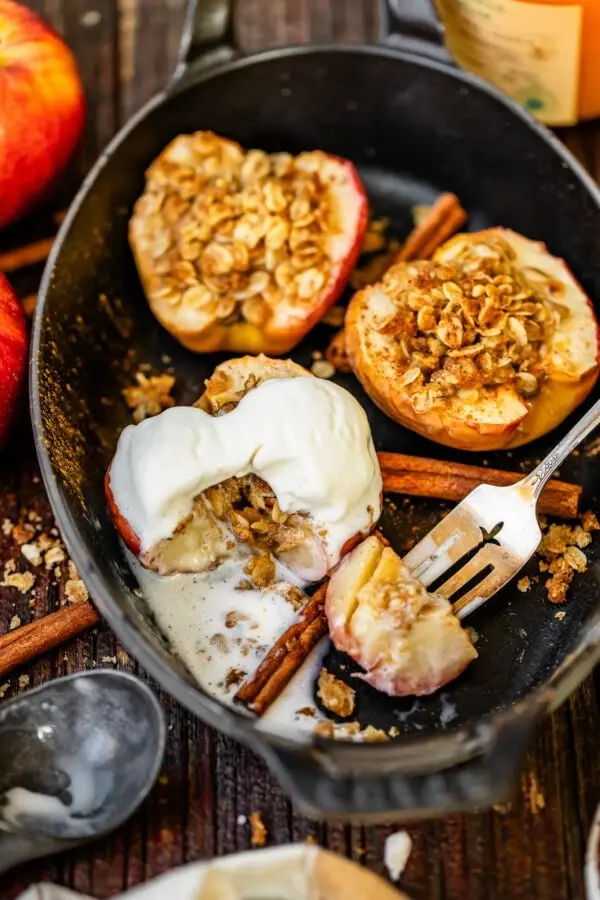
As the air turns crisp and the autumn harvest brings an abundance of fresh fruit to markets and local orchards, home cooks are frequently seeking ways to celebrate the season without the labor-intensive requirements of traditional baking. Among the most enduring and beloved solutions is the classic baked apple—a dish that offers the comfort of an apple crisp but with a fraction of the preparation time and effort. By focusing on the natural sweetness of the fruit and a simple, golden oat topping, this minimalist approach to dessert has regained popularity as a staple for busy households during the fall months.
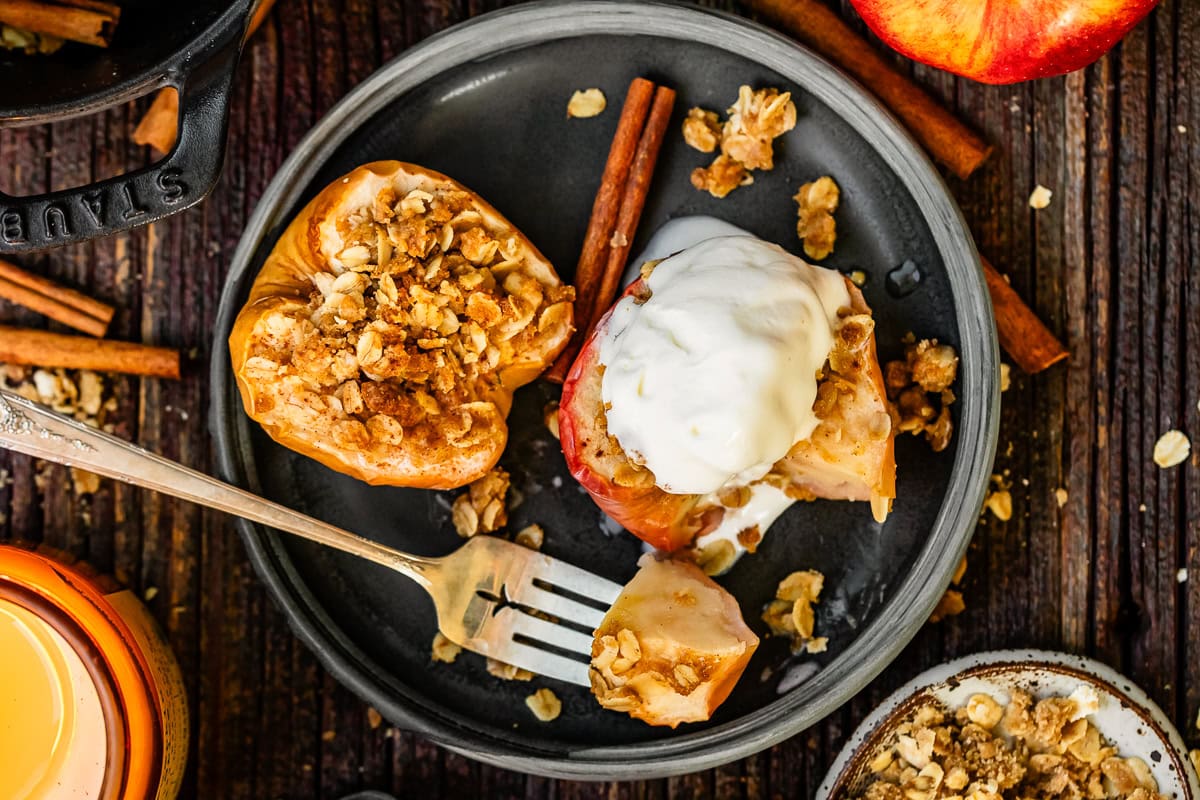
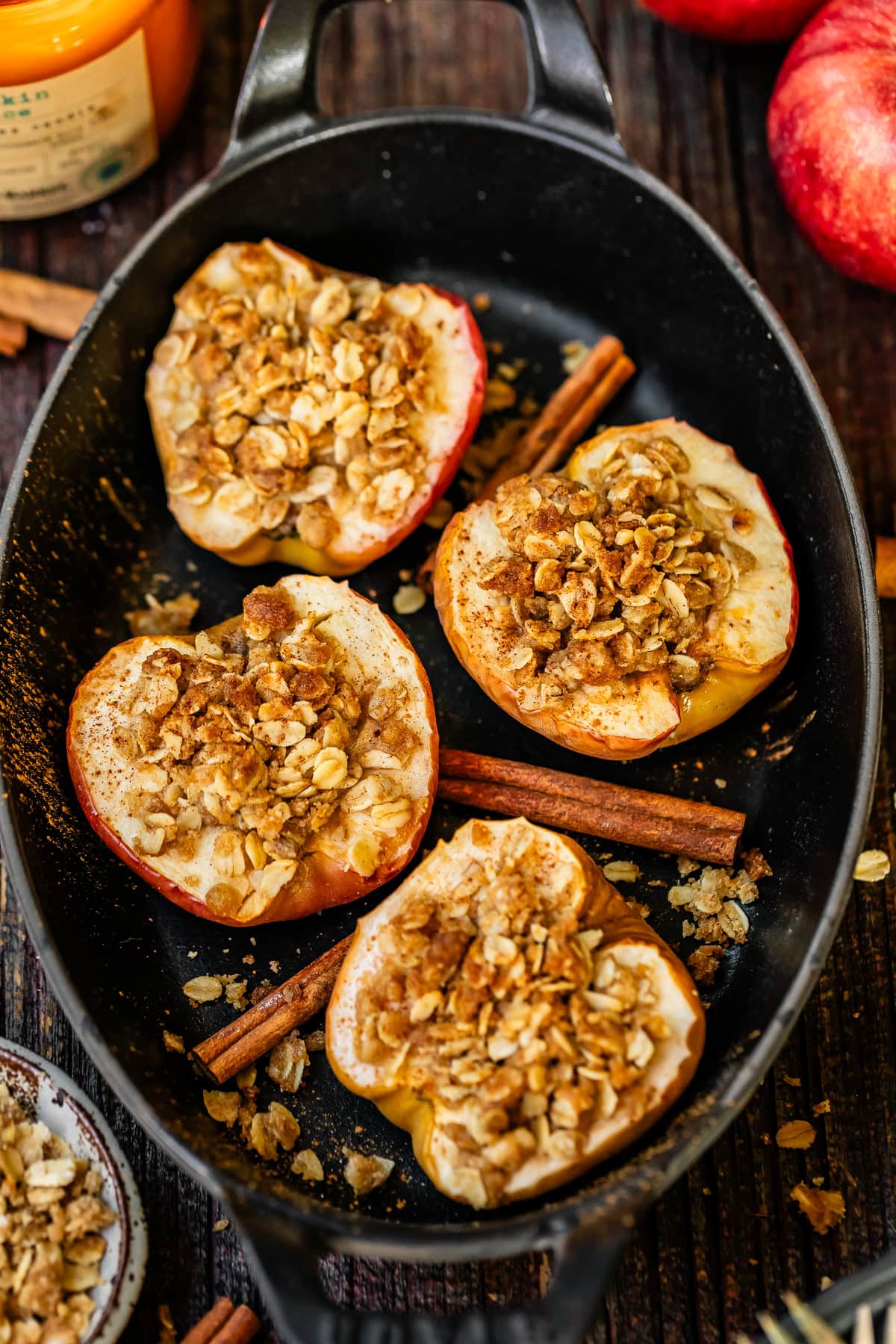
The appeal of the baked apple lies in its inherent simplicity. Unlike complex pies or large-scale crumbles that require extensive peeling, dicing, and precise crust manipulation, the baked apple treats the fruit as its own vessel. By merely halving the apples and removing the cores, the fruit is transformed into an individual serving that softens perfectly in the oven. The result is a warm, tender texture that pairs elegantly with the crunch of a cinnamon-infused oat crumble. It serves as a reminder that the best seasonal desserts often rely on the quality of the ingredients rather than the complexity of the preparation.
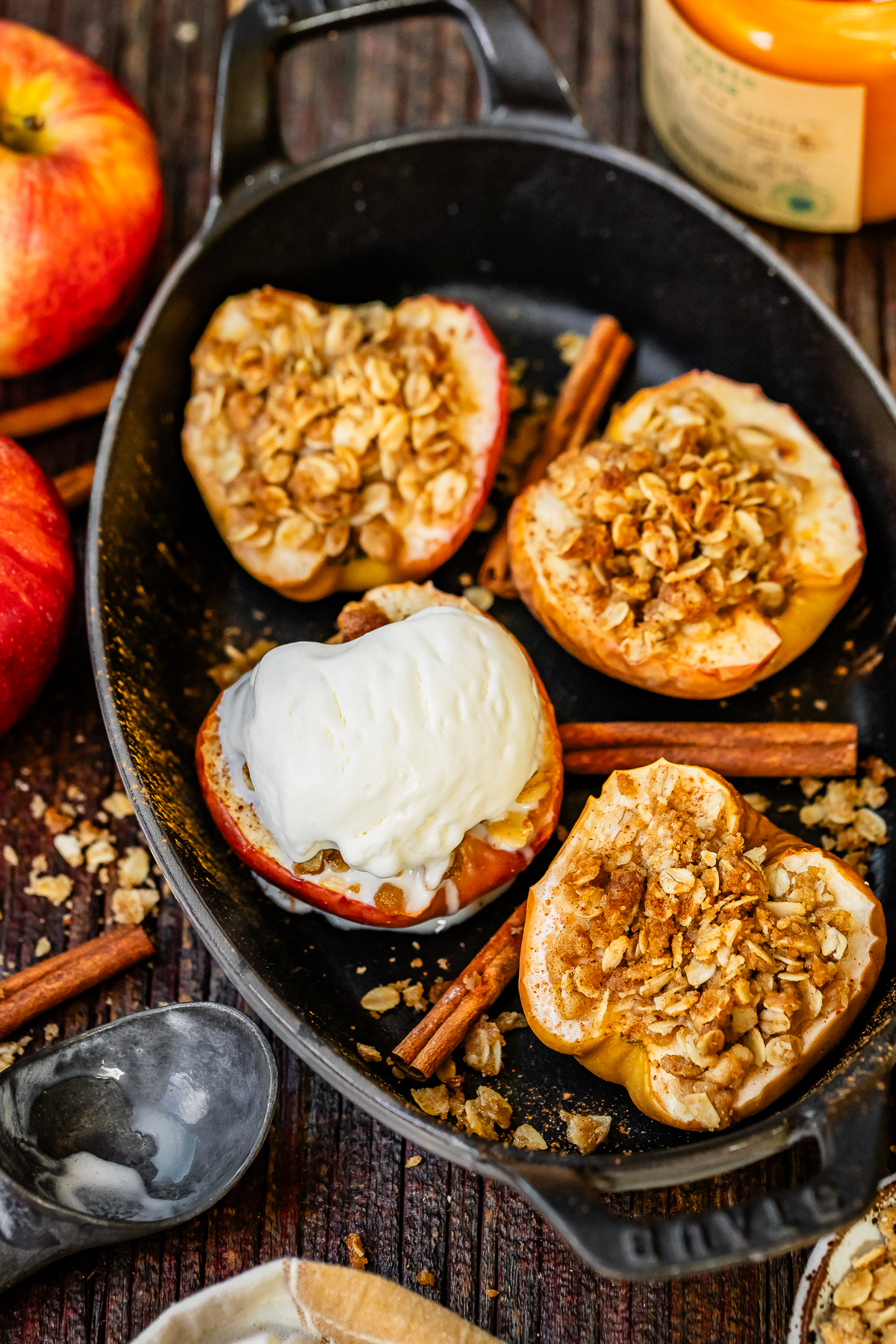
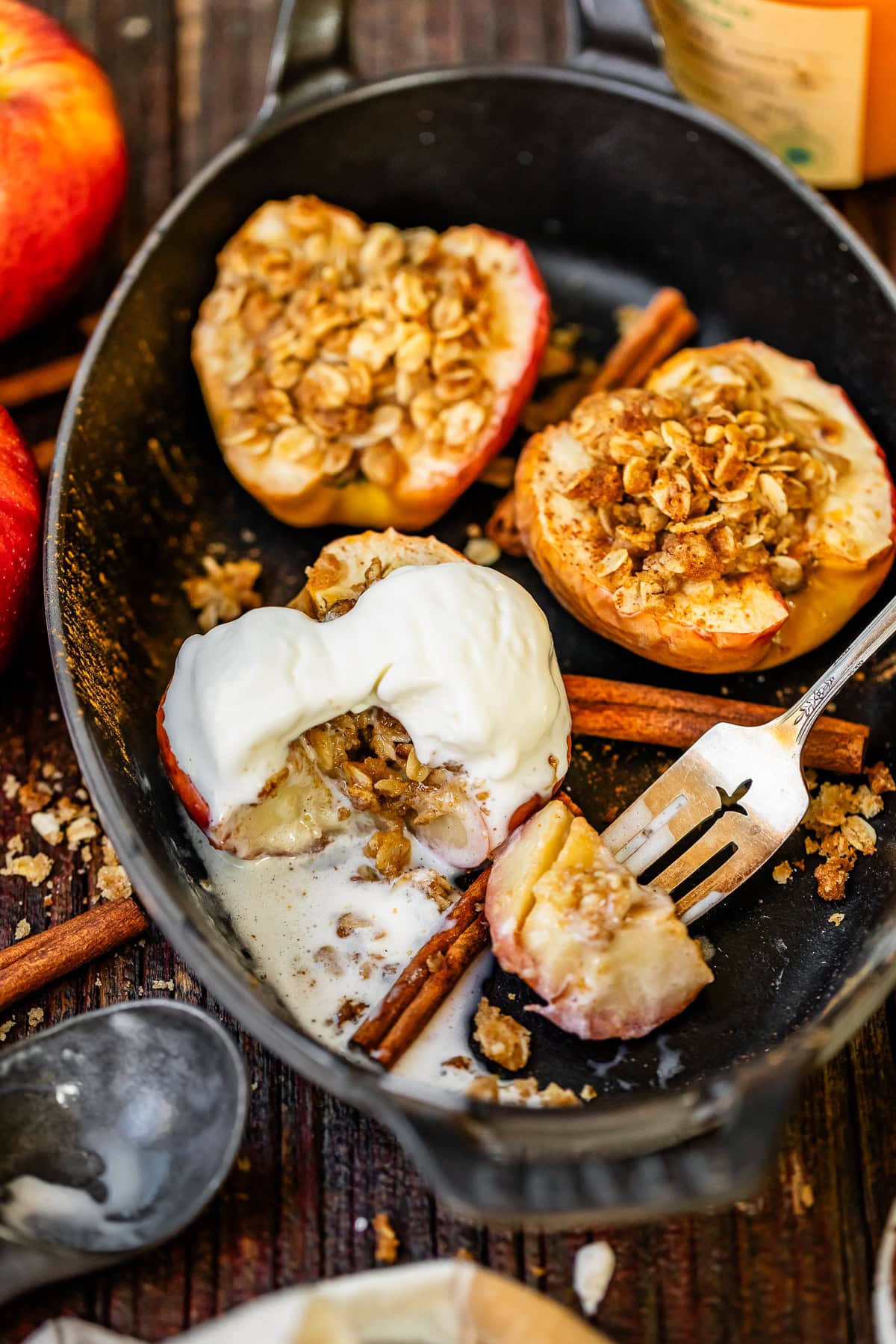
For those who make a tradition of visiting local orchards during the peak of the harvest, the challenge is often finding efficient ways to utilize a large volume of fresh fruit. While an elaborate apple crisp is a traditional choice, the individual baked apple provides a more manageable, portion-controlled alternative. It creates a bridge between healthy, fruit-forward snacking and the indulgence of a warm dessert, particularly when served with a modest scoop of vanilla ice cream or a dollop of yogurt. This versatility has allowed the dish to remain a favorite for both casual family weeknight dinners and more formal gatherings.

Choosing the right variety of apple is the primary decision a cook must make, as it significantly impacts the final profile of the dessert. Culinary experts and home cooks alike often point out that the choice of fruit depends entirely on personal preference regarding sweetness and texture. For those who enjoy a sharper, more tart flavor profile, Granny Smith apples remain the gold standard, providing a necessary acidity that balances the richness of the brown sugar and butter in the topping. Conversely, for those who prefer a sweeter, more mellow dessert, varieties such as Gala, Pink Lady, or the ever-popular Honeycrisp are ideal candidates. These varieties maintain their structure well under heat, ensuring the dish does not become overly mushy while still achieving the desired tenderness.

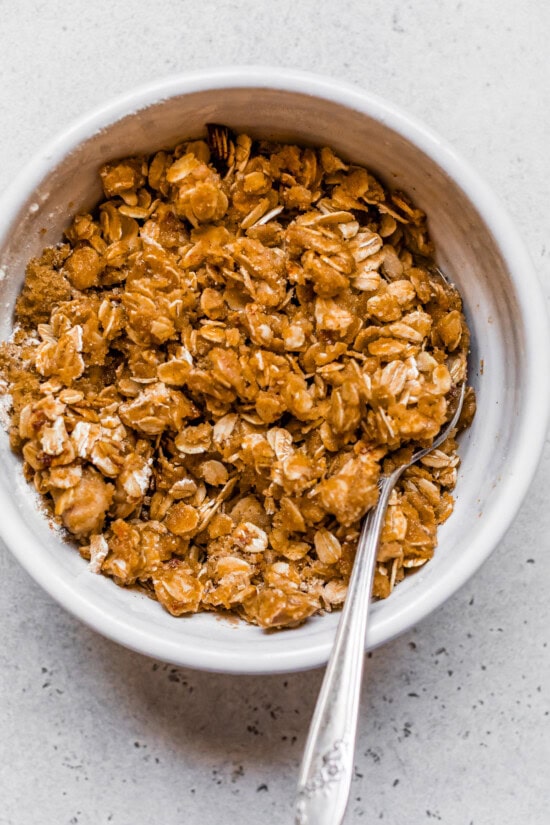
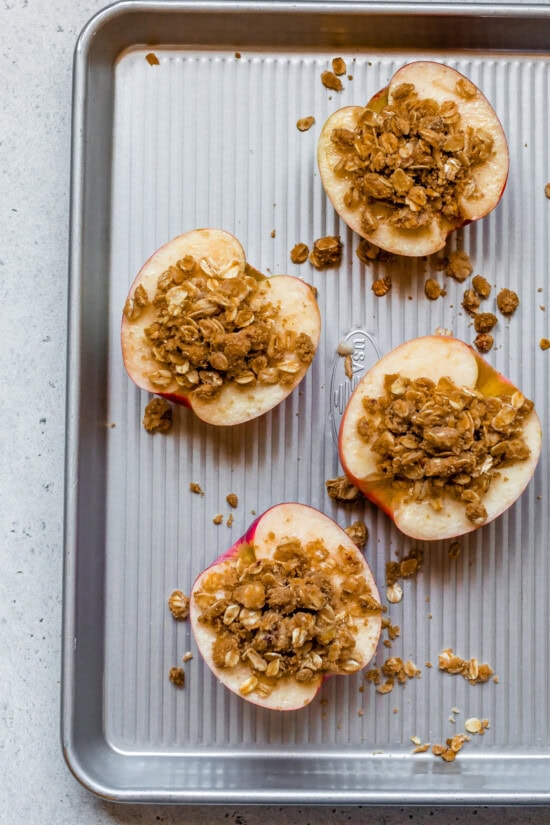
The preparation process is remarkably straightforward, emphasizing convenience for the modern home cook. The topping—a blend of oats, cinnamon, and brown sugar—can be prepared well in advance, making this an ideal recipe for those who enjoy planning ahead for guests. By keeping the dry ingredients ready, the actual assembly takes mere minutes. Once the apples are halved and cleaned of their seeds and cores, they can be topped and placed in the oven, filling the kitchen with the signature aroma of baked cinnamon and caramelized sugar. This efficiency is precisely why the dish has become a reliable standby for many, as it removes the stress often associated with baking during the holiday season.
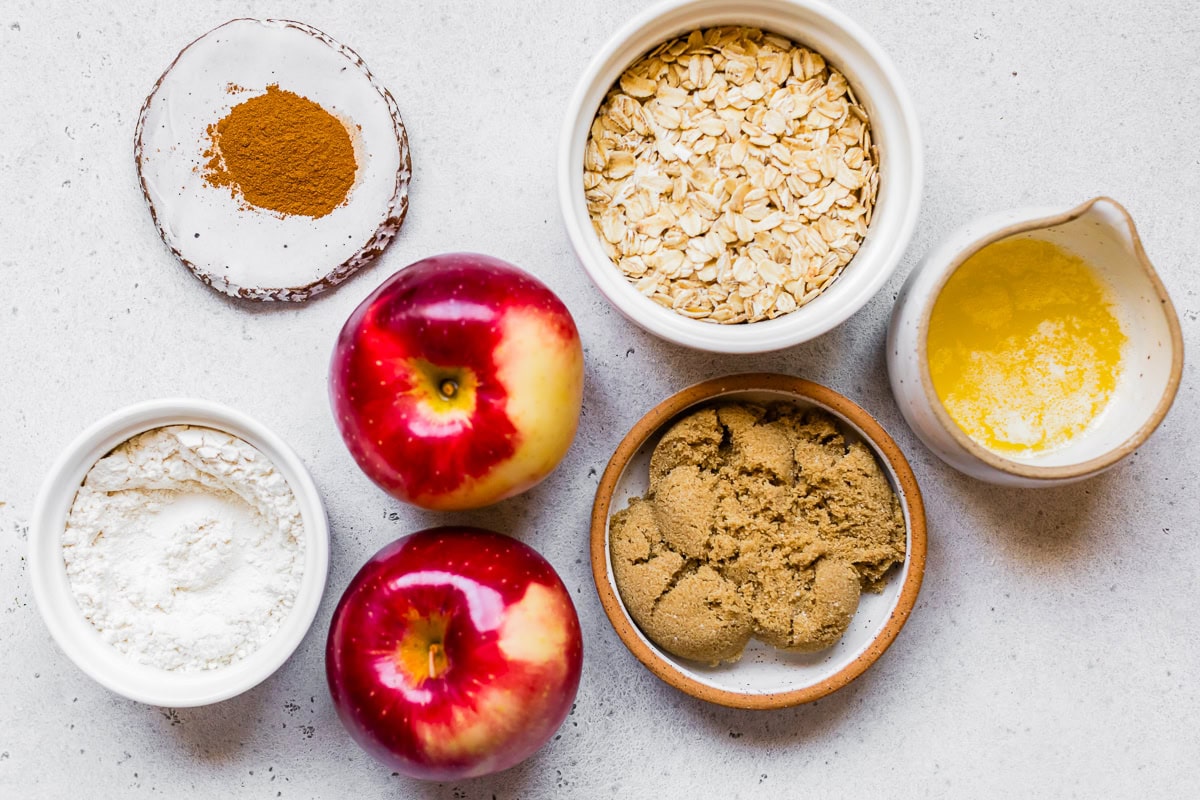
The flexibility of the recipe allows for significant creativity, as the basic foundation can be adapted to accommodate various dietary preferences or pantry staples. While the standard oat-and-cinnamon topping is the traditional choice, many variations exist, including the incorporation of nuts like walnuts or pecans for added texture, or even a hint of nutmeg or ginger to deepen the autumn flavor profile. Furthermore, the concept is not limited to apples; similar techniques can be applied to pears, which offer a different, softer texture that pairs beautifully with ingredients like honey and warm spices. This adaptability ensures that the method remains a relevant technique in any home cook’s repertoire throughout the harvest season.
Beyond the flavor and ease of preparation, there is a nutritional benefit to choosing baked fruit as a dessert. A standard serving, consisting of half an apple with a modest amount of topping, offers a balance of fiber and natural sugars, coming in at approximately 154 calories. This makes it a significantly lighter alternative to many heavier, fat-laden pastries. The presence of fiber, combined with the modest use of fats and sugars, provides a satisfying end to a meal without the heavy feeling often associated with more decadent desserts.
Proper storage is another practical aspect of the dish that adds to its appeal. Should there be leftovers—a rarity in many households—the baked apples can be stored easily and reheated, maintaining much of their original texture and flavor. This makes them a practical choice for meal prep, allowing a household to have a quick, healthy dessert option ready to go at a moment’s notice.
As the season progresses and the availability of fresh apples continues to dominate the produce sections, the trend toward simpler, ingredient-focused desserts shows no signs of slowing down. Whether served as a simple treat for the family or as a sophisticated final course for dinner guests, the baked apple represents a timeless intersection of comfort and convenience. It is a dish that honors the simplicity of the harvest, requiring nothing more than a few pantry staples and a bit of heat to create something truly evocative of the season.
For those looking to expand their repertoire, the culinary community continues to offer a wealth of similar, fruit-forward recipes that lean into the same philosophy of high-impact, low-effort cooking. Whether it is through exploring different apple varieties or experimenting with subtle spice combinations, the baked apple remains a foundational skill for any cook looking to celebrate the best of autumn’s bounty. The lasting success of this simple dish confirms that when it comes to dessert, sometimes the most rewarding results are achieved by keeping things simple and letting the fruit shine.