
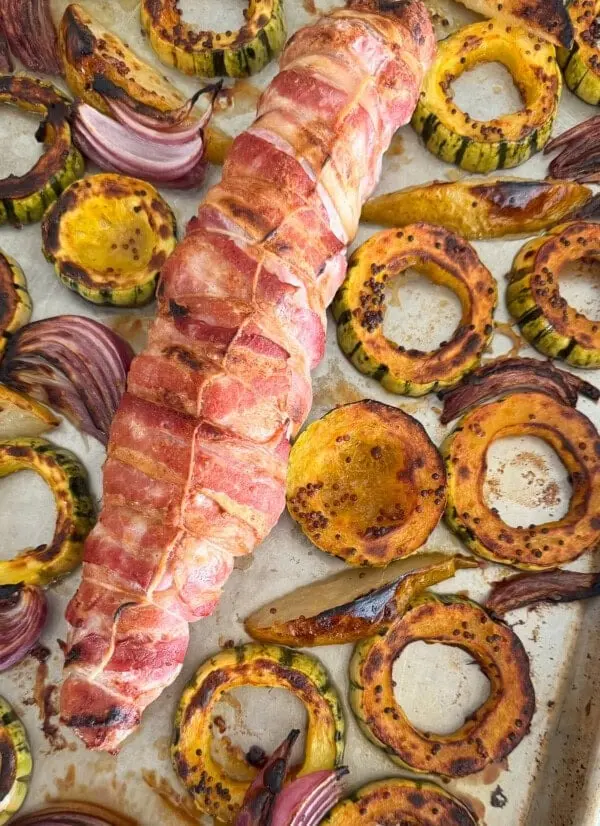
As the culinary landscape shifts toward the comfort and depth of seasonal fall flavors, home cooks are increasingly seeking efficient ways to marry sophistication with convenience. A notable entry into this category is the newly released recipe for a Bacon-Wrapped Pork Tenderloin, a dish that utilizes the efficiency of a single sheet pan to produce a high-quality, restaurant-style meal. By combining the savory, smoky profile of bacon with the natural sweetness of delicata squash, caramelized onions, and roasted pears, the dish offers a balanced flavor profile that caters to both the palate and the need for simplified preparation.
The appeal of this recipe lies in its architectural simplicity. By roasting the protein and its accompaniments on a single sheet pan, the cooking process allows the juices from the bacon to season the vegetables and fruit, creating a cohesive dish where the components are elevated by their interaction in the oven. The inclusion of whole-grain mustard and maple syrup acts as a bridge between the savory and sweet elements, providing a tangy, caramelized finish that has become a hallmark of modern autumn comfort food.
The Evolution of the Sheet Pan Dinner
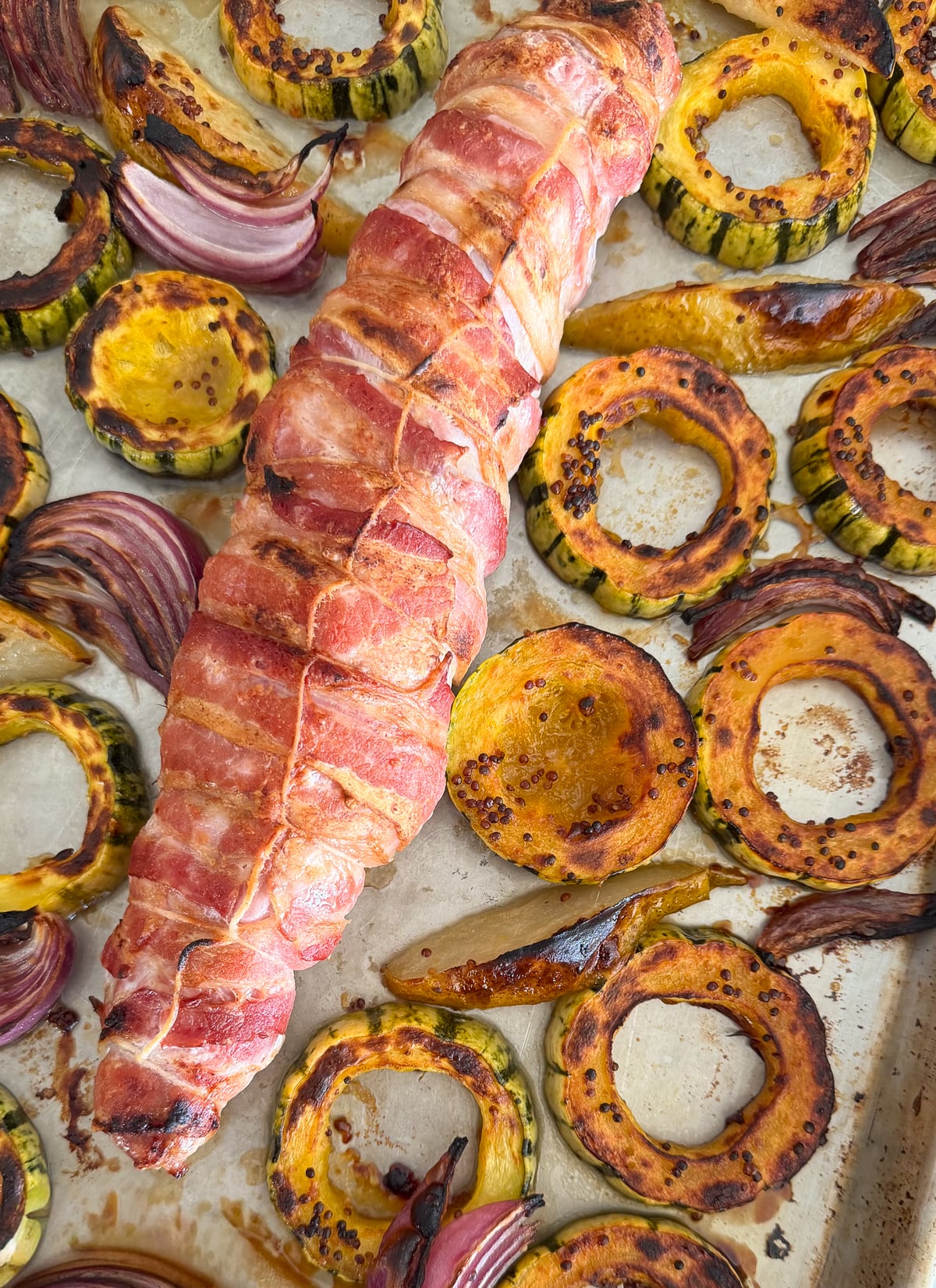
Sheet pan cooking has undergone a significant transformation in recent years, moving away from simple vegetable roasts toward more complex, multi-component meals. This specific pork tenderloin preparation serves as a case study for this trend. The process begins by wrapping the tenderloin—a naturally lean and mild cut of meat—in slices of bacon. The bacon serves a dual purpose: it provides a protective layer that keeps the lean pork moist throughout the roasting process and imparts a deep, smoky flavor that permeates the meat.
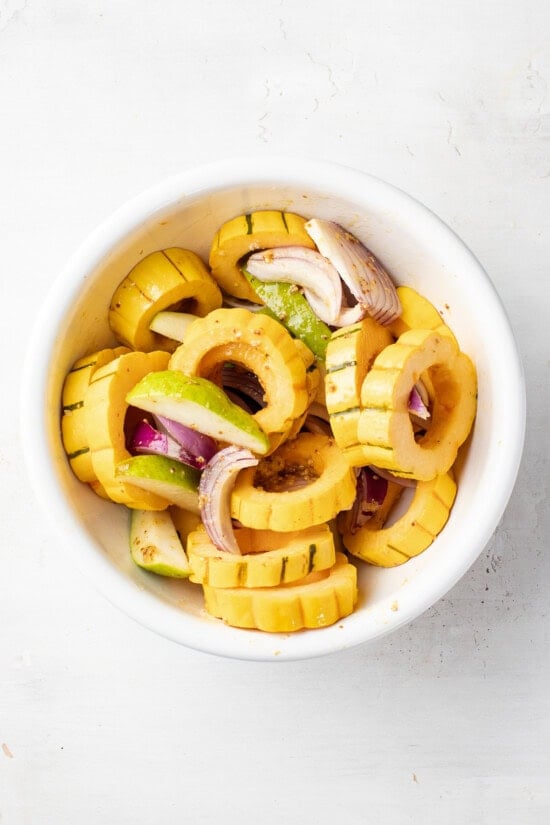
For those unfamiliar with the cut, the delicata squash serves as an ideal partner. Known for its thin, edible skin and sweet, nutty flesh, it requires less prep time than sturdier winter squashes like butternut or acorn, making it particularly well-suited for a weeknight dinner. When paired with red onions and pears, the squash caramelizes under high heat, softening its texture and intensifying its natural sugars. This interaction between the savory, salt-cured bacon and the roasted fruit and vegetables is what defines the dish’s character, offering a contrast that is often associated with more time-consuming culinary techniques.

Culinary Considerations and Ingredient Profiles
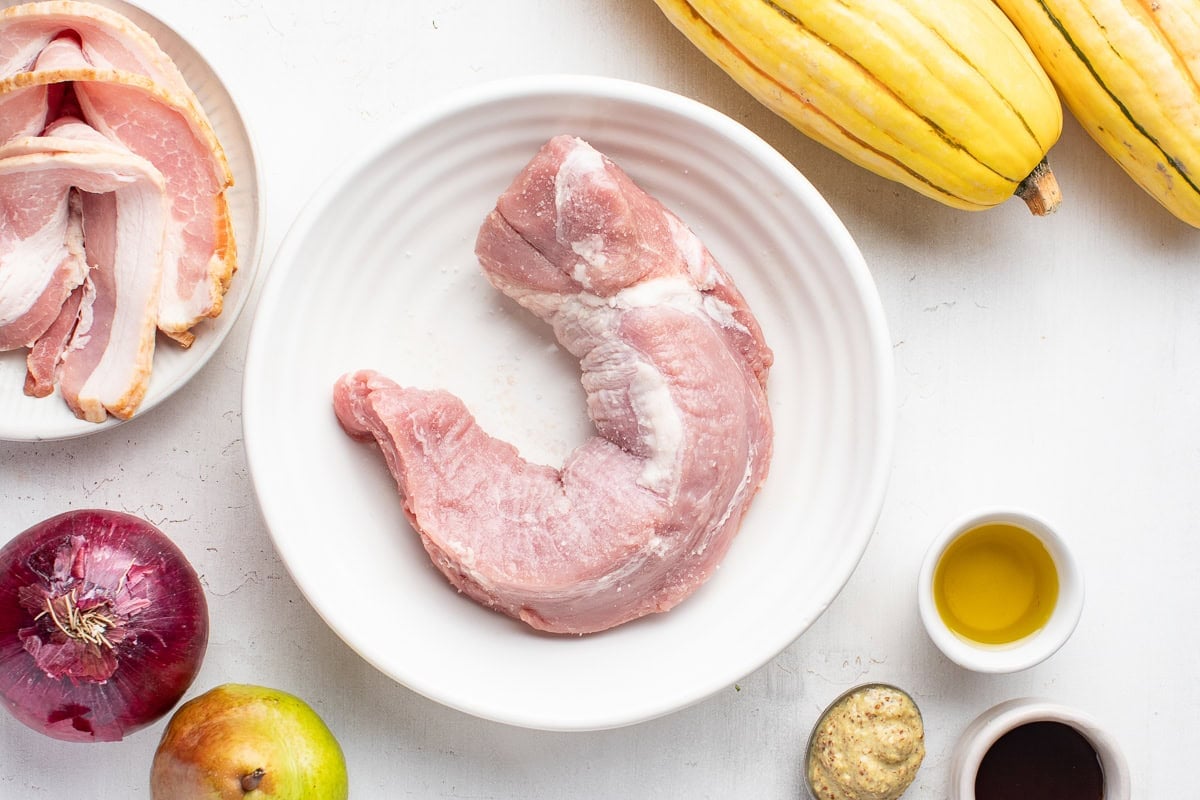
The success of this dish is largely dependent on the quality of its components. Delicata squash, which is central to the recipe, is noted for being an excellent source of dietary fiber, as well as vitamins A and C and potassium. By integrating such nutrient-dense ingredients into a hearty meat-based meal, the recipe aligns with a broader push toward "healthy indulgence"—a philosophy that emphasizes using wholesome, whole-food ingredients while maintaining a focus on flavor and satisfaction.
The use of whole-grain mustard is another critical element. Unlike smoother varieties, whole-grain mustard provides a textural component and a sharp, acidic bite that cuts through the richness of the bacon fat. This acidity is essential in preventing the sweetness of the maple and pears from becoming cloying. When these elements are tossed together before roasting, they create a light glaze that coats the vegetables, ensuring that every bite is seasoned and flavorful.

Practical Preparation and Technique
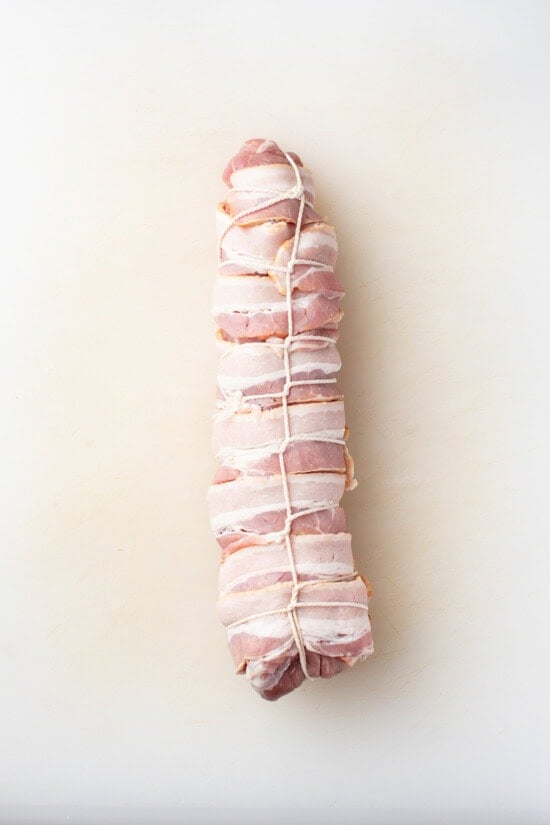
From a logistical standpoint, the recipe is designed to be accessible to cooks of varying experience levels. The preparation is straightforward, requiring approximately 15 minutes of active time before the sheet pan is transferred to the oven. One of the more practical challenges when cooking a bacon-wrapped protein is ensuring the bacon remains securely in place during the cooking process. The traditional method involves using kitchen string to tie the bacon to the tenderloin; however, the recipe notes that kitchen-grade toothpicks are a perfectly acceptable and effective alternative for those who may not have string on hand.
The roasting duration—typically around 25 minutes—is calibrated to ensure the pork reaches a safe and juicy internal temperature while allowing the bacon to crisp and the vegetables to achieve a golden-brown, caramelized exterior. A brief resting period of five minutes is recommended after the pan is removed from the oven. This step is essential in the culinary process, as it allows the internal juices of the pork to redistribute throughout the meat, ensuring tenderness upon slicing.
Nutritional Balance and Serving Suggestions
With a serving size calculated at three slices of pork per person alongside a generous portion of the roasted vegetable and fruit mixture, the dish provides a substantial meal. The nutritional profile, which boasts approximately 34 grams of protein per serving, highlights the dish’s utility as a high-protein dinner option. Despite the use of bacon, the total fat content is kept in check by the lean nature of the pork tenderloin, with the majority of the dish’s carbohydrates coming from the nutrient-rich squash and pears.
The meal’s versatility also allows it to fit into various dietary planning routines. Because the components roast simultaneously on one pan, it is an efficient choice for those who engage in meal prepping. The roasted vegetables and pork hold up well when stored, making them a practical option for lunches or dinners later in the week.
Looking Toward Future Trends in Home Cooking
The popularity of this sheet pan dinner reflects a broader trend in home cooking where the "all-in-one" approach is prioritized. As lifestyles become increasingly fast-paced, the ability to produce a nutritionally balanced, flavor-forward meal without the need for multiple pots and pans is highly valued. This pork tenderloin recipe is part of a larger ecosystem of similar dishes, such as those incorporating cherry glazes or stuffing techniques, which continue to refine the way home cooks approach traditional proteins.
For those who have previously experimented with air fryer versions of bacon-wrapped pork, this sheet pan iteration offers a slightly different, more communal experience. While the air fryer provides a high-speed, intense heat that mimics deep-frying, the sheet pan method allows for a more gentle, slow-roasting environment where the juices from the meat can interact with the vegetables. Both methods highlight the versatility of the pork tenderloin, a cut that has remained a staple in home kitchens due to its affordability and ability to absorb a wide variety of seasonings.
As households continue to navigate the demands of modern living, the focus on recipes that minimize cleanup while maximizing flavor—like this maple-mustard glazed pork—will likely continue to grow. By leveraging the natural chemistry of fats, sugars, and acids, this dish provides a template for how home cooks can achieve professional-level results with minimal equipment. The success of such recipes underscores the enduring appeal of traditional ingredients like bacon, pork, and winter squash when they are prepared with a focus on technique and seasonal alignment.