
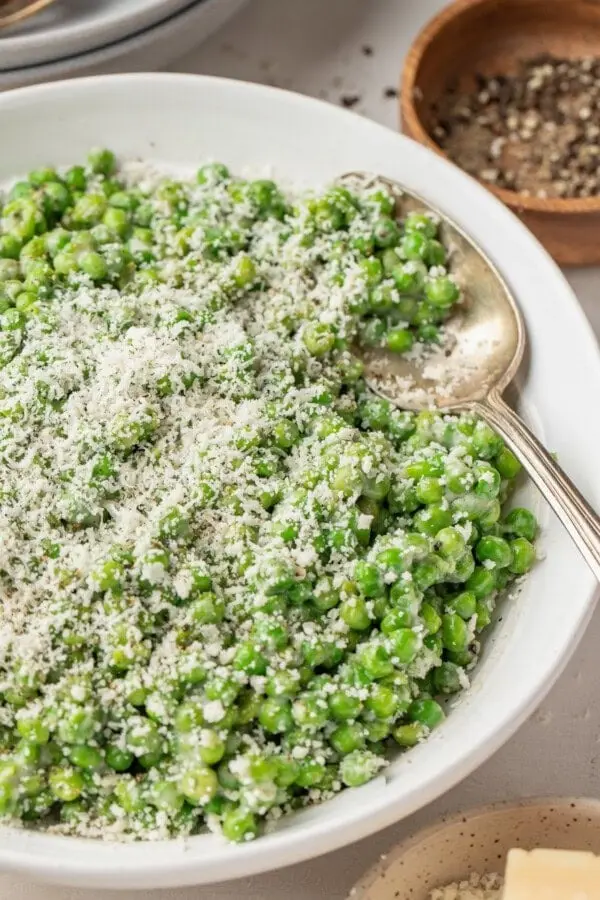
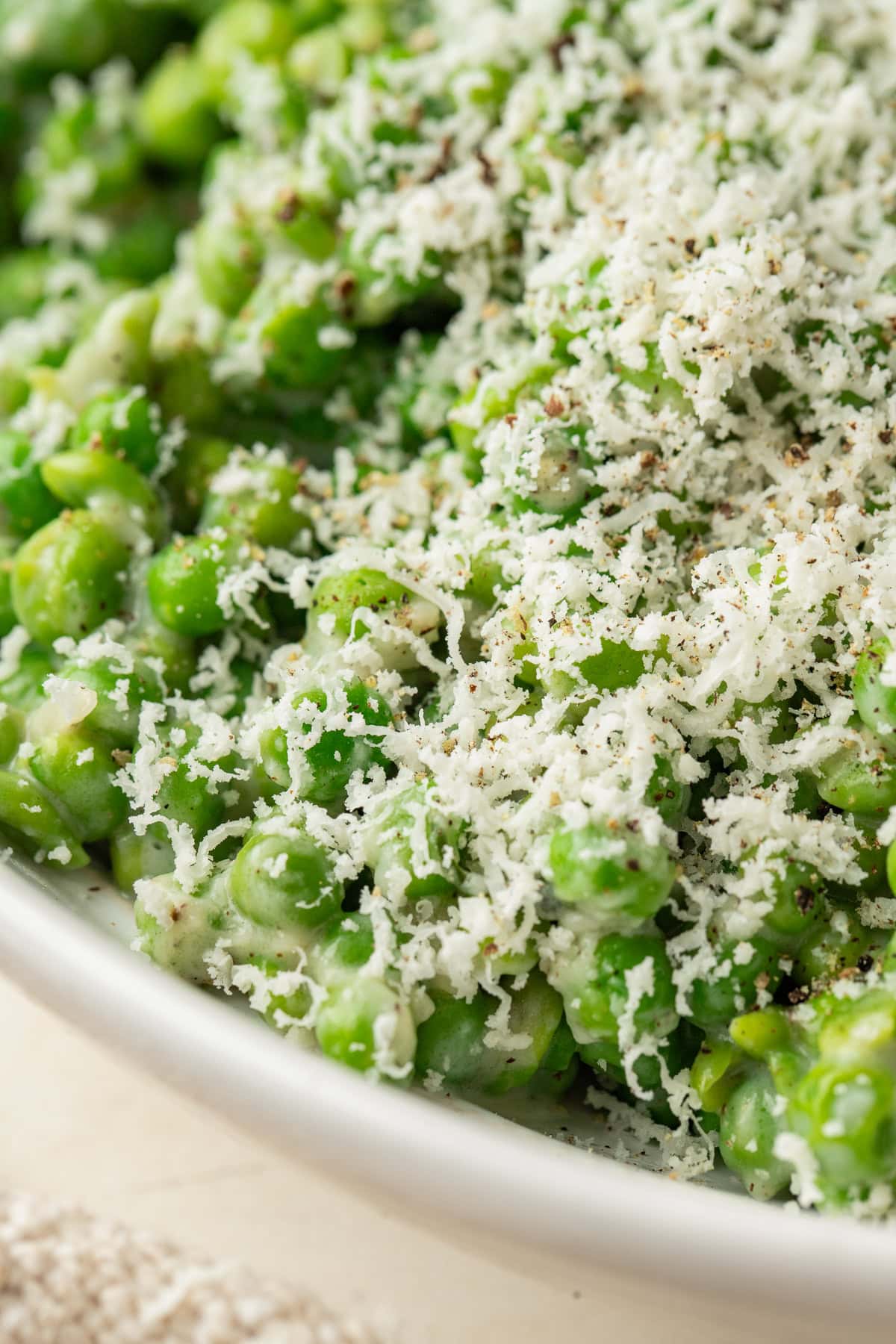
For many home cooks, frozen peas are a reliable, utilitarian staple—often relegated to the back of the freezer until they are needed for a soup or a quick addition to a casserole. They are rarely the star of the show. However, a new culinary trend is shifting the perception of this humble vegetable, proving that with the right technique, a simple bag of frozen peas can be elevated into a sophisticated, flavor-forward side dish. By borrowing the iconic flavor profile of the classic Roman pasta dish, cacio e pepe, home chefs are finding that the sharp, salty punch of Pecorino Romano and the bold heat of cracked black pepper provide the perfect counterpoint to the natural sweetness of green peas.
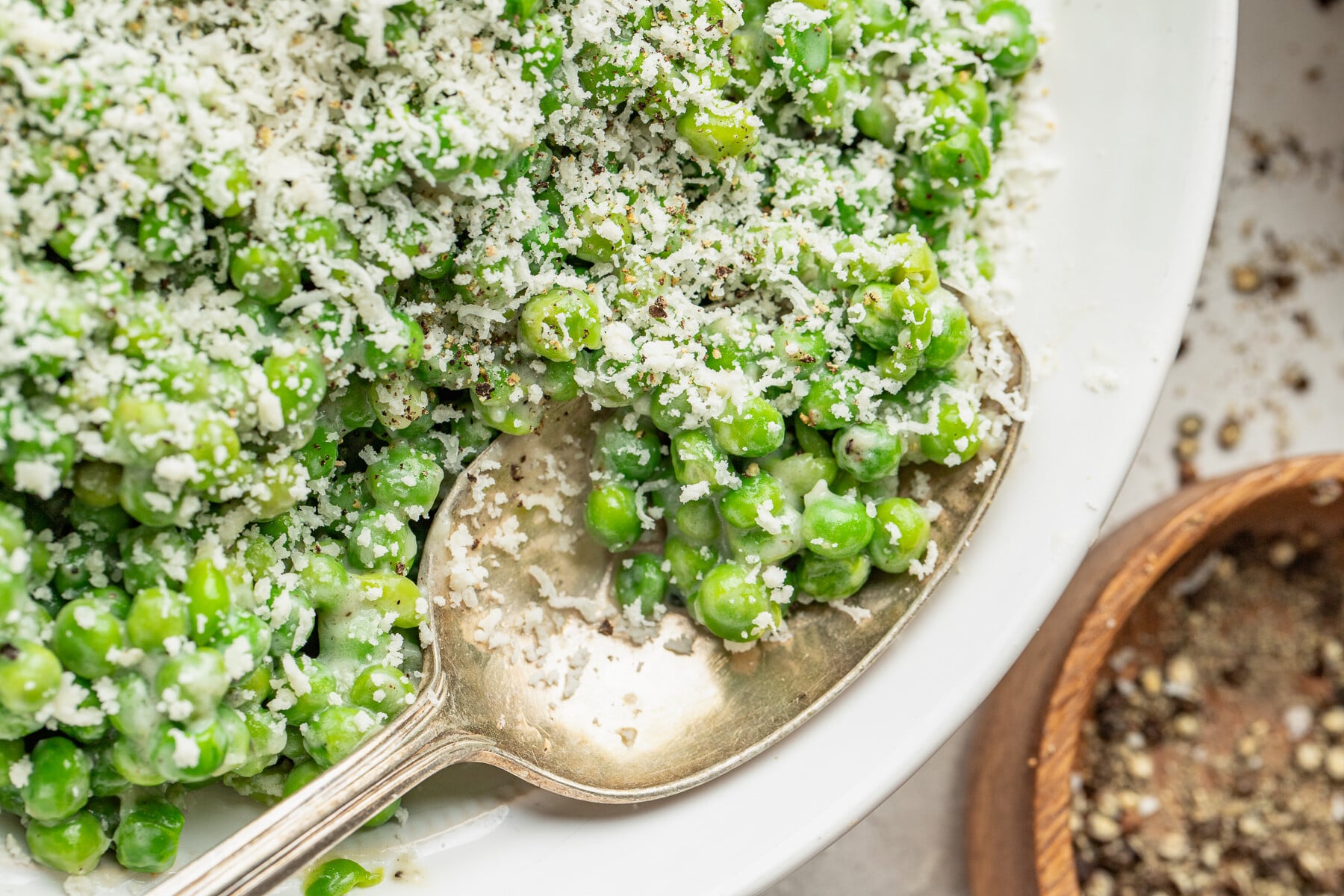
The transformation is remarkably efficient, requiring just four primary ingredients and roughly ten minutes of active cooking time. This development has gained traction among busy professionals and home cooks alike, as it offers an accessible way to incorporate more fiber and plant-based protein into daily meals without the need for complex preparation or lengthy time commitments.
The Science of the "Cacio e Pepe" Profile
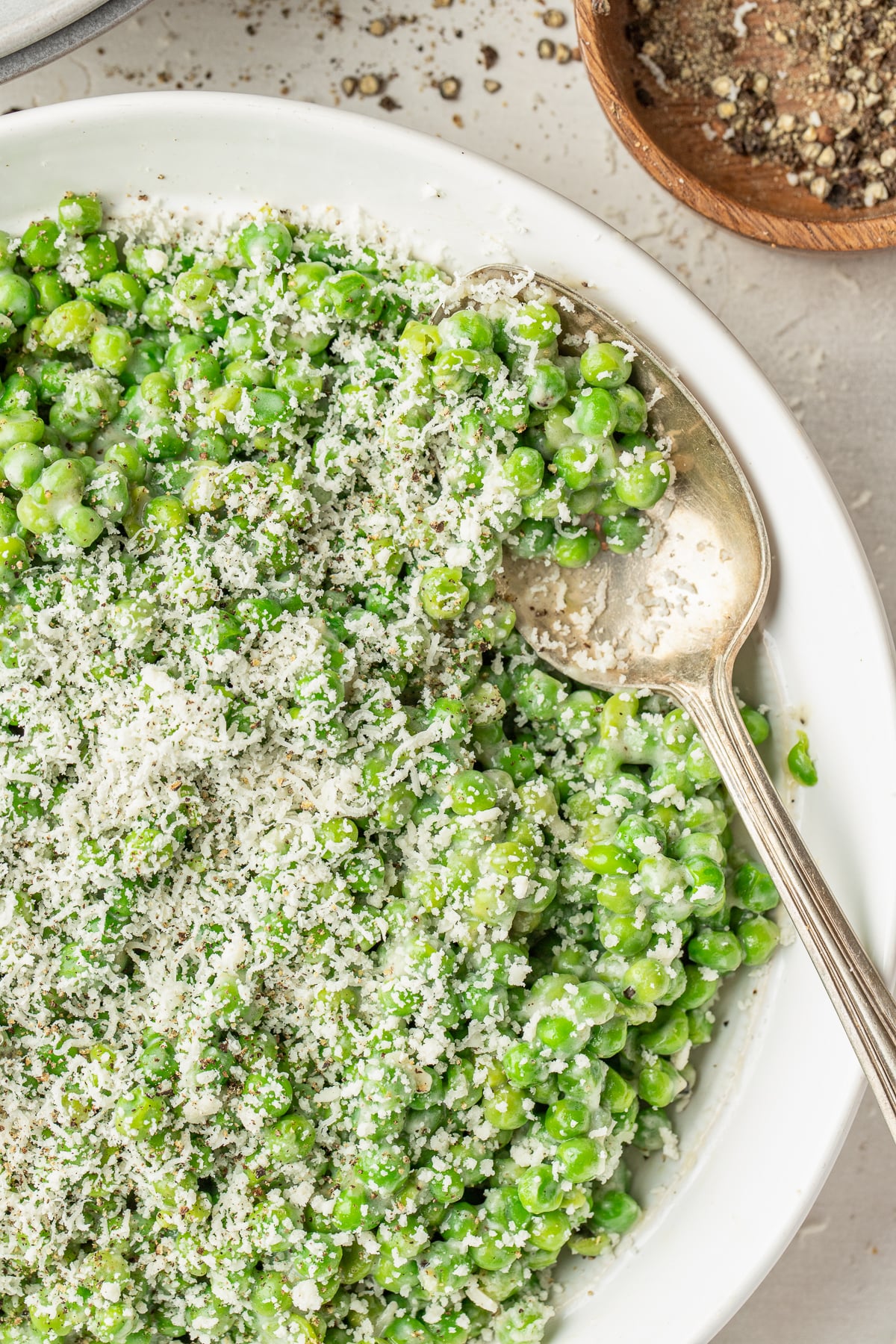
The secret to this dish lies in the balance of its components. The classic cacio e pepe—traditionally composed of pasta, Pecorino cheese, and black pepper—relies on the emulsification of cheese and starchy pasta water to create a creamy, clinging sauce. When applied to peas, the process is streamlined. The addition of butter provides a rich, velvety base that coats the peas, while the sharp, sheep-milk tang of Pecorino Romano cuts through the inherent sweetness of the vegetable.

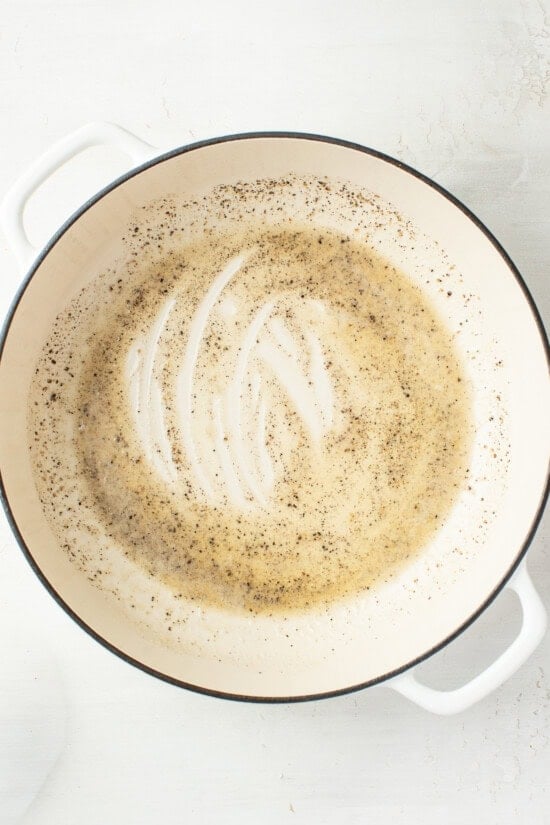
The inclusion of freshly cracked black pepper is not merely a garnish; it is an essential structural element of the dish. The piperine in the pepper provides a necessary bite that prevents the dish from feeling one-dimensional, elevating it from a standard vegetable side to something with complexity and depth. Because frozen peas are typically flash-frozen at the peak of their freshness, they retain a bright, vibrant texture that holds up well against the richness of the cheese and butter.

Efficiency Meets Nutrition
For those prioritizing nutritional goals—such as increasing daily fiber intake to the recommended 25 to 30 grams—this preparation offers a practical solution. Nutritionists have long emphasized the benefits of increasing vegetable consumption, but the barrier for many is the perception of preparation time or a lack of flavor. By turning a bag of frozen peas into a savory, indulgent side, the dish removes the "chore" factor associated with eating vegetables.
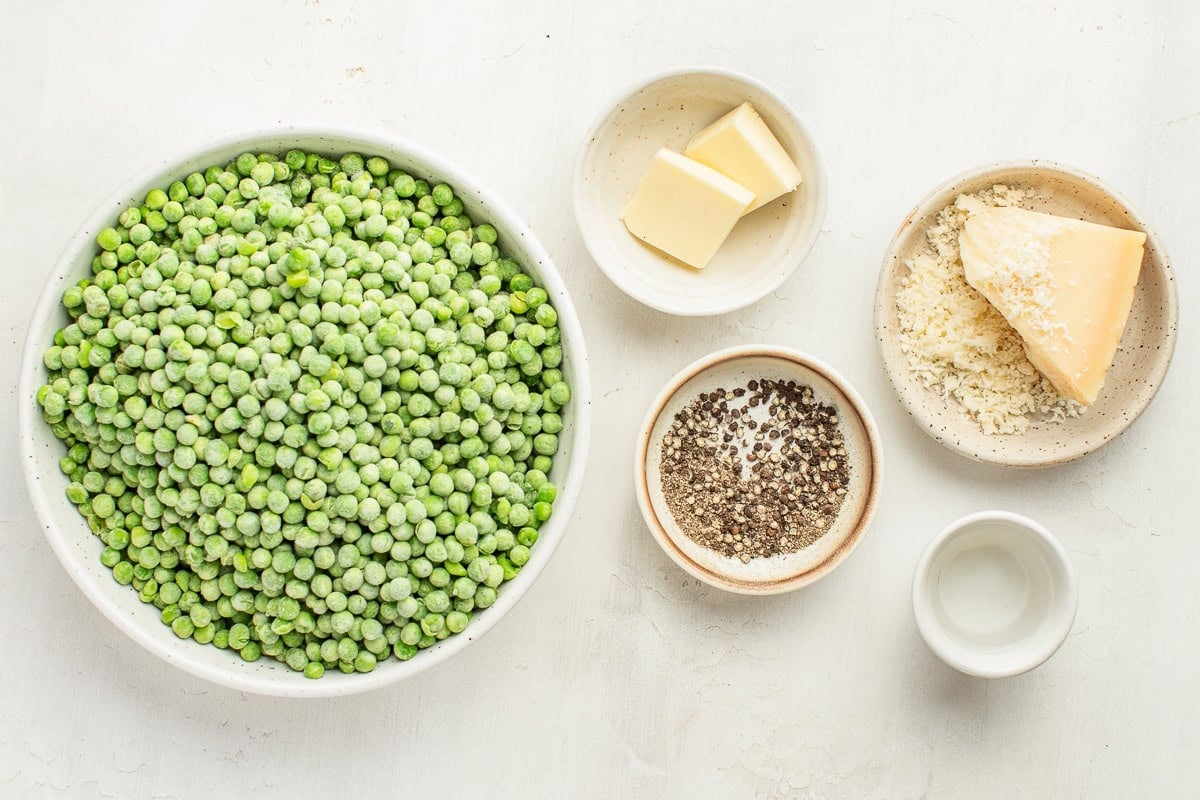
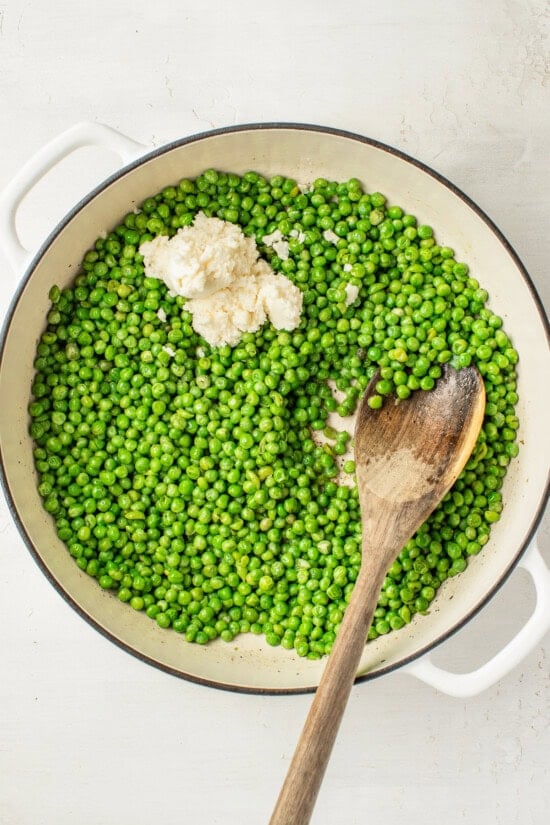
Beyond the nutritional profile, the method is a triumph of pantry-friendly cooking. The recipe does not require the peas to be thawed in advance; they can be added directly from the freezer to a hot skillet. This convenience is a significant factor in the dish’s rising popularity on social media platforms and in home kitchens, as it eliminates the need for advanced planning. The entire process, from opening the freezer to plating the finished dish, takes approximately ten minutes, making it a viable option for even the most time-constrained weeknight dinners.
Culinary Versatility and Scaling
While the dish functions perfectly as a standalone vegetable accompaniment, its versatility has led to broader applications. Many cooks are reporting success in using the base mixture as a starting point for more complex meals. For example, the cacio e pepe peas can be folded into cooked orzo or tossed with pasta to create a quick, substantial main course. In these instances, the addition of a small amount of reserved pasta cooking water helps to loosen the cheese, creating a silky, restaurant-quality sauce that binds the ingredients together.
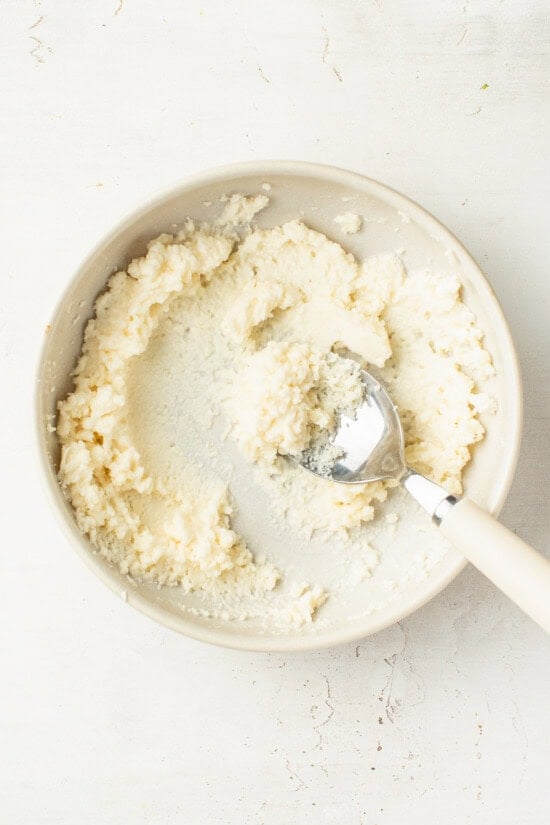
The dish is also proving to be an excellent candidate for scaling. While a single bag serves a small family, it can be easily adjusted for larger gatherings or holiday tables. Its neutral, crowd-pleasing base makes it a flexible partner for a wide variety of proteins. It pairs naturally with the saltiness of cured meats, the richness of roasted or air-fried poultry, and the delicate flavors of white fish. It also serves as a sophisticated topping for toasted bread, especially when paired with a smear of ricotta, offering a quick and elegant lunch option.
Best Practices for Preparation and Storage
To achieve the best results, the quality of the ingredients is paramount. Because the recipe relies on so few components, using authentic Pecorino Romano is highly recommended. While Parmesan can be substituted for a milder, slightly nuttier flavor, it lacks the specific sharp intensity that defines the traditional cacio e pepe experience.
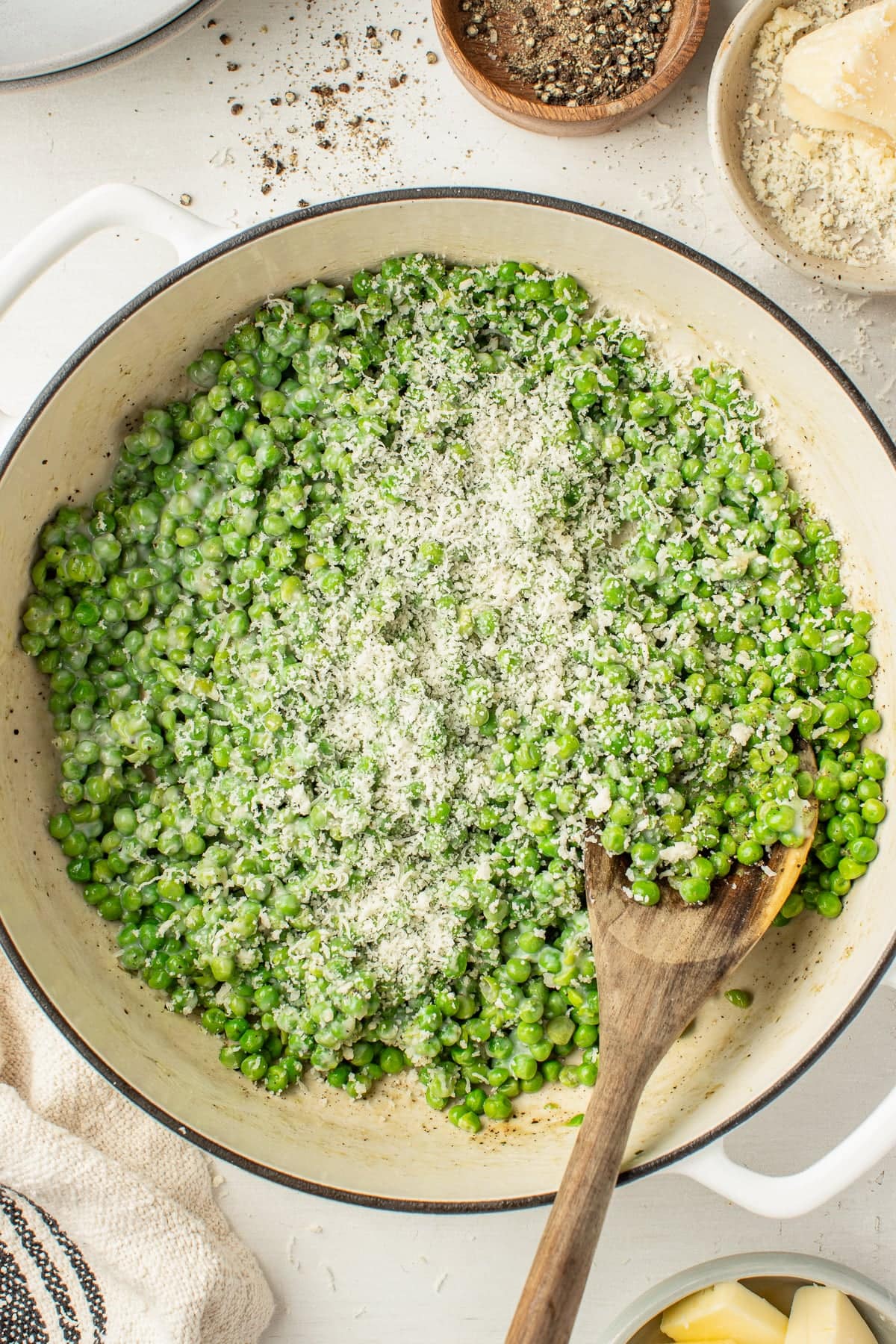
When it comes to storage and reheating, the dish remains relatively stable, though the texture of the cheese sauce is best when fresh. For those preparing the dish in advance, it is advised to cook the peas with the butter and pepper first, then incorporate the cheese mixture only after the peas have been reheated. This ensures the sauce maintains its smooth, emulsified texture rather than breaking or clumping during the reheating process. If the peas are already fully dressed, a small splash of water added during the reheating process can help restore the sauce’s consistency.
Ultimately, the surge in interest surrounding cacio e pepe peas highlights a broader shift in home cooking: the move toward "high-impact, low-effort" meals. By focusing on the interplay of high-quality ingredients, even the most overlooked freezer staples can be transformed into dishes that feel both special and intentional. As more households look for ways to maximize the nutritional value of their meals without sacrificing enjoyment, the success of this simple dish serves as a testament to the power of classic flavor combinations. Whether served alongside a Sunday roast or as a quick, fiber-rich lunch, these peas have effectively moved from the back of the freezer to the center of the table.