
The landscape for one of the gaming industry’s most respected creative teams, Ninja Theory, has grown increasingly uncertain as reports confirm that the studio has begun implementing layoffs. The news comes as the culmination of a tumultuous period for the developer, which has spent the better part of the year navigating the precarious corporate restructuring strategies of its parent company, Xbox.
The confirmation of these staff reductions surfaced through social media, specifically LinkedIn, where several employees identified themselves as being affected by the current round of cuts. This development follows a harrowing announcement made by Xbox on September 22, in which the company revealed it was proposing the formal closure of the Cambridge-based studio. At that time, Xbox officials stated that they had engaged in a rigorous, albeit unsuccessful, effort to sell the studio to third-party entities. According to the company, two separate agreements to divest Ninja Theory were finalized in negotiations but ultimately fell through, leaving the studio in a state of limbo as Xbox continued to evaluate its internal portfolio.
The Human Impact of Studio Uncertainty
The personal toll of this corporate instability has become increasingly visible as veteran developers share their experiences. Among those who have publicly addressed the situation is gameplay programmer Katrin Mair. Having dedicated four years to the studio, Mair’s reflections highlight the profound sense of loss felt by the creative team. In a poignant statement shared via LinkedIn, Mair noted, "It’s incredibly sad knowing that we won’t get to finish what we were working on. So much care, talent and effort went into it, and I really wish we’d had the chance to see what it could have become."
Mair is not alone in this transition. Reports from industry observers and outlets like IGN have identified other senior staff members caught in the fallout. Technical director Loong-Wei Ding and performance capture specialist Xoe Suvari have also been listed among those affected by the layoffs. Furthermore, the situation remains precarious for long-standing employees, such as technical sound designer Alessio Mellina, who has contributed to the studio’s output for 12 years and is currently listed as being at risk of redundancy. While the exact number of individuals impacted by these layoffs has not been officially disclosed by Xbox, the scope of the departures suggests a significant contraction within the studio’s ranks.
Contextualizing the Decline of a Beloved Developer
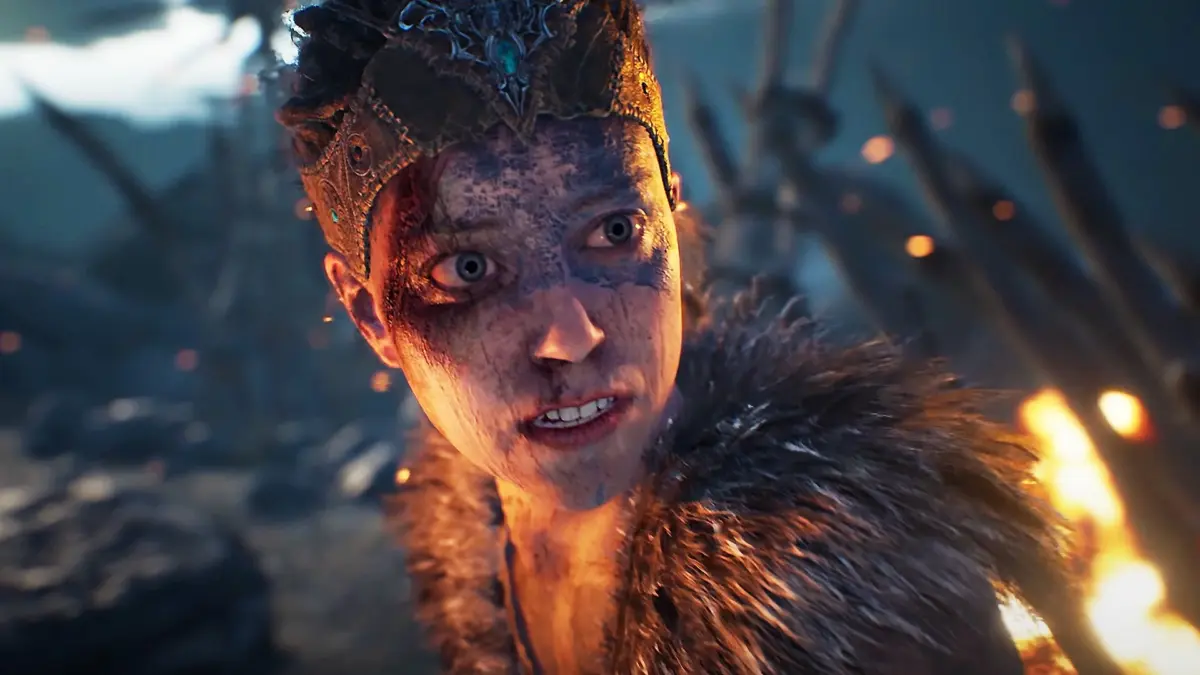
Ninja Theory has long been celebrated in the industry for its narrative-driven titles and its mastery of performance capture technology. The studio gained widespread acclaim for Hellblade: Senua’s Sacrifice, a project that was lauded for its nuanced portrayal of mental health and its technical innovation. The studio’s recent efforts, specifically regarding the Hellblade franchise—including the third entry that had been teased during the Xbox showcase in June—represented a major pillar of Xbox’s first-party lineup.
However, the current situation at Ninja Theory does not exist in a vacuum; it is part of a broader, aggressive restructuring campaign orchestrated by Microsoft’s gaming division. The proposal to shutter the studio occurred against the backdrop of significant organizational changes across the entire Xbox ecosystem. In the same timeframe that the company announced its intentions regarding Ninja Theory, it also enacted sweeping changes elsewhere. Most notably, Microsoft transferred the stewardship of the legendary UK studio Rare and the ownership of the iconic Halo franchise to Activision.
These moves were accompanied by deep cuts at Halo Studios, signaling a pivot in how Microsoft manages its intellectual property and internal development teams. The decision to cut jobs at Ninja Theory follows earlier reports that circulated throughout the industry regarding a second, major wave of layoffs planned for the fall. This strategy reflects a growing trend among major gaming conglomerates, where the focus has shifted toward cost-optimization, internal consolidation, and the divestment of assets that do not fit into a newly narrowed strategic vision.
A Future in Flux
The failure to secure a buyer for Ninja Theory has effectively stalled the momentum that the studio had been building for its future projects. When Xbox first proposed the closure of the studio in late September, it maintained that it was continuing to "explore other paths forward." Yet, for many observers, the commencement of layoffs serves as a grim indicator of the likely outcome for the studio’s remaining personnel and their ongoing projects.
The uncertainty surrounding the Hellblade series—a franchise that served as a flagship for Ninja Theory’s creative identity—leaves fans and industry analysts questioning the future of the intellectual property. The transition from a celebrated independent-minded studio to a division under the immense pressure of a global corporation has proven to be a difficult path for Ninja Theory. The narrative of the studio’s recent history is one of high creative ambition being systematically curtailed by the rigid requirements of corporate sustainability.
As employees continue to navigate the redundancy process, the broader implications for the UK game development sector remain a subject of intense discussion. The closure or downsizing of a studio with the pedigree of Ninja Theory is viewed by many as a loss for the diversity of voices and artistic approaches in the AAA gaming space. For the individuals involved, the focus remains on the professional uncertainty brought about by these sudden changes.
The current situation at Ninja Theory serves as a stark reminder of the volatility inherent in the modern gaming industry, where even well-regarded creative teams are not immune to the pressures of mass-market financial realignment. As Xbox continues its restructuring efforts, the industry watches closely to see how the remaining personnel at affected studios are supported, and what becomes of the ambitious titles that were, until recently, at the heart of the developer’s mission. For now, the legacy of Ninja Theory remains in the hands of those who built it, even as the studio faces its most difficult chapter to date. The silence from the corporate side regarding the long-term status of the Hellblade intellectual property only serves to deepen the questions surrounding the future of the studio’s unfinished work.