
Matthew Mayich stepped onto the field of Sun Angel Stadium in Tempe, Arizona, at about 7 a.m. on August 20 for what should have been an exciting milestone: his first official practice as a transfer student with the Arizona State University hockey team. Even at that early hour, temperatures were already hovering in the mid-80s, setting the stage for a physical test that would ultimately leave the 21-year-old hockey prospect fighting for his life and ignite a fierce national conversation regarding athletic heat safety protocols.
Mayich, a talented St. Louis Blues draft prospect who moved to Arizona to continue his collegiate career, joined his teammates for a rigorous conditioning session led by guest trainer and former Green Beret Tim Ziesel. Over the course of at least 45 minutes—though some teammates later disputed this duration—the players were put through an exhaustive gauntlet of push-ups, planks, flutter kicks, bear crawls, squats, sprints, and buddy-carries. As local temperatures rapidly climbed toward 90 degrees Fahrenheit, the team was directed to complete one final exercise: a demanding medicine ball run.
According to the university’s official timeline of events, Mayich began to show signs of physical distress as small groups set off across the field. He stumbled, dropped the heavy ball, and collapsed to the turf. Though he initially attempted to rise, his legs gave out a second time.
Athletic staff rushed to his aid, treating him with iced towels and cool water before spraying him down with a garden hose. While Mayich was initially responsive, his physical condition quickly deteriorated. Fearing for his safety, the trainer placed an emergency 911 call. Paramedics rushed the young athlete to the hospital, where he was admitted in critical condition. Robert Carey, an attorney representing Mayich’s family, stated that the player suffered from exertional heat stroke, though this specific diagnosis could not be independently corroborated as Carey did not respond to follow-up inquiries. Speaking to journalists, Carey noted that the family’s hope for a meaningful recovery hovers near a miracle, leaving loved ones grappling with a devastating medical crisis.
"We want accountability for what happened to our son," John and Christina Mayich, the player’s parents, said in a written statement. "Estamos we want the truth."
The fallout from the incident has sent shockwaves through the university and the broader collegiate sports community. University officials have declined requests for interviews, while Ziesel’s attorney, Larry Kazan, pushed back against public perception, writing in an email that the workout was not as difficult as some media outlets had attempted to portray it. Meanwhile, ASU head coach Greg Powers insisted during a September 23 press conference that he remained the right person to lead the hockey program, though he did not address the specific details of the training session.
The pressure on university administration intensified dramatically when seven of Mayich’s teammates submitted an anonymous letter via an attorney, directly challenging the school’s official narrative and response. The players asserted that the workout actually lasted 75 minutes rather than 45, and alleged that the university failed to adhere to its own established safety guidelines.
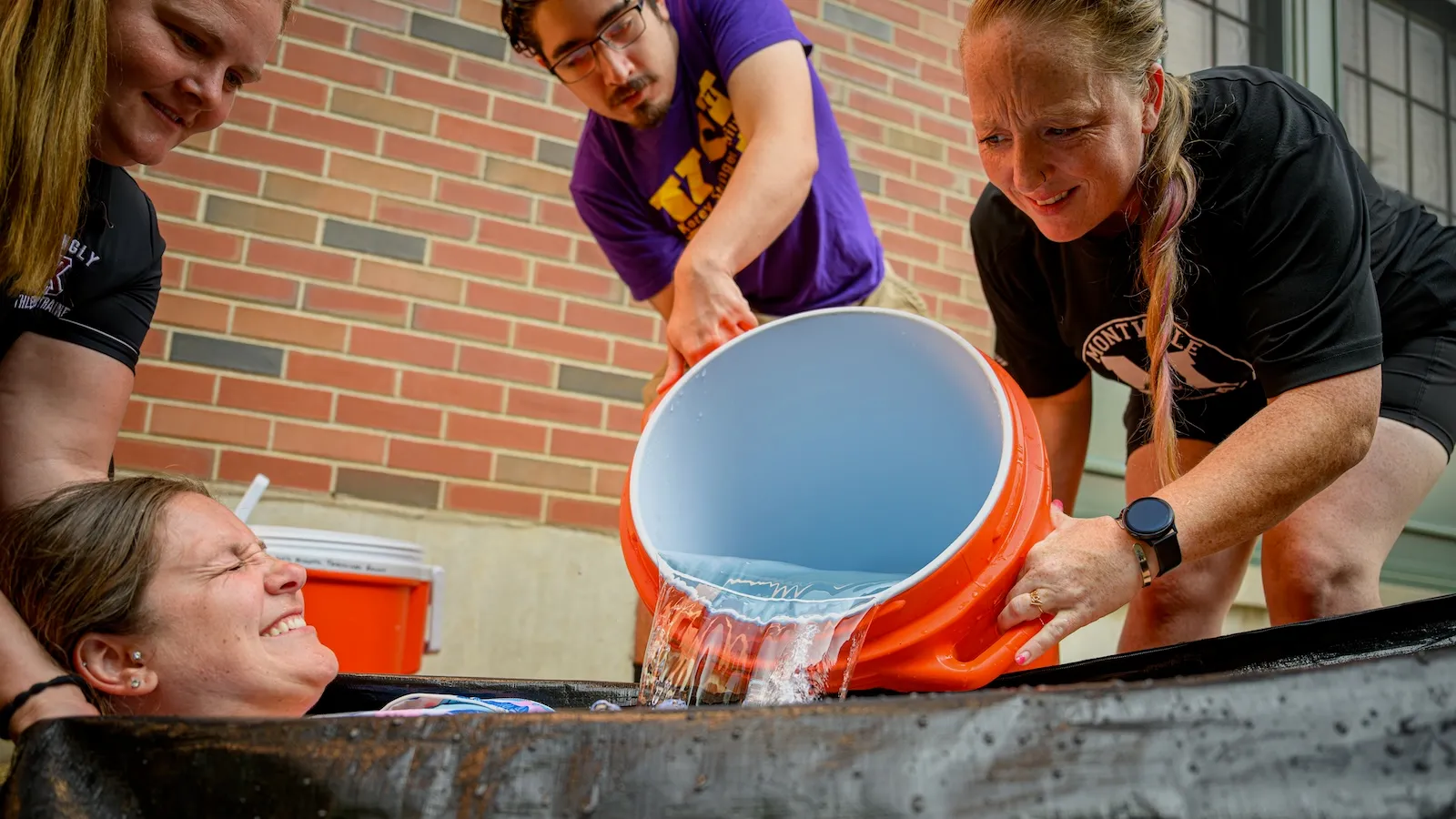
"The precautions required by ASU’s heat policy were not in place: no immersion tub, no ice chests, no on-field heat measurement, no scheduled breaks in shade," the teammates wrote in their letter to ASU President Michael M. Crow. They added that the session continued even after several members showed visible signs of distress, including dropping to a knee, vomiting, and, in Matthew’s case, severe disorientation well before the final task was even assigned.
In response to the mounting pressure and community concern, ASU announced that former Arizona Supreme Court Chief Justice Scott Bales would lead an independent review examining the university’s planning, policies, and response to outdoor athletic activities, including its reliance on outside consultants. The university asked Bales to conclude the review by early December.
While Mayich’s family welcomed the appointment of Bales in a statement released by their attorney, they argued that the mandate does not go far enough. They are pushing for an independent investigation specifically focused on the events on the field, the allocation of responsibility, and whether institutional, conference, or NCAA rules were broken. Carey called on ASU to expand Bales’s investigation or appoint a secondary independent investigator, insisting that all findings be made entirely public.
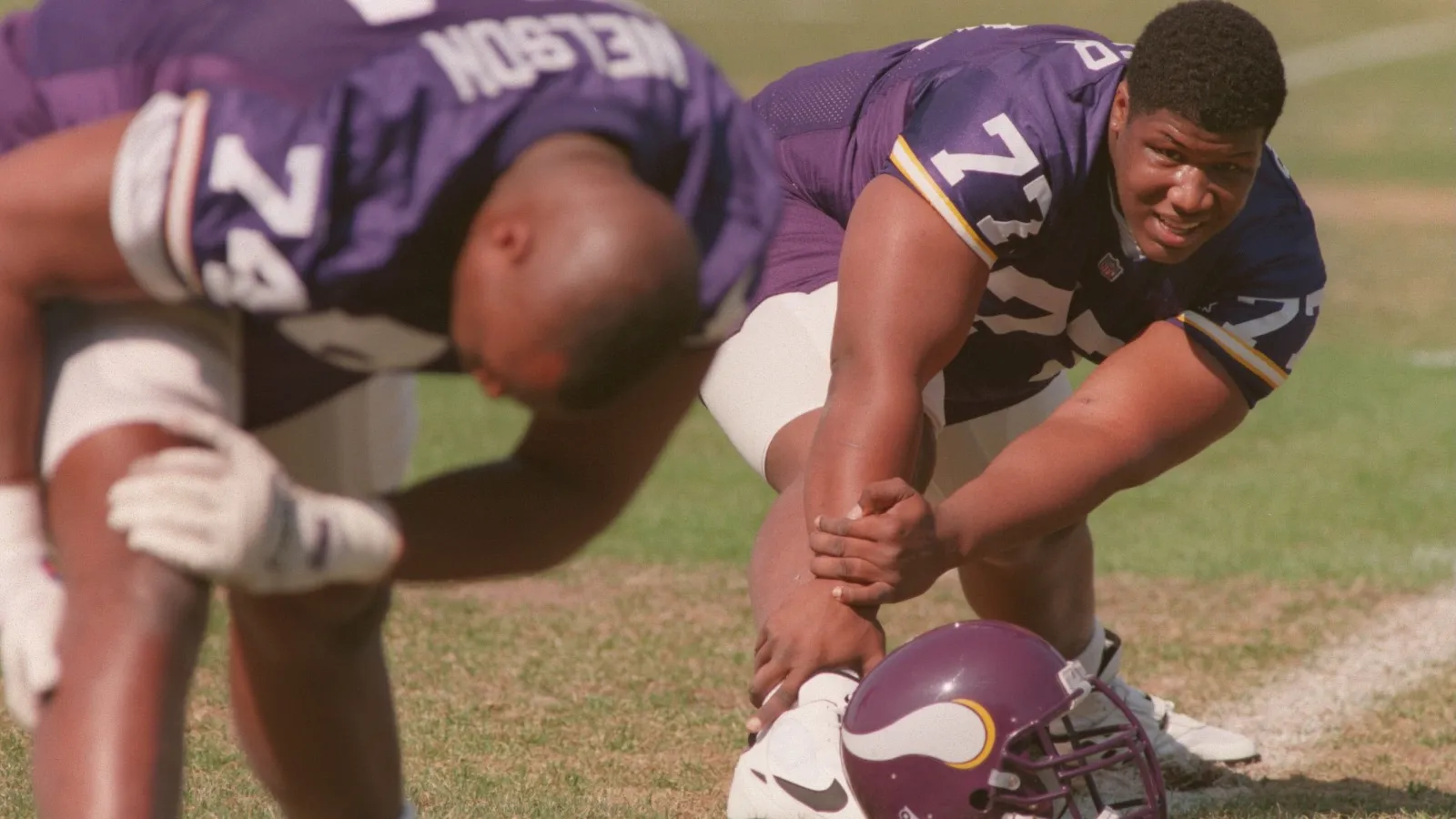
The tragedy involving Mayich echoes a long, painful history of heat-related athletic incidents in the United States. Exactly 25 years to the month before Mayich’s hospitalization, Minnesota Vikings offensive lineman Korey Stringer died of heat stroke during a scorching NFL training camp, a watershed moment that permanently altered how professional sports organizations view heat safety.
Doug Casa, CEO of the Korey Stringer Institute at the University of Connecticut, acknowledged the significant strides made over the past two decades but emphasized that Mayich’s hospitalization demonstrates that current safeguards remain insufficient. Exertional heat stroke is a life-threatening medical emergency that occurs when the body’s thermoregulation system fails under extreme environmental stress and metabolic heat production. It remains a leading cause of preventable sports-related deaths, a risk that is increasingly exacerbated by climate change.
According to research from World Weather Attribution, the probability of extreme temperatures during major athletic events has multiplied dramatically over recent decades, with extreme heat becoming more frequent, intense, and prolonged. At the same time, traditional natural grass fields are increasingly being replaced by synthetic turf surfaces, which absorb and retain immense amounts of solar radiation. During a recent NFL game in Tennessee, surface temperatures on the artificial turf reached a staggering 157 degrees Fahrenheit, melting players’ cleats and forcing unused substitutes to receive intravenous fluids simply to cope with the oppressive heat.
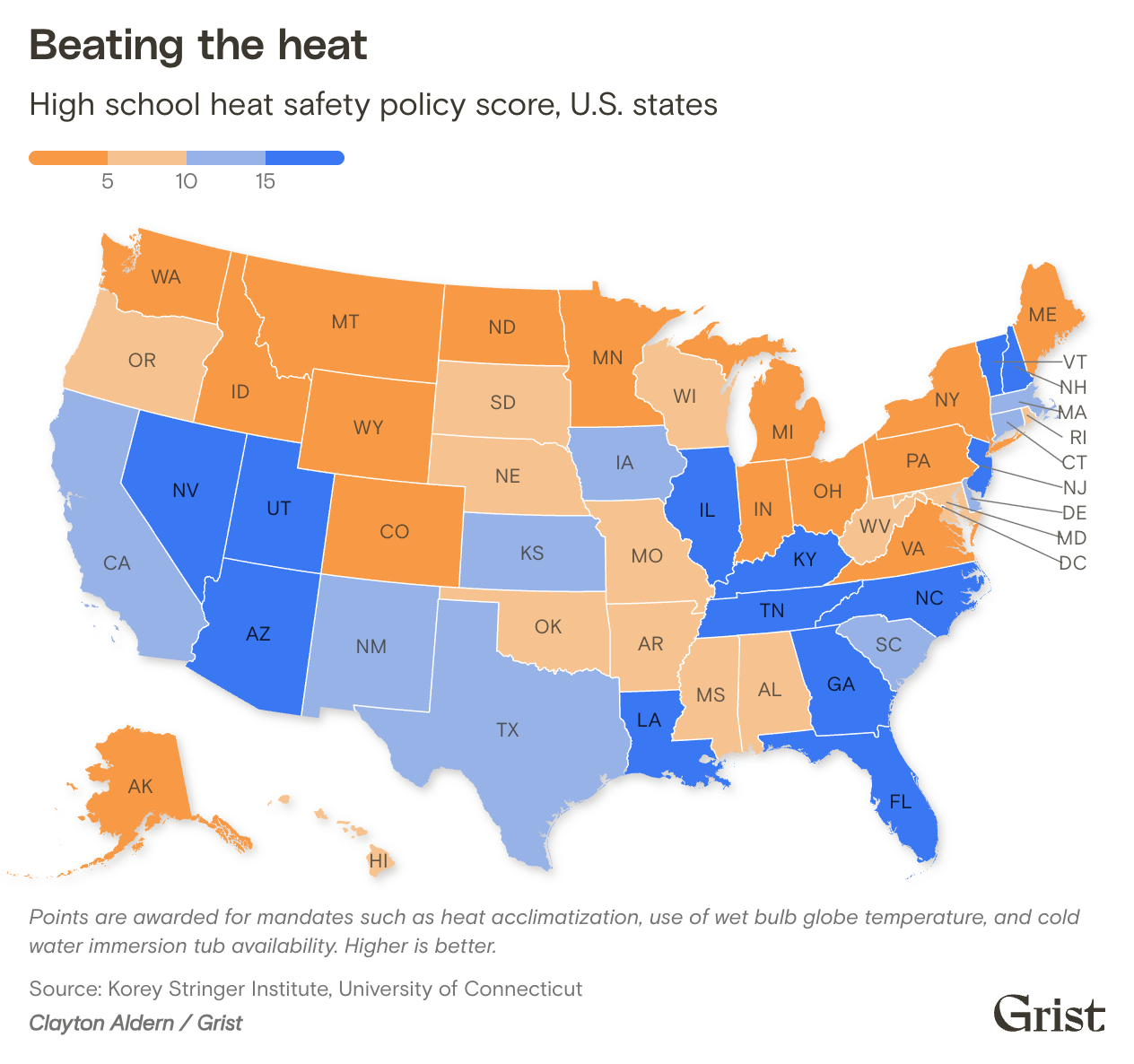
Experts note that while professional leagues have largely standardized how they measure and respond to environmental heat risk, significant regulatory and enforcement gaps persist across high school and collegiate sports. Unlike professional organizations, youth and amateur programs often rely on volunteer coaches and lack standardized mandates, creating what pediatricians and researchers describe as a patchwork system where student safety varies wildly by region and district.
Even at the collegiate level, oversight can be inconsistent. The NCAA provides extensive recommendations and guidelines regarding heat safety, but many of its core protocols remain voluntary rather than strictly enforced mandates. Arizona State University’s own internal heat policy reflects this ambiguous framework, relying heavily on discretionary terminology such as "should," "will," "may," and "guidelines" rather than absolute compliance requirements.
As the independent review moves forward, the primary focus remains on Matthew Mayich, who continues to fight for his recovery on life support at the Barrow Neurological Institute. Just two miles away from the hospital where Mayich is being treated, ASU recently hosted a high-profile symposium to launch its new Center for Heat Preparedness, where administrators spoke at length about the dangers of extreme heat. For Mayich’s family, teammates, and the broader collegiate sports world, those institutional warnings arrive far too late.