
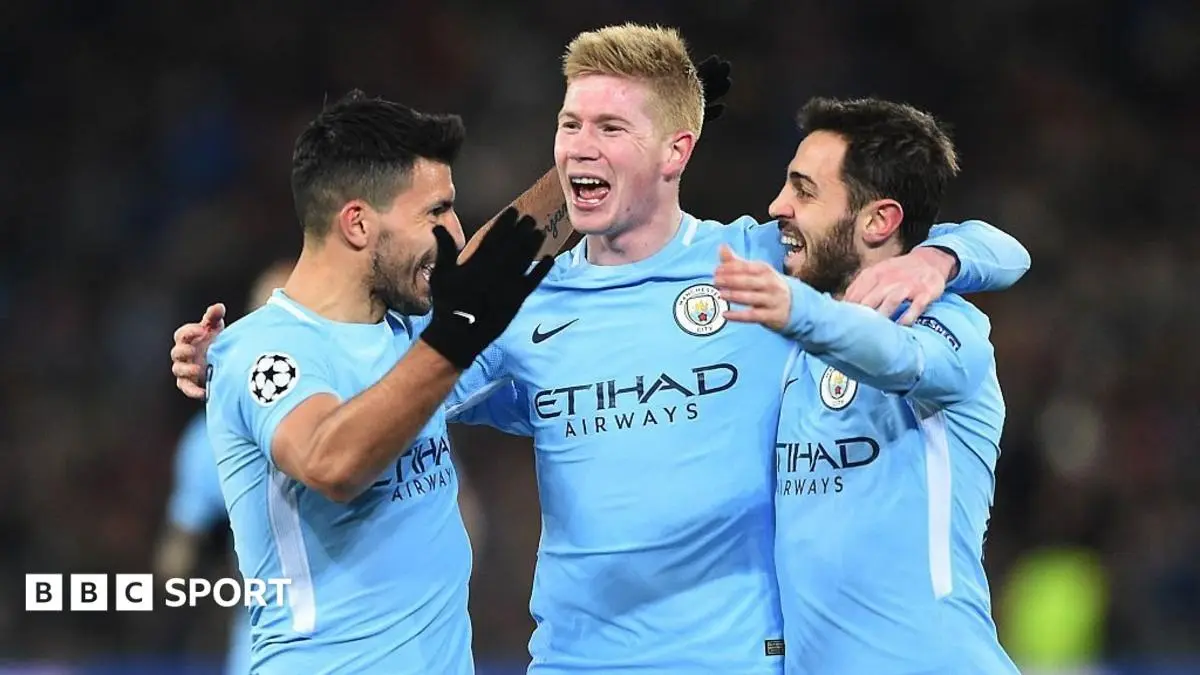
The financial transformation of Manchester City over the past decade and a half has fundamentally altered the landscape of modern association football. Beyond the domestic silverware and European dominance achieved on the pitch, the club’s extraordinary spending power unquestionably changed the world football transfer market. By entering the scene with an unprecedented willingness to pay higher transfer fees and lucrative player wages, Manchester City inadvertently caused inflation across the board, setting off a chain reaction that meant asking prices rose for everybody else, too.
In the high-stakes world of elite sports economics, operating with vast financial resources brings its own unique set of challenges. Once the wider football ecosystem knows that a particular club has a significant wedge of cash burning a hole in its pocket courtesy of an influx of funds from Manchester City, navigating the transfer market can become exceptionally difficult. Asking prices immediately rise, creating an inflated market where buying clubs are forced to pay a premium. More importantly, simply having an influx of capital is never a guarantee that it will be spent wisely or effectively.
Looking back at the historical data from eras of heavy investment, for many of the teams to whom Manchester City paid the highest transfer fees during this transformative period, the sudden windfall did not work out particularly beneficially in the long run. Examining some of the more interesting cases reveals a fascinating picture of how sudden wealth can disrupt sporting structures, destabilize squads, and lead to unintended consequences that reverberate for years.
The Bundesliga Fallout and Monaco’s Rapid Decline
Take the case of German side Wolfsburg, for instance. Following the high-profile departure of Kevin de Bruyne to Manchester City in 2015, Wolfsburg suddenly found themselves in possession of a massive cash injection. They immediately sought to reinvest that capital, signing winger Julian Draxler for about half the fee received for De Bruyne in 2016, alongside other additions including veteran defender Dante.
However, the sporting consequences of losing a generational talent like De Bruyne far outweighed the financial compensation. Having lost the creative engine of their team, Wolfsburg dramatically dropped from second place down to eighth in the Bundesliga standings. The turbulence continued as the club narrowly avoided relegation through the relegation play-offs in the subsequent two seasons, illustrating just how difficult it is to replace elite talent, even when a club is well-funded.
Things did not go particularly well for the second-highest-ranked club on the receiving end of City’s major investments either: AS Monaco. Following the simultaneous sales of star full-back Benjamin Mendy and midfielder Bernardo Silva in the same summer transfer window to Manchester City, Monaco found themselves sitting on a historically large sum of money.
Yet, their subsequent recruitment strategy failed to maintain their elite competitive edge. The most direct players they signed to replace their departing stars—Terence Kongolo and Keita Balde—ultimately did not work out in the long run. The sporting trajectory of the club shifted dramatically downward; Monaco went from winning the French Ligue 1 title and reaching the semi-finals of the UEFA Champions League to almost being relegated from the top flight within two short years.
Domestic Rivals and Wider Economic Disruptions
The ripple effects were not restricted to continental Europe. In England, the club from which Manchester City purchased the most players during the 2009 to 2018 period was Arsenal, acquiring four major players over that timeframe. Despite the significant revenue generated from these sales, Arsenal did not manage to mount a serious, sustained Premier League title challenge throughout that entire era, raising questions about how well that capital was utilized to bridge the competitive gap against an increasingly dominant City side.
Furthermore, some clubs who did not receive direct payments from Manchester City could also reasonably argue that the spending power originating from City’s "inflated" accounts indirectly compromised their own sporting chances. The macro-economic environment of football was shifting rapidly, making it harder for traditional clubs to compete on a level playing field.
For example, Manchester City paid very similar total transfer sums to both Benfica and Porto during this era, yet paid nothing directly to Sporting, the third member of Portugal’s traditional "Big Three." Sporting did not win a single Portuguese Primeira Liga title between 2009 and 2018. While there are undoubtedly many complex tactical, administrative, and financial reasons for a club’s title drought over nearly a decade, analysts and observers have wondered whether one contributing factor was the fact that their direct domestic rivals received substantial financial injections from City—funds that perhaps would not have been on offer had financial regulations been interpreted or applied differently at the time.
The Hidden Beneficiaries: Ancillary Fees and Lower League Lifelines
Beyond the primary transfer negotiations, there are also numerous ancillary fees that quietly reached clubs with whom Manchester City did not deal directly. A significant number of high-profile transfers involved complex sell-on clauses. Under these contractual agreements, the selling club—the one Manchester City were directly buying the player from—owed a predetermined percentage of the profit or total fee to the previous team that had developed or owned the player earlier in their career.
These cascading clauses often resulted in life-changing sums of money filtering down the English football pyramid, creating massive financial windfalls for clubs operating far away from the glamour of the Premier League.
For instance, Queens Park Rangers earned roughly nine million pounds from Raheem Sterling’s blockbuster move to Manchester City from Liverpool back in 2015. Similarly, Barnsley took about seven million pounds of the substantial transfer fee paid by City to Everton for central defender John Stones in 2016. In an earlier deal, the Toffees also had to pass on about two and a half million pounds to Wolverhampton Wanderers when Joleon Lescott made the high-profile switch to Manchester in 2009.
To put these figures into perspective, the sell-on clauses triggered by the Sterling and Stones transfers were worth considerably more than the entire operating budgets or player valuations of most clubs playing in the English Football League at that time. These unexpected windfalls significantly strengthened the financial positions of clubs like QPR and Barnsley, providing a rare cushion in lower-league football where financial security is notoriously precarious.
Yet, even with these extraordinary financial boosts, football’s unpredictable nature meant success was far from guaranteed. To this day, Barnsley have never sold a player for a higher amount than the fee they are believed to have received from the Stones sell-on clause. Despite this historic influx of cash, QPR have failed to return to the Premier League since their relegation, while Barnsley eventually dropped down from the Championship into League One after enduring two difficult seasons.
A Legacy That Will Reverberate for Years
Manchester City’s aggressive and ambitious spending during the period in which the club faced scrutiny over breaking financial rules certainly had an enormous, undeniable impact. It reshaped their own upward trajectory, turning them into a domestic powerhouse, while simultaneously altering the futures of other clubs around the world and permanently shifting the wider football economy.
The reality of modern sports history, however, is that it is impossible to completely unweave the complex tapestry of events that transpired during that decade and in the years since. Too much has happened, and there are far too many indirect consequences, tactical shifts, and market adjustments to isolate a single variable.
What remains certain is that the structural effects of that era of spending have left a permanent mark on the sport. As football continues to evolve under stricter regulatory frameworks and increasingly globalized financial pressures, the economic shockwaves generated by Manchester City’s market-defining era will continue to reverberate across the footballing world for years to come.