
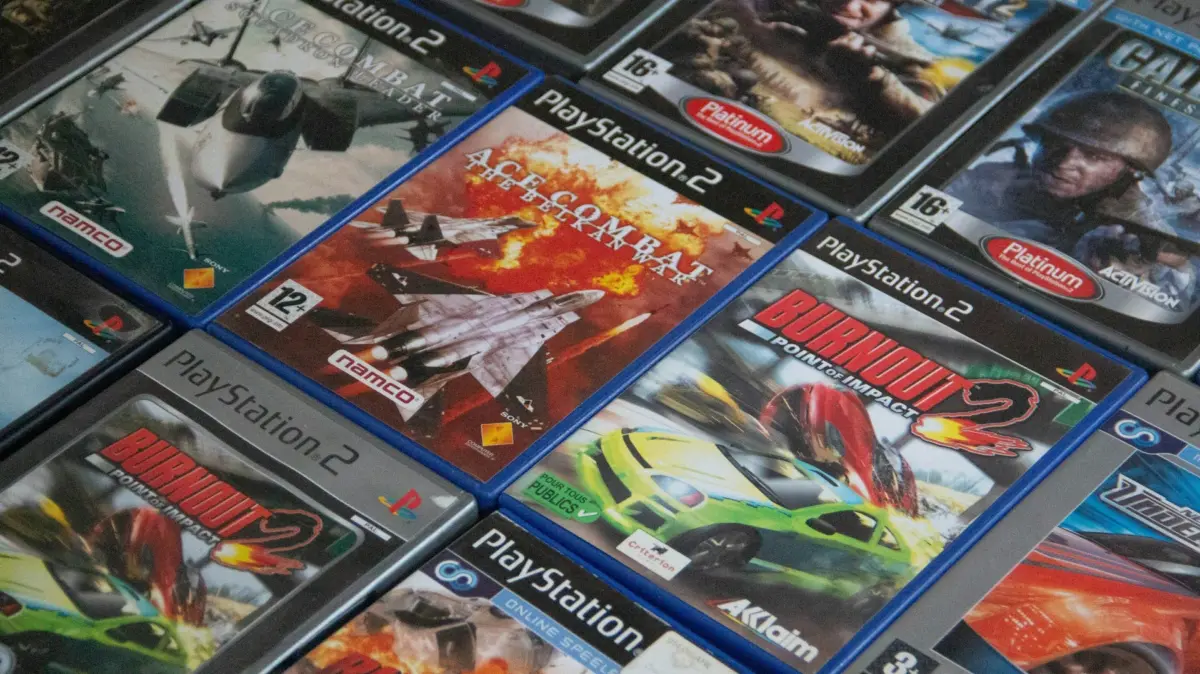
The recent revelation that Sony is finally surveying its development and publishing partners regarding the discontinuation of physical media support feels, at best, like a case of closing the barn door after the horse has bolted. Reports, most notably from Moore’s Law is Dead, indicate that Sony is soliciting feedback from industry stakeholders about its long-term move away from disc-based games. From a purely administrative or strategic standpoint, the timing is strikingly odd. In the corporate world, one would generally assume that consulting with your most vital business partners—those who actually produce the software that keeps your platform alive—would be a foundational step taken long before publicly signaling such a seismic shift in distribution policy.
While the old adage suggests that it is "better late than never," the true impact of this belated consultation remains to be seen. What this late-stage outreach inadvertently hammers home is just how unilateral the decision to pivot away from physical distribution has been. The move itself was not entirely unexpected; for years, the industry has watched as physical media support for console hardware was relegated to an afterthought, often treated as a legacy feature rather than a core component of the gaming ecosystem. However, the execution of this transition has been remarkably high-handed. There were undoubtedly ways to navigate this shift that prioritized flexibility, fostered collaboration, and encouraged genuine buy-in from both industry partners and the massive global consumer base. Instead, the process has felt detached and somewhat cold.
This newfound consultation, for all its potential to be viewed as a mere "listening exercise," suggests that the upper echelons of Sony may finally be realizing that they have overstepped. It is unlikely that this process will lead to a total reversal of the company’s stated trajectory. The timing—occurring well after the initial announcement and the subsequent market reaction—gives the impression of a public relations maneuver designed to mitigate the unexpectedly strident backlash the policy has generated, rather than a sincere, foundational reconsideration of the strategy. That said, it is possible that the feedback could result in minor concessions, such as providing additional flexibility for publishers to offer physical releases for the remainder of the current PlayStation 5 generation. While such a compromise might appease some, it does little to address the long-term, structural concerns regarding the industry’s trajectory.
Sony appears to have been caught off guard by the sheer intensity of the opposition. It is likely that the internal consensus at the company was built on the assumption that because physical sales represent a shrinking portion of the market, the transition to an all-digital future would be met with little more than a whisper of protest from a small, vocal minority. They seemingly expected to close the book on disc-based media without significant fanfare. They were wrong. The outcry from consumers has been loud, but the vehemence of some prominent industry figures—developers, publishers, and studio heads—was clearly not part of the plan.
This disagreement transcends a simple, nostalgic preference for plastic cases and printed manuals. There is a palpable undercurrent of concern among industry professionals that Sony has either overlooked or intentionally disregarded legitimate commercial realities. The prevailing narrative that digital distribution is simply replacing physical media in a clean, linear, and inevitable fashion is far too simplistic. While no one can deny that digital is the dominant mode of consumption—a reality that has been true for the PC gaming market for decades—the commercial ecosystem is far more complex than a one-to-one swap would imply.
A significant portion of the market operates in a hybrid fashion, utilizing both physical and digital formats for different purposes. The low-value segment of the market has long been the primary argument for digital distribution, but it also highlights a critical function of physical media: the second-hand market. Physical games can be traded, sold, or shared, providing essential value for frugal gamers, younger consumers, or those with limited disposable income. When the physical market is eradicated, that price-sensitive segment of the player base loses its autonomy, leaving pricing power entirely in the hands of the platform holder and the publisher.
Furthermore, the high-value segment of the market—the "collector" and "enthusiast" demographic—seems to have been largely ignored in the boardrooms. For many, digital storefronts serve as the day-to-day workhorse, ideal for convenience, subscription services, and spontaneous sales. However, physical purchases serve a different, more ceremonial role. They are often tied to major pre-orders, high-end collector’s editions, or special releases that foster a deeper connection between the player and the title. For indie developers, in particular, physical runs are not just vanity projects; they are a vital way to generate revenue from their most dedicated fans, who are often willing to pay a premium for a tangible object that serves as a badge of honor for their support.
This dynamic is not unique to gaming; it is visible across the entire entertainment landscape. Despite the ubiquity of Spotify and Apple Music, the vinyl record industry has experienced a massive resurgence, serving as a lucrative, albeit niche, revenue stream for artists. Similarly, high-quality, physical editions of books and 4K Blu-ray releases of classic films remain robust. These physical artifacts are not just data; they are expressions of culture that cultivate "super-fans." For these fans, a digital download—which, as legal disputes have frequently highlighted, is technically a license rather than ownership—is an insufficient substitute for a physical collection. When media companies explicitly argue in courtrooms that consumers do not truly own their digital purchases, it validates the concerns of the collector who demands the permanence and tangibility of a physical copy.
Sony’s current path is unlikely to change without significant external pressure, perhaps from international regulators in the European Union who have recently taken a dim view of "walled garden" ecosystems. The next generation of hardware—the PlayStation 6 and its competitors—will almost certainly abandon physical media entirely. If these companies had the will, they could have looked to models like the Nintendo Switch’s cartridge system, which provides a physical asset that can be traded or sold, even if the data itself is partially cloud-based. The fact that this approach is being bypassed suggests that the industry is prioritizing a total shift to digital control over the preservation of secondary markets and collector culture.
As the industry moves toward this all-digital horizon, gaming—the youngest of the major entertainment media—risks placing itself in a unique and potentially unfavorable position. Every other medium has managed to retain an element of physical distribution, recognizing its value in cultivating community and its surprising resilience in the face of digital-first trends. By discarding this segment, the gaming industry is walking away from a proven, lucrative, and highly valued component of its business model.
Whether the belated consultation process will result in any meaningful change remains to be seen. It is, however, a belated acknowledgment that the transition is not as simple as flipping a switch. The voices of developers and publishers who have built businesses around physical releases deserve to be heard. While the ideal time to incorporate that feedback would have been long before the policy was finalized, the act of listening now could at least offer a chance to soften the impact of what is essentially a fundamental, irreversible shift in the way games are distributed, owned, and valued. At the very least, it forces a conversation about the value of what is being lost, and whether the industry is throwing out far more than just a piece of plastic.