

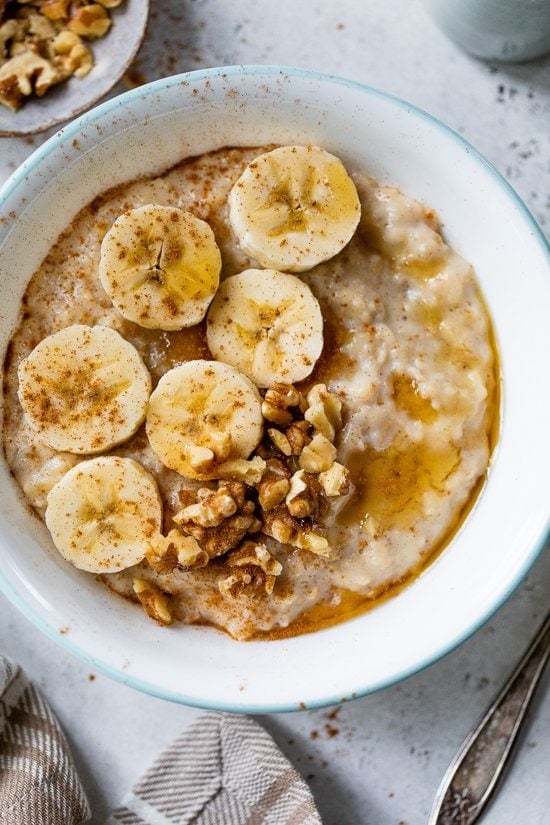
For many, the mention of oatmeal evokes images of a humble, steaming bowl topped with nothing more than a sprinkle of brown sugar. However, as modern nutrition science continues to emphasize the importance of whole grains, home cooks and wellness enthusiasts are finding that oats are far more than just a basic breakfast staple. From the convenience of overnight preparations to the creative integration of oats into baked goods and savory meals, this ancient grain is proving to be a cornerstone of a balanced, fiber-rich diet.
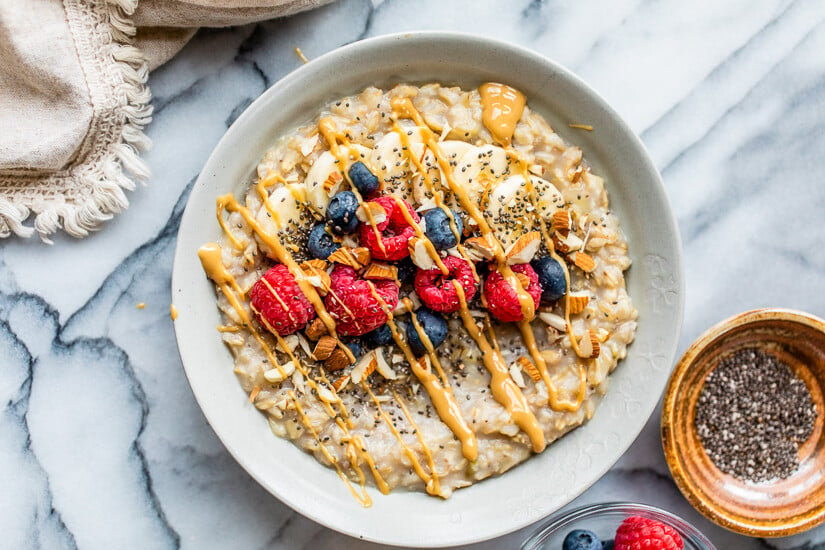
At the heart of this resurgence in oat-based cooking is a focus on nutritional density. Oats are celebrated by nutritionists for their high content of beta-glucan, a type of soluble fiber that plays a critical role in supporting heart health and maintaining steady energy levels throughout the morning. Beyond fiber, these grains provide a robust profile of essential minerals, including manganese, magnesium, and iron, as well as vital B vitamins. For those striving to reach daily dietary fiber goals—typically recommended between 25 and 30 grams—incorporating oats into the first meal of the day provides a significant head start.

The versatility of the grain is perhaps its most compelling feature. By pairing oats with protein-dense additions such as Greek yogurt, cottage cheese, or eggs, the traditional carbohydrate-heavy breakfast is transformed into a well-rounded meal capable of curbing hunger for hours. This adaptability has sparked a wave of innovation in home kitchens, where cooks are moving beyond simple porridge to explore the potential of steel-cut, rolled, and quick-cooking varieties.

Understanding Oat Varieties and Their Culinary Roles
While it may be tempting to use whatever variety is currently in the pantry, culinary experts note that the type of oat selected significantly impacts the final outcome of a recipe. Steel-cut oats, often referred to as Irish oats, consist of the entire oat kernel chopped into small pieces. Because they retain the most structure, they require a longer cooking time but reward the cook with a distinct, chewy texture that holds up well in slow cookers and pressure cookers.

In contrast, rolled oats—also known as old-fashioned oats—are steamed and flattened, allowing them to absorb liquid more readily while retaining their shape. They serve as the gold standard for many baking applications and standard stovetop cooking. Quick oats, which are processed into smaller, thinner flakes, are designed for speed, resulting in a softer, more porridge-like consistency. Additionally, the rise of oat flour has allowed for the development of grain-based baked goods that still provide the fiber and nutrient profile of the whole grain in a finely ground, versatile form. Because each variety interacts differently with moisture and heat, culinary professionals advise adhering to the specific type requested in a recipe to ensure the desired texture and consistency are achieved.

Innovations in Overnight and Slow-Cooked Breakfasts
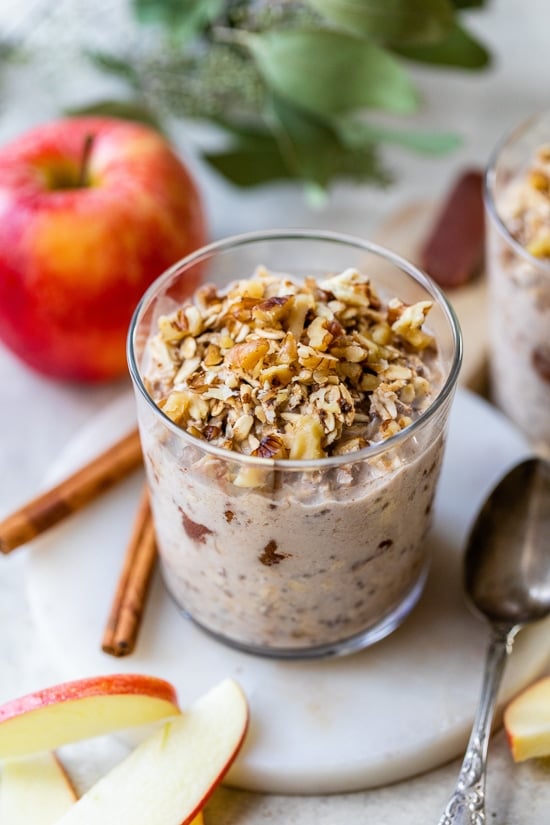
The modern pace of life has driven a significant interest in "make-ahead" breakfast solutions. Overnight oats have emerged as a dominant trend, offering a no-cook, portable solution that can be prepared in individual jars. By allowing the oats to soak in milk or dairy alternatives overnight, the grains soften and absorb the surrounding flavors, creating a creamy, pudding-like consistency by morning.
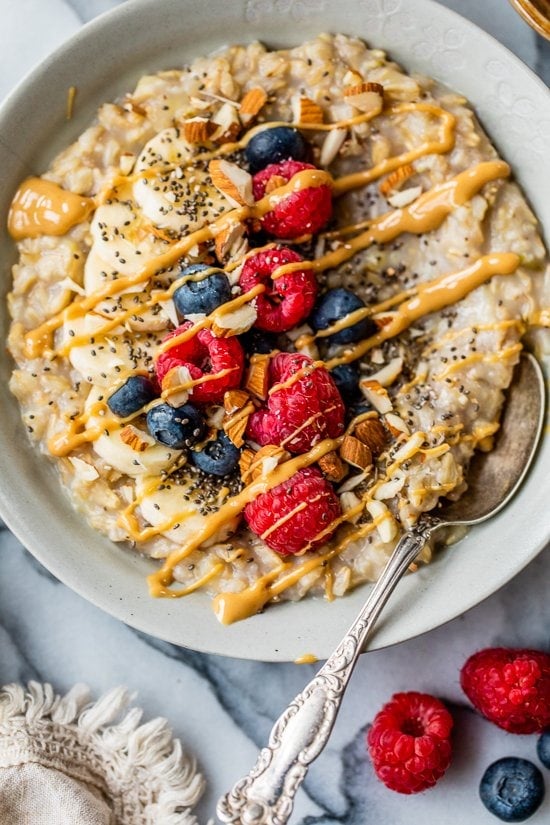
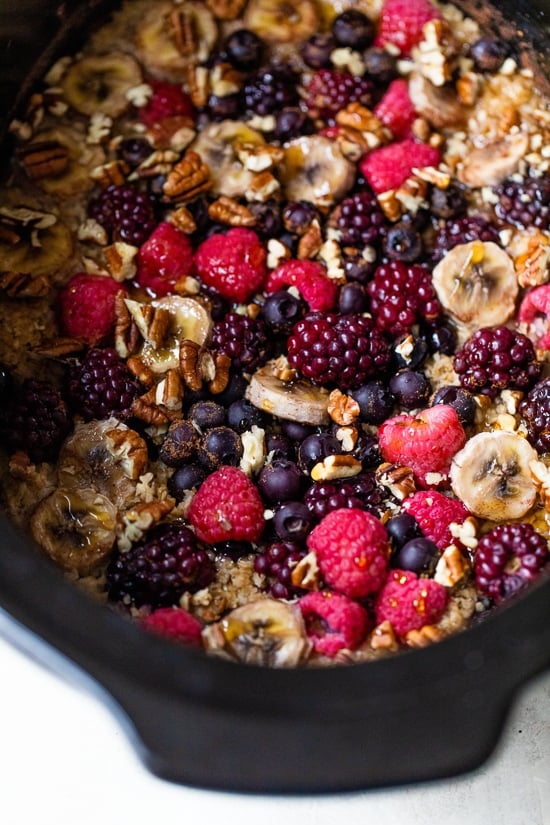
Creative variations, such as apple pie-inspired blends or rich, dessert-like "tres leches" versions, demonstrate how effectively oats can act as a neutral canvas for diverse flavor profiles. These preparations are frequently enhanced with chia seeds, which not only contribute to the texture but also provide an additional boost of omega-3 fatty acids and fiber. For those who prefer a warm meal without the morning effort, the use of slow cookers and Instant Pots has revolutionized the preparation of steel-cut oats. These appliances allow for the hands-off cooking of large batches, which can then be refrigerated and portioned out for the week, ensuring that a healthy breakfast remains accessible even on the busiest mornings.
Expanding the Definition of "Oatmeal"
Perhaps the most significant shift in contemporary cooking is the move toward savory oatmeal. By treating oats more like risotto or polenta, home cooks are incorporating savory ingredients such as mushrooms, chicken sausage, parmesan cheese, and even fried eggs. This shift challenges the traditional perception of oats as a exclusively sweet breakfast food and provides a savory, high-protein alternative that can be enjoyed at any time of day.
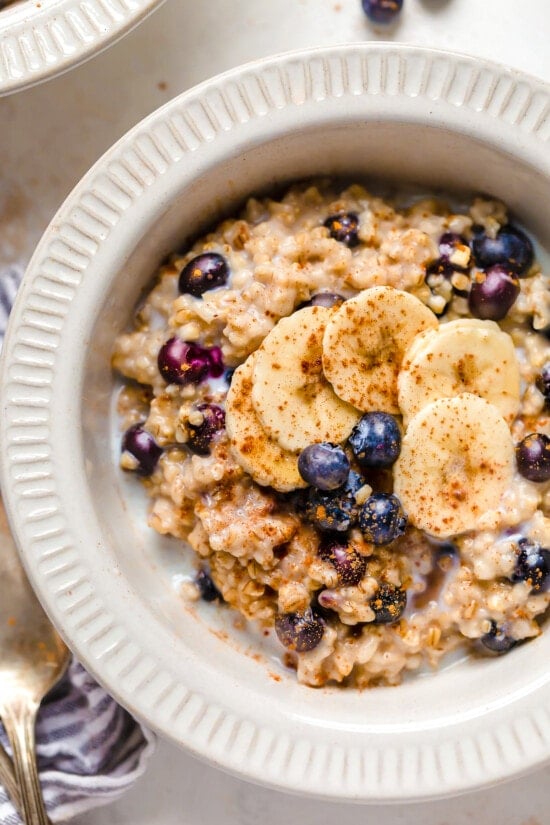
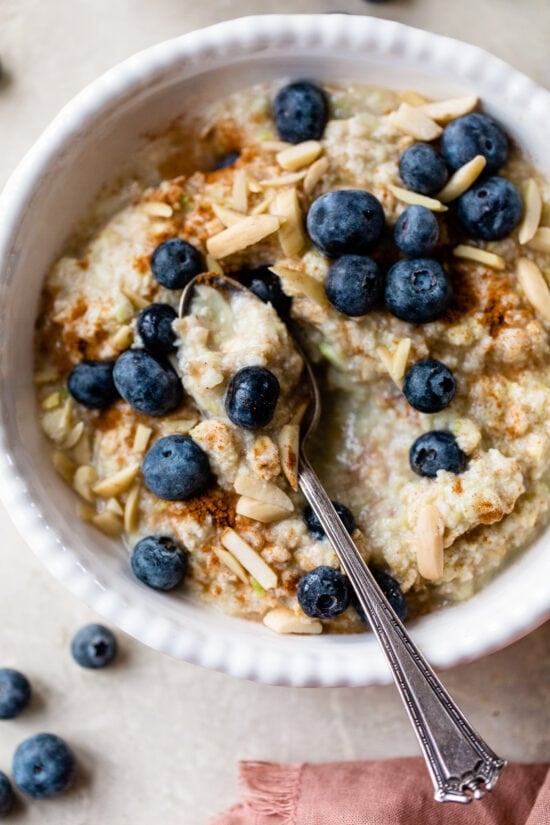
Similarly, the concept of "zoats"—a portmanteau of zucchini and oats—has gained traction as a method for sneaking vegetables into a morning meal. By folding grated zucchini into the cooking oats, the volume of the meal is increased without adding significant calories, while the fiber content receives a boost. The zucchini blends seamlessly into the texture of the oats, mimicking the flavor profiles of classic baked goods like zucchini bread, especially when paired with cinnamon and nutmeg.
Baking and Beyond: The Role of Oats in Healthy Snacking
The utility of oats extends well into the realm of baking, where they serve as an excellent base for muffins, bars, and cookies. In these applications, oats contribute a dense, satisfying texture and a nutty flavor that pairs well with fruits, nuts, and dark chocolate. Because these recipes often replace refined flours with oat-based alternatives or whole-grain oats, they provide a more sustained release of energy compared to traditional sugary snacks.

From pumpkin-infused baked oatmeal cups to protein-packed banana cookies, these recipes emphasize the ability of the grain to act as a binder and a structural component. Many of these baked options are designed for portability, making them ideal for individuals looking to maintain healthy eating habits while on the move. By utilizing natural sweeteners and high-protein additives like protein powder or egg whites, these treats can satisfy a sweet craving while remaining nutritionally responsible.
Addressing Dietary Considerations
As the popularity of oats has grown, so has the importance of understanding the supply chain, particularly for those with specific dietary requirements. While oats are naturally free of gluten, they are frequently processed in facilities that also handle wheat, barley, or rye. For individuals with celiac disease or severe gluten sensitivities, it is imperative to source oats that are explicitly certified as gluten-free. Organizations such as the Celiac Disease Foundation provide comprehensive resources for identifying safe brands and understanding the manufacturing processes that minimize the risk of cross-contamination.
Ultimately, the enduring appeal of the oat lies in its fundamental simplicity and its remarkable versatility. Whether one is looking to streamline their morning routine through meal-prepped jars, seeking a savory boost of protein, or exploring the healthful side of baking, the grain continues to prove its worth as a staple in a balanced diet. As more people experiment with these diverse techniques and flavor combinations, the humble bowl of oats is likely to remain a fixture in kitchens for years to come.