
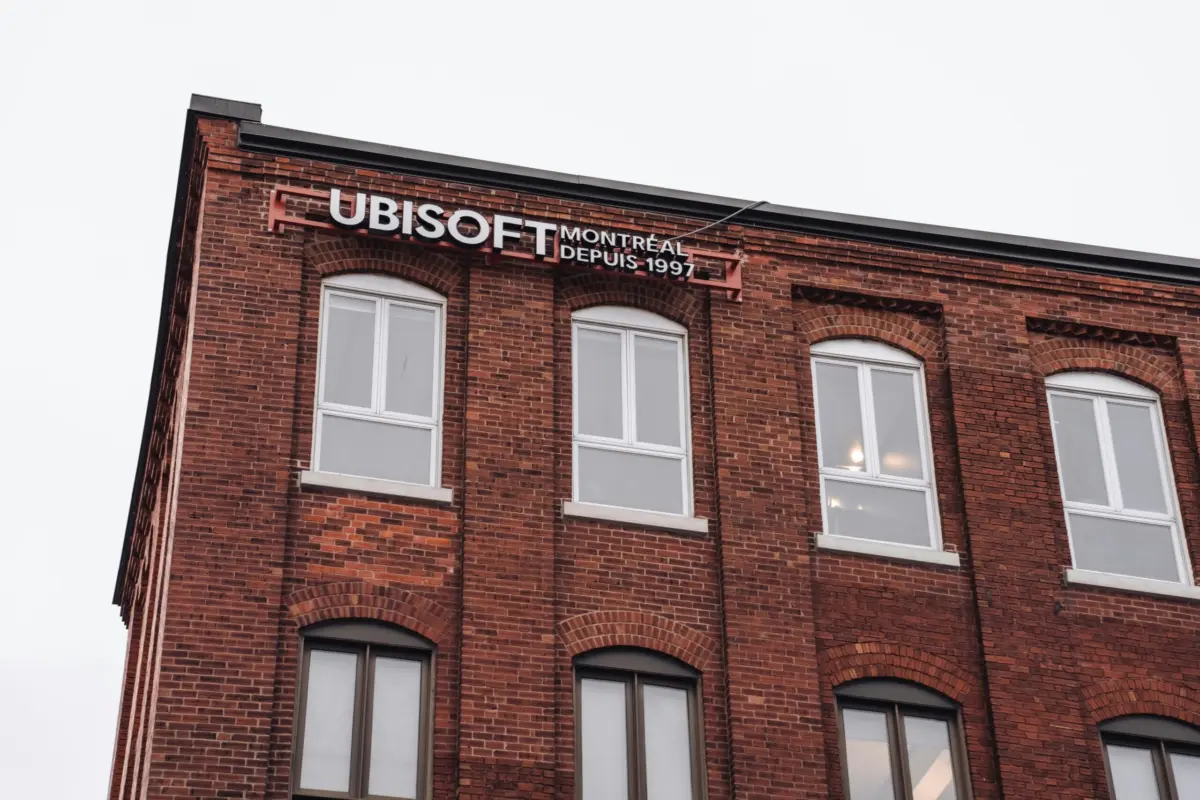
Employees at Ubisoft Montreal have taken a definitive stand against the company’s recent return-to-office mandates, launching a formal petition aimed at protecting the hybrid work arrangements that have become a standard fixture of the modern game development industry. The initiative, organized by the Ubisoft Workers of Montreal (UWM) union, marks a significant escalation in the ongoing tension between studio leadership and the workforce regarding the future of office culture and operational flexibility.
The campaign, which officially commenced on September 30, has already garnered significant momentum, surpassing 300 signatures within its first day. The union is actively encouraging staff to engage with their peers, specifically suggesting that employees meet during break hours to discuss the petition and gather additional support. This grassroots approach, characterized by in-person outreach and coordination, reflects the union’s desire to keep the conversation centered on the day-to-day realities of the people who design, code, and produce Ubisoft’s flagship titles.
The push for a preserved hybrid model comes at a time of deep uncertainty for Ubisoft staff. Earlier this year, the company began a comprehensive restructuring effort, transitioning into a new "Creative House" organizational structure. As part of this sweeping transformation, which included project cancellations and various cost-cutting measures, Ubisoft leadership implemented a strict return-to-office mandate. Under the new policy, staff are expected to be present in the office five days a week, with only a limited annual allowance for work-from-home days.
Management has consistently framed this shift as a strategic necessity for the company’s long-term health. Marie-Sophie de Waubert, Senior Vice President of studio operations, has publicly championed the mandate, arguing that in-person collaboration is a critical engine for creativity. According to de Waubert, the company believes that physical proximity is a key enabler of efficiency and collective success, especially in a market as competitive and selective as the current AAA gaming landscape. In her view, the move is intended to help the new Creative Houses reconnect with success and bolster team engagement.
However, these justifications have found little resonance with the employees who feel the policy disproportionately impacts their personal and professional lives. The United Videogame Workers Union (UVW-CWA) has publicly thrown its weight behind the Montreal branch, framing the mandate not as a strategic improvement, but as a top-down policy decision made without meaningful input from those it affects most. In a statement supporting the UWM’s petition, the UVW-CWA emphasized that the return-to-office requirement ignores the diverse needs of the workforce, including parents, employees with disabilities, and staff who have relocated or purchased homes outside of a reasonable commuting distance.
The union’s critique goes beyond mere convenience. They argue that for many, the shift to hybrid or remote work was a fundamental component of their employment terms. For workers who moved to new countries to secure their positions or who thrive in remote environments, the mandate represents a significant breach of trust. By unilaterally enforcing these changes under the guise of cost-cutting, critics argue that leadership is prioritizing corporate optics over the human cost of their decisions. The UVW-CWA asserted that management must be held accountable, noting that the Montreal union is currently at the forefront of a broader struggle for dignified work and economic justice within the games industry.
This is not the first time the Ubisoft workforce has mobilized against company-wide policy changes. In February of this year, the tension reached a boiling point when at least 1,200 Ubisoft employees across various international studios participated in a three-day strike. The industrial action was organized in direct response to the same restructuring and return-to-office mandates that the Montreal branch is now challenging through its petition. While Ubisoft management provided their own, lower estimates regarding the number of participants—claiming 528 staff had reported themselves as being on strike—the event highlighted a profound disconnect between the studio’s executive suite and its global staff.
The debate over remote versus office-based work has become a defining issue in the video game sector. While Ubisoft’s CFO, Frederick Duguet, has stated that the company remains open to discussions with employees and their representatives, he has maintained that the policy is fundamentally about boosting the collective performance of AAA development teams. For the leadership team, the focus is on the quality of their creative output. For the employees, however, the focus is on the sustainability of their careers and the preservation of a work-life balance that has become essential in an industry often criticized for its high-pressure "crunch" culture.
As the petition gains traction, the situation in Montreal highlights a growing trend of organized labor asserting its voice in the game development sphere. The UWM’s campaign is more than just a request for remote days; it is a challenge to the power dynamic within one of the world’s largest gaming publishers. By documenting their needs and coordinating across departments, the workers are attempting to force a seat at the table, ensuring that any future "modus operandi"—as de Waubert referred to it—is built through dialogue rather than decree.
The path forward remains uncertain. While the company has expressed a willingness to discuss the logistics of the return-to-office policy with local teams and representatives, it has shown no indication that it intends to abandon the mandate entirely. For the workers of Montreal, the next few weeks will be critical. As they continue to collect signatures and coordinate with supporters, the strength of their collective voice will determine whether management feels compelled to revisit its strategy.
For now, the message from the studio floor is clear: the employees are not merely passive participants in the company’s restructuring. They are invested in the future of their work, the health of their teams, and the principles of the workplace culture they have built. Whether through petitions, union advocacy, or, as seen in the past, industrial action, the workers at Ubisoft are signaling that they intend to remain a central part of the conversation regarding the future of their industry. The upcoming discussions between the union and studio leadership will likely serve as a litmus test for how the company handles the evolving expectations of a workforce that is increasingly willing to demand transparency and respect.
The success of the petition could signify a turning point, not only for the Montreal studio but for the broader Ubisoft organization as it seeks to navigate the complexities of modern game production in a post-pandemic world. For the employees, the goal remains the same: a workplace that recognizes their contributions and respects the reality of their lives outside the office walls. As the campaign continues, the industry at large will be watching to see how the company responds to this latest display of collective action, and whether that response will lead to a genuine evolution in how creative work is managed at the highest levels of the industry.