
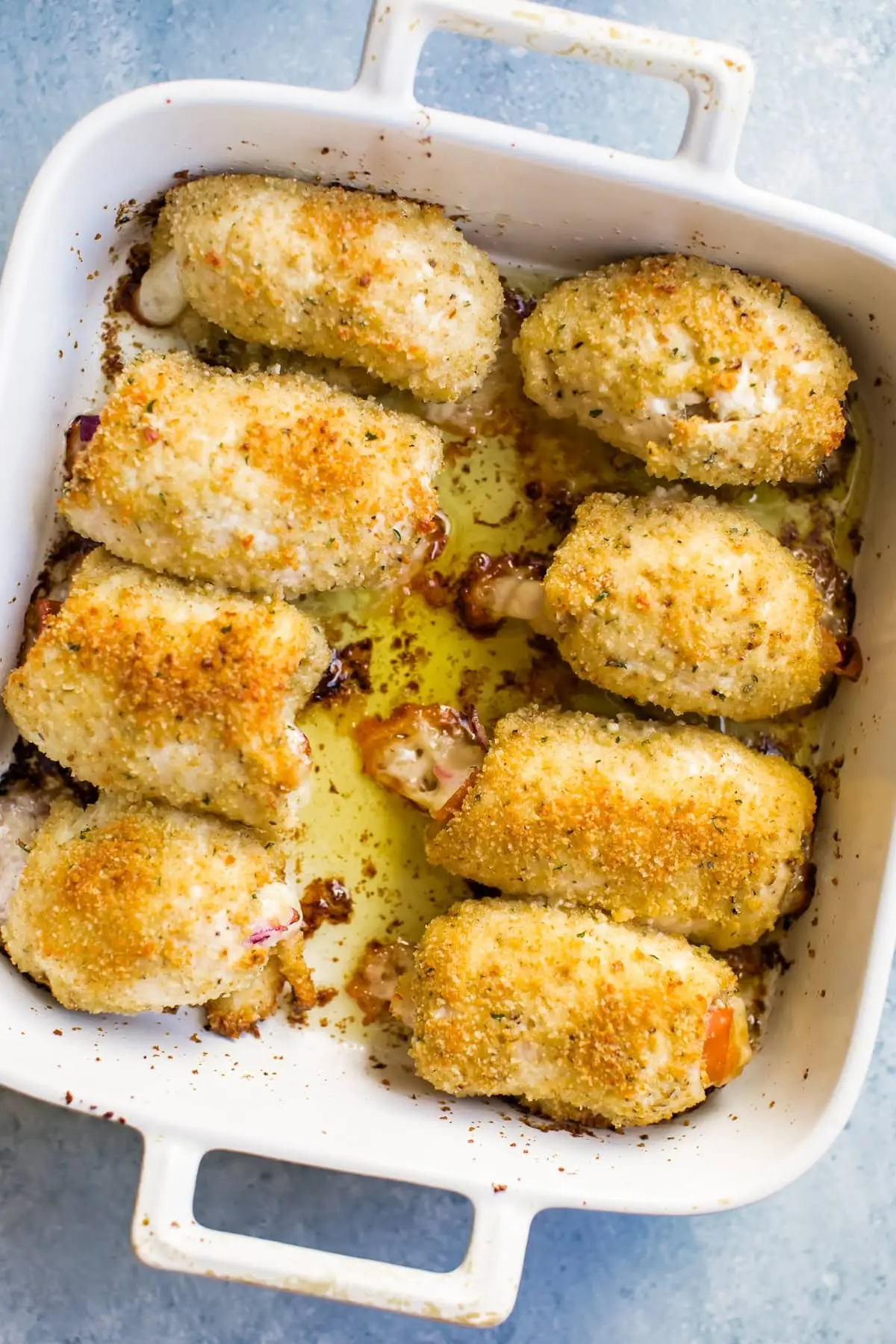
For home cooks navigating the often-monotonous cycle of weeknight meal preparation, the discovery of a recipe that balances ease of execution with a sophisticated flavor profile is a significant event. Among the most enduring staples in modern home cooking is the Chicken Rollatini, a dish that elevates the humble chicken breast through a marriage of savory prosciutto, molten provolone, and a bright, zesty breadcrumb crust. This specific preparation, which has become a hallmark of accessible culinary creativity, offers a departure from traditional poultry recipes, providing a reliable yet elegant solution for those seeking to revitalize their dinner repertoire.
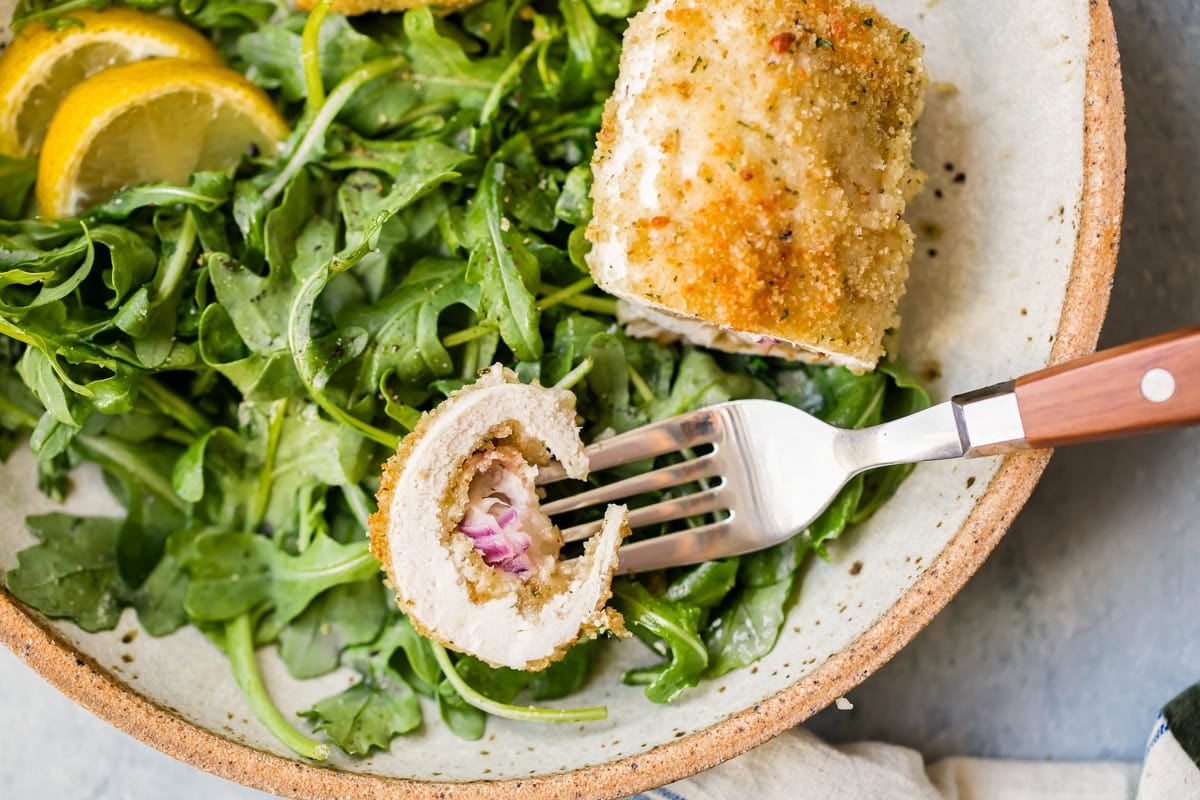
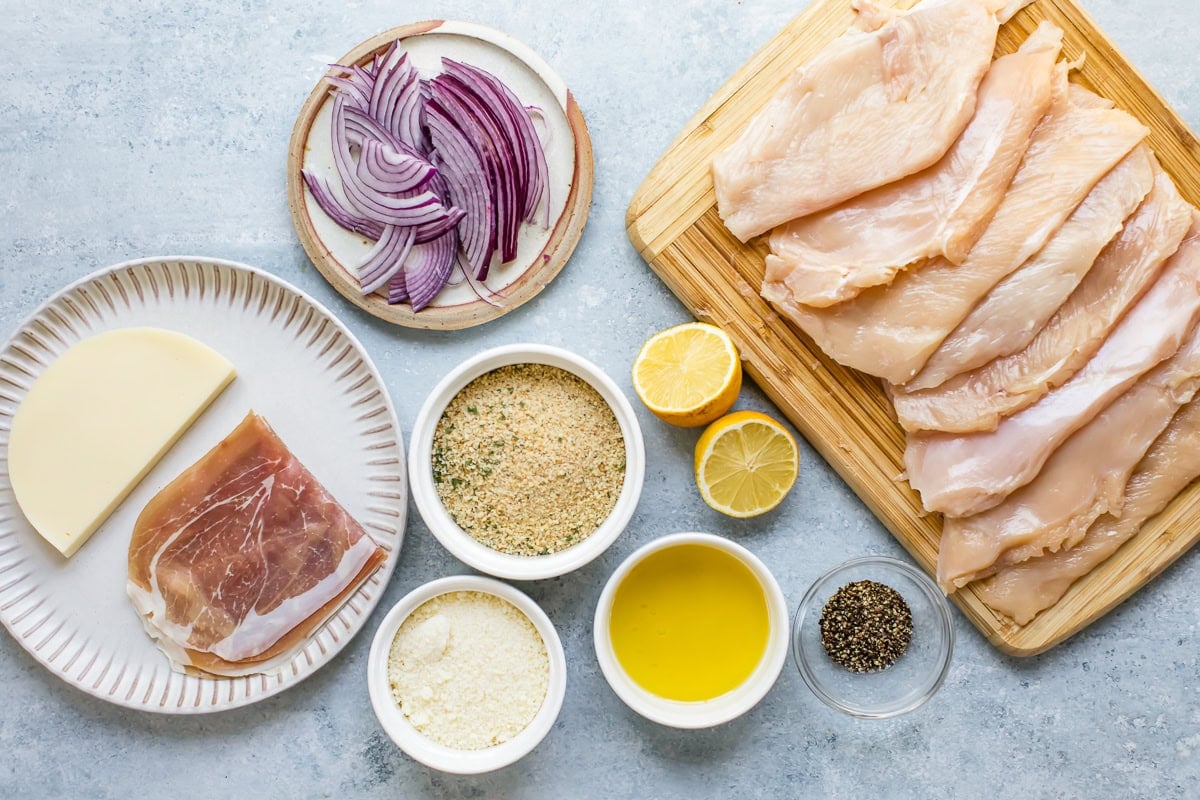
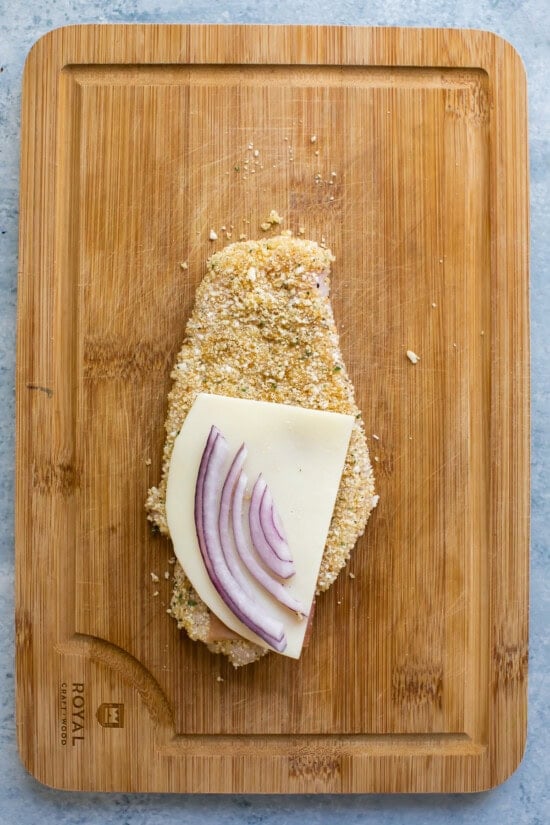
The dish functions as a masterclass in texture and balance. By stuffing thinly pounded chicken cutlets with high-quality provolone cheese and thinly sliced red onion, the cook creates a flavor profile that is simultaneously rich and sharp. The inclusion of prosciutto, a dry-cured Italian ham, introduces a necessary saltiness that permeates the chicken as it bakes. However, the true innovation of this particular method lies in the exterior. Rather than relying on the conventional egg wash, which can sometimes result in a heavy or gummy coating, this technique utilizes a simple yet effective dip of olive oil and fresh lemon juice. This combination serves a dual purpose: it acts as a binder for the seasoned breadcrumbs while imparting a subtle, citrus-forward brightness that cuts through the richness of the cheese and cured meat.
The popularity of this dish, which has been a fixture in home kitchens for over a decade, speaks to its versatility. It is a meal that occupies a unique space in the culinary landscape, bridging the gap between a quick, utilitarian dinner and a dish elegant enough to be served at a more formal gathering. Its ability to maintain its integrity whether baked in a traditional oven or prepared in a modern air fryer has only bolstered its reputation as a reliable go-to recipe.

The Evolution of the Classic Chicken Breast
The history of the chicken breast in American home cooking is one of constant reinvention. Often criticized for its tendency to become dry or bland, the chicken breast has long required the intervention of creative techniques to make it palatable for the average family. The rollatini format is perhaps one of the most successful adaptations of this protein. By rolling the meat around a flavorful core, the structure of the chicken is preserved, and the interior ingredients effectively steam the meat from the inside out, ensuring a succulent result that is difficult to achieve with standard grilling or pan-searing.
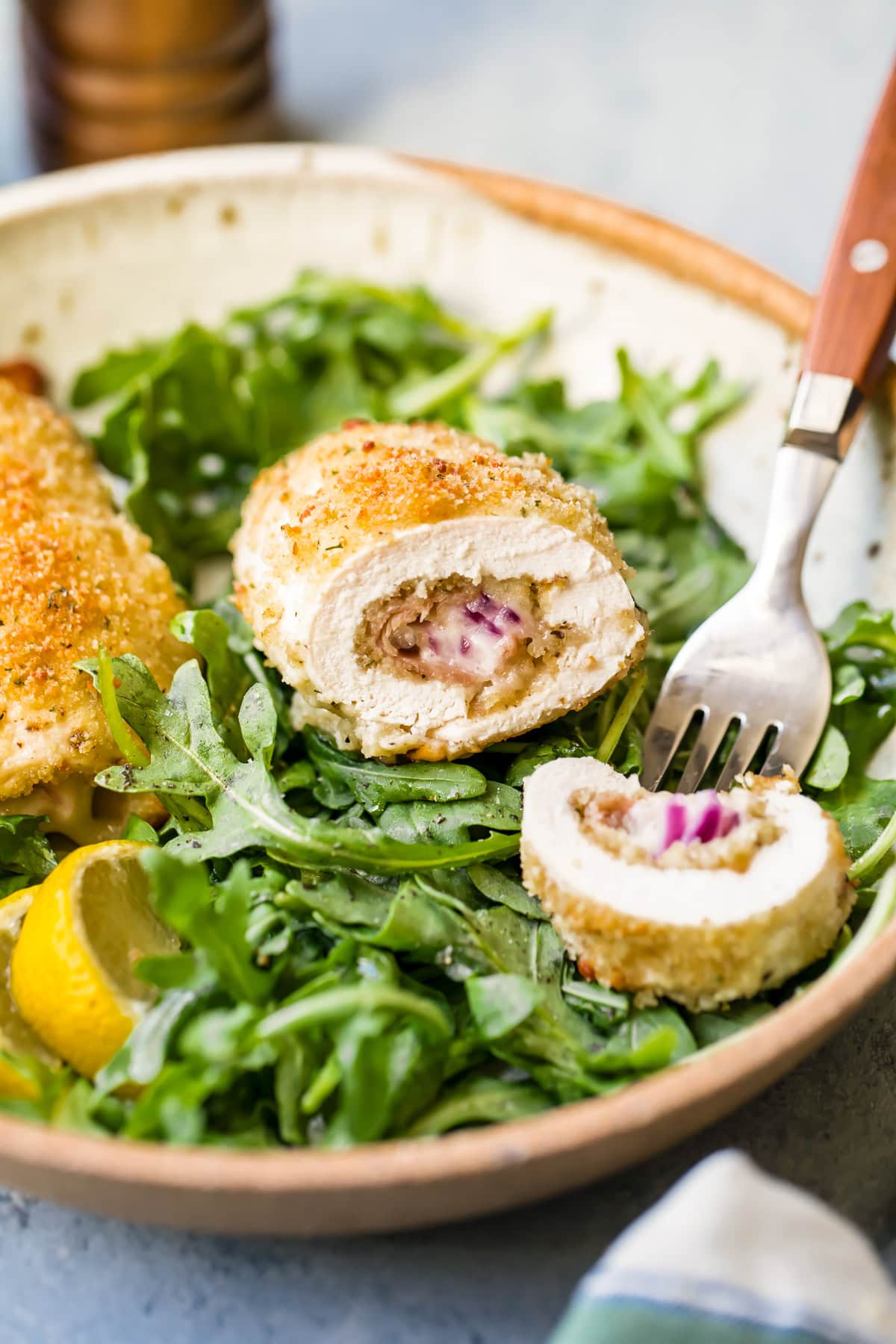
The use of red onion inside the roll is a deliberate culinary choice that adds a necessary layer of complexity. As the chicken bakes, the onion mellows, losing its harsh raw bite and instead providing a subtle sweetness that complements the savory notes of the provolone and prosciutto. This integration of ingredients is representative of a broader shift in home cooking toward Mediterranean-inspired flavor profiles, which prioritize fresh, high-quality components and minimal, impactful preparation.

Technical Precision in the Kitchen
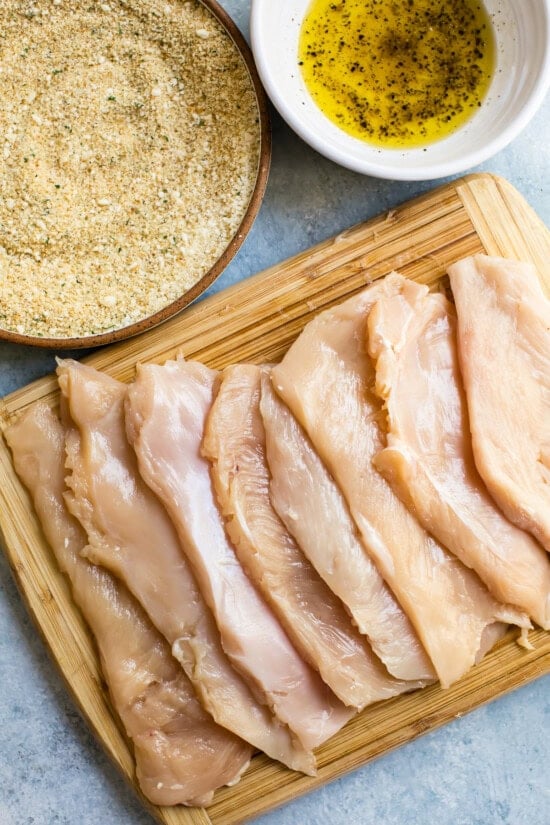
Achieving the perfect rollatini requires a degree of attention to detail that rewards the cook. The process begins with the preparation of the chicken cutlets. To ensure even cooking and a consistent roll, the chicken must be pounded to a uniform thickness. This step is not merely about aesthetics; it is essential for the structural integrity of the final product. A thinner cutlet allows for a tighter roll, which keeps the filling—the provolone and onion—securely contained within the meat as the cheese inevitably begins to melt.
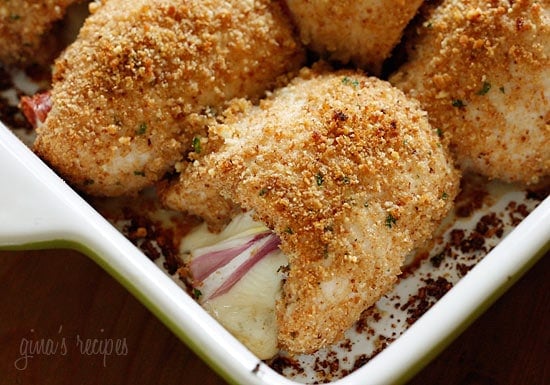
The breading process serves as the final, critical step. The shift away from egg-based binders toward a lemon-oil mixture represents a refined approach to crust development. The acidity of the lemon juice works to tenderize the exterior of the chicken slightly, while the olive oil provides the fat necessary to achieve a golden-brown, crispy finish without the need for deep frying. When placed in the oven, the result is a harmonious contrast: a crisp, lemony exterior giving way to a tender, savory center.
Modern Adaptations and Air Fryer Integration
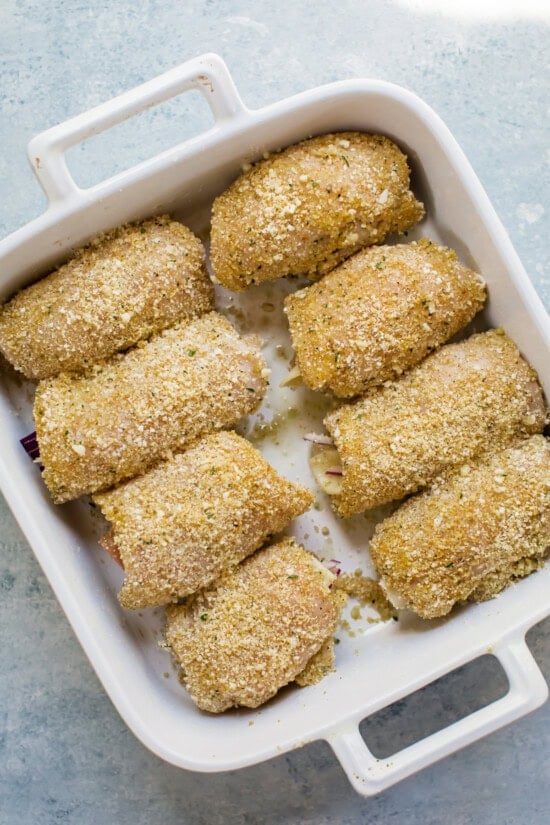
In recent years, the rise of the air fryer has necessitated a re-evaluation of classic baking techniques. For the Chicken Rollatini, the transition to this medium has been seamless, proving that the recipe is as adaptable as it is delicious. By placing the rolls seam-side down in the air fryer basket, the cook can ensure the structural integrity of the dish while utilizing convection heat to achieve a level of crispness that rivals a conventional oven.
Cooking the rollatini at 400 degrees Fahrenheit for approximately 12 minutes—with a mid-point flip—allows for a rapid, efficient dinner that does not sacrifice quality. The ability to cook in batches makes this a viable option for households of varying sizes, reinforcing its position as a staple in contemporary meal planning. Whether utilizing a standard oven or an air fryer, the goal remains the same: ensuring the internal temperature of the chicken reaches 165 degrees Fahrenheit, the threshold for safety and optimal texture.
A Foundation for Diverse Side Pairings
The versatility of this chicken dish extends to how it is plated and served. Because the rollatini itself is rich and savory, it pairs exceptionally well with side dishes that offer contrast, such as acidity or freshness. A classic arugula salad, tossed in a light vinaigrette, provides a peppery bite that balances the intensity of the melted provolone. Alternatively, a tomato-based salad or a chopped Italian salad can provide a refreshing accompaniment that grounds the meal.
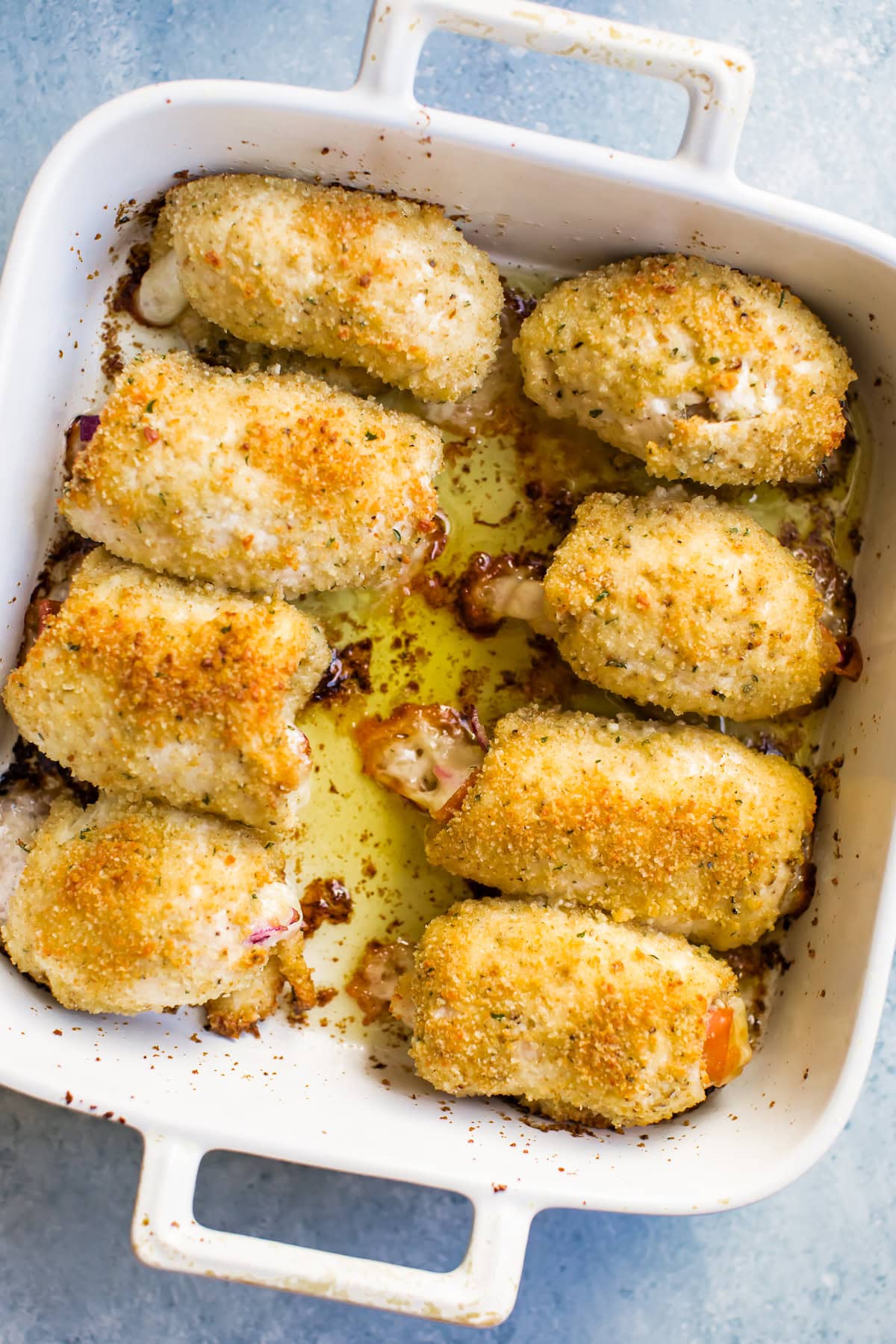
For those seeking a more substantial experience, the dish complements a wide array of starches and vegetables. Roasted broccoli with smashed garlic, orzo with seasonal additions, and even contemporary interpretations of risotto serve as excellent bases. The goal of these pairings is to create a balanced plate where the rollatini remains the focal point while the accompaniments enhance its nuanced flavors.
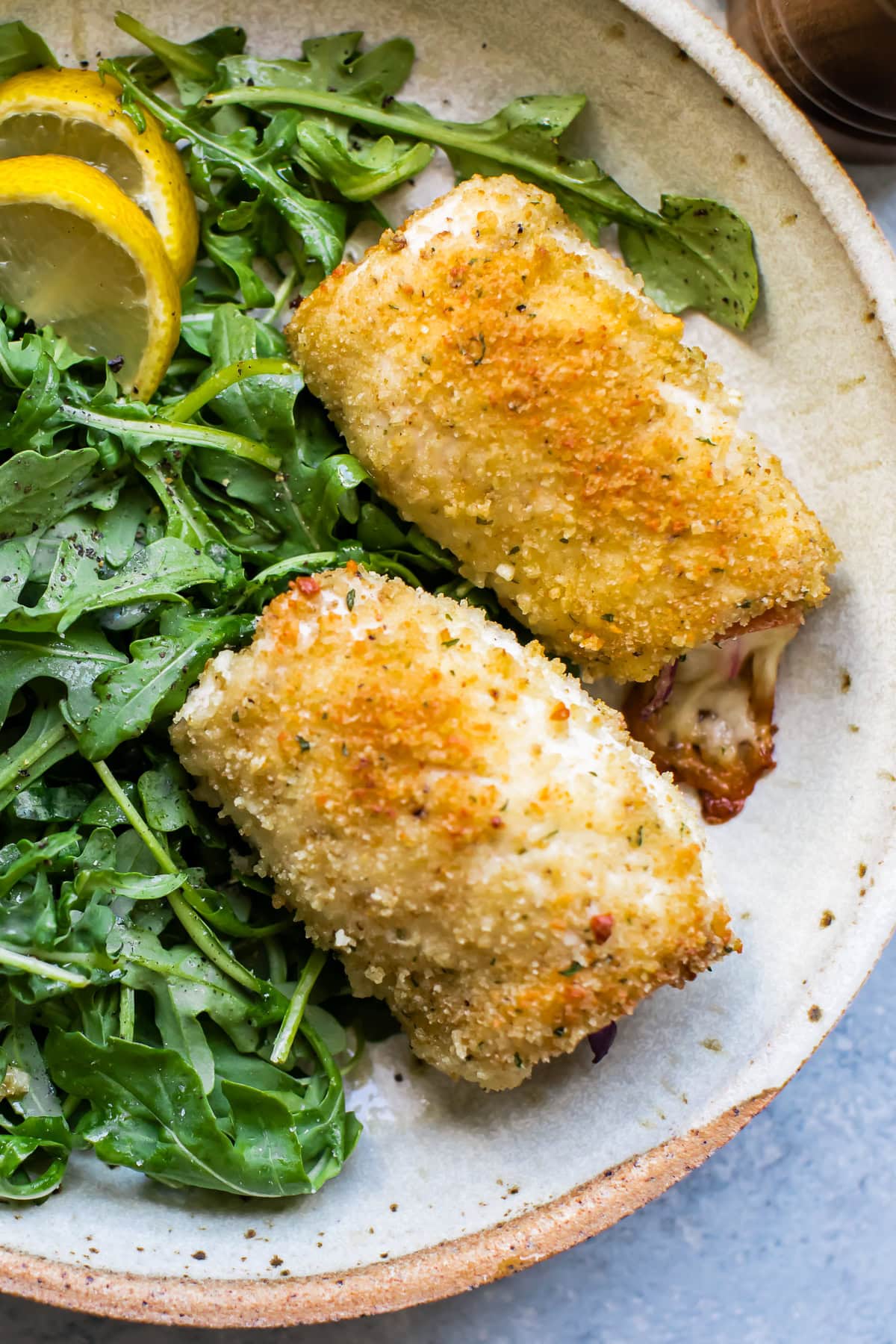
The enduring success of this recipe is a testament to the fact that home cooking does not need to be overly complicated to be profound. By focusing on the interplay of high-quality ingredients—prosciutto, provolone, citrus, and herbs—the cook can transform a basic, often-overlooked protein into a centerpiece that satisfies the palate. As dietary preferences and kitchen technologies continue to evolve, the core principles of this dish—simplicity, balance, and quality—ensure its continued relevance for years to come. Whether for a hurried weeknight dinner or an occasion that calls for a bit more effort, this approach to chicken rollatini remains a definitive example of effective and satisfying home culinary practice.