
In the modern educational landscape, the dangers of unchecked assumptions are increasingly manifesting in two very different yet equally concerning arenas. From the physical halls of elementary and secondary schools to the digital screens viewed by toddlers at home, society is paying a heavy price for accepting surface-level narratives without verification. This critical theme forms the backbone of a recent episode of This Week with EdSurge, where two investigative reporters pull back the curtain on why it is more important than ever to trust, but rigorously verify, both the motivations of educators and the educational media consumed by the youngest generation.
The episode examines how casual stereotypes and unexamined digital content can warp reality. Whether it is a monkey playing a keyboard with a drumstick in a piece of synthetic media that goes unquestioned by viewers, or a male educator walking into a school building only to be instantly typecast as the physical education coach before uttering a single word, society relies far too often on lazy preconceptions. These unexamined biases are not just harmless quirks; they actively shape professional pipelines and early childhood development in profound ways.
A Shrinking Share of Male Teachers
The gender imbalance within the American teaching profession is a long-standing structural challenge, but the human cost behind the statistics is often overlooked. Journalist Ed Finkel recently set out to explore this dynamic by speaking directly with men across the country, investigating why they chose a career in education in the first place, and perhaps more importantly, why so many ultimately decide to walk away from the classroom for good.
Finkel analyzed a new survey of the profession, combing through data that highlights the dwindling presence of men in schools, particularly at the elementary and middle school levels. However, the numbers alone do not tell the whole story. To truly understand the attrition rates, Finkel listened to teachers who described the day-to-day psychological wear and tear of working in an environment where they are constantly misjudged.
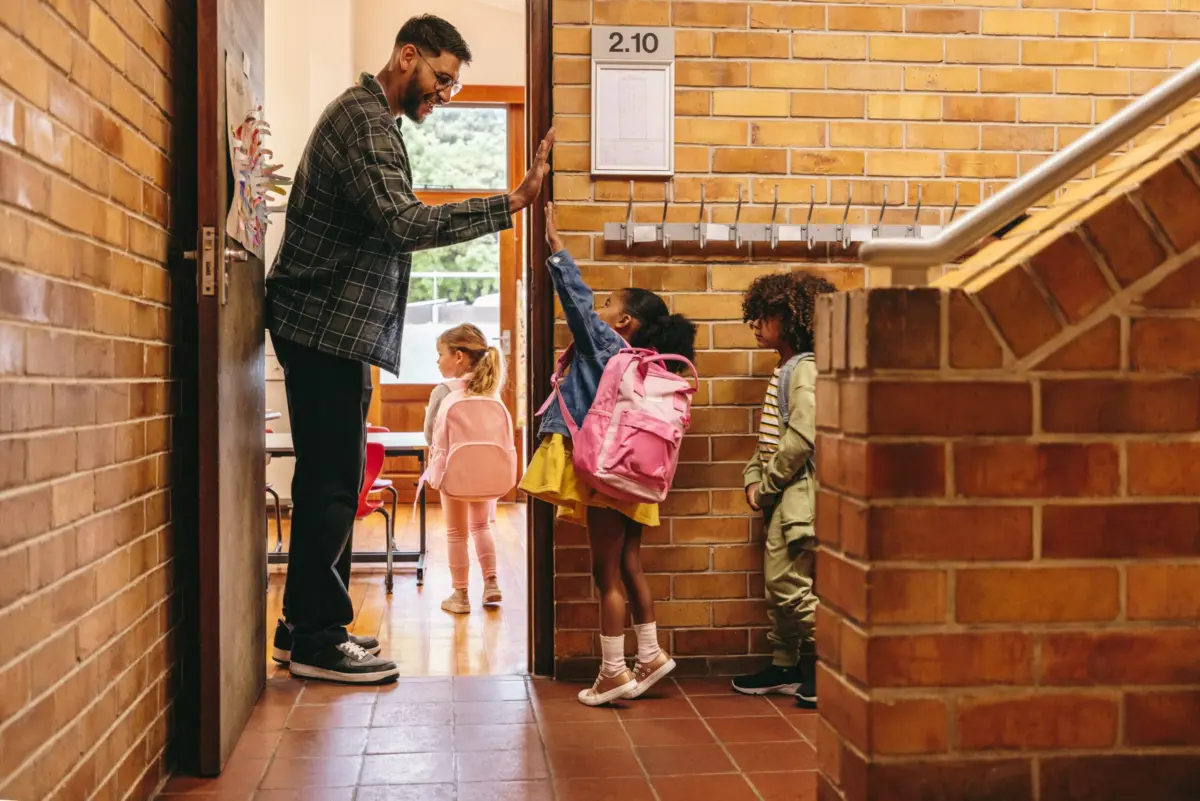
Many male educators reported walking into a school building and immediately facing entrenched assumptions about who they are and what their role must be. Before they even have a chance to introduce themselves, share their credentials, or speak a single word, colleagues, parents, and sometimes even administrators project stereotypes onto them. These microaggressions and preconceptions often pigeonhole male teachers into specific disciplines, most commonly as gym or athletic coaches, regardless of their actual academic training, expertise, or passions in subjects like literature, science, or early childhood pedagogy.

Finkel’s reporting digs deep into what is actively pulling these men away from the classroom. The cumulative effect of these daily assumptions, combined with broader systemic pressures facing educators today, creates an environment where retention becomes a monumental hurdle. Schools across the nation are now grappling with these trends, trying to figure out what they can do differently to create more welcoming, equitable, and realistic environments that can successfully recruit and retain male educators. Finkel’s findings, detailed in his article "As Male Teachers Vanish From the Classroom, Schools Look for Ways to Bring Them Back," underscore that fixing the shortage requires more than just recruitment campaigns; it requires changing the cultural climate within school buildings.
When AI Gets the Basics Wrong
While Finkel was examining the human element inside physical classrooms, fellow reporter Adam Stone turned his attention to the digital ecosystem shaping the minds of children long before they ever step foot in a school. Stone investigated a modern phenomenon that industry insiders and educators have grimly dubbed "baby slop"—the massive, unchecked wave of artificial intelligence-generated videos specifically targeted at toddlers and preschoolers.
The scale of this digital content wave is staggering. Stone discovered channels pumping out thousands of these AI-generated videos in a matter of just a few months. Designed to capture the fleeting attention spans of very young children, these clips often mimic traditional children’s programming through bright colors, cheerful music, and recognizable characters. However, a closer look reveals something deeply unsettling. Much of this content depicts scenes that fundamentally do not line up with how the physical world actually works.
From impossible biological behaviors of animals to physical laws being broken in ways that make no logical sense, these AI videos present a distorted version of reality. Stone wanted to understand the real-world implications of this trend, specifically asking what this synthetic content is doing to young children who are still in the critical developmental stage of learning to tell the difference between what is real and what is fictional or nonsensical.
The concern among educators and developmental experts is that toddlers, lacking the cognitive filters to critically evaluate media, absorb these distorted depictions as facts about their environment. In his related article, "AI Videos Are Warping Early Learning, Teachers Say. Here’s How They’re Responding," Stone explores the frontline reactions of educators who are now inheriting a classroom of children whose early foundational understandings of the world have been subtly warped by automated algorithms prioritizing engagement metrics over educational accuracy.
The synergy between Finkel’s and Stone’s reporting on This Week with EdSurge points to a broader societal vulnerability. Whether dealing with human bias in school hallways or algorithmic garbage on digital screens, unchecked assumptions erode the foundational trust and accuracy required for healthy learning and professional development. As educators and journalists continue to sound the alarm, the call to action remains clear: questioning initial impressions and demanding verification is no longer optional, but essential for the future of education.