
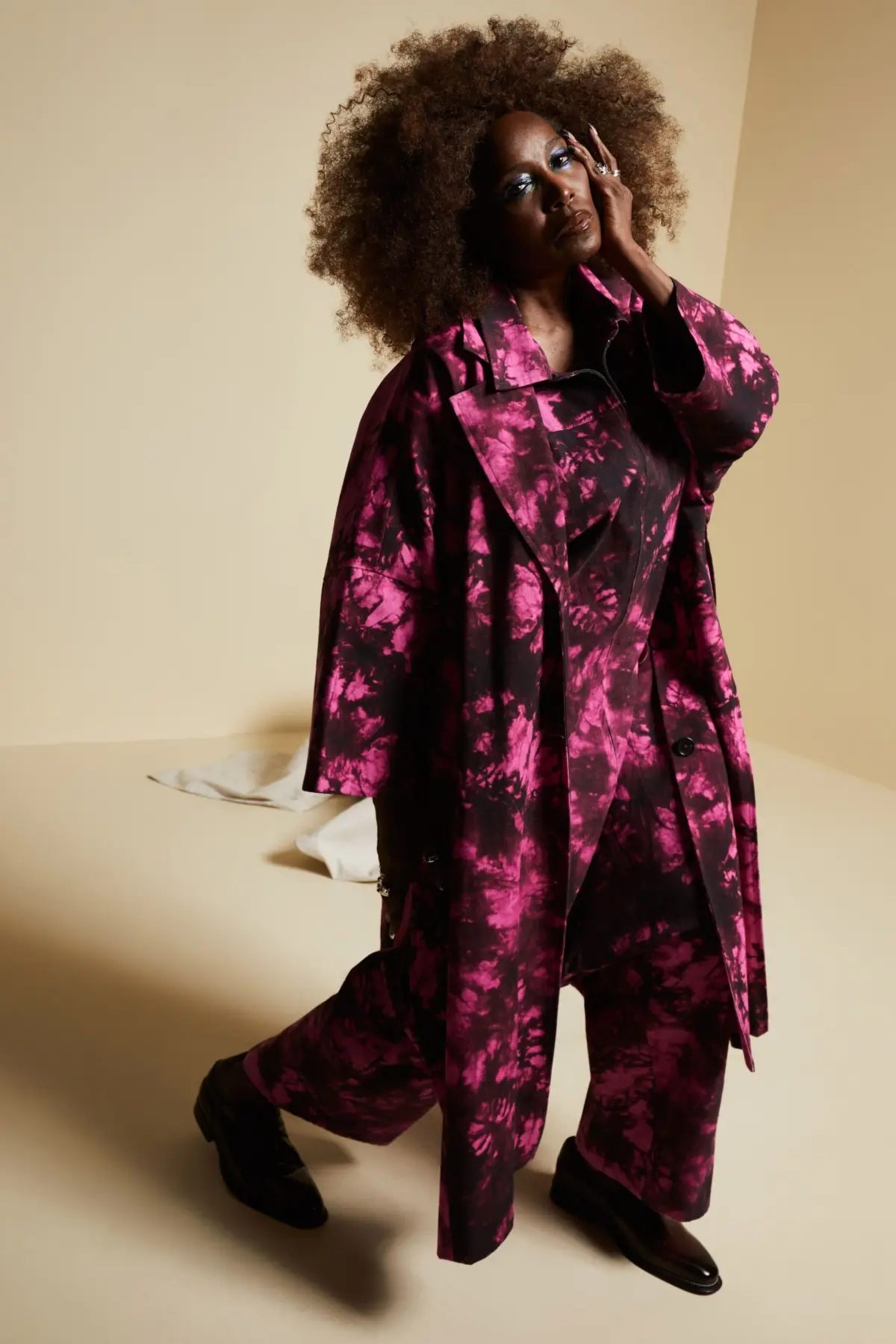
In an era defined by the rapid-fire production cycles of global fashion, where the pressure to expand, diversify, and overwhelm the consumer is constant, designer Aaron Potts has opted for a radically different path. For his Spring 2027 collection, Potts presented a lineup that was strikingly disciplined: a dress, a jumpsuit, and a coat. Yet, within this intentionally restricted framework, Potts managed to conjure an expansive, jubilant vision—a collection that possessed a surprising amount of spirit, utility, and stylistic versatility.
The collection is a testament to the idea that true creative impact is not always measured by the sheer volume of a runway presentation. By stripping his output down to three essential garments, Potts has crafted a cohesive argument for a modern, functional wardrobe that addresses the needs of the contemporary creative class.
Designing for the Creative Life
"I’ve been thinking a lot about how creative people live and work," Potts said, speaking from his studio at Berkley College, where he serves as a resident artist. This introspective approach serves as the heartbeat of the A. Potts brand. Potts is acutely aware of his audience, noting that his typical clientele is composed of designers, models, DJs, writers, and painters—individuals whose lives require clothing that is as dynamic and multifaceted as their professional pursuits.
"One of the things that has kept coming up for me is that most of the people who buy A. Potts are some sort of artist," he explained. "And the jumpsuit has been the standout item that everyone wants or has. So we were like, ‘You know what? Let’s focus on that.’"
This focus on the jumpsuit—a garment that balances the utility of workwear with the ease of a one-piece outfit—anchors the entire Spring 2027 collection. It is a silhouette that Potts has clearly mastered, characterized by a dropped crotch, a zippered front placket, and a functional tie-waist that allows for a customizable fit.
A Masterclass in Variation and Print
While the silhouette remains consistent, the collection’s personality is driven by a vibrant, daring use of pattern and textile. The jumpsuits appeared in a variety of visual languages, ranging from a gradient, pink-to-black splattered ombré that felt both gritty and ethereal, to stark, black-and-white scribbled sketches that evoked the raw energy of a sketchbook. Perhaps most striking was the use of a densely woven, blown-up pattern in a bold, unapologetic slime green.
The coat, designed as a companion piece to the jumpsuit, mirrored these motifs. Featuring dropped, three-quarter length sleeves and functional zippered side vents, the coat is designed to be as versatile as the wearer requires. Whether styled as a long, lean outer layer or opened up to allow for movement and airflow, the coat serves as a structural counterpoint to the fluidity of the jumpsuit.
The dress, meanwhile, introduces a touch of historical romanticism. With a slim bodice and a fuller, peasant-style skirt paired with detachable bell sleeves, it offers a distinct aesthetic contrast to the workwear-inspired pieces. In this trio of garments, Potts seems to be paying a quiet homage to the "five easy pieces" philosophy pioneered by fashion legends like Donna Karan, only to refine the concept further. By whittling a collection down to just three core items, Potts makes a compelling case that a full, functional wardrobe does not require an abundance of options, but rather a set of intelligently designed essentials.
Ingenuity Through Simplicity
What makes the A. Potts collection particularly resonant is the interplay between bold aesthetics and practical comfort. The loose, forgiving shapes of the garments suggest a level of ease that is often sacrificed in the name of high fashion. However, this simplicity is deceptive, as it belies a significant degree of underlying ingenuity.
Those jumpsuits, for instance, are engineered to be cinched at the waist with a quick flick of a side bungee, allowing the wearer to transition from a relaxed, oversized silhouette to something more defined in seconds. The coat’s zippered side vents offer a similar level of modularity, transforming the garment from a static layer into a dynamic piece of clothing that adapts to the wearer’s environment.
Potts is quick to suggest styling interventions to keep the look fresh, such as adding a sash at the waist or wearing the jumpsuit unzipped over a bandeau or bralette for a more daring, layered aesthetic. "I believe in clothes that work for all bodies," Potts noted. His commitment to inclusivity is reflected in his size range, which extends from extra-small to XXL. Furthermore, the use of washed cotton ensures that the pieces are not only wearable year-round but are also remarkably easy to maintain—a practical consideration that speaks to the "artist’s lifestyle" he so admires.
Redefining Luxury
The collection took a surprising turn with the inclusion of organza ruffles, which ran in strips down the front and sleeves of the jumpsuit, effectively blurring the lines between utilitarian workwear and evening attire. When paired with a black coat made of the same cotton, the look felt surprisingly fresh—a formal option that retained a "tossed-off" sense of ease and a playful hint of humor. The dress, also rendered in full organza but in a striking, neon chartreuse, managed to retain that same spirit of the unexpected.
It is easy to envision how these pieces would function in the life of a creative professional: worn in the studio throughout a long day of work, kept on for a quick trip to run errands, and styled up for an event in the evening. This seamless transition is the hallmark of the collection’s appeal. In a fashion landscape often cluttered with excess, Potts’s restraint serves as a challenge to other designers to consider the merits of thinking smaller and more purposefully.
Potts acknowledges that the conversation surrounding luxury is often narrow, frequently conflated with expensive fibers like cashmere. "It’s funny because we always have these conversations about luxury, and I did a collection that’s probably 90% cotton," Potts observed. "I’ve been talking a lot about us needing these new definitions, so our version of luxury is about beautiful prints. It’s very thoughtful embroideries."
For Potts, the labor and the intellectual effort invested in the design process are what truly constitute luxury. "A lot of work goes into these, and that’s a form of luxury that’s not just about the fiber," he said. "Everything luxury doesn’t have to be cashmere. Sometimes luxury is the thought process." By focusing on the intentionality behind every stitch and every print, Potts has created a collection that is as intellectually grounded as it is aesthetically vibrant. Through his dedication to the essential, he has managed to provide not just clothes, but a thoughtful, wearable philosophy for the modern creative.