
Long before a vehicle’s sheet metal takes its final shape or its performance specifications are officially published to the public, it receives a moniker that will forever define it. In the automotive world, a car’s name serves as its absolute first impression, establishing expectations and cultural cachet years before the first model rolls off the assembly line. Like personal first impressions, the designations chosen by manufacturers carry immense weight, and when automakers miss the mark, the misstep can follow a vehicle throughout its entire lifecycle.
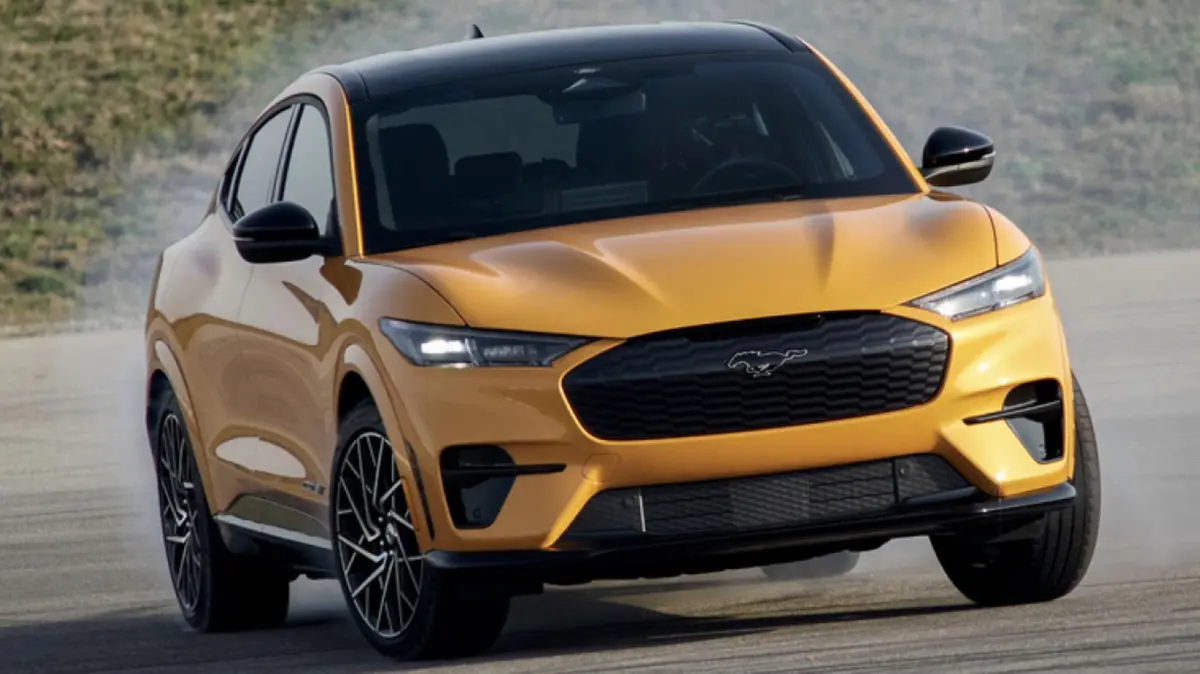
This enduring truth inspired a recent community query asking automotive enthusiasts to identify the single dumbest name ever given to a production car. The response was overwhelming, though it ultimately took a different trajectory than initially anticipated. While many participants were eager to point fingers at specific vehicles burdened with unfortunate titles—such as the polarizing Ford Mustang Mach-E—an even greater number of respondents used the opportunity to air broader grievances regarding evolving industry-wide naming conventions. From alphanumeric soup to nonsensical trim expansions, readers offered a comprehensive critique of how modern marketing departments approach vehicle branding.
Letter Salad
One of the most prominent complaints raised by automotive enthusiasts targeted the modern reliance on alphanumeric designations—a trend often described by readers as a "letter salad." Modern showrooms are increasingly populated by alphanumeric strings that convey virtually nothing about the vehicle’s character, purpose, or heritage to the general public.
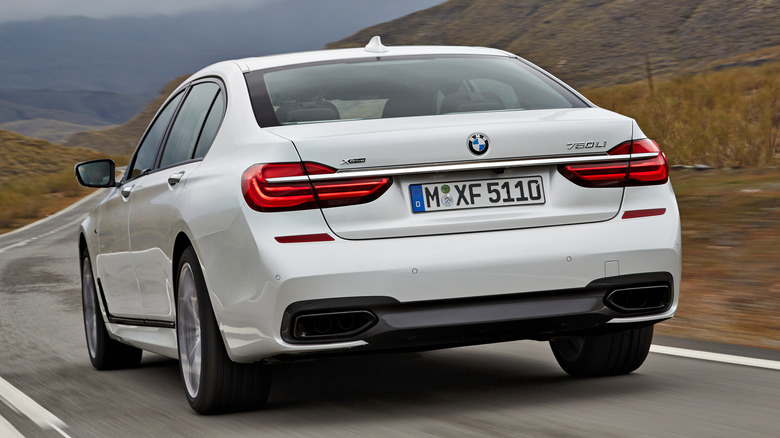
Critics pointed to modern electric vehicles and luxury models as primary offenders. Vehicles like the Toyota bZ4X and the Toyota C-HR were cited instantly as examples of names that roll off the tongue like a Wi-Fi password rather than a desirable automobile. Similarly, luxury marques like BMW received substantial pushback for sprawling badges such as the M760Li xDrive, the XM 50e, and the i4 eDrive40.
For many observers, this alphabet-and-number soup strips automobiles of their personality. A seemingly random collection of letters and numbers—ranging from the Porsche 911 and Audi R8 to the Lexus LFA, McLaren P1, and Acura NSX—has long been a staple of performance car nomenclature. However, when applied indiscriminately across mainstream crossovers and electric fleets, critics argue that these sterile naming conventions fail to resonate with everyday buyers, leaving consumers to navigate a confusing maze of syllables that lack any intuitive meaning.
Toyota TRD
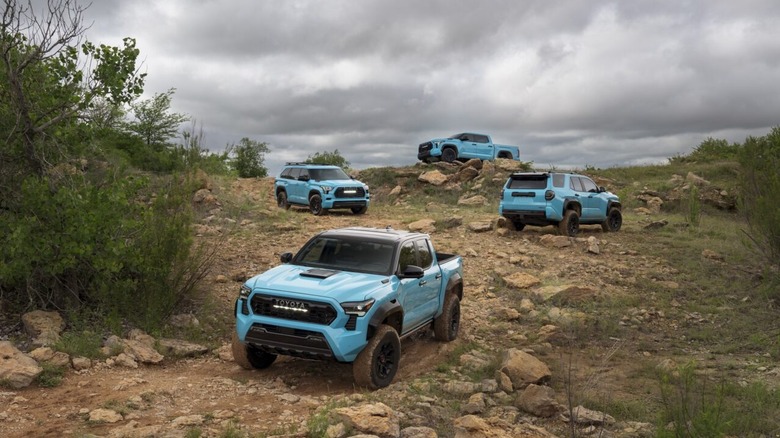
While alphanumeric naming strategies frustrated many, specific branding expansions also drew the ire of enthusiasts who questioned how certain badges ever made it past corporate approval boards. Among the targets was Toyota’s widespread adoption of the TRD—or Toyota Racing Development—nameplate.
Originally denoting serious, competition-bred performance and off-road engineering upgrades, the TRD badge has increasingly been integrated into broader trim-level hierarchies across standard trucks and SUVs. One reader highlighted the peculiar reality of the expanded nomenclature, noting the subtle irony that arises when a rugged, earth-toned utility vehicle wears a performance designation that sounds surprisingly close to an accidental medical diagnosis. What was once a niche identifier for specialized motorsport engineering has evolved into a ubiquitous marketing suffix, losing some of its original mechanical gravity along the way.
The LS
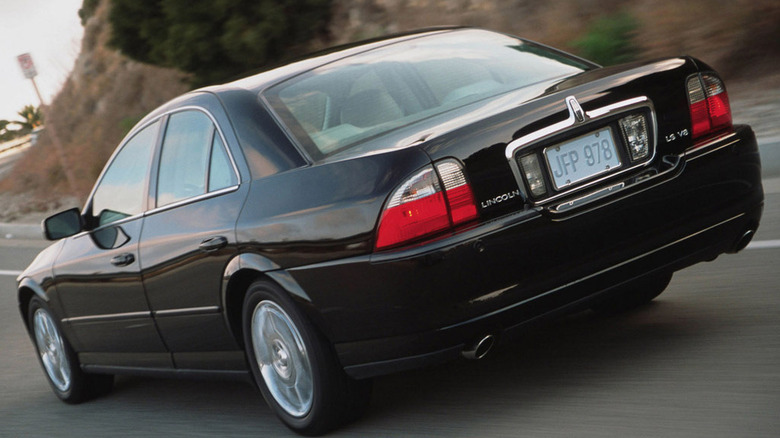
Repetition within the industry also came under fire, particularly regarding generic two-letter combinations that have been recycled by multiple manufacturers across different eras. The designation "LS" serves as a prime example of industry-wide convergence on uninspired nomenclature.
As noted by readers, virtually every major automaker has leaned on the LS badge at some point in its history. From the rear-wheel-drive Lincoln LS sedan and the Saturn LS lineup to the flagship Lexus LS luxury cruiser and countless entry-level trim packages across domestic and imported fleets, the letters have been thoroughly exhausted. Rather than evoking exclusivity or innovation, the ubiquitous use of LS represents a lazy fallback option for marketing departments struggling to invent fresh identifiers for their volume sellers.
Ford EcoSport
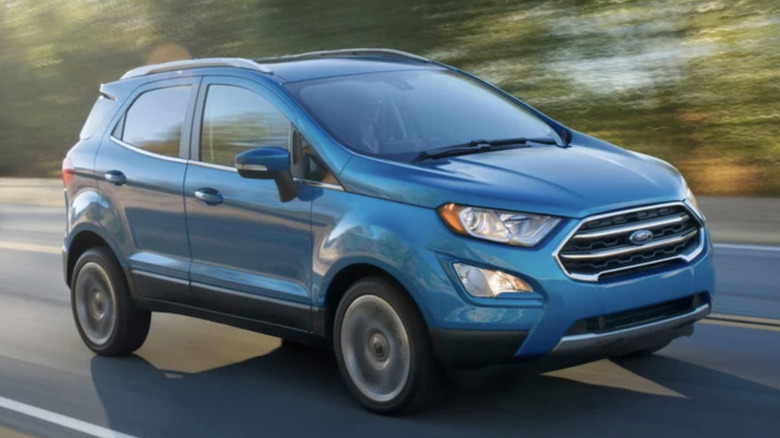
Few vehicle names invite as much direct scrutiny as those that promise attributes the car cannot possibly deliver. The Ford EcoSport became a focal point for criticism regarding overambitious marketing language that fails to align with reality.
As observers pointed out, the subcompact crossover is neither particularly economical by modern standards nor genuinely sporty in its driving dynamics. By combining two buzzwords into a single compound moniker, the manufacturer created an expectation of spirited efficiency that the tall, budget-oriented commuter vehicle ultimately struggled to fulfill in the eyes of driving enthusiasts.
Gran Coupes
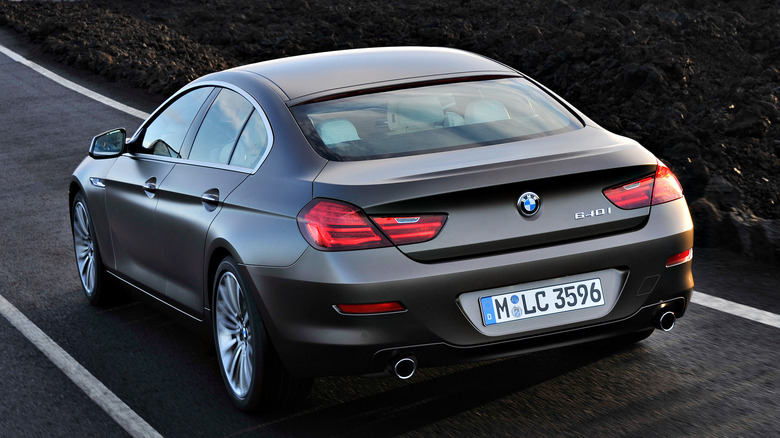
The blurring lines of modern automotive design categories have also given rise to semantic paradoxes that frustrate purists. BMW’s popularization of the "Gran Coupe" nomenclature drew sharp criticism from enthusiasts who view the title as an outright contradiction in terms.
In traditional automotive terminology, a coupe is defined as a sleek, two-door passenger car with a sloping roofline. However, modern manufacturers have increasingly applied the coupe moniker to four-door sedans and fastbacks to evoke a sportier aesthetic. For critics, calling a four-door family car a Gran Coupe is nothing more than a marketing exercise designed to disguise a standard sedan in sportier clothing, rendering the actual nomenclature logically vacant.
Dodge Avenger
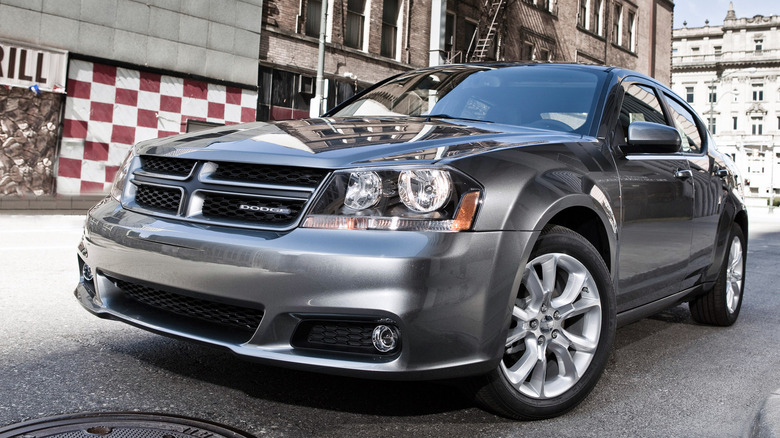
Sometimes, a promising name is ruined not by the title itself, but by the vehicle tasked with carrying it forward. The Dodge Avenger serves as a cautionary tale of how a strong automotive nameplate can be undermined by a questionable redesign.
The original front-wheel-drive Avenger coupe introduced in 1995 possessed genuinely handsome proportions, capturing the aesthetic spirit of mid-90s sportiness even if its optional V6 powertrain offered modest performance figures. The striking exterior lines alone were enough to motivate showroom traffic.
However, when Dodge revived the Avenger nameplate in 2008 for a midsize sedan, public reception shifted dramatically. The sedan version was widely criticized for uninspired styling that appeared cobbled together from disparate design departments operating under tight budget constraints. For many enthusiasts, the 2008 iteration effectively stripped away whatever lingering prestige the Avenger badge had managed to accumulate during its coupe years.
Ford Expedition
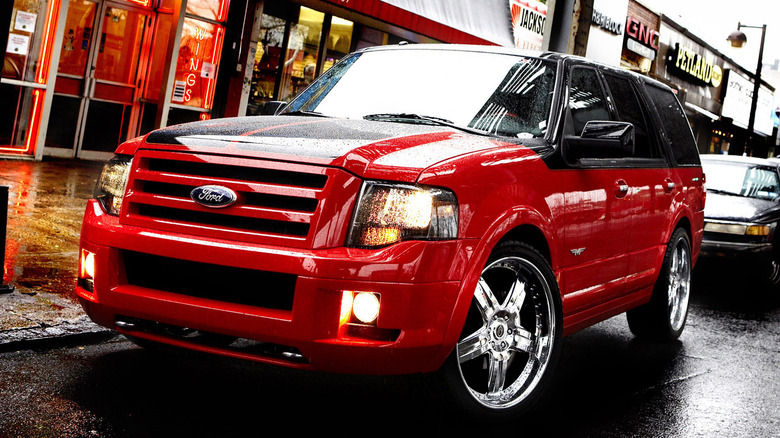
Literal interpretations of automotive terminology can occasionally spark lighthearted debate among pedantic enthusiasts. The Ford Expedition was singled out by readers who found amusement in the disconnect between the vehicle’s name and its actual purpose.
While an expedition traditionally implies a rigorous, long-distance journey undertaken primarily on foot, the Ford Expedition is a massive, three-row full-size SUV designed for highway cruising, family road trips, and towing heavy loads in total comfort. While the name successfully evokes a sense of rugged adventure and outdoor exploration, the literal definition offers a humorous contrast to a vehicle optimized for air-conditioned suburban commuting.
Looooooong Names
The modern penchant for adding layer upon layer of descriptive sub-brands, trim packages, and commemorative editions has resulted in vehicle titles that stretch on for paragraphs. Excessive nomenclature was widely condemned by readers who expressed exhaustion at the industry’s love for multi-word monstrosities.
Examples of this linguistic bloat are easy to find across the luxury and performance segments. Vehicles such as the Porsche Panamera Sport Turismo Turbo S E-Hybrid showcase how engineering specifications have essentially merged into the vehicle’s official title.
Other extreme offenders cited by the community include the Land Rover Range Rover Evoque 2.0 TD4 E-Capability 4×4 HSE Dynamic, the BMW Individual M760Li xDrive Model V12 Excellence The Next 100 Years, the Bugatti Veyron Grand Sport Vitesse "Mio Costantini," and the historic Mitsubishi Lancer Evolution VI GSR Tommi Mäkinen Edition featuring its sprawling Special Colour Package. For consumers and journalists alike, these verbose titles transform simple automotive identification into an exercise in endurance.
Tesla Cybertruck
New entrants into the automotive space are equally susceptible to questionable naming choices, often leaning heavily into speculative sci-fi tropes. Tesla’s angular electric pickup, the Cybertruck, drew targeted criticism from readers who argued that its name relies on dated futuristic clichés.
Critics pointed out that simply prefixing a traditional vehicle category with the word "cyber" does not automatically confer enduring coolness. Combined with the polarizing exterior design and unique market positioning of the truck itself, the moniker became an easy target for those weary of tech-industry marketing buzzwords bleeding into traditional automotive segments.
Retro-inspo
The wave of nostalgic revival vehicles that swept through showrooms in the late 1990s and 2000s also brought forth a series of unconventional, alphabet-heavy monikers that failed to match the romanticism of their historical inspirations.
Vehicles such as the Chrysler PT Cruiser, the Chevrolet SSR, and the Chevrolet HHR attempted to channel the spirit of classic American styling. However, their abbreviated, utilitarian names lacked the poetic flow and aspirational quality associated with the iconic classics that inspired their designs. Instead of evoking timeless heritage, these alphabet soup badges often felt clinical and forced.
Ford Mustang Mach-E
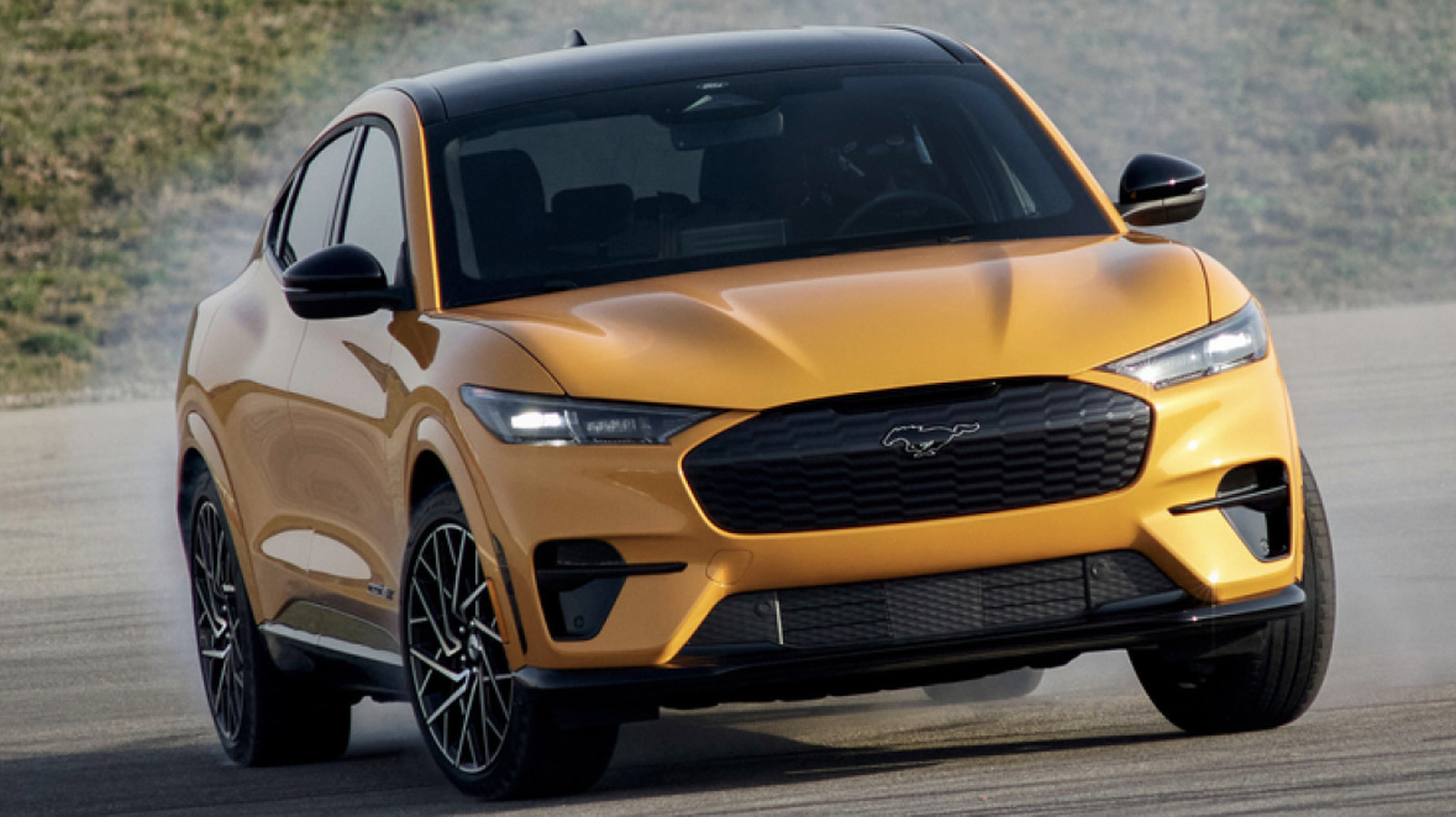
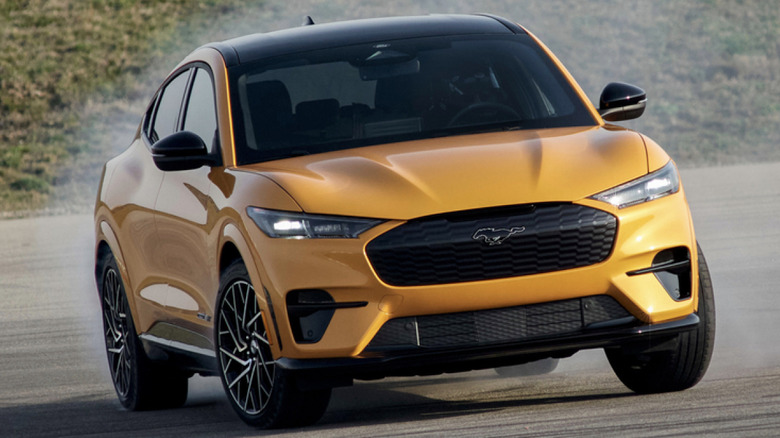
No vehicle name generated more unified pushback from the enthusiast community than the Ford Mustang Mach-E. The decision to apply Ford’s legendary pony-car lineage to an all-electric crossover utility vehicle remains one of the most controversial marketing strategies of the modern automotive era.
While reviewers have frequently acknowledged that the Mach-E is a competent, well-executed electric vehicle in its own right, enthusiasts remain deeply divided over its association with the Mustang nameplate. For traditionalists, a Mustang is defined by rear-wheel-drive sports car proportions, a low-slung stance, and V8 performance heritage—none of which apply to a four-door electric crossover, regardless of its ground clearance or styling cues.
Several readers argued that Ford missed an ideal opportunity to revive dormant brand equity from its corporate portfolio—such as bringing back the Mercury Marauder name—rather than leveraging the sacred Mustang heritage for an EV crossover. Others suggested that Ford could easily have invented an entirely new, compelling SUV name beginning with the letter "E," noting that the company has long possessed a knack for such nomenclature.
Ultimately, the debate surrounding the Mustang Mach-E encapsulates the tension between corporate marketing strategy and enthusiast passion. Whether viewed as an innovative branding pivot or an unforgivable misapplication of a sacred automotive badge, the ongoing discussion proves that in the automotive world, a name is never just a name—it is a legacy that owners and enthusiasts take very personally.