
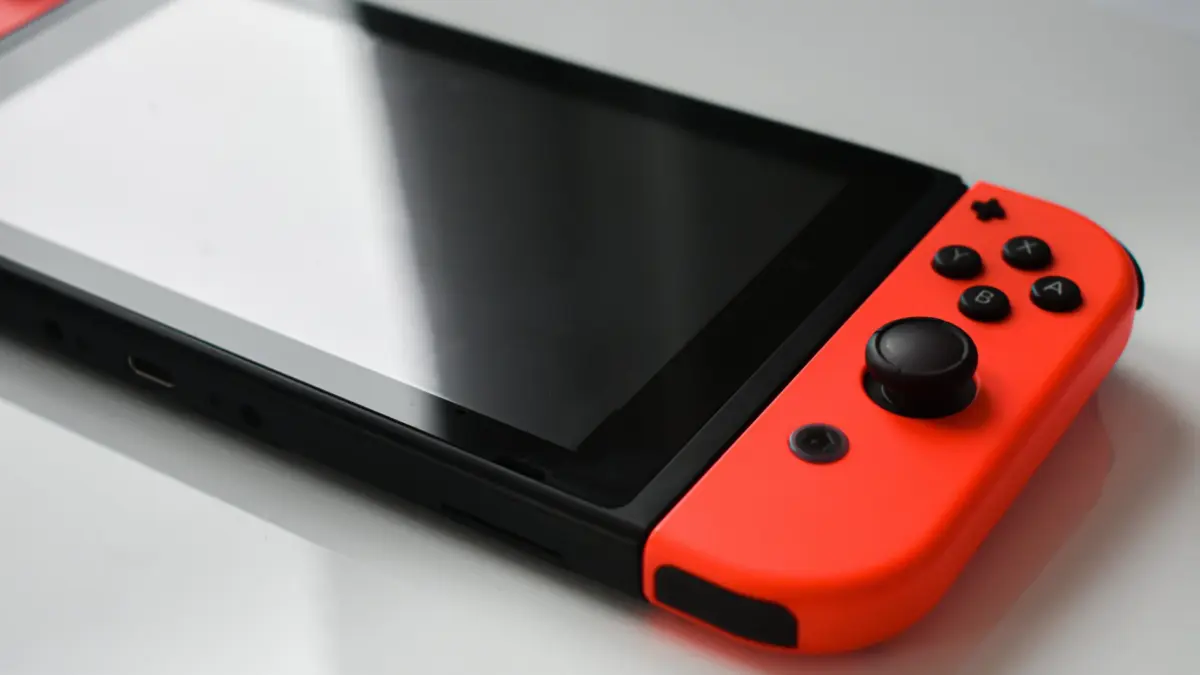
Nintendo of America has achieved a significant legal victory in its ongoing campaign to curb the unauthorized distribution of its proprietary software. A federal court has ordered James C. Williams—a Reddit user widely known in piracy circles by the handle "Archbox"—to pay $4.5 million in damages following a default judgment for copyright infringement. The ruling marks a major milestone in Nintendo’s aggressive strategy to dismantle the infrastructure supporting the illicit circulation of Nintendo Switch games.
The legal proceedings, which concluded with the default judgment after Williams failed to respond to the lawsuit, underscore the company’s uncompromising stance toward those who facilitate digital piracy. According to court filings, Williams operated as a central figure in the distribution of pirated content, maintaining online "shops" that offered users access to extensive libraries of illegal downloads for Nintendo’s flagship hybrid console. The court has now mandated that Williams permanently disable all such access points and shutter any social media accounts or online forums linked to his piracy operations.
Under the terms of the court order, Williams is strictly prohibited from engaging in any activity that promotes, facilitates, or participates in the distribution of Nintendo’s intellectual property. This includes a comprehensive ban on marketing, selling, reselling, uploading, or downloading Nintendo software or hardware. By effectively stripping the defendant of the ability to continue his operations, the court has provided Nintendo with the legal backing necessary to neutralize one of the more prominent nodes in the Switch piracy ecosystem.
The lawsuit itself was initiated by Nintendo of America in March 2024, with the formal filing following in June. The $4.5 million damage figure was solidified in October, reflecting the substantial scale of the harm Nintendo claims to have suffered as a direct result of Williams’ actions. The company’s legal team argued that the defendant did more than merely host files; he actively trafficked in circumvention software and promoted the distribution of unauthorized content, thereby undermining the integrity of Nintendo’s business model and the intellectual property rights of its developers.
In its arguments to the court, Nintendo of America articulated that the damage caused by these activities extends far beyond the company’s own balance sheets. By facilitating the piracy of games, the defendant directly impacted the livelihoods of the thousands of artists, programmers, game designers, and support staff who rely on the legitimate sale of authorized products to sustain their careers. Nintendo emphasized that every pirated download represents a lost opportunity for developers to be compensated for their creative labor, an argument that has become a cornerstone of the company’s recent litigation strategy.
This legal victory is part of a broader, global effort by the Japanese gaming giant to address the proliferation of piracy tools. Just weeks before the ruling against Williams, the District Court of The Hague in the Netherlands delivered a landmark decision that further bolsters Nintendo’s position. The Dutch court ruled that the sale of "modding" kits—devices specifically designed to bypass console security to enable the playback of pirated software—is illegal. This ruling specifically targeted devices such as the "MIG Switch," a flashcart-style device that allows users to run unauthorized game files on standard Switch hardware.
The European court’s decision is seen as a major win for Nintendo, as it effectively renders the commercial distribution of circumvention hardware in the region a violation of the law. Nintendo had pursued this action not only to protect its own bottom line but also to stand up for the global community of video game developers who are often the most vulnerable to the effects of large-scale piracy. By setting these precedents in both the United States and Europe, Nintendo is sending a clear, unequivocal message to the modding and piracy communities: the company is willing to commit significant resources to track down and prosecute those who facilitate the unauthorized access of their software.
Nintendo has consistently maintained that its efforts are intended to foster a safer and more stable environment for both developers and consumers. A recurring theme in the company’s public statements regarding these lawsuits is the potential for circumvention software to damage the end-user experience. Nintendo argues that when players use unauthorized copies of games or hardware-modding devices, they risk compromising the security and functionality of their consoles. Such practices, the company claims, can lead to interference with online services, system stability issues, and potential security vulnerabilities that are not present in authentic, Nintendo-approved products.
The company’s commitment to game development and innovation remains the primary justification for its legal actions. Nintendo argues that the resources required to create the high-quality experiences for which it is known are only sustainable through a healthy, legitimate market. By clamping down on the "piracy ecosystem"—which often involves complex networks of websites, social media channels, and hardware vendors—Nintendo aims to protect the creative incentives that keep the industry moving forward.
As for the immediate impact of the ruling against Williams, the requirement to shut down his online presence and cease all activities related to Nintendo piracy serves as a stark reminder of the legal consequences associated with large-scale copyright infringement. The default judgment, stemming from the defendant’s lack of response, highlights the futility of attempting to evade legal scrutiny when faced with the full weight of a corporate entity as focused as Nintendo.
For the wider community of players, the legal landscape surrounding Nintendo consoles is becoming increasingly restrictive for those involved in unauthorized modifications. With the combination of heavy financial penalties in the United States and the criminalization of piracy-enabling hardware in Europe, the risks associated with engaging in or promoting piracy have never been higher. Nintendo has made it clear that it views the protection of its intellectual property as a fundamental duty, both to its shareholders and to the thousands of developers who partner with the company to bring new and innovative titles to the Switch platform.
The case against "Archbox" serves as a definitive chapter in the ongoing narrative of copyright enforcement in the digital age. As the industry continues to evolve, the methods used by pirates to distribute content and the legal strategies employed by companies to stop them are likely to remain in a state of constant flux. However, for now, Nintendo of America has successfully removed a significant obstacle, reinforcing its position as one of the most vigilant defenders of its intellectual property in the gaming industry. The court’s decision serves as both a deterrent to others operating in the same space and a reaffirmation of the legal protections afforded to video game developers against the unauthorized exploitation of their work.