
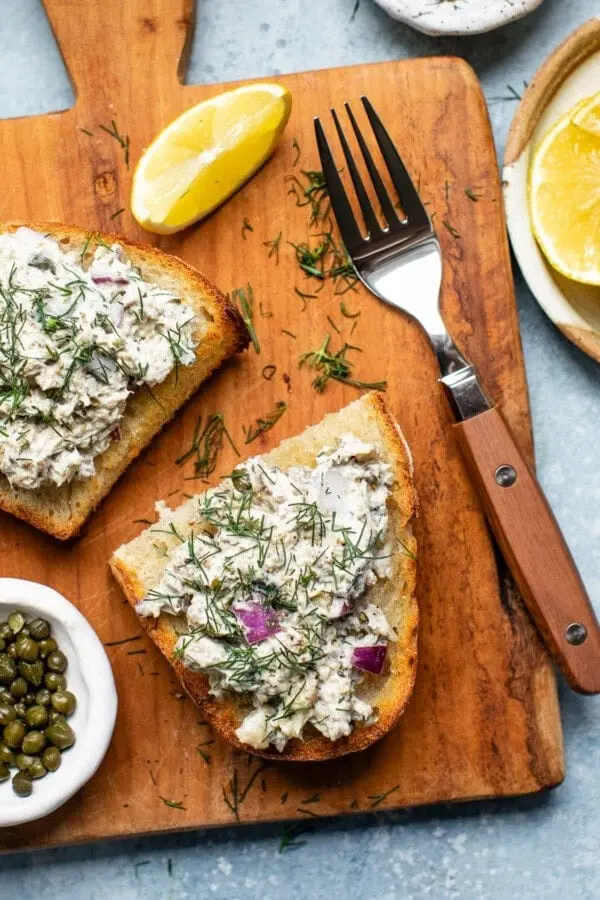
In the evolving landscape of modern nutrition and home meal preparation, there is a renewed interest in pantry staples that offer both convenience and significant health benefits. Among these, the humble sardine is undergoing a culinary renaissance. Often overshadowed by its canned counterpart, tuna, the sardine is now being championed by home cooks and wellness enthusiasts alike as a superior, nutrient-dense protein source. A new recipe for a bright, briny, and fresh sardine salad is highlighting how this sustainable fish can be transformed into a sophisticated, no-cook meal that rivals traditional lunch staples.
This specific preparation—which incorporates the sharp brightness of lemon, the saline punch of capers, and the herbaceous notes of fresh dill—serves as a healthy, omega-3-rich alternative to the standard mayonnaise-heavy tuna or salmon salads. For those looking to optimize their dietary intake, sardines are a nutritional powerhouse, offering a concentrated dose of protein, essential omega-3 fatty acids, vitamin B12, and vitamin D. The rising popularity of this dish reflects a broader trend of integrating "blue-zone" dietary habits, inspired by regions like Portugal, where sardines are a staple of the local diet and prepared with a reverence that elevates them far beyond their modest packaging.
Elevating the Pantry Staple
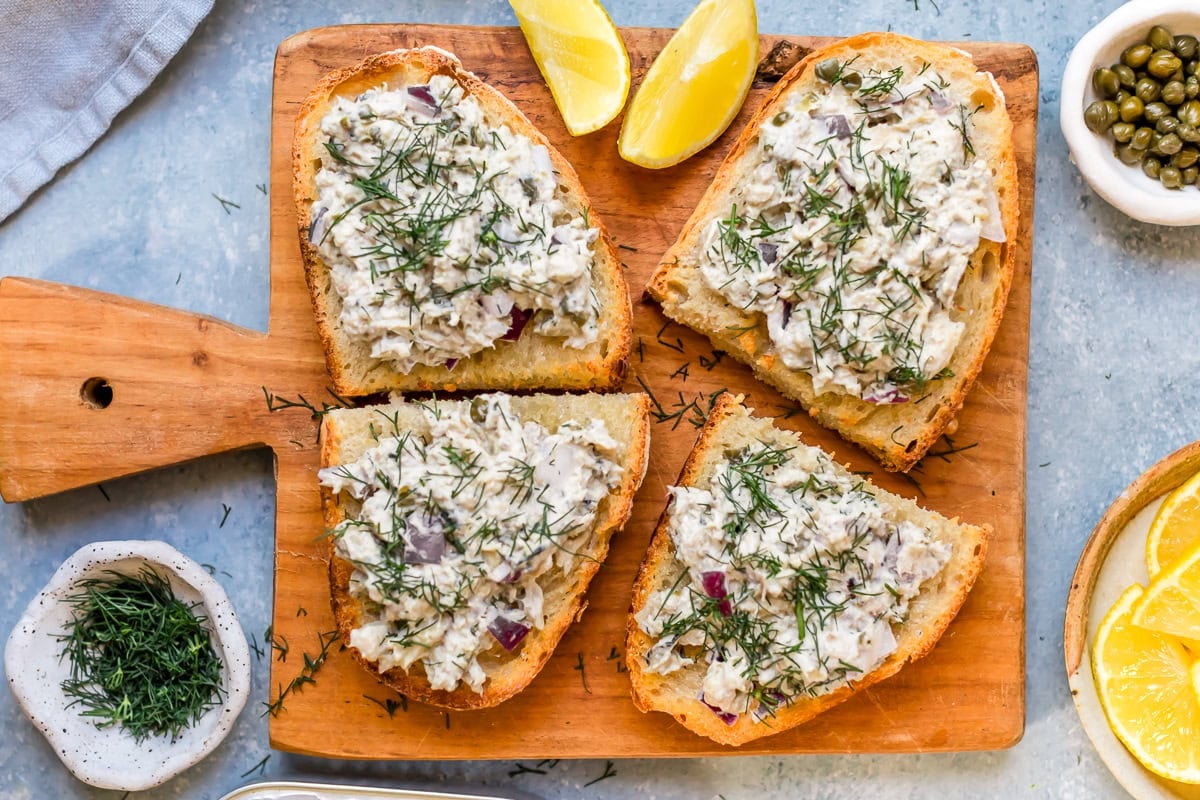
The barrier to entry for many who are hesitant to incorporate sardines into their weekly rotation is often texture and perception. Many consumers are accustomed to the whole, bone-in presentation that can feel intimidating or unappealing. However, the secret to the appeal of this modern sardine salad lies in the technique. By utilizing boneless, skinless varieties—or by simply removing the small, delicate bones—the texture becomes silky and palatable, creating a base that acts as a blank canvas for fresh, vibrant flavors.
The integration of lemon juice and capers serves a dual purpose: it cuts through the natural richness of the fish and provides an acidity that brightens the overall flavor profile. The addition of fresh dill adds a layer of aromatic complexity that transforms a simple pantry item into a dish worthy of a cafe-style lunch. This approach demonstrates that healthy eating does not require elaborate cooking processes or expensive ingredients; rather, it relies on the thoughtful combination of shelf-stable, nutrient-dense foundations with fresh, high-impact aromatics.
The Role of Quality and Preparation
When sourcing ingredients for a dish as simple as a sardine salad, the quality of the canned product remains paramount. Culinary experts and nutritionists often recommend selecting sardines packed in water, particularly for those monitoring their sodium intake, as this allows the cook to control the final seasoning of the salad. While oil-packed sardines are common and provide a richer mouthfeel, they require thorough draining to ensure the final dish remains light and fresh rather than overly heavy or greasy.
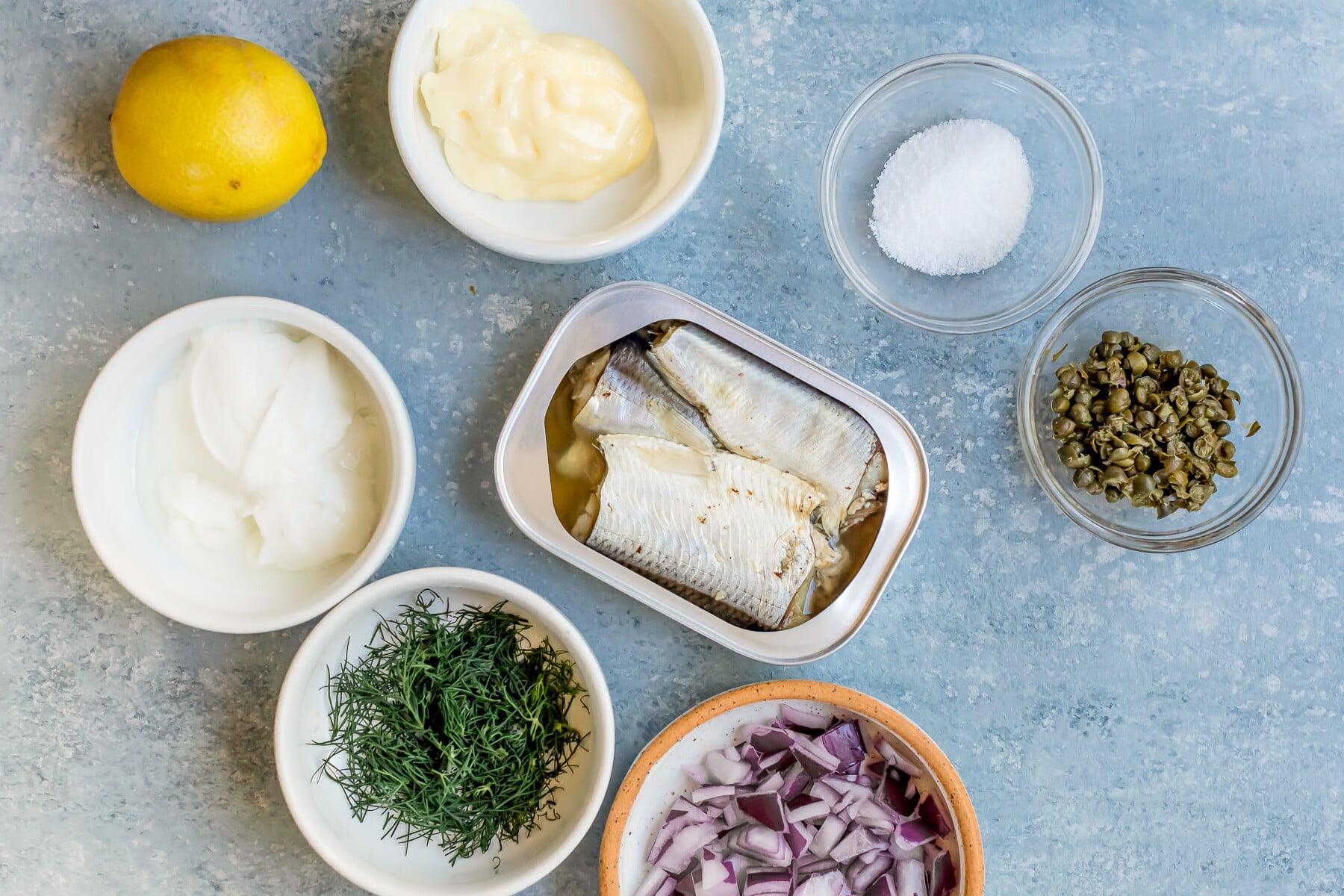
The preparation process itself is intentionally streamlined. By avoiding any heat-based cooking, the salad remains an ideal candidate for meal prep. The ingredients, which generally include the sardines, a minimal amount of mayonnaise or a Greek yogurt substitute, red onion, capers, and herbs, can be combined in minutes. This simplicity is intentional, catering to a busy, health-conscious demographic that prioritizes efficiency without sacrificing quality. Once combined, the salad is robust enough to maintain its integrity in the refrigerator for up to four days, making it a reliable solution for mid-week lunches.

Culinary Versatility and Serving Suggestions
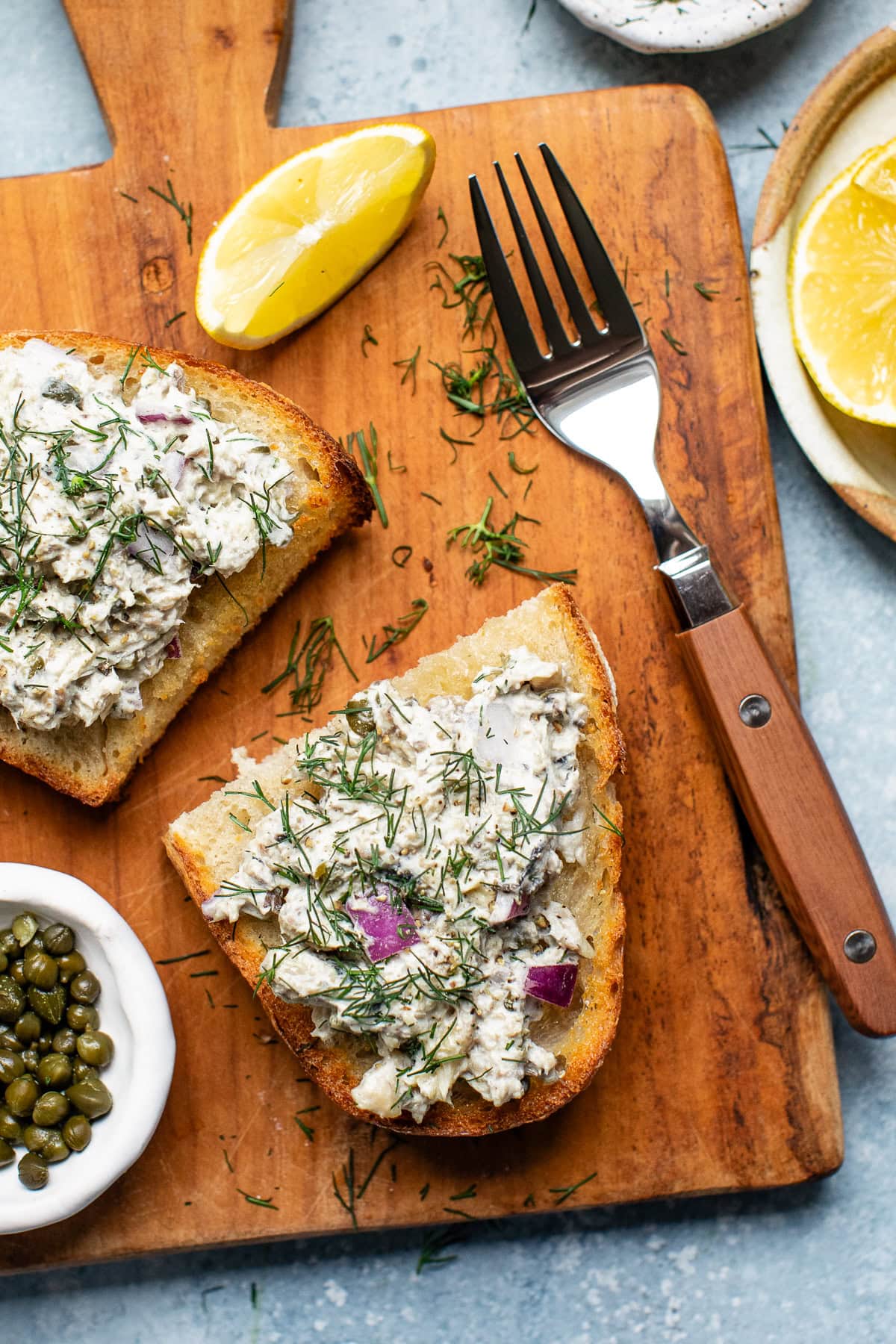
One of the most compelling aspects of this sardine salad is its versatility. Much like traditional tuna salad, its applications are vast. Serving it atop a piece of crusty, whole-grain toast provides a satisfying crunch that complements the creaminess of the salad. For those who prefer a lighter, lower-carbohydrate option, the salad can be served in lettuce wraps or paired with cucumber slices, providing a refreshing contrast to the briny, savory fish.
Furthermore, the base recipe is highly adaptable. While the classic combination of lemon, capers, and dill is a hallmark of Mediterranean influence, home cooks are encouraged to experiment with different flavor profiles. Some may choose to introduce heat through red pepper flakes or add a different crunch factor with finely diced celery or fennel. This flexibility ensures that the dish remains a staple rather than a one-time experiment, allowing for variations that can keep the meal interesting over time.

Addressing Common Nutritional and Preparation Questions
Despite the growing enthusiasm for sardines, questions regarding their health profile and preparation persist. Many wonder about the necessity of removing the bones. While the small, softened bones found in many canned sardines are entirely edible and serve as a significant source of calcium, many individuals prefer a smoother, more uniform texture. Deboning is a straightforward process that takes only moments and significantly alters the user experience for those who are particularly sensitive to texture.
From a nutritional standpoint, the efficacy of the dish is undisputed. With a protein content that supports muscle maintenance and a fatty acid profile that promotes heart and brain health, it is a superior choice for those looking to maximize the nutritional value of their lunch hour. The use of a small amount of mayonnaise or Greek yogurt acts as a binder, creating a cohesive texture without drastically altering the calorie profile. The resulting meal is both satiating and light, preventing the mid-afternoon energy slump often associated with heavier, more processed lunches.
A Sustainable Future for Lunchtime
As the culinary world continues to move toward more sustainable and health-conscious food choices, the humble sardine is positioned to take center stage. Its low position on the food chain makes it a sustainable protein option with a lower environmental impact compared to larger predatory fish. By championing recipes that highlight the versatility and potential of canned sardines, home cooks can contribute to a more sustainable food system while simultaneously benefiting from an exceptionally nutrient-dense diet.
This approach to the sardine salad is more than just a recipe; it is a testament to the idea that the most effective health interventions are those that are simple, repeatable, and genuinely delicious. As more people return to the basics of whole-food preparation, the integration of such dishes into the standard repertoire represents a shift toward more mindful, intentional eating. Whether prepared as a quick desk lunch or a deliberate weekend meal prep, the sardine salad stands as a prime example of how traditional, healthy ingredients can be reimagined for the modern palate, providing a blueprint for the future of convenient, nutritious dining.