
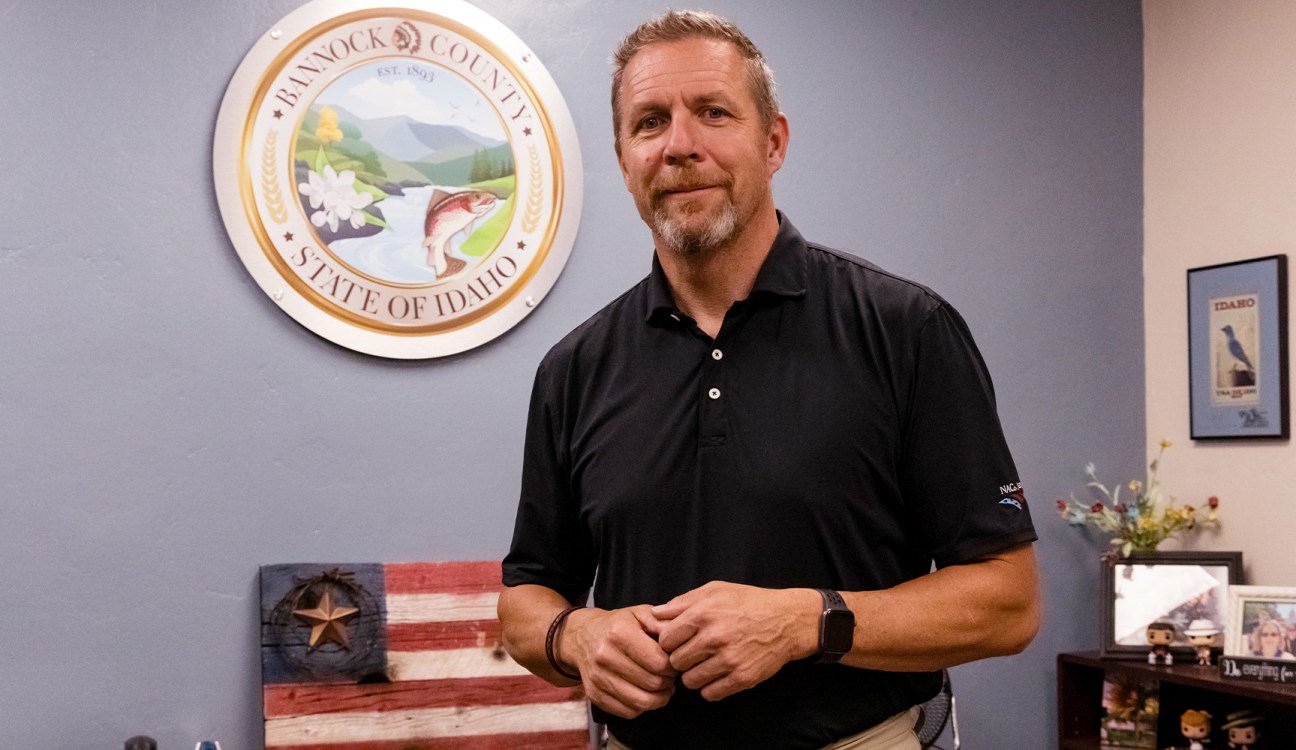
Jeff Hough did not pull any punches. Standing before a packed courthouse filled with anxious residents, local officials, and curious observers, the county commissioner warned that what his fellow Republican colleagues were about to do would violate America’s foundational ideals. To make his case, he explicitly quoted the Declaration of Independence, urging the room to consider the long-term implications of government overreach on private landowners.
At the center of the dispute was a consequential three-person commission vote on a strict local ordinance designed to completely ban utility-scale solar and wind development across Bannock County, Idaho.
“We cannot deny the entire county the opportunity to exercise their property rights,” Hough argued during the heated public session. “That goes against the principles this country was founded on.”
Just minutes after Hough’s emphatic speech, the ordinance passed by a 2–1 vote, leaving Hough as the lone dissenter.
Since that pivotal vote in March 2024, the political landscape within the county has shifted significantly. Hough has since ascended to become the chair of the county commission, and he has dedicated much of his tenure to dismantling the very ban he opposed. He will soon have a concrete opportunity to make that change a reality. This fall, Hough and the other commissioners are scheduled to vote on an updated ordinance featuring entirely new language that would reopen the county to solar and wind development, while also introducing pathways for advanced nuclear energy projects.
The unfolding situation in Bannock County serves as a compelling test case for rural America. It asks whether—and how—a community can reevaluate its initial assumptions regarding the costs and benefits of clean energy, ultimately deciding to welcome infrastructure it once swore off.
Nationwide, the friction surrounding renewable energy remains high. By 2025, nearly 1 in 4 U.S. counties had implemented some form of ban, moratorium, or significant impediment to clean energy development, rising from roughly 15 percent of counties in 2023. According to an extensive analysis of data from USA Today and Columbia University’s Sabin Center for Climate Change Law—conducted jointly by The Daily Yonder and Canary Media—more than 60 percent of the counties with active bans are classified as rural, using criteria established by the U.S. Office of Management and Budget.
Bucking this broader national trend and successfully reversing the local ban would place Bannock County back into play at a critical juncture when the state of Idaho faces severe energy constraints. Idaho Power, the state’s largest electric utility, projects that regional electricity demand will surge by 1 gigawatt by 2030, representing a roughly 26 percent leap from current baseline levels.
“The need to build stuff now is critical to Idaho’s economic future,” said Aaron Menenberg, the Idaho policy manager for Renewable Northwest, a regional nonprofit organization working to decarbonize the local power grid. “We can’t afford to say no to anything.”
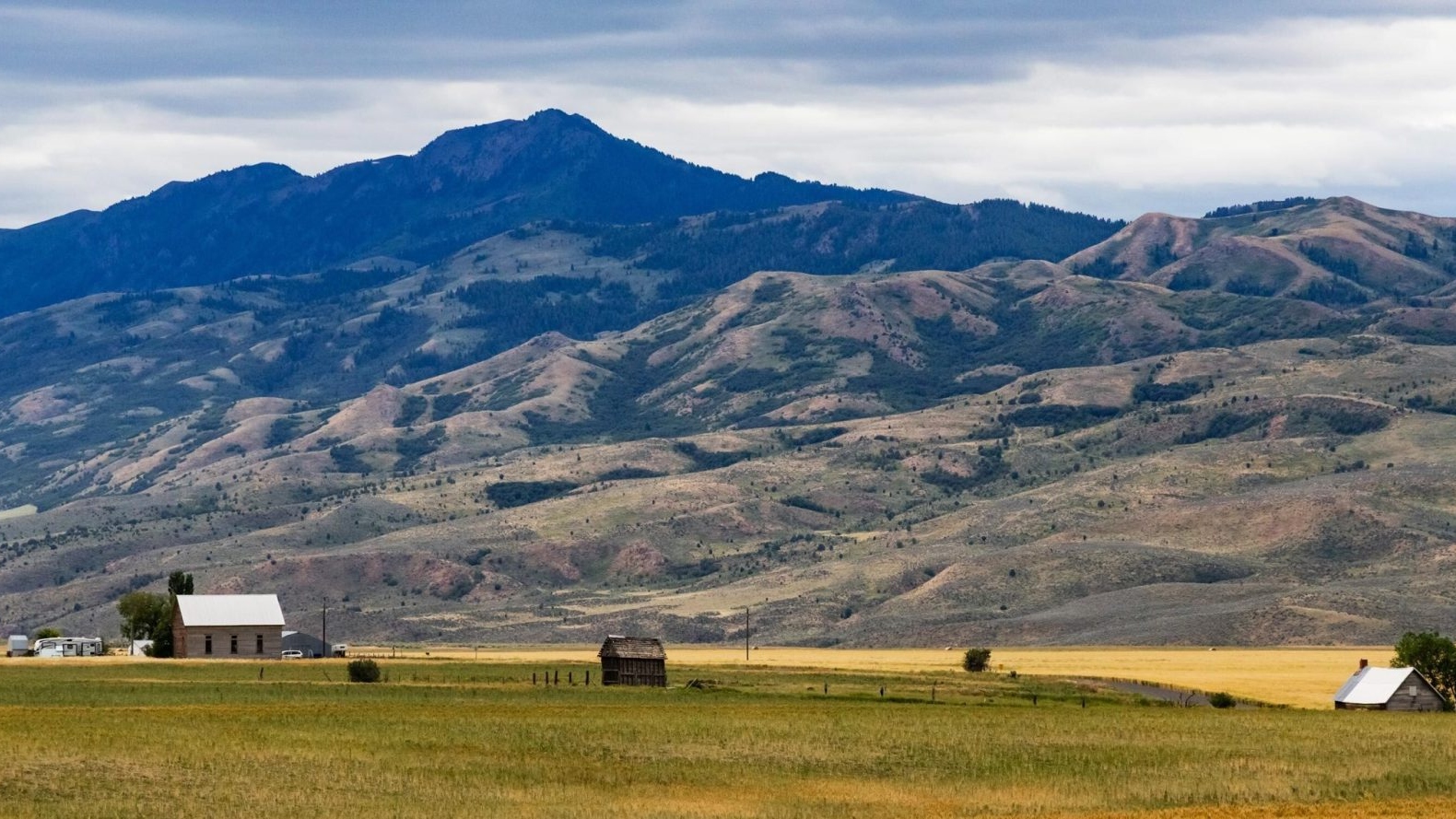
Nestled within a scenic valley a few hours north of Salt Lake City and roughly 100 miles west of Wyoming’s Teton Range, Bannock County is geographically positioned as a prime location for new power generation facilities. Crucially, the county is home to the Populus substation, a vital electrical juncture critical for routing electrons onto the transmission grid and distributing power across Idaho, Utah, Wyoming, and the broader Pacific Northwest. Constructing new power generation plants in close proximity to established substations significantly lowers transmission costs, savings that can ultimately help drive down electricity prices for everyday utility customers.
Yet, for Hough, the most compelling argument for lifting the ban extends beyond utility-bill savings into the realm of local economic development. In recent years, Bannock County’s population growth has lagged significantly behind the rest of Idaho. At the same time, the county’s rural communities are watching essential local services slowly disappear, while worsening drought conditions—exacerbated by ongoing climate change—make it increasingly difficult for multigenerational family farms to stay financially solvent.
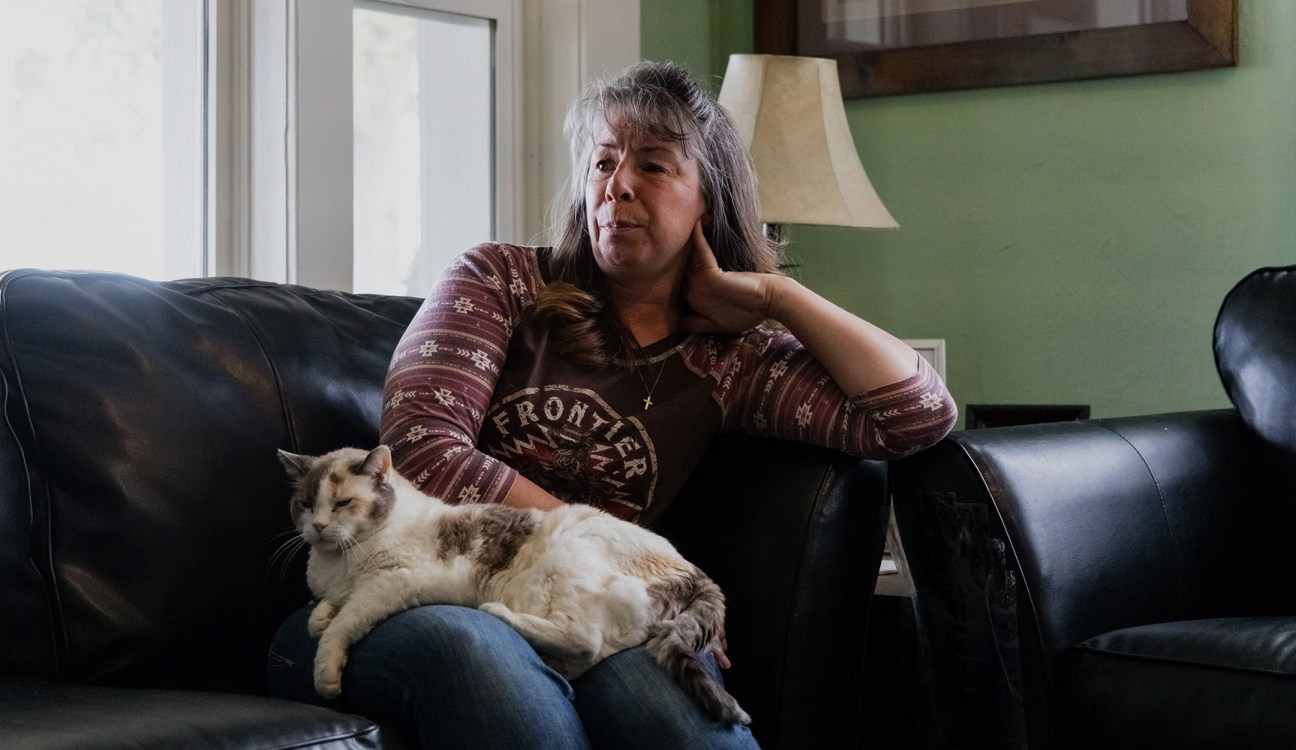
Hough firmly believes that welcoming renewable energy installations would inject much-needed capital into the local economy. Neighboring jurisdictions offer tangible proof of this potential. In 2024, renewable projects in nearby Power and Bingham counties generated roughly $909,000 and $639,000 in local tax revenue, respectively. Hough wants to signal to the renewable energy industry and commercial developers alike that Bannock County is open for business once again.
“Rural America is in a transition state,” Hough said from his office in the county seat of Pocatello. “How do we make or help rural America transition to this new way of life, so that they can thrive and prosper?”
Not everyone within the county shares Hough’s optimistic vision of economic prosperity through renewable energy. In south Bannock County, his campaign to lift the restrictions has encountered fierce local resistance. The population is essentially divided into two distinct camps: residents who are willing to lease their private land to commercial solar developers or fiercely defend their neighbors’ rights to do so, and those who remain deeply skeptical of renewables, viewing land leases as a form of selling out to outside corporate interests. Interestingly, many of those same skeptics express strong support for nuclear energy development.
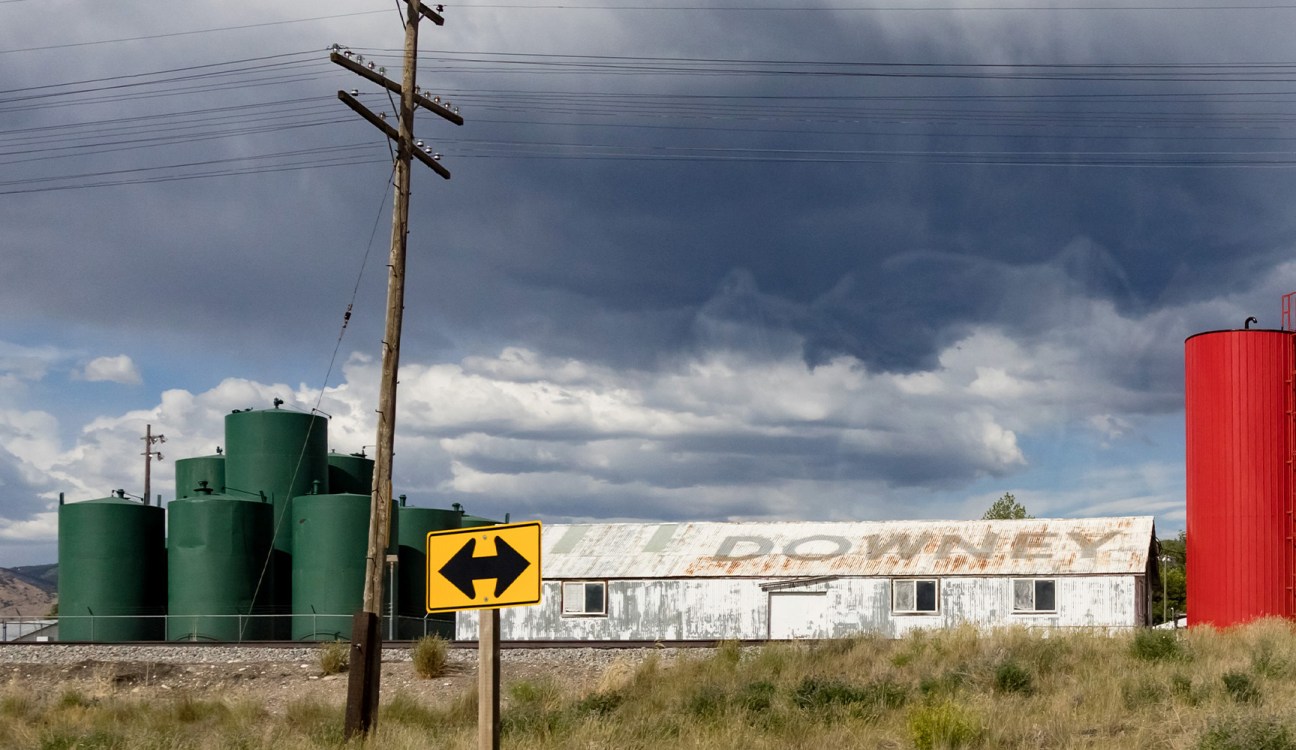
Steve Criddle, a third-generation farmer and lifelong resident of south Bannock County, voiced early support for solar before the original ban passed. Reflecting on the current climate in the valley, he described the situation simply: “It’s confrontational.”
The roots of Bannock County’s solar and wind moratorium trace back to an ironic source: Hough himself. In the fall of 2023, he attended an annual conference hosted by the Idaho Association of Counties in Boise. At the time, the controversial Lava Ridge Wind Project—a massive 1-gigawatt development slated for more than 57,000 acres of federal public land in southern Idaho—dominated discussions among local leaders statewide. County officials across the region expressed deep anxieties about large clean energy developers moving rapidly through rural communities without adequate local oversight. (The U.S. Interior Department ultimately canceled the Lava Ridge project in August 2025.)
The discussions in Boise weighed heavily on Hough’s mind. Months prior, he had learned that several major energy developers, including Chicago-based Hecate Energy and Moab, Utah-based Balanced Rock Power, had begun approaching local landowners regarding potential solar projects in Bannock County.
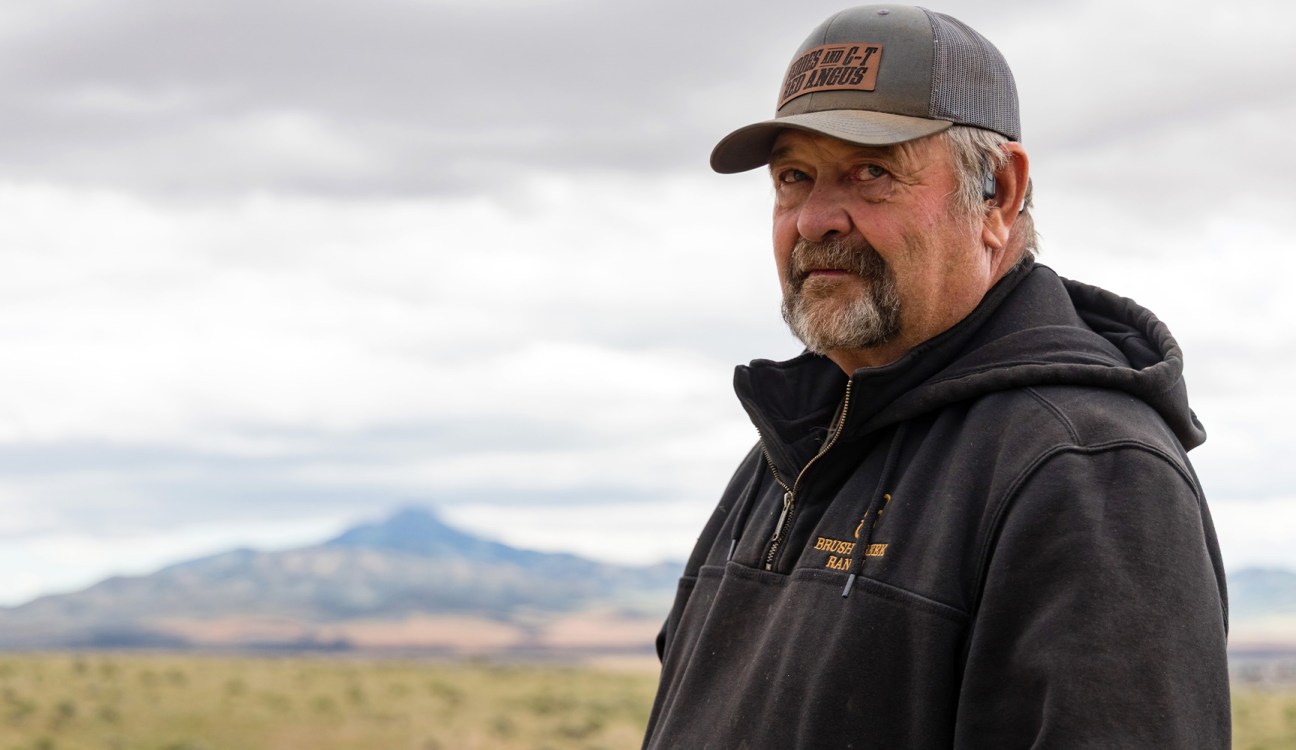
Returning from the conference with the cautionary tale of Lava Ridge fresh in his memory, Hough realized the county lacked a regulatory framework. “I realized that we didn’t have any kind of ordinance,” Hough recalled. “So I knew they’d come in and do whatever they wanted.”
On October 12, 2023, spearheaded by Hough, the county commissioners voted unanimously to enact a temporary six-month moratorium on large-scale energy projects. The initial intent was not to implement a permanent ban, but rather to buy the county time to draft sensible regulations, balance economic opportunities, and ensure responsible land stewardship. A public hearing was scheduled for February, with a final commissioner vote set for March.
However, the moratorium quickly took on a life of its own. Over the subsequent months, a dedicated group of concerned local residents organized an intensive grassroots campaign to make the restrictions permanent.
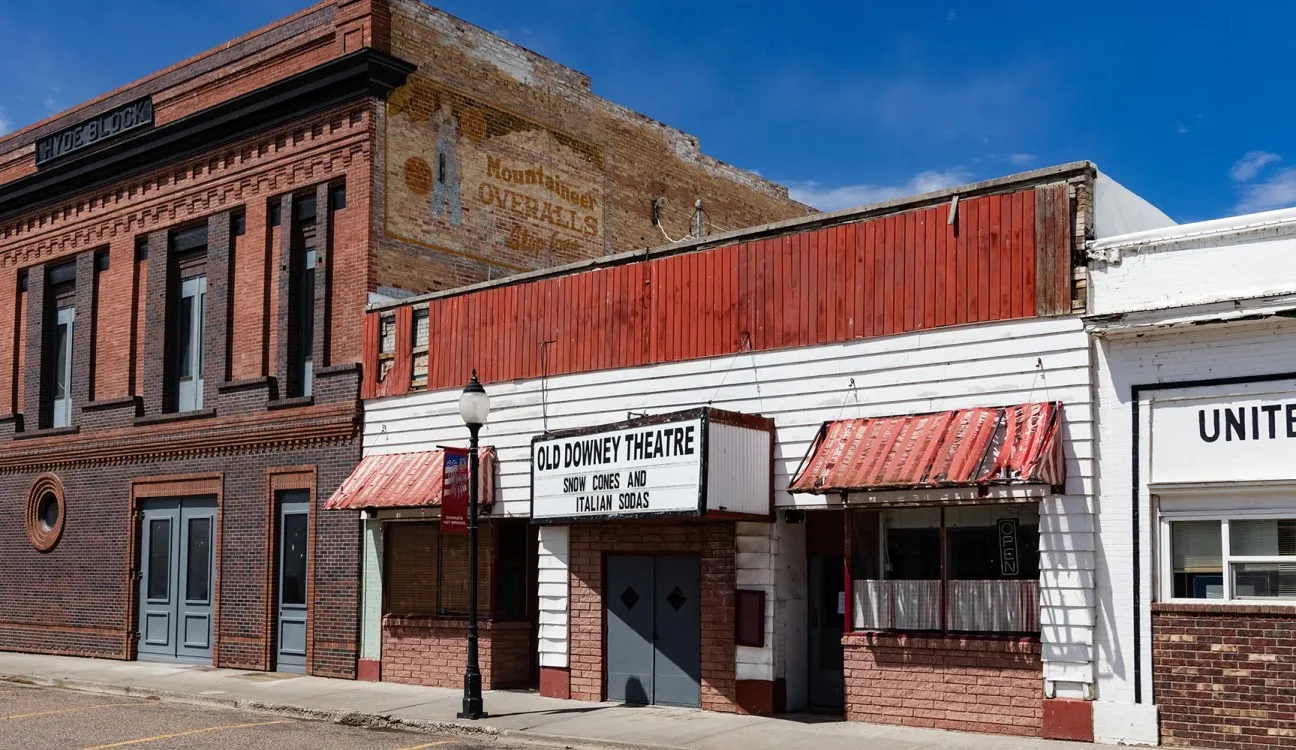
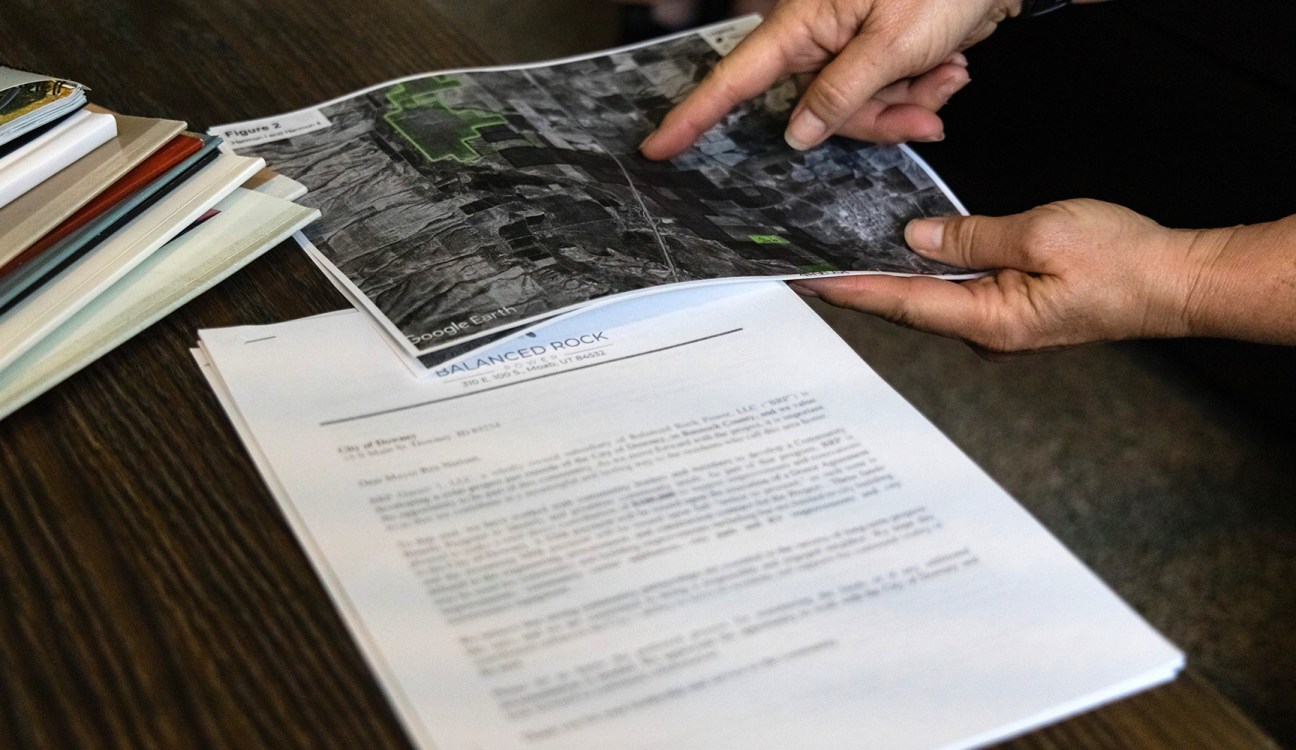
Rebecca Falcon led the charge. A decades-long resident of Downey, a small town in south Bannock County, Falcon had been approached by Balanced Rock in September 2023 regarding a commercial lease for a portion of her 80-acre property. Appalled by the prospect, she immediately turned the company away. However, Balanced Rock’s proposed Harmon Solar Project—a massive 300-megawatt solar facility paired with a 1,200-megawatt-hour on-site battery energy storage system—encompassed land owned by several of her neighbors. Halting the project required a community-wide effort.
Falcon, alongside a neighbor named Dez Hauser who had also rejected overtures from Balanced Rock, encouraged other anxious residents to pack the February 2024 public hearing concerning the moratorium’s future. Public interest was so intense that the venue had to be shifted from the traditional county courthouse to a local high school auditorium in south Bannock County. Even in the larger space, the room remained packed to capacity.
More than two dozen speakers took the microphone, nearly all of them local residents from south Bannock County. The overwhelming majority testified in staunch opposition to commercial solar development.
When the commissioners reconvened the following month, Hough voted to repeal the moratorium, but his two colleagues voted to extend it, framing the pause as necessary to study the long-term effects of large-scale renewable development. As political controversy mounted through the spring and summer of 2024, the county declined to take further legislative action, leaving the ban firmly in place. Falcon, Hauser, and their allies had secured a victory.
For Dale Lish, a grain farmer based in Downey who recently retired from a career with the U.S. Department of Agriculture, the outcome was deeply frustrating. Lish had become familiar with renewable energy programs while working on agricultural energy projects in Idaho and Washington through the federal Rural Energy for America Program.
“The approach was just no to everything, which bothered me,” Lish said. “A straight-out ban—I don’t think that’s American. I think we, as private-property owners, ought to have a chance to do what we want within reason.”
In 2023, Lish had signed a one-year contract with Hecate Energy to option roughly 400 acres of his land for future solar development. Because of the county’s subsequent ordinance, Hecate declined to renew the contract in 2024 and ultimately pulled out of the county entirely. Representatives for Hecate did not respond to multiple requests for comment.
In the two and a half years since that crucial March vote, Hough has persistently championed private-property rights while attempting to educate the broader community about Idaho’s mounting electrical needs.
While the commission vote on the new draft ordinance approaches this fall, public sentiment shows signs of evolving. Ernie Moser, an incumbent commissioner who voted in favor of the ban in 2024, acknowledged in an interview that his initial fears regarding solar and wind are “not as big” as they were two years ago. Nevertheless, Moser, who is retiring from the commission at the end of the year, stressed the ongoing importance of getting the regulatory policy right. The third commissioner, Ken Bullock, declined to comment.
Recent local elections have continued to highlight the community’s deep divisions. During the Republican primary, Hough faced a challenger running on an explicitly anti-solar platform. While Hough won the overall race by 14 percentage points, his opponent captured a staggering 70 percent of the vote within Downey proper. With no Democratic challenger running in the general election, Hough secured his seat without further opposition, mirroring similar political dynamics from 2024 when former commissioner John Crowder—who voted for the original ban—won big in Downey but lost the broader commissioner seat to Hough’s political ally, Ken Bullock.
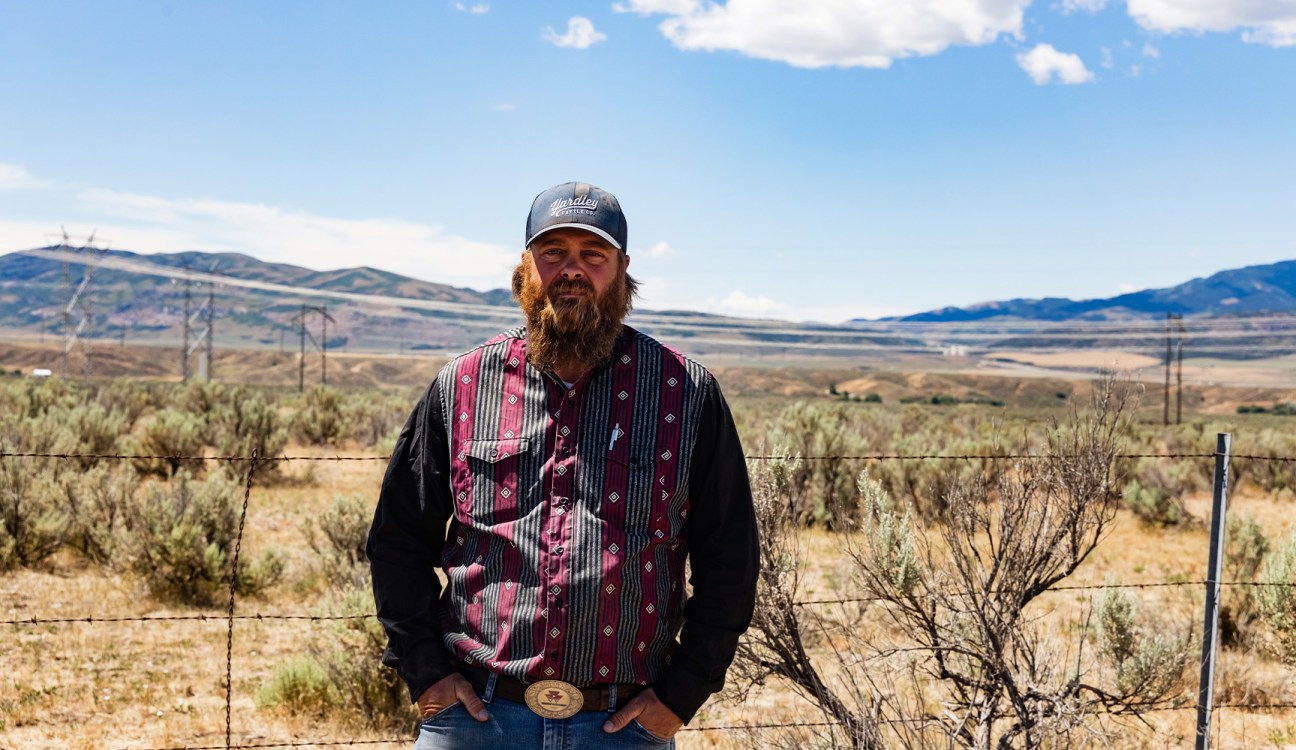
For residents like Steve Criddle, whose family roots in Downey stretch back to 1876 when his ancestors first filed local water rights, the pressures of modern agriculture make exploring alternative land uses an economic necessity. His grandfather and father successfully farmed grain and wheat, but a changing regional climate has made traditional dryland farming increasingly unsustainable.
“We don’t get enough moisture anymore,” Criddle said. The fields where he grows crops without irrigation now routinely fail to produce enough yield to make ends meet. He has transitioned portions of his land to cattle grazing and worked various odd jobs over the years to keep the family farm afloat.
On a sunny afternoon, Criddle drove through his fields, pointing out the stark reality of the ongoing drought. Three years prior, one of his alfalfa fields produced roughly 800 bales of hay; the current year yielded only a dozen. With over 87 percent of the county experiencing extreme drought conditions following a winter marked by record-low snowfall, Criddle was forced to purchase outside feed for his cattle for the first time in his life.
Lish, who also farms dryland wheat, pointed to groundwater limitations as the region’s ultimate vulnerability. To accumulate enough soil moisture to successfully produce a crop, Lish leaves his fields fallow every other year.
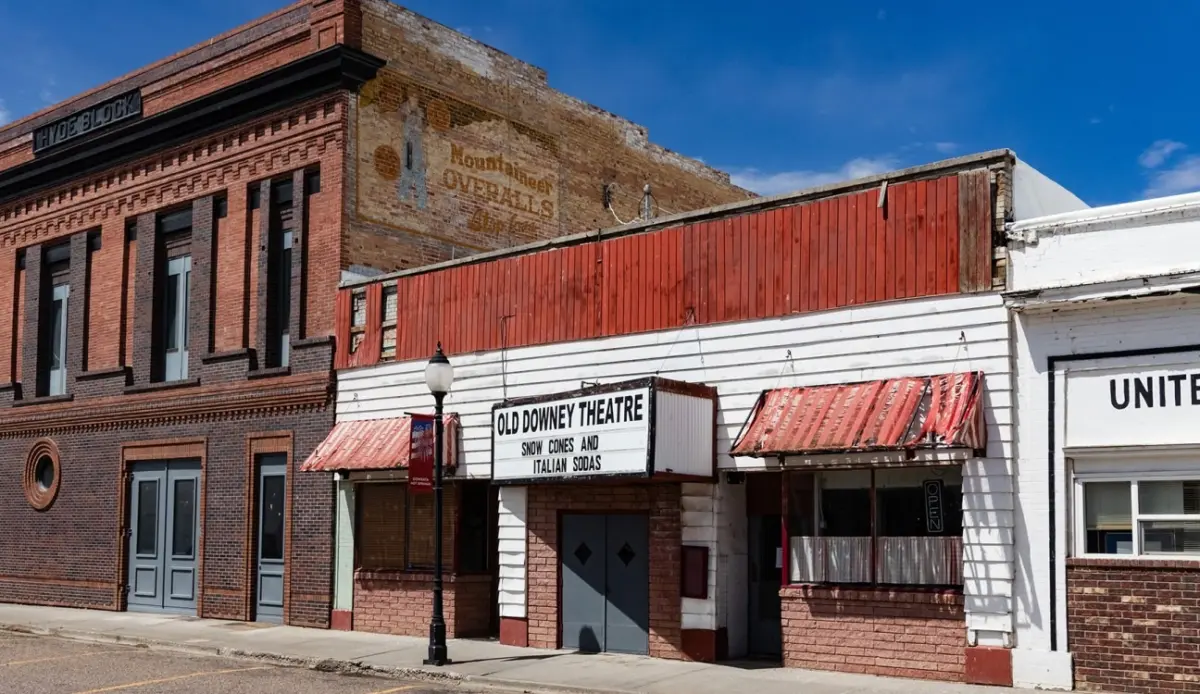
As generations of farming families struggled against changing climate patterns and economic pressures, the social fabric of Downey shifted. Over the years, the rural town lost its small hospital, bank, pharmacy, movie theater, grocery store, farm-equipment shop, local dairies, and granary.
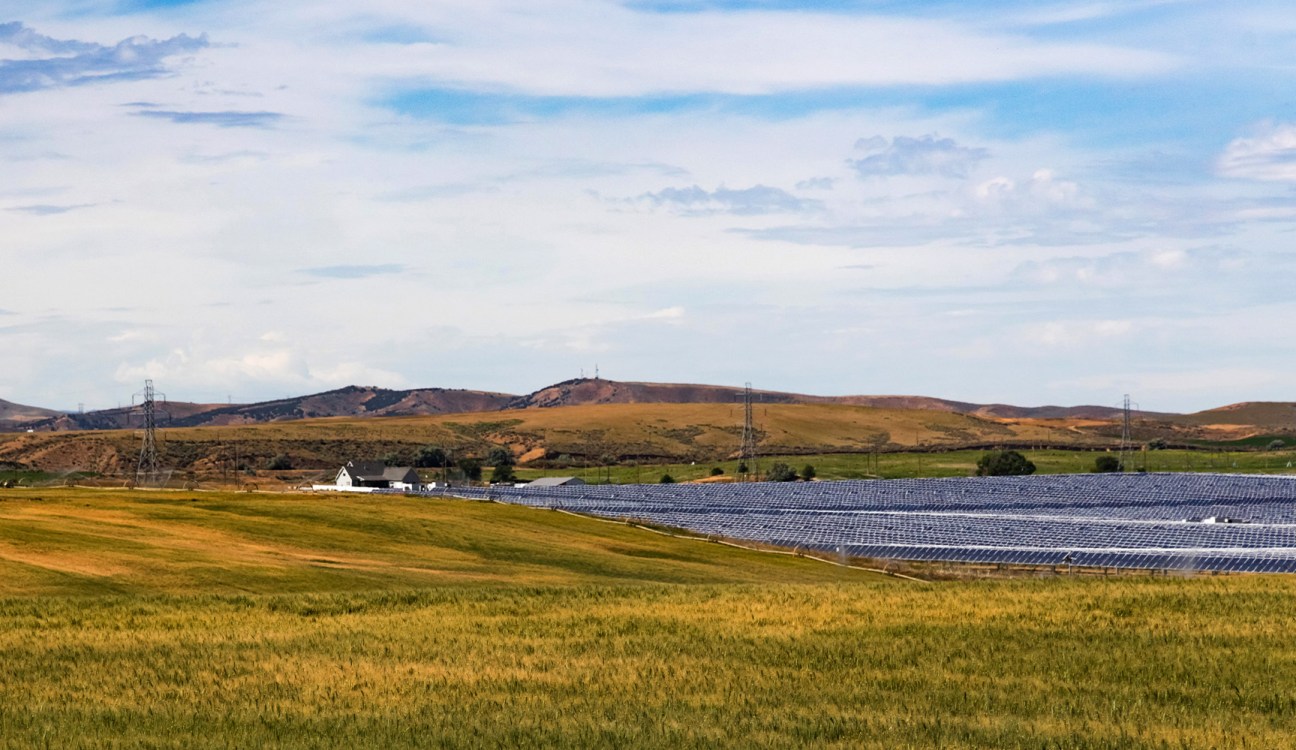
When representatives from Hecate Energy approached the Criddles in 2023 proposing a solar lease, Steve and Keedrin listened carefully. While they did not ultimately sign a contract, they recognized how stable lease income could provide financial breathing room, allowing them to hire help and reinvest in the long-term viability of their farm for their 11 grandchildren.
Lish, who did sign a contract with Hecate, noted that the decision required careful thought, but walking away from projected per-acre incomes four to five times higher than traditional wheat farming would have been irresponsible.
“We love this land too, and we’re not going to do something that’s going to be harmful,” Lish said. “We’re just looking at something that’s going to help us continue on to multiple generations.”
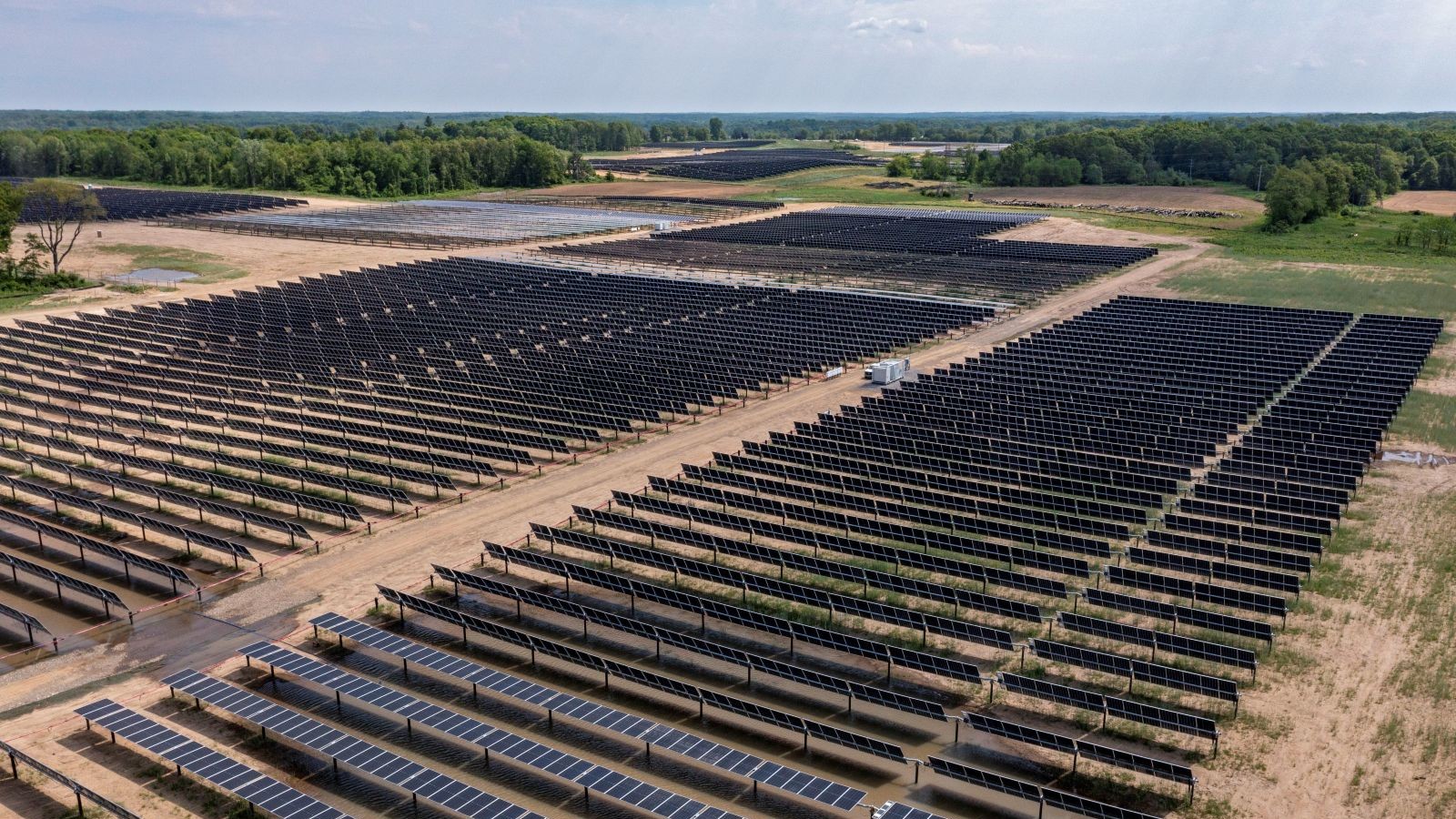
Lytton Bastian, a multigenerational farmer and father of six who owns more than 2,000 acres in the valley, found himself weighing similar economic realities. Balanced Rock expressed interest in 840 acres of his least productive land—currently used as a gravel pit and seasonal cattle pasture—adjacent to the Populus substation. In 2021, he signed a five-year contract with the developer that includes modest quarterly payments, which would scale significantly if the county lifts its ban and allows the project to proceed.
While neighbors like Falcon criticized Bastian for leasing prime agricultural land, Bastian maintained that he intentionally offered his least productive ground. “Any normal farmer will not sell out good prime ground, because that’s hard to come by,” he said.
With his contract expiring at the end of the year, Bastian’s ability to move forward hinges entirely on whether the county lifts its ban. Katarina Bagri, a senior development manager at Balanced Rock leading the Harmon Solar Project, confirmed that the company is prepared to move forward immediately if the restrictions are repealed.
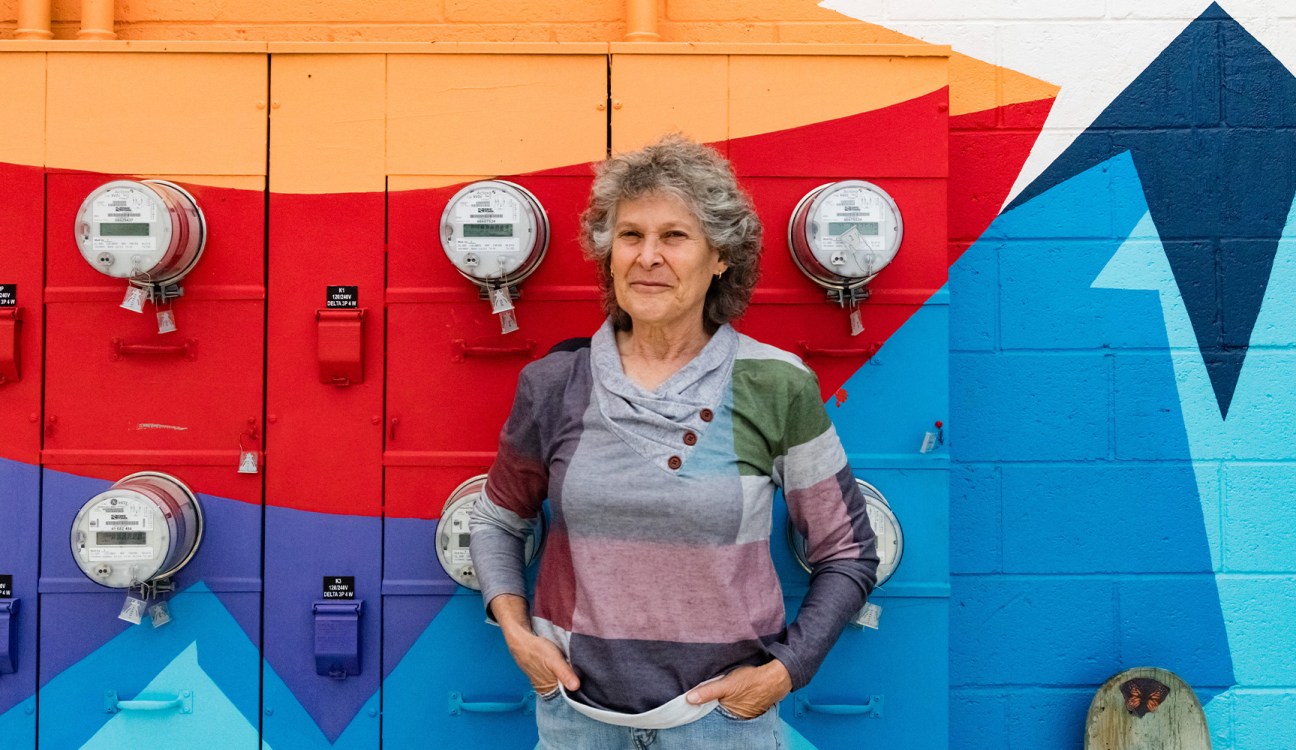
Beyond individual landowners, the local municipality also stands to benefit financially. Anticipating the eventual lifting of the ban, Balanced Rock previously offered the city of Downey $100,000 in direct community benefit payments. If the project remains blocked, that funding will disappear, reinforcing Hough’s frequent warnings that restricted counties will simply watch investments flow elsewhere.
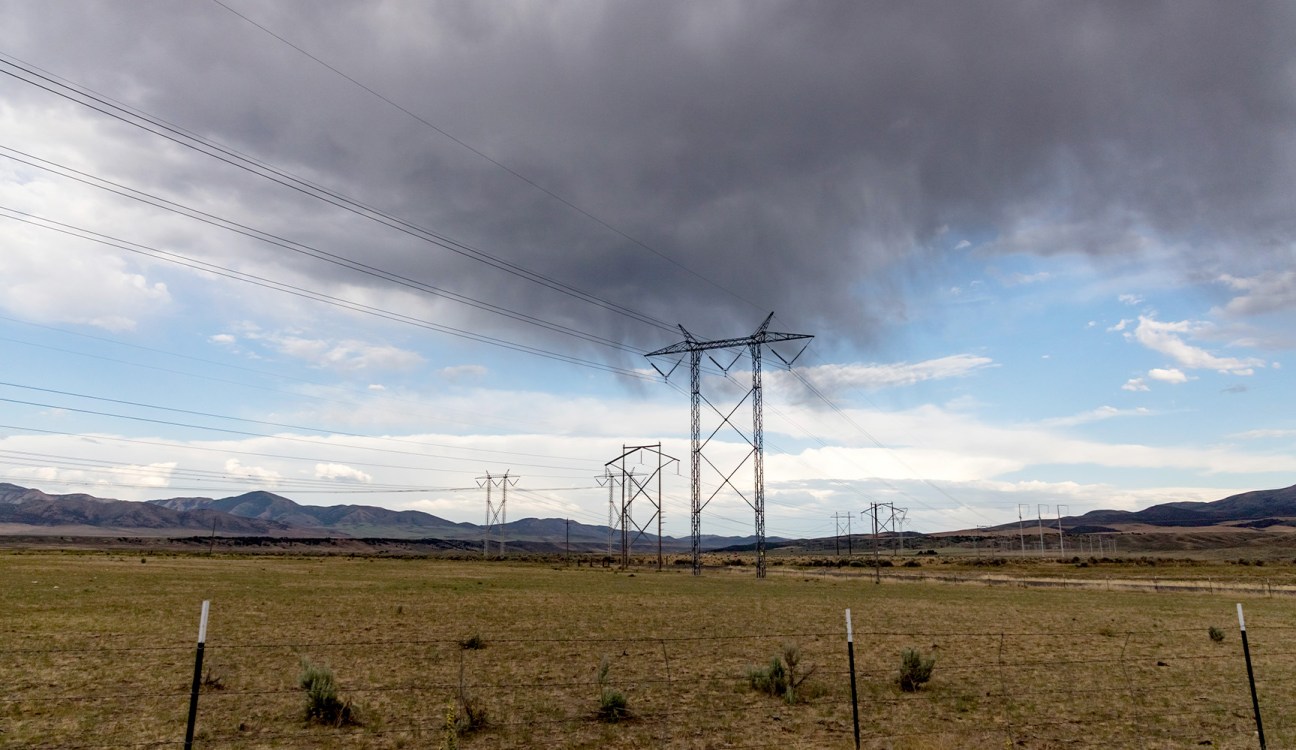
For residents like Falcon, however, the visual and physical footprint of energy infrastructure remains deeply concerning. Having lived in Downey for decades, she and her husband bought their property long before the Populus substation was constructed within view of their home. Today, high-voltage transmission lines crisscross the valley, and upcoming projects from PacifiCorp’s multiyear Energy Gateway initiative will introduce even more transmission infrastructure to the area.
While Falcon recognizes the regional need for power—noting that her husband works for the Bonneville Power Administration building electrical substations—she draws a firm line against commercial solar, citing concerns over land consumption popularized by fossil fuel opposition groups. Alongside Hauser, Falcon continues to organize local resistance, filing public records requests and sharing information through email networks and community forums.
Their persistent document requests revealed that shortly after Bannock County voted to maintain its ban in 2024, Balanced Rock had applied for federal authorization for a second, separate initiative known as Harmon II. The project proposed an additional 300 megawatts of solar and storage development across roughly 1,300 acres of federal public land managed by the Bureau of Land Management, adjacent to the stalled Harmon I site. Balanced Rock ultimately withdrew the Harmon II application in August, noting that all corporate focus remained on the private land initiative.
Critics pointed to the secondary application as proof of a lack of transparency, while developers emphasized that the draft ordinance being considered by the commissioners contains strict guardrails, including mandatory decommissioning bonds, site restoration requirements, and provisions ensuring developers assist local volunteer fire departments with specialized battery-fire training and equipment.
Despite these proposed regulations, deep-seated skepticism remains widespread, particularly in south Bannock County. Yet, interestingly, that same skepticism does not extend to nuclear energy.
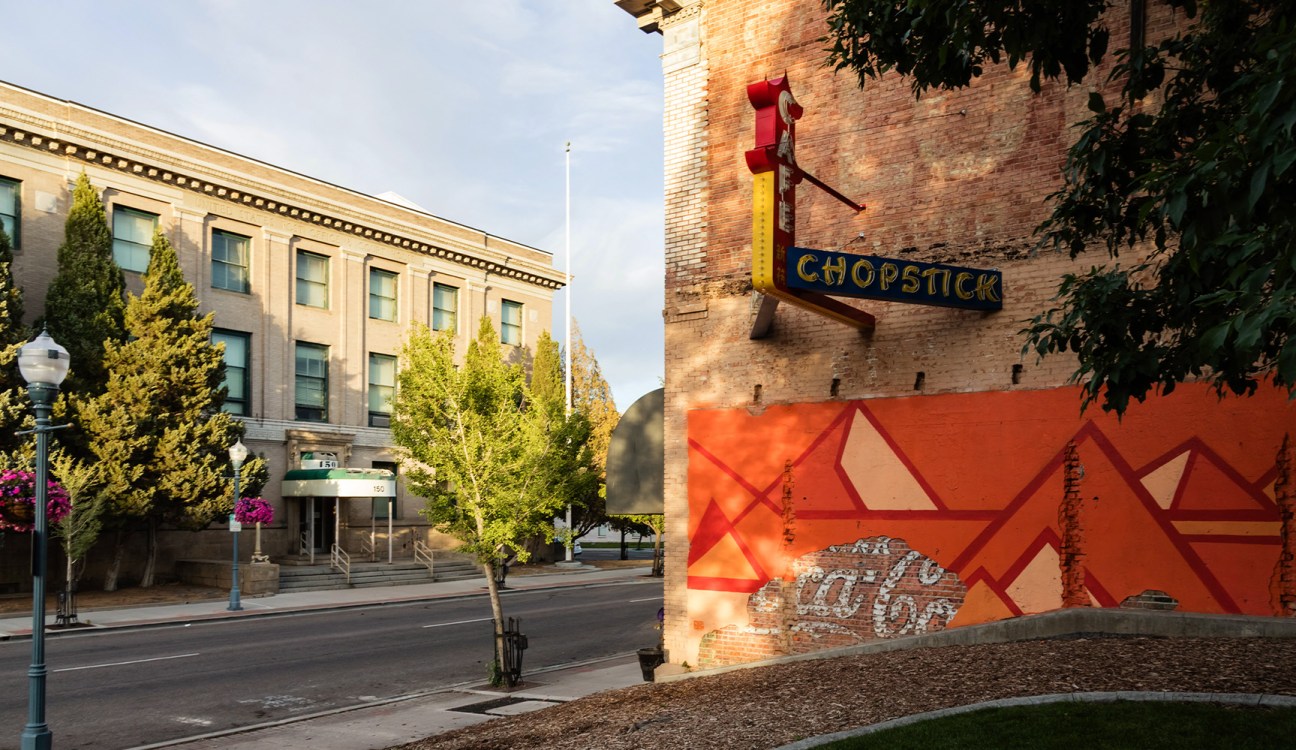
In January, a county-wide survey designed to gauge public opinion on advanced nuclear technology revealed overwhelming support. Out of more than 700 respondents, approximately 90 percent expressed favorable views toward nuclear energy development.
“I didn’t think our community could agree on anything,” Hough remarked regarding the surprising consensus.
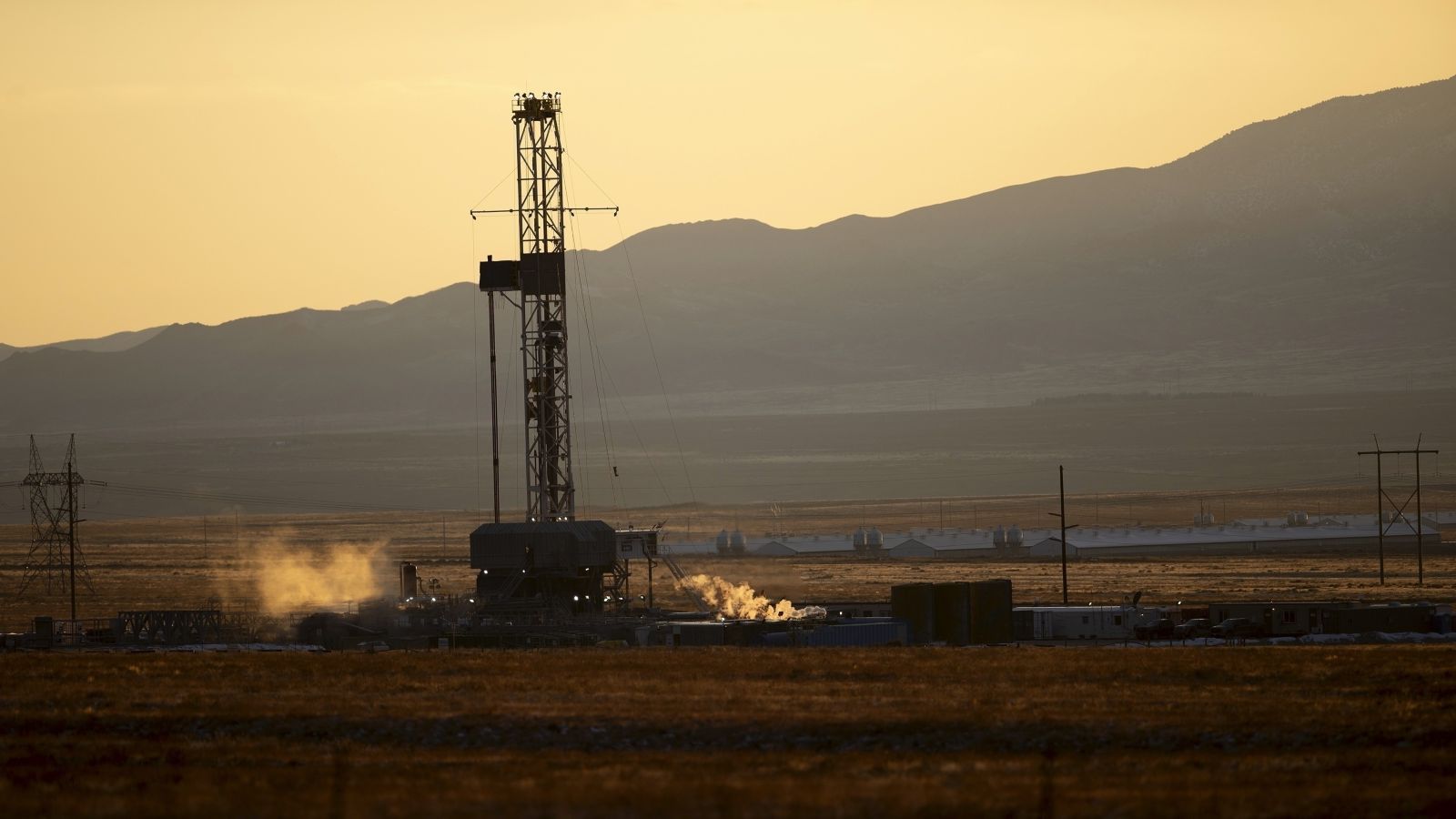
Southeast Idaho already maintains a deep connection to the nuclear industry through the Idaho National Laboratory (INL), a premier federal facility leading advanced nuclear research. Bolstered by federal initiatives, INL has seen accelerated support for on-site microreactor test beds and artificial intelligence integrations aimed at streamlining safe, affordable nuclear energy. Furthermore, nearby in western Wyoming, the Bill Gates-backed TerraPower is currently constructing the nation’s first utility-scale advanced nuclear power plant in Kemmerer, slated for completion by 2030.
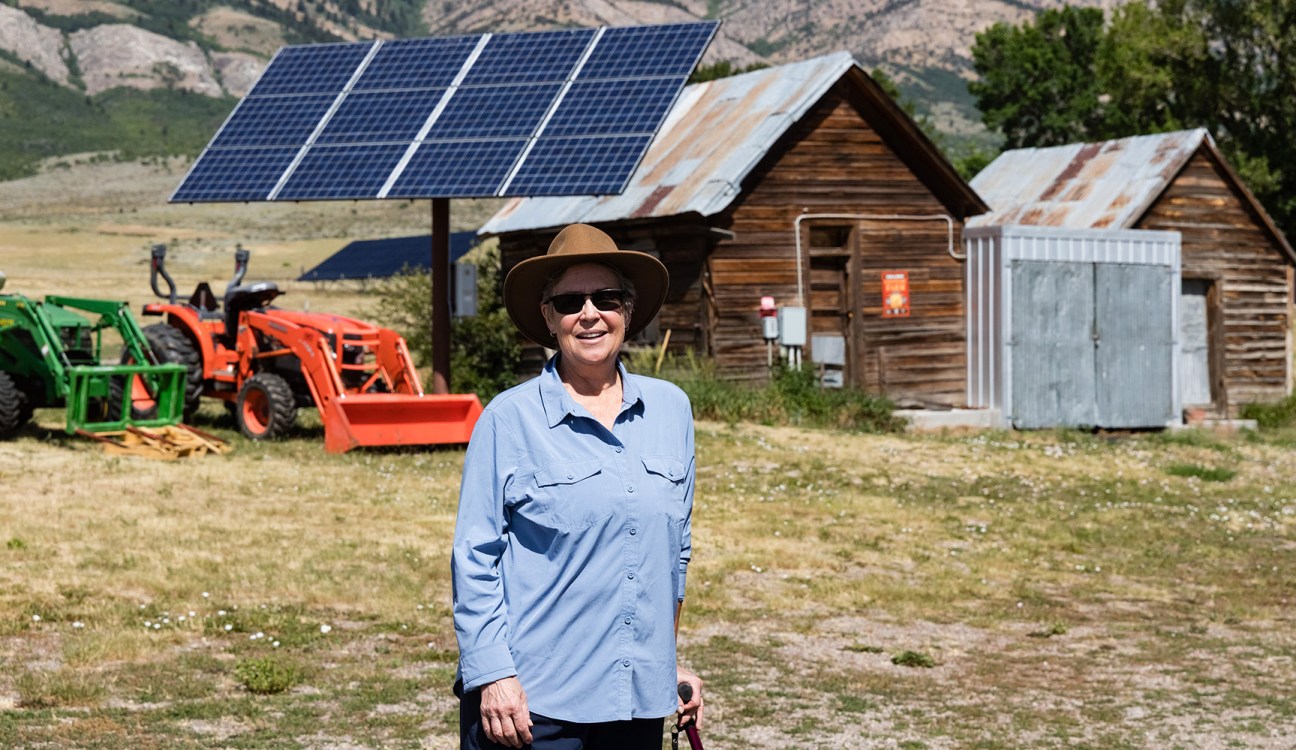
During a public educational forum hosted by county commissioners in July, residents including Falcon and Hauser turned out in large numbers to learn about small modular reactors and microreactors. For many local critics of solar, nuclear represents a far more palatable alternative due to its compact physical footprint.
However, industry experts note that the broader commercial deployment of small modular reactors remains fraught with technological, regulatory, and supply-chain uncertainties, with only a handful of next-generation projects worldwide currently holding construction permits and no commercial operational units yet established in the United States. Recognizing that advanced nuclear power could still be a decade away, Hough maintains that Bannock County cannot afford to reject interim economic drivers like solar and wind power.
Ultimately, the future of energy development in Bannock County rests squarely in the hands of its three commissioners. For Commissioner Moser, who originally voted in favor of the ban, the decision remains a heavy responsibility defined by local stewardship. Surrounded in his office by wilderness paintings created by his son, Moser reflects daily on the delicate balance between preserving Idaho’s natural landscapes and meeting the practical needs of future generations.
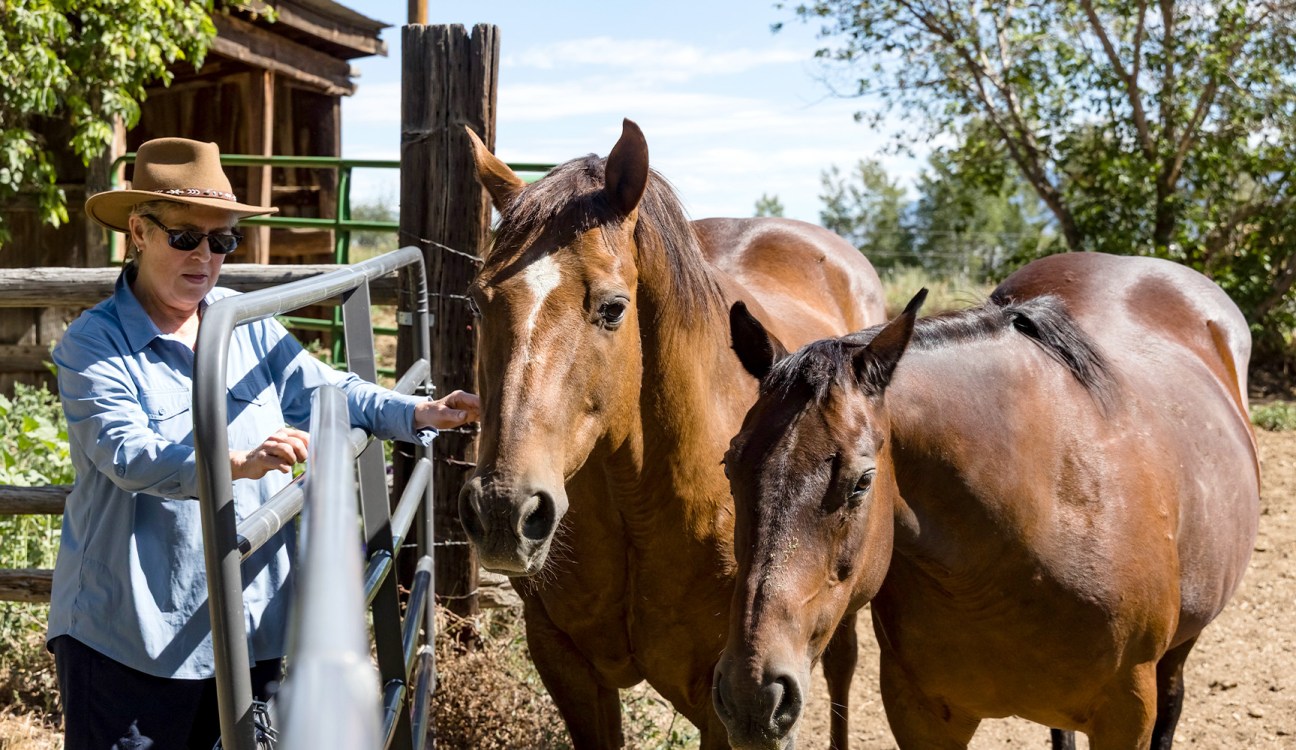
As public hearings progress and the final vote on the updated energy ordinance approaches this fall, the county stands at a critical crossroads, weighing private property rights, economic survival, and the evolving energy future of rural Idaho.