
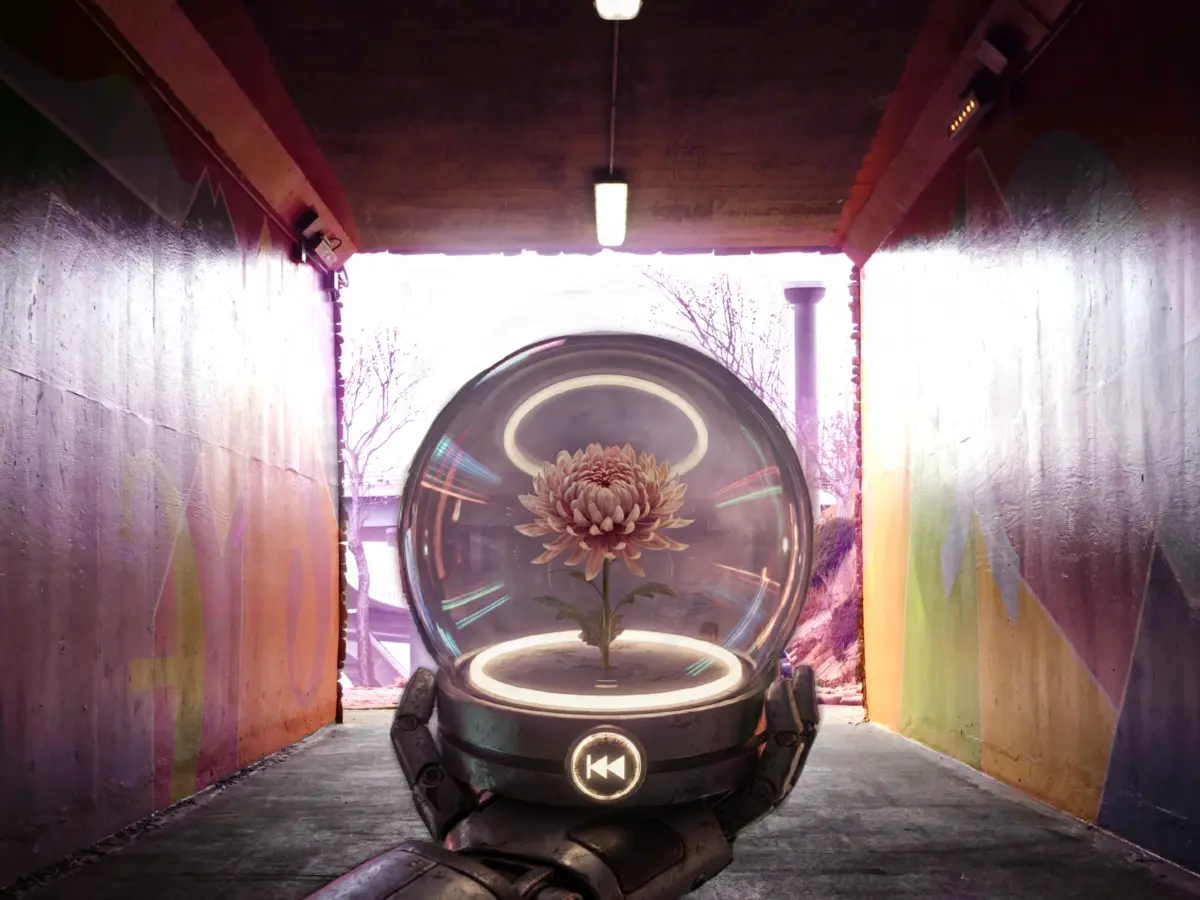
Four years after the watershed public debut of ChatGPT fundamentally altered the educational and technological landscape, a new generation is preparing to step out into a world profoundly shaped by generative artificial intelligence. The graduating class of 2026 holds a unique distinction in modern academic history: they are the first cohort of students to navigate their entire high school experience with full, unmitigated exposure to generative AI tools.
Across the United States, high school students have accumulated considerable, hands-on experience using these advanced systems. Yet, their collective perspective on the technology’s expanding footprint in everyday life is far from uniform. Instead, it is characterized by a complex mix of pragmatism and profound anxiety. While students readily leverage the benefits of artificial intelligence to streamline tasks, enhance productivity, and explore new creative horizons, many harbor deep-seated fears regarding where this rapid technological trajectory might ultimately lead society.
This dichotomy of excitement and apprehension took center stage last month in Boston during the "Me, Myself, and AI" art show, a prominent centerpiece of the America’s Youth AI Festival. The high-profile, three-day gathering brought together a diverse assembly of student leaders, classroom educators, and school system administrators from across the nation. Attendees convened to grapple with some of the most pressing questions facing modern education, including how to establish acceptable boundaries for AI use in the classroom and how the technology is actively reshaping the lived experiences of America’s youth.
The festival was a collaborative effort organized by Day of AI, the MIT Responsible AI for Social Empowerment and Education (RAISE) initiative, The School Superintendents Association (AASA), and the Edward M. Kennedy Institute. Among its key attractions were two distinct student competitions: the AI for a Better World challenge and a dedicated creative arts competition.
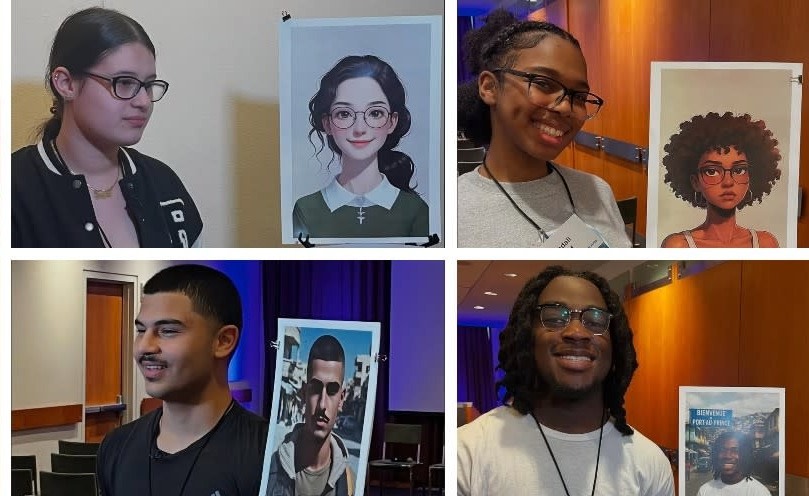
Four standout students ultimately emerged as the winners of the 2026 "Me, Myself, and AI" art competition, claiming the spotlight for their imaginative and thought-provoking interpretations of technology’s current and future impact. Their submissions offered a striking glimpse into how young people perceive AI’s growing influence within their local communities, as well as their projections for what human society might look like half a century from now.
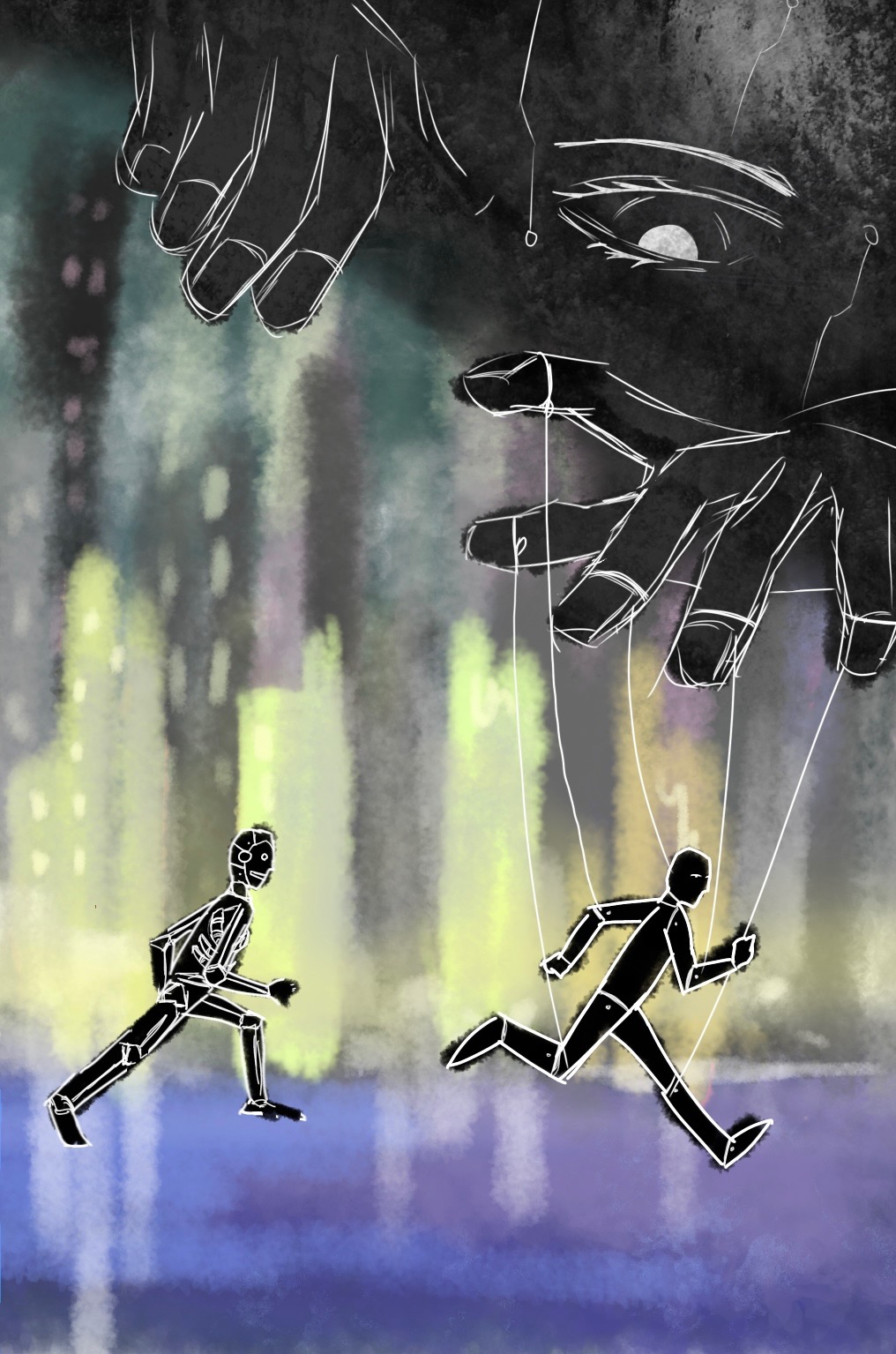
Among the winners was Annie, an eleventh-grade student attending both the Barbara Keel Art School and Auburn High School in Auburn, Alabama. Her two-part winning entry, titled "Which Way We Run," vividly captured the existential worry occupying the minds of many young technologists and artists today.
Depicting AI’s Evolving Influence
Annie’s dual-part artwork serves as a visual meditation on how artificial intelligence is already altering human behavior, while raising stark questions about the potential consequences of outsourcing daily trivialities to automated systems.
"The first piece represents my current community and focuses on how AI is beginning to integrate into everyday life," Annie explains, describing the conceptual framework behind her work. "The buildings are bright and colorful, symbolizing liveliness, creativity, and emotion—all human qualities. In the center, two people are running, representing different stages of human interaction with AI-driven technology."
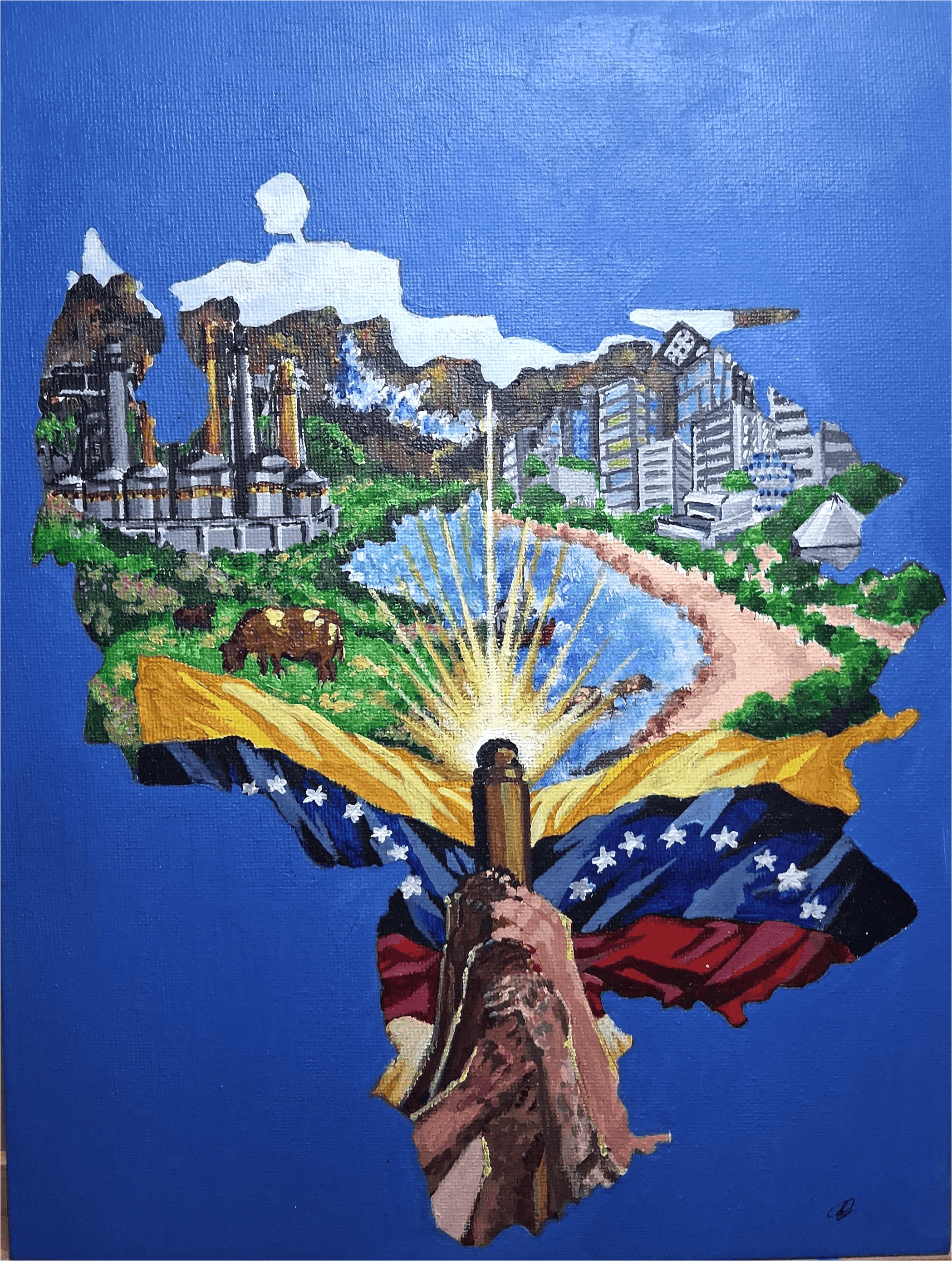
Annie was joined in the winner’s circle by a talented group of peers from across the country. Evangelina, an eleventh-grade student at Essex County Newark Tech in Newark, New Jersey, earned recognition for her evocative piece titled "A Free Venezuela." Juliette, an eleventh-grade student at Rye Country Day School in Rye, New York, was honored for her introspective submission, "A Self-Portrait Across Time." Rounding out the group of winners was Wendi, a ninth-grade student representing the Atlanta Contemporary Chinese Academy in Decatur, Georgia, whose complex entry was titled "Community Today as Meandering in Divide, Community in 50 Years as Yearning into Time."
According to Jeffrey Riley, executive director of Day of AI, the "Me, Myself, and AI" competition evolved naturally out of an innovative curriculum developed by the MIT RAISE initiative. The foundational concepts were first introduced during a high school summer program in 2024. Building on that initial success, the program was subsequently expanded into Day of AI’s comprehensive five-lesson "AI and the Creative Arts Curriculum," which officially launched in January 2025 for students ages eight and up.
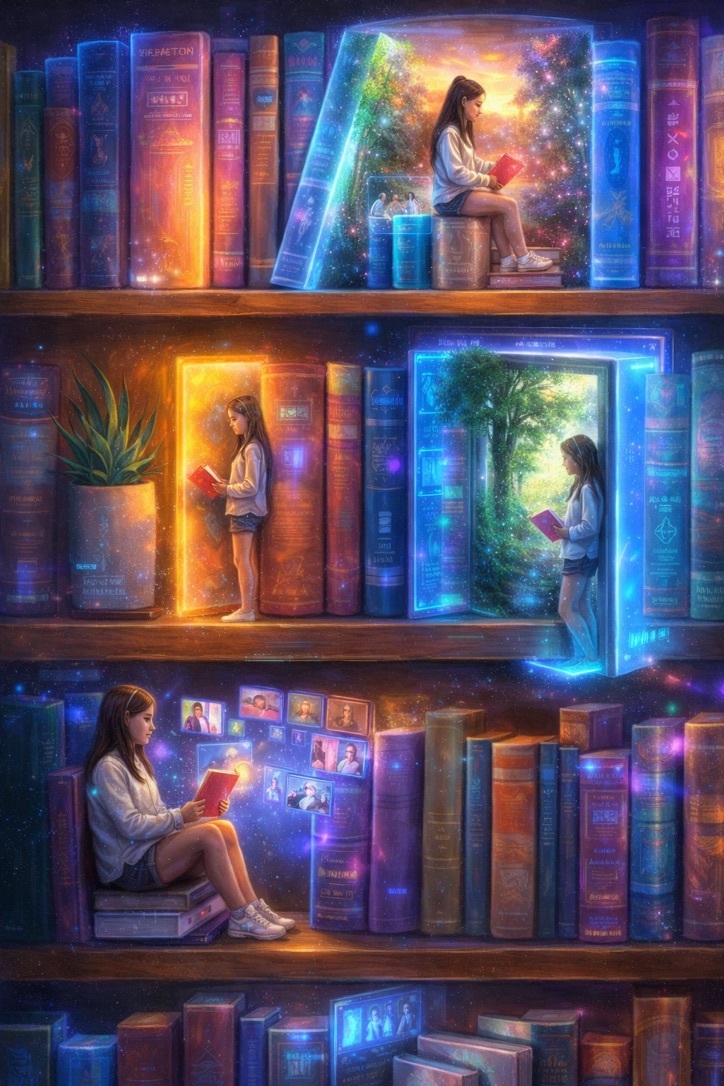
The curriculum is designed to encourage students to critically examine the intricate relationship between artificial intelligence and human creativity. Through these lessons, students analyze examples of AI-generated artwork, debate complex questions surrounding authorship and originality, and produce original pieces of their own.
When it came time to select the winners, Riley notes that submissions were subjected to a rigorous, multi-reviewer evaluation process. The methodology was intentionally modeled after the holistic review standards utilized in competitive college admissions and prestigious scholarship programs.
"Judges evaluated submissions holistically, considering creativity, originality, evidence of process, thoughtful use of AI, and the authenticity of each student’s personal voice," Riley explains. "The emphasis was never on creating the most impressive AI-generated image, but on how effectively students used creativity and, where appropriate, AI, to communicate their ideas."
The Growing Impact of AI on Art and Media
Looking ahead, Riley predicts that artificial intelligence will inevitably transition from a novelty into a standard component of many professional artists’ creative workflows. He compares this impending shift to the adoption of digital design software, professional cameras, and advanced animation tools in earlier eras. By lowering technical barriers, AI holds the genuine potential to make creative exploration far more accessible, empowering individuals to rapidly prototype ideas, experiment with novel artistic styles, and bring abstract concepts to life with unprecedented speed.
This sentiment is echoed by Cynthia Breazeal, director of MIT RAISE and co-founder of Day of AI. "AI will shape how young people live, learn, create, and connect," Breazeal states. "What is so powerful about ‘Me, Myself, and AI’ is that it gives students the opportunity to reflect on that future in a deeply personal and imaginative way."
For Annie, the decision to participate in the competition was driven by a desire to engage directly with the intersection of art, artificial intelligence, and humanity. She viewed the festival as a vital forum to share her perspective and discover how her generation views the broader ethical implications of AI—particularly given the intense public contention currently surrounding AI-generated imagery and intellectual property.
"The use of AI to create media is not appropriate in corporate models that exploit the work of artists without consent," Annie argues. "Instead, if any artist believes that AI is integral to a project they want to create, they should look toward models that are trained on open-source data or ethically sourced media. Additionally, even with ethical models, AI’s large environmental footprint means we should be mindful of what we ask it to do."
Encouraging Lessons from the Competition
Reflecting on the exhibition, Riley notes that what impressed the judging panel most was not merely the technical execution of the student artwork, but the profound level of deliberation the participants brought to their creative choices. Rather than reflexively utilizing AI simply because the technology was readily available, many students carefully weighed when automated tools strengthened their artistic vision and when they detracted from it. In fact, several participants intentionally limited their use of AI, or bypassed it entirely for specific portions of their projects, out of a desire to ensure that core elements remained purely human-made.
"One of the biggest lessons we took away was that young people are far more thoughtful about AI than they’re often given credit for," Riley observes. "Students didn’t see AI as simply ‘good’ or ‘bad.’ Instead, they expressed a wide range of perspectives based on their own experiences using the technology."
Organizers emphasize that the success of the festival underscores the critical importance of providing students with authentic, hands-on opportunities to wrestle with complex technological questions, rather than restricting AI education to abstract classroom lectures. By actively engaging with the medium, students can develop the nuance required to navigate an increasingly automated landscape.
"These insights will continue to shape curricula and learning experiences as we help students develop the critical thinking, creativity, and ethical decision-making skills they’ll need in an AI-driven world," Riley concludes. "Our goal has never been to encourage or discourage AI use, but rather to empower young people to make informed, intentional choices about how they use these technologies."