
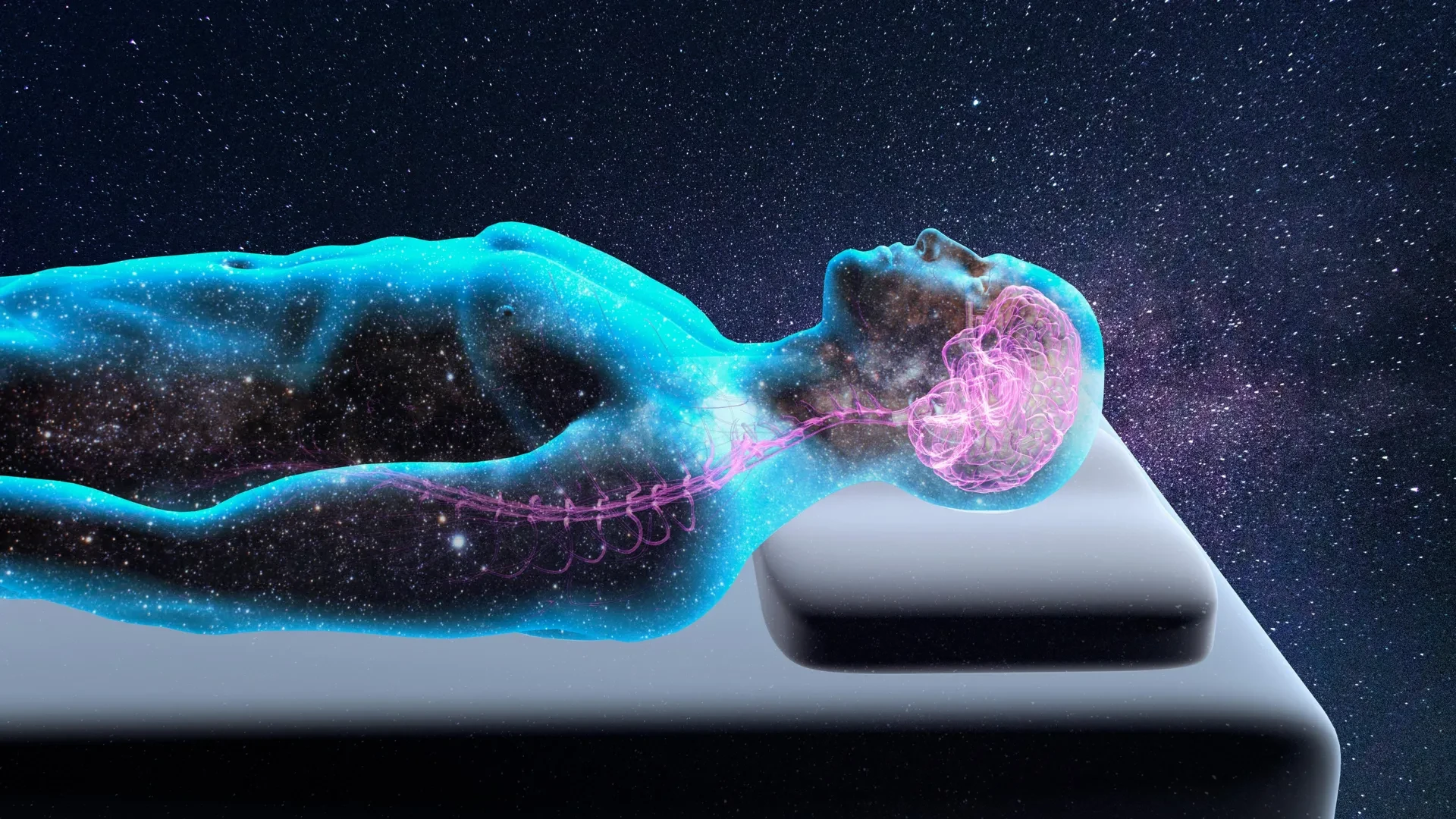
When it comes to a good night’s rest, the public conversation has long focused on a single metric: the number of hours spent in bed. However, a major new study published September 17th in the open-access journal PLOS Medicine suggests that how we sleep is just as critical as how long we sleep. Led by Shengzhi Sun of Capital Medical University in China and a team of international colleagues, the research reveals that greater amounts of REM (rapid eye movement) and deep sleep are significantly associated with lower risks of dozens of serious medical conditions. Conversely, sleeping for less than five hours total night after night exposes individuals to dramatically elevated health vulnerabilities.
The findings arrive at a time when sleep health is increasingly recognized as a vital pillar of public wellness around the globe. In China, for instance, sleep quantity and quality have been elevated to a top priority by the National Health Commission, becoming a prominent focus of national health initiatives and public discourse. According to the most recent 2026 China Sleep Health White Paper, the average surveyed Chinese citizen sleeps 6.97 hours per night—appearing to fall comfortably within standard wellness guidelines. Yet a closer look at the data reveals underlying strains: 23 percent of respondents report sleeping less than six hours per night, while only 26 percent maintain a consistent sleep schedule. Furthermore, the report notes that disturbances to everyday sleep patterns have been steadily increasing over time. Given these widespread modern challenges, understanding the intricate biological mechanisms linking specific sleep patterns to long-term disease risk carries immense relevance for populations worldwide.
Despite the obvious importance of rest, science has historically faced limitations in understanding how distinct sleep stages and real-world sleep habits translate into long-term health outcomes. Much of this knowledge gap has existed because traditional sleep research has relied heavily on self-reported questionnaires. While surveys are easy to administer on a large scale, self-reported sleep measures frequently demonstrate poor correlation with objective assessments. People often misjudge how long it takes them to fall asleep, how many times they wake up during the night, and the overall quality of their rest, making it exceptionally difficult for researchers to capture true, real-world sleep patterns without the aid of advanced technology.
To overcome these historical hurdles in the new study, researchers turned to objective, high-resolution data collected from a massive cohort. The research team analyzed detailed health and lifestyle information from 95,559 participants in the UK Biobank project. Crucially, these participants wore advanced wrist accelerometers continuously for seven consecutive days and nights, capturing precise motion and rest data in their natural home environments rather than an artificial laboratory setting.
To process the colossal amount of accelerometer data gathered from nearly 100,000 individuals, the researchers employed a sophisticated deep-learning algorithm. This computational tool allowed them to accurately calculate and parse distinct sleep stages—including REM sleep, deep sleep, and light sleep—alongside total sleep duration, wakefulness occurring after sleep onset, and day-to-day sleep irregularity. Following this initial week of detailed monitoring, the participants were followed over a median period of 8.9 years. During this extended follow-up window, the researchers cross-referenced participant files with comprehensive national health records to test for statistical associations with more than 1,000 distinct disease outcomes.
The results of the phenome-wide association analysis painted a striking picture of how specific sleep architectures influence the human body. After applying rigorous statistical controls via Bonferroni correction, the authors identified 156 significant associations between various sleep patterns and incident diseases. Among the most notable findings were the profound protective correlations tied to specific sleep stages.
Greater amounts of REM sleep—measured per interquartile range of 47.6 minutes—were associated with a lower risk of an astonishing 83 different diseases. This included powerful risk reductions for severe neurological and cardiovascular conditions, such as heart failure, where greater REM sleep yielded a hazard ratio of 0.74. The protective link was even more pronounced for neurodegenerative disorders: dementia showed a hazard ratio of 0.54, while Parkinson’s disease exhibited a remarkable hazard ratio of 0.20 among those with robust REM sleep durations.
Meanwhile, greater amounts of deep sleep were linked to a lower risk of seven distinct clinical conditions, prominently featuring major depressive disorder and type 2 diabetes. Deep sleep, also known as slow-wave sleep, is the phase during which the body repairs tissues, builds bone and muscle, and strengthens the immune system, making its association with metabolic and mood disorders biologically coherent.
Conversely, the study highlighted the detrimental health impacts associated with fragmented or erratic sleep architectures. Greater sleep irregularity from night to night, as well as increased wakefulness after sleep onset—meaning periods of wakefulness interrupting the night—were each linked to a higher risk of several conditions, including anxiety and substance use disorders.
When examining total sleep duration, the researchers observed a distinct non-linear relationship with disease risk across many medical conditions. The lowest risk profile for the majority of these ailments was heavily concentrated within a predictable 6-to-8-hour nightly window. However, individuals who consistently slept less than 5 hours faced the most elevated clinical vulnerability by far, exhibiting a starkly increased risk across 37 different health conditions.
Despite the robust statistical power and objective measurement techniques utilized in the study, the authors emphasize an important methodological caveat: as an observational study, this research cannot definitively establish that specific sleep patterns directly cause or prevent disease risk. The observed links demonstrate strong correlations, but underlying confounding factors or bidirectional relationships cannot be entirely ruled out without randomized clinical trials.
Reflecting on the broader implications of their work, the authors point out that the findings offer robust empirical backing for traditional public health guidance. The data provide additional evidence supporting the role of a 6-to-8-hour sleep duration as an essential health safeguard, particularly for middle-aged and older adults. According to the research team, the benefits of this sleep window are likely attributable to more favorable distributions of essential sleep stages, such as adequate REM and deep sleep cycles.
Maintaining a consistent sleep duration of six to eight hours can effectively reduce the risk of multiple diseases, providing fresh, data-driven insights for modern health promotion and preventive clinical practice. The sleep duration metrics exhibited significant non-linear associations with 86 distinct disease phenotypes. Notably, the minimum-risk duration for the vast majority of these conditions—specifically 69 phenotypes—was precisely concentrated within that crucial 6-to-8-hour window.
This extensive research endeavor received financial backing from several prestigious scientific institutions. The work was supported by the National Science Fund for Distinguished Young Scholars through a grant awarded to RC, the Key Program of the National Natural Science Foundation of China, the Beijing Outstanding Young Scientist Program, and the Young Beijing Scholars Project administered by the Chinese Institutes for Medical Research in Beijing. The funding bodies had no direct role in the study design, data collection, statistical analysis, the decision to publish, or the preparation of the manuscript.