
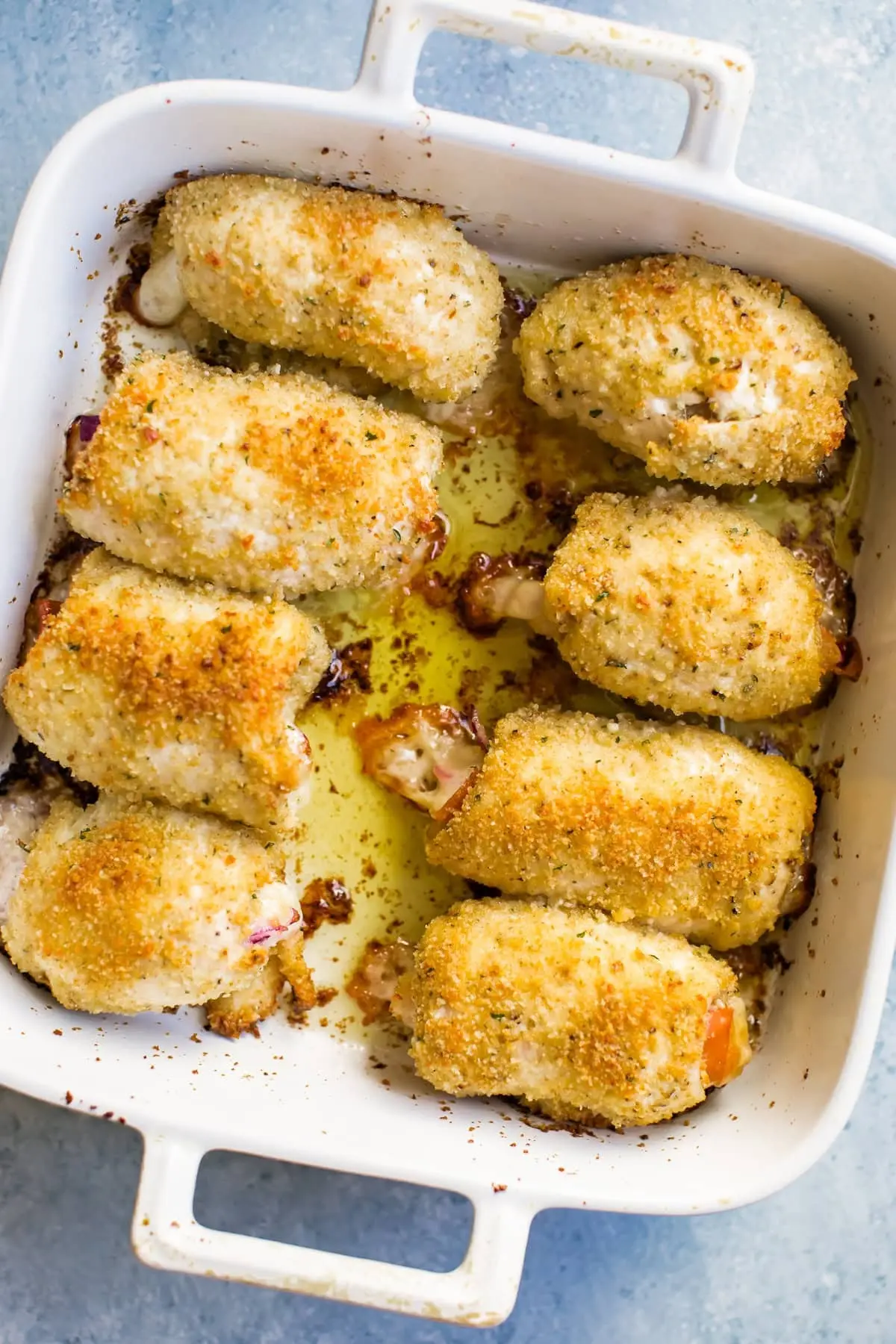
For many home cooks, the recurring challenge of transforming standard chicken breasts into something that feels both innovative and indulgent is a constant pursuit. Over the past decade, a specific culinary technique has gained traction for its ability to turn a mundane protein into an elegant, restaurant-quality meal: Chicken Rollatini. This dish, which features thin cutlets wrapped around a savory filling and finished with a crisp exterior, offers a sophisticated alternative to the typical pan-seared or baked chicken breast. As food enthusiasts continue to seek out recipes that balance ease of preparation with complex flavor profiles, the baked Chicken Rollatini with Prosciutto and Cheese remains a standout example of how simple, high-quality ingredients can redefine a weeknight dinner.
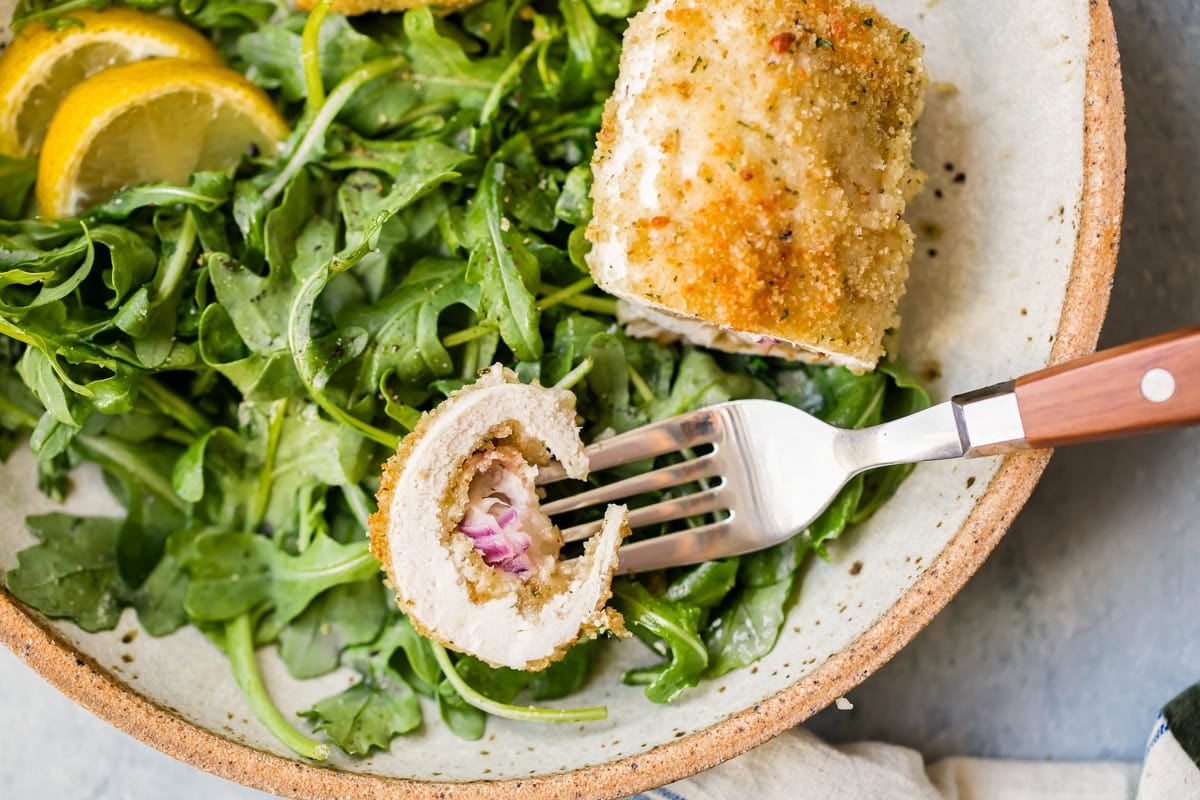
The essence of the dish lies in its construction. By taking thinly sliced chicken breasts and stuffing them with a combination of salty, thin-sliced prosciutto and melted provolone cheese, the cook creates a self-contained flavor package. The inclusion of red onion adds a subtle, sharp aromatic note that cuts through the richness of the cheese, ensuring that each bite is balanced. While traditional preparations might rely on heavy sauces or frying, this modern iteration opts for a lighter, oven-baked finish that maintains the integrity of the meat while ensuring the interior cheese reaches the perfect, gooey consistency.
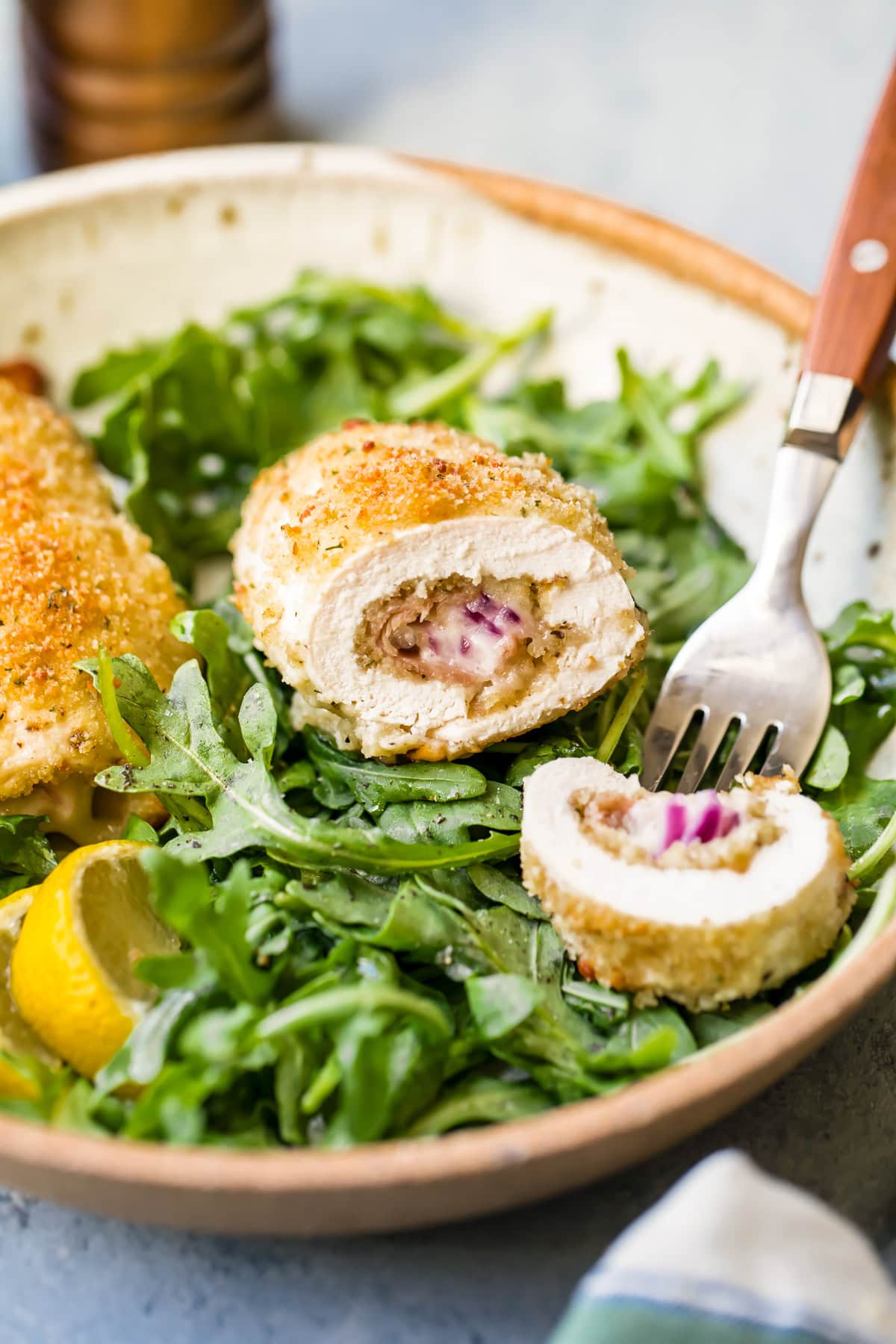
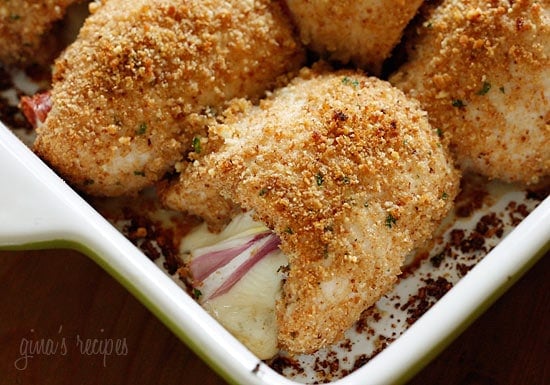
What sets this particular recipe apart—and what has contributed to its longevity since its initial emergence in 2011—is the thoughtful approach to the breading process. Many standard recipes for breaded chicken involve a messy, multi-step station featuring flour, beaten eggs, and breadcrumbs. This version simplifies the process significantly while enhancing the flavor profile. By dipping the chicken in a blend of olive oil and fresh lemon juice rather than an egg wash, the cook achieves two goals simultaneously: the breadcrumbs adhere effectively to the meat, and every bite is infused with a bright, citrusy acidity that elevates the savory notes of the prosciutto and provolone. This technique serves as a testament to the idea that sometimes, the most effective culinary shortcuts are the ones that actually improve the final taste.

Beyond the technical execution, the appeal of Chicken Rollatini is deeply rooted in its versatility and its ability to act as a centerpiece for a variety of side dishes. Because the main course itself is protein-rich and savory, it pairs exceptionally well with lighter, vegetable-forward sides. Culinary experts often recommend serving the dish alongside a crisp arugula salad, which provides a peppery contrast to the melted cheese, or a simple tomato salad that mirrors the Mediterranean influences of the filling. For those looking for a more substantial meal, options like Italian chopped salads, roasted broccoli with garlic, or even sophisticated grain-based sides like risotto primavera or orzo provide a cohesive dining experience that feels special enough for company yet remains accessible for a Tuesday night at home.
The evolution of kitchen technology has also played a role in keeping this dish relevant. While the traditional oven method produces a classic, golden-brown crust, the rise of the air fryer has offered a modern, high-speed alternative for the time-strapped cook. By arranging the rollatini in an air fryer basket and utilizing high-heat convection, the cooking time is reduced without sacrificing the texture of the breadcrumbs. This method highlights the adaptability of the recipe; whether one has forty minutes to dedicate to a slow-baked dinner or needs a quick, high-protein meal prepared in under twenty, the core components remain reliable and delicious.

The nutritional profile of this dish is also a point of interest for many health-conscious diners. Providing a significant source of protein, the rollatini can be easily integrated into a balanced diet. With approximately 49 grams of protein per serving and a careful calibration of fats and carbohydrates, it offers a satisfying meal that avoids the heavy, calorie-dense nature of many traditional Italian-American comfort foods. The ability to control the portions—typically two pieces per serving—allows for flexibility based on individual dietary needs and appetites, further cementing its status as a staple for those who prioritize both nutrition and flavor.
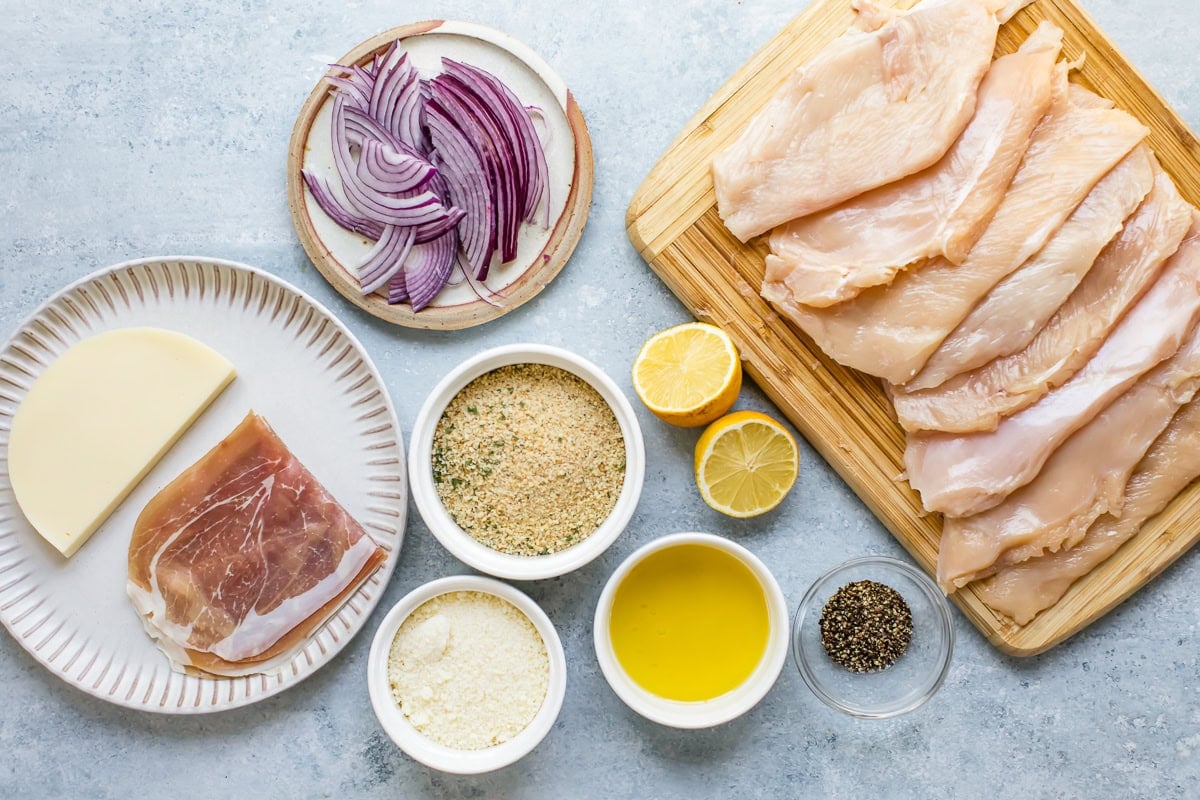
As home cooking continues to evolve, the success of dishes like these reinforces the importance of foundational techniques. By mastering the art of the rollatini, a cook gains a template that can be modified with various fillings—such as spinach, sun-dried tomatoes, or different varieties of cheese—to suit seasonal availability or personal preference. The reliance on the interplay between the lemon-infused olive oil coating and the crisp breadcrumbs provides a consistent, high-quality result that is difficult to replicate with more complex or labor-intensive methods.
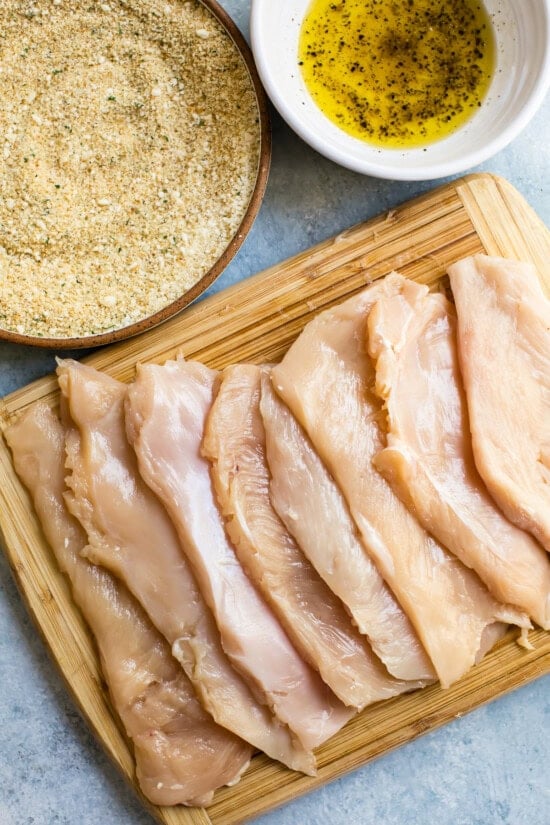
Ultimately, the enduring popularity of this recipe lies in its reliability. It transforms the humble chicken breast into something that feels like an occasion, bridging the gap between everyday convenience and gourmet intent. For those who have grown weary of the standard rotation of chicken recipes, the combination of salty prosciutto, savory melted provolone, and a bright, zesty breadcrumb crust offers a welcome departure from the routine. It is a reminder that even the simplest ingredients, when treated with care and a bit of culinary intuition, can result in a meal that is as satisfying to cook as it is to eat. Whether prepared in a conventional oven to achieve a traditional bake or in an air fryer for a rapid, modern result, the Chicken Rollatini continues to serve as a reliable, delicious solution for the modern home cook. By focusing on quality, simplicity, and flavor, this dish has secured its place as a classic for a reason—it works every time.