
The atmosphere at Secret Mode is undeniably buoyant. Since severing its ties with the Sumo Group—and by extension, the gargantuan publishing reach of Tencent—the UK-based outfit has transitioned from a corporate subsidiary into a nimble, independent publisher that is currently hitting its stride.
Speaking with GamesIndustry.biz at Gamescom, Chief Publishing Officer James Schall reflects on a period of "phenomenal growth" over the last 18 months. When the company first mapped out its post-Sumo trajectory, the leadership team drafted a business plan intended to carry them through to 2030. According to Schall, the team "smashed it within about four months," a testament to the rapid acceleration the studio has experienced since gaining its independence.
The separation, bolstered by investment from Emona Capital, proved to be a surprisingly smooth transition. Schall notes that the process was remarkably efficient, describing the extrication from Sumo as a positive experience for all parties involved. From the perspective of Tencent, the move was a strategic pruning. As the Chinese tech giant consolidated its massive portfolio following its acquisition of Sumo in 2022, it became clear that maintaining 18 different internal publishers was redundant. As Schall points out, "They didn’t need 18 different publishers, right?" This aligns with broader shifts in Tencent’s internal strategy, where the company has been rigorously evaluating which assets align with its long-term goals of focusing on live-service evolution, AI integration, and the cultivation of "evergreen" titles.
A Two-Pillar Strategy
Now operating as a standalone entity, Secret Mode is defined by the vision of Schall and CEO Ed Blincoe. Their strategy rests on two distinct pillars: supporting "pure indie" projects and managing higher-budget, marquee titles like the upcoming Star Wars: Galactic Racer. The goal is to focus heavily on quality, which the leadership team views as the only viable shield against the increasing volatility of the modern gaming market.
In an era where discoverability is arguably the most significant hurdle for any developer, the margin for error has evaporated. Schall is candid about the current state of the industry, noting that "it’s almost impossible to sell a mediocre game." Even titles that are considered "very, very good" struggle to gain traction in a saturated landscape. There is no longer a guaranteed playbook for success; instead, the publisher focuses on making informed decisions to maximize their chances of "making themselves lucky."
The Rise of Caretaker Development
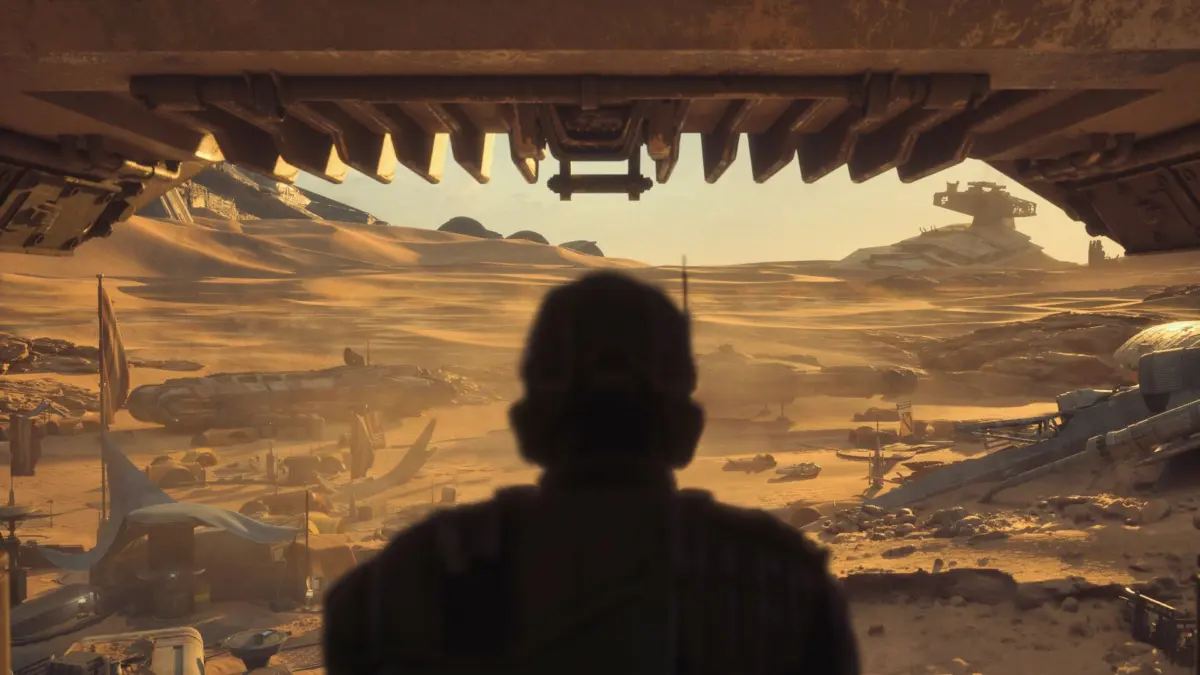
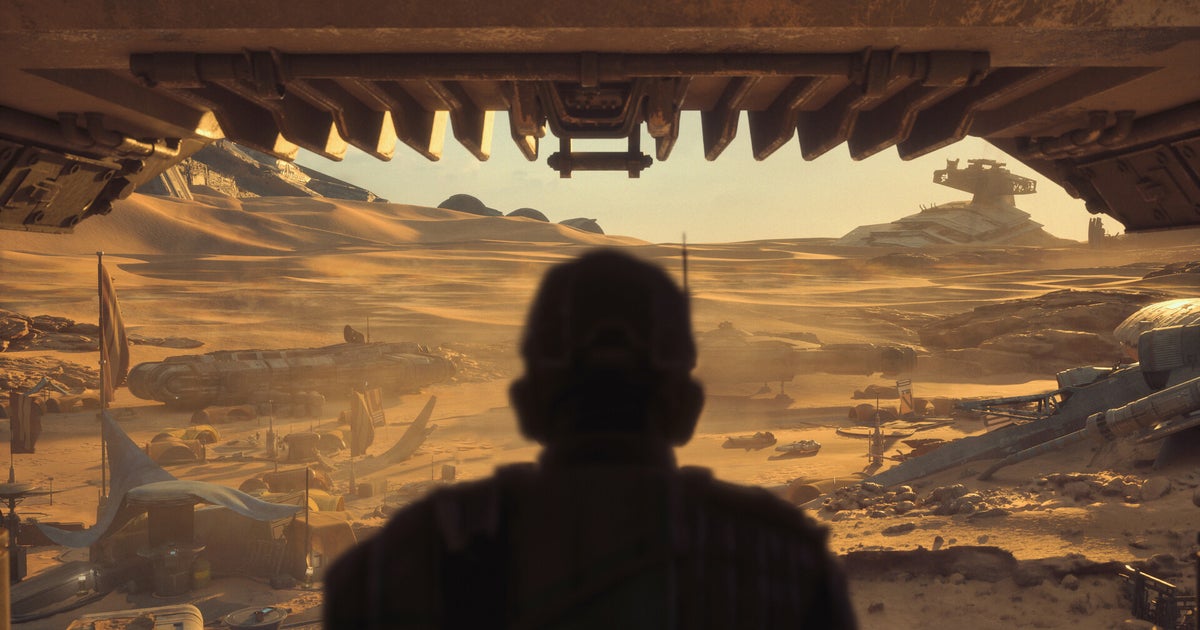
One of the ways Secret Mode is mitigating risk is by focusing on games that have already demonstrated potential but require a more focused hand to reach their peak. A prime example is Star Wars: Galactic Racer, slated for release on October 6. The title has generated "phenomenal" wishlists, and the team’s confidence is palpable.

Blincoe notes that the game was exceptional when they first played it over a year ago, and it has only improved since. The project, developed by the new UK studio Fuse Games, was signed by Secret Mode last September. The publisher played a critical role in securing the necessary funding from Emona Capital, turning a promising concept into a flagship release.
However, the publisher’s portfolio is not limited to traditional high-budget development. Secret Mode has also leaned into what is becoming known as "caretaker development," exemplified by their involvement with titles like Fancy Games’ Escape the Backrooms and Anegar Games’ Chained Together. These games belong to a genre often jokingly referred to as "friendslop"—co-op experiences designed for an audience that grew up during the pandemic, comfortable with the social, Twitch-centric nature of modern gaming.
Schall identifies these games as vital, sustainable assets. "They grew up during COVID, they’re used to interacting on Twitch, and that’s where they’re hanging out with their mates," he explains. Rather than treating these games as fleeting, viral hits that might burn out in a month, Secret Mode intends to iterate on them, keeping the community engaged and ensuring the title remains a "home" for players.

To facilitate this, Secret Mode has begun integrating development duties into its operations. By partnering with external studios like Blackbird Interactive to support Escape the Backrooms and establishing their own internal development studio in Sheffield, the publisher is ensuring it has the capacity to continuously update its games. As Blincoe observes, these titles are not just projects; they are self-sustaining ecosystems. Both Escape the Backrooms and Chained Together sell a consistent number of units every month, effectively paying for their own ongoing development.
This "caretaker" model is gaining traction across the industry. It mirrors the approach of studios like Evil Empire, which has taken over live-ops for the hit game Brotato. For original developers, this model offers a path to move on to new creative ventures without abandoning a successful title that still has a demanding community. Secret Mode has historical experience here as well, having previously helped navigate the development of Wobbledogs. When the game’s creator, Tom Astle, felt "stuck" in Early Access, Secret Mode stepped in to handle the publishing, providing Astle the creative freedom to pivot to new ideas while the game reached its potential.
Playing the Long Tail
Secret Mode’s philosophy is deeply rooted in the concept of the "long tail." Drawing on his 13-year tenure at Sega, Schall understands that games rarely need to peak on launch day to be considered successful. Many of the most profitable titles in the industry are those that grow their audience steadily over months or years, often moving from Early Access to a full release once they have found their footing.

Discoverability remains the industry’s "white whale." Schall admits that the reliance on algorithms—which often serve users more of what they have already seen—is a source of constant concern. "Discoverability is one of the biggest challenges this industry faces," he says. "Because everything is [based on an] algorithm, and the algorithm will tell you you want the same thing as everybody else, ultimately. How do we break that? I would say that’s one of the things that keeps me up at night."
Embracing the New Wave
The traditional marketing cycle—press previews, a massive launch window, and an immediate move to the next title—is increasingly becoming a relic of the past. Schall observes that young developers, often working on platforms like Roblox or Itch, are bypassing the traditional publishing industry entirely, reaching millions of players without ever needing a business plan or a massive marketing budget.
This shift has changed how Secret Mode views potential talent. The company is actively looking for "young, new, disruptive" games, recognizing that the long-standing industry obsession with photorealistic fidelity is waning. As the graphical bar for "good enough" has been reached, players are pivoting back toward distinct visual identities and, above all, fun. "I think as an industry we can learn a lot about that by finding our way to the fun first," says Schall.

Whether the game is a visually ambitious title like Star Wars: Galactic Racer or a quirky, experimental project like Everything is Crab, Secret Mode’s commitment to quality remains the primary filter. They are not turning down projects based on scale, but rather evaluating whether the numbers work and if the project fits their stable of titles.
As for what lies ahead, the leadership team is measured. "We’ve got some more announcements coming up over the next few months to next year," says Blincoe. "Let’s not run before we can walk. Let’s get to the other side of Star Wars, and then we’ll make a call on how we move everything forward for the company from there." For now, the focus is on stability, supporting their current partners, and proving that their new, independent model can weather the storms of an unpredictable industry.