
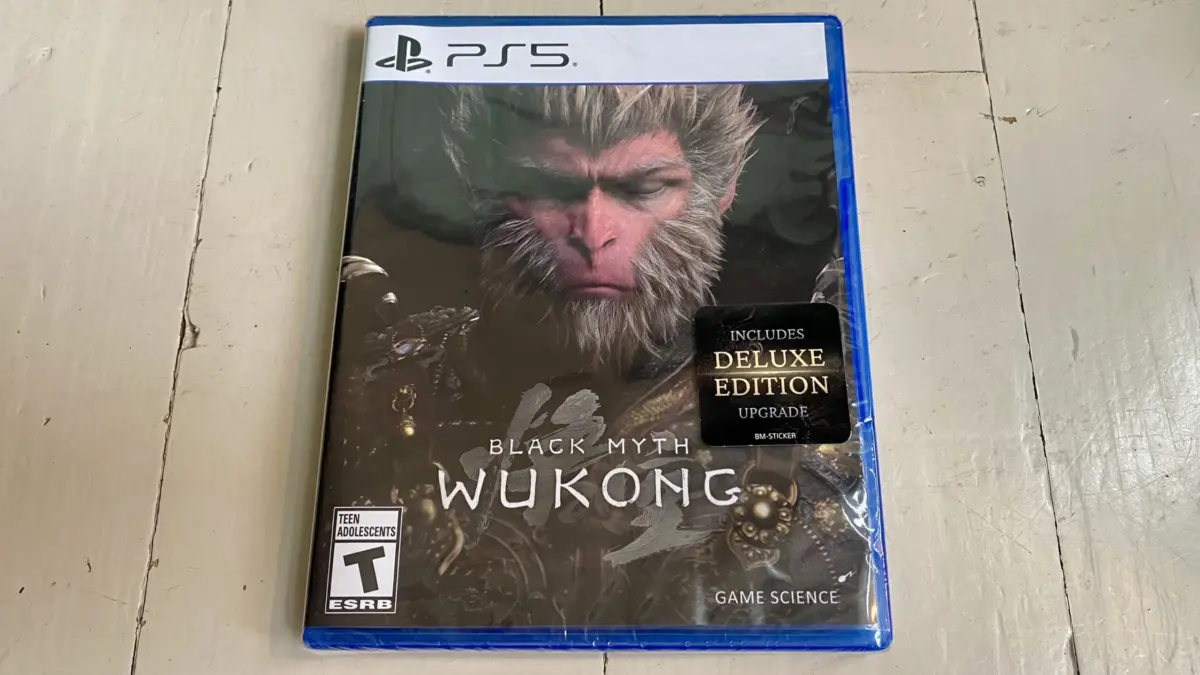
For two decades, Las Vegas-based PM Studios has operated as a linchpin in the physical publishing ecosystem. From its humble beginnings—when it introduced the Korean rhythm-action series DJMax to North American audiences—to its current role as a high-volume publishing partner, the company has built its reputation on the tangible. In an industry increasingly obsessed with digital storefronts and cloud-based distribution, PM Studios has carved out a sustainable, high-growth business by physically manufacturing and distributing discs and cartridges for a wide array of titles.
CEO Michael Yum describes the scale of this operation with a matter-of-fact confidence that underscores the publisher’s influence. "I’d say we have about a hundred or more games that we back up on the physical side on a yearly basis," Yum explains, noting that PM Studios often acts as the primary physical fulfillment arm for various third-party developers. "When you sign one of those partners, you are looking at perhaps ten games a year from just that single relationship alone."
This logistical prowess has allowed PM Studios to serve as a vital bridge between international developers and Western retail shelves. Reflecting on his career, Yum notes that his entry into the industry was motivated by a desire to provide a platform for peers. "I had a lot of friends in Korea who couldn’t release their games internationally," Yum says. "So, I started bringing games from Korea and China over to America and Europe."
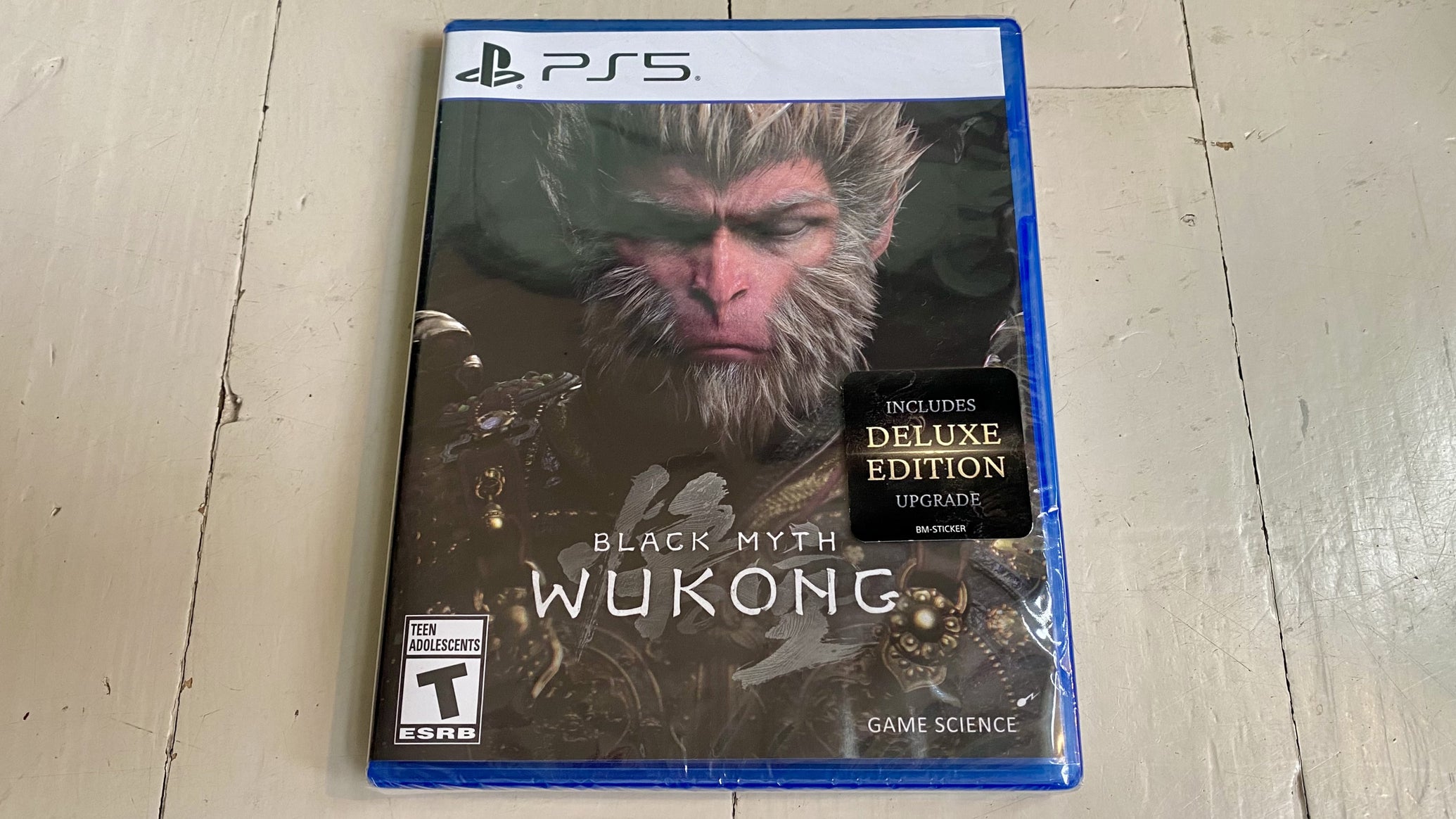
One of those bridges resulted in one of the most significant successes in the company’s history: the global phenomenon Black Myth: Wukong. Taking on the physical publishing duties for the title was, by Yum’s admission, a daunting prospect. "I regarded it as one of our biggest risks," he recalls. "I didn’t know it was going to be that big. When it took off, it was quite an experience. I’ve never seen anything like that." The title proved so transformative for the company’s bottom line that Yum notes the project effectively "covered everything else" in their portfolio for the year, underscoring the massive, sometimes unpredictable power of a singular, high-quality hit.
An Industry at a Crossroads: The Impending End of the Physical Era
Despite the record-breaking success of titles like Black Myth: Wukong, the horizon for physical publishing is darkening. The industry was recently rattled by Sony’s announcement that it intends to discontinue physical disc production for new PlayStation games starting in January 2028. For a company built on the foundation of physical media, this represents a structural shift that cannot be ignored.
Yum describes the news as "sad and devastating," noting his own deep connection to the format. "My first games were on PlayStation, and I’m primarily a PlayStation player, so obviously I play a lot of physical games on PlayStation," he says. However, he maintains a pragmatic view of the generational divide. He acknowledges that the market is shifting toward a digital-native audience, observing that his own young children often find the concept of a physical disc antiquated, frequently becoming confused by the process of inserting one into a console.

Yet, PM Studios has no intention of abandoning its identity. Even as the industry prepares for a post-disc future, Yum remains committed to supporting physical media, albeit through an evolving strategy. "We are looking for new ways to bring the games out," he says. "It’s unfortunate, but eventually it will have to probably be a code in a box. We want to emphasize the collectibility of the IPs and fan service, so we’ll probably make very nice premium stuff and bundle it together, and figure out unique ways to support it."
There is evidence to suggest that this strategy still holds water. While digital sales dominate global revenue, certain demographics remain fiercely loyal to physical formats. PM Studios’ experience with the children’s title Bluey’s Quest For The Gold Pen serves as a case study: approximately 80% of that game’s total sales were physical, indicating that the format retains significant utility for younger players and families.
Furthermore, the "collector’s market" remains a powerful force. Yum points to the success of physical versions of indie titles like Animal Well as proof that players still value owning their games. "I did the mass retail version with Lost in Cult, and it did extremely well," he notes, even though limited-edition versions of the title had already been circulated elsewhere. "The fans come back to support the physical version. The collectors are buying stuff."

Beyond nostalgia or collecting, Yum highlights the economic reality for families. "I have twins, so I have a unique case where I don’t want to buy two digital copies of the game," he explains. "So I buy one, and they learn to share it and let their friends borrow it." This utility, he argues, is a major reason why players are vocal about the loss of physical media. Ultimately, he believes the industry-wide outcry is less about the technology itself and more about the loss of agency. "People are very upset because you’re taking away a choice."
Embracing the AA Opportunity and the Rise of Chinese Development
As the physical market faces its sunset, PM Studios is diversifying its business model, moving deeper into full-scale publishing and focusing on the burgeoning AA (mid-budget) sector. "That’s why you see us doing a lot more digital titles," Yum explains. The firm is currently managing the physical release for AdHoc Studio’s Dispatch while simultaneously taking on full publishing duties for titles like My Time at Evershine.
Perhaps most notably, PM Studios has stepped in to help revive the long-troubled The Wolf Among Us 2 from Telltale Games. After meeting with the Telltale leadership and recognizing the development hurdles the project faced, Yum saw an opportunity to intervene. "The biggest part was funding," he says. "I told them that I can help invest and fund this game, and I could bring in my marketing team and production team operations to help finish the game in a timely manner." This move signals a shift for PM Studios, which is now aiming to take on larger, more ambitious projects.

Yum is particularly bullish on the AA market, noting that while the sheer volume of digital storefront content makes it difficult for smaller games to stand out, players are increasingly gravitating toward the high-fidelity experiences offered by AA studios. "People are a little bit more excited for AA games thanks to the quality of the graphics," he observes.
This search for quality has led Yum to keep a close watch on the Chinese development scene. He describes the current output from Chinese studios as "incredible," citing their speed, hunger, and technical proficiency. "They are setting the bar now," he asserts. "They’re making games way faster than everyone else, way cheaper than everyone else. So if the rest of the world doesn’t keep up with them, they’re going to take over."
While PM Studios is casting a wide net, Yum remains a firm advocate for the indie scene, promising that the company will continue to be a "big champion" for independent developers. The goal is to balance the risks of larger, more expensive AA projects with a portfolio of diverse, supported indie titles. To mitigate risk, he emphasizes a cautious approach: "We will make sure that it has something to it, like either an IP attached, or it’s a sequel to something, or the developer was very credible, or the wishlists were there."

Looking forward, PM Studios is also investing in community infrastructure. The recent launch of Panax—a platform designed to connect collectors of games and merchandise—is a testament to the company’s desire to maintain a physical-centric community. "We’ve been developing it for years now," Yum says, noting that the platform’s trophy-tracking features have already begun to generate significant interest. As the industry continues its migration toward a digital-first future, PM Studios is positioning itself as a keeper of the flame, ensuring that even if the medium changes, the culture of ownership, collection, and community remains intact.