
Car culture is inherently nostalgic. Enthusiasts often find themselves wishing that manufacturing lines could be frozen in time, continuing to churn out beloved models at affordable prices with endless supplies of spare parts waiting on dealership shelves. While that kind of automotive utopia remains purely in the realm of fantasy, the cars themselves live on in the collective imagination of drivers worldwide.
Recently, automotive enthusiasts stepped forward to debate and define what they consider to be the absolute peak eras for their favorite car companies. Because automotive excellence is entirely subjective, the resulting discussion spanned multiple decades, from the roaring power of the 1960s to the technological revolutions of the modern era. Contributors pointed to triumphs from manufacturers headquartered across Asia, Europe, and North America, with several brands earning multiple mentions for different periods of corporate and engineering brilliance.
Here is a closer look at the halcyon days of some of the world’s most celebrated car manufacturers, as told through the eyes of the enthusiasts who lived them, drove them, and continue to cherish them.
Mazda in the mid-to-late 1990s
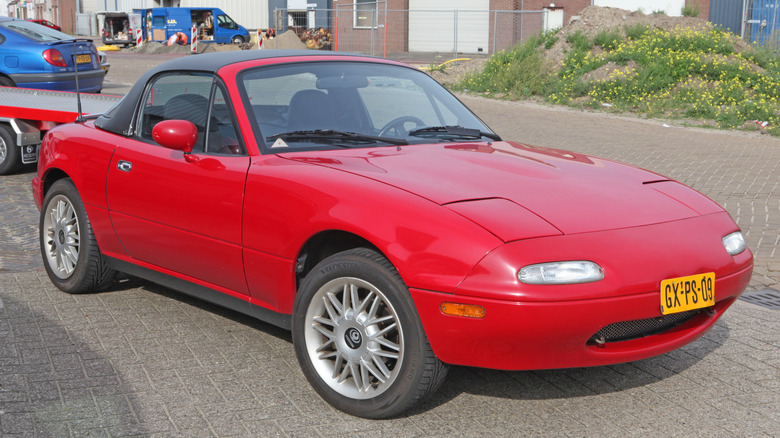
For Mazda enthusiasts, the closing years of the 20th century represent a magical convergence of corporate partnership, design bravery, and driving passion. During what many remember as the "Passion for the Road" and "Zoom-Zoom" eras, the Japanese manufacturer benefited from financial backing and technical collaboration with Ford, a relationship that seemingly pushed both companies to elevate their engineering standards.
Readers highlighted this period as a high-water mark largely because of Mazda’s impressive sports car portfolio. At the time, showrooms featured a remarkable array of performance-oriented machinery, including the legendary rotary-powered RX-7, the universally adored MX-5 Miata, the sleek MX-6, and the nimble MX-3. It was an era when an automaker could offer multiple distinct expressions of driving enjoyment under a single mainstream brand, cementing Mazda’s reputation for building engaging, driver-focused vehicles.
Ford in the late 1960s
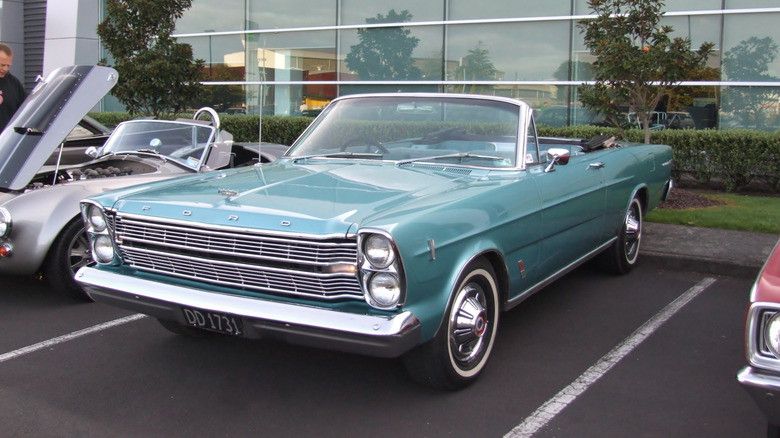
Shifting back a few decades to the domestic front, traditionalists pointed to the late 1960s as the definitive golden age for the Ford Motor Company. This was a period dominated by raw American muscle, aggressive styling, and mechanical simplicity that modern gearheads still romanticize.
During these years, the Ford Mustang captured the hearts of a generation, while larger offerings like the Ford Galaxie and the muscular Torino gained deep admiration from performance enthusiasts. Beyond the sheet metal, the late 1960s represented the undisputed golden era of the pushrod, carbureted V8 engine—an era defined by throaty exhaust notes, straightforward maintenance, and mechanical tuneability that predated the arrival of complex computer controls and stringent emissions regulations.
Lexus from the 1990s through the 2000s
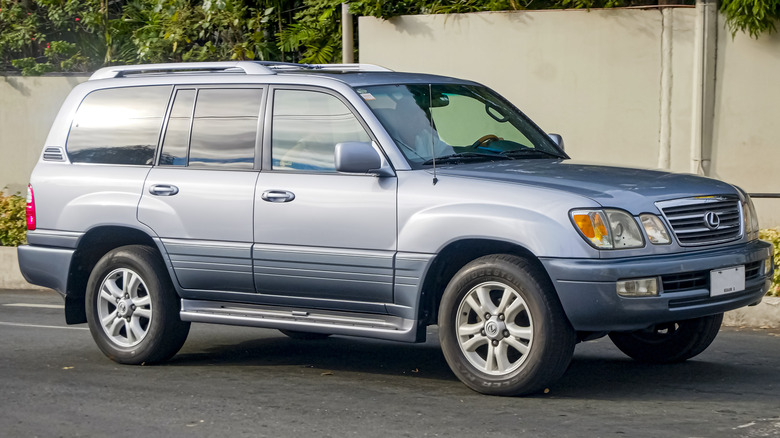
When Toyota launched its luxury division, Lexus, it quickly set a new global benchmark for build quality and refinement. According to community consensus, the brand’s peak era spanned from 1991 through 2009, after which some critics argue the marque began to lose its distinct design and engineering identity.
Enthusiasts pointed to specific model success stories to anchor this timeline. The LS430 is widely regarded as a superior machine compared to its successor, the LS460. Similarly, the LX470 and GX470 SUVs are celebrated as the brand’s ultimate utility vehicles, carrying genuine Land Cruiser and Prado capability and ruggedness that later iterations arguably softened. Purists also lamented the stylistic transition from the elegant SC400 coupe to the controversial SC430, while mourning the evolution of the LS sedan from a peerless, Japanese interpretation of a ultra-luxury cruiser into a stiffer, noisier, and less clearly defined flagship.
Volkswagen from the late 1990s through the early 2000s
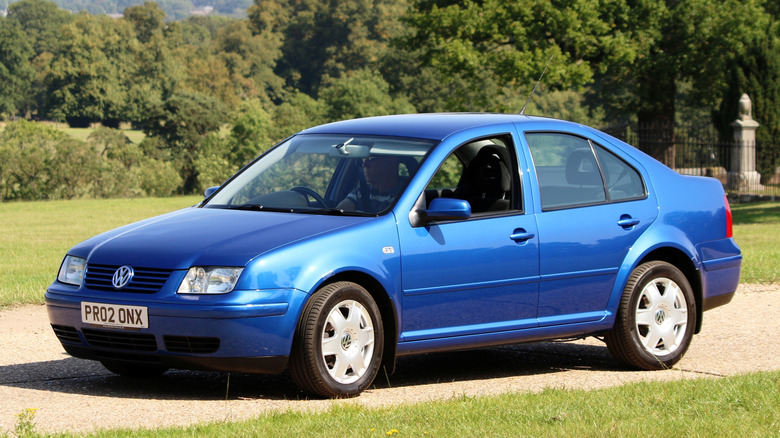
Volkswagen’s fortunes have risen and fallen through various design philosophies, but the transition from the late 1990s to the early 2000s stands out as an engineering high-water mark for the German brand. This era yielded some of VW’s most memorable and mechanically daring vehicles.
Commenters highlighted the MK4 Jetta as arguably the best iteration of the compact sedan, alongside cult favorites like the R32. This was also an era of bold, sometimes financially reckless ambition for the automaker, resulting in engineering marvels such as the W8-powered Passat, the ultra-luxury Phaeton flagship, and the Touareg equipped with a massive V10 TDI diesel engine. While many of these complex machines proved financially out of reach for average buyers—and notoriously expensive to maintain—they remain celebrated as monuments to uncompromised automotive engineering.
Tesla in the 2010s
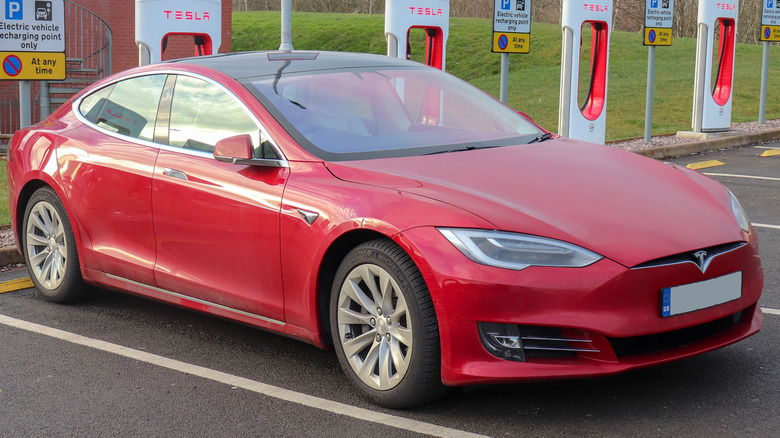
While acknowledging that brand loyalties can shift dramatically over time, one contributor offered a provocative look at Tesla’s meteoric rise during the 2010s. Between 2013 and 2020, the Silicon Valley-born manufacturer fundamentally disrupted the global automotive landscape, proving not only that electric vehicles could be functional, but that they could be intensely desirable.
During this window, Tesla exhibited rapid iteration, pushing software updates to vehicles already on the road and building out a proprietary charging infrastructure at considerable financial loss. The Model S was praised for its timeless aesthetic appeal, standing shoulder-to-shoulder with iconic grand tourers in terms of universal design acclaim. Later, the introduction of the Model 3 and Model Y transitioned Tesla from an aspirational luxury brand into a mainstream provider for middle-class families, arriving right as changing economic conditions and fuel market shifts amplified the appeal of electric mobility.
Acura in the early 1990s
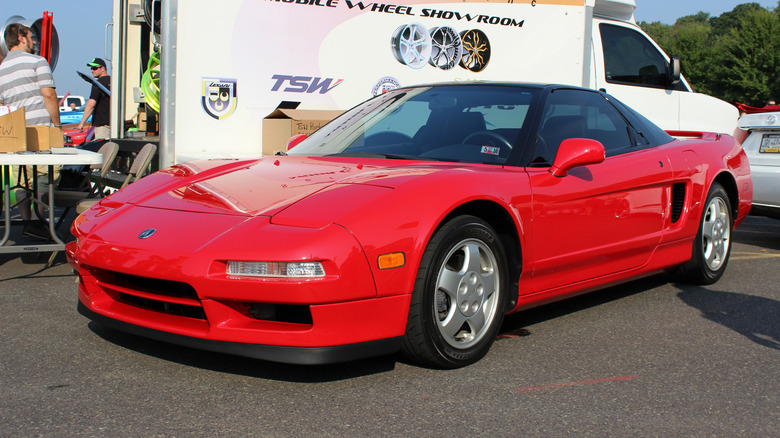
Honda’s luxury and performance division, Acura, made a profound splash shortly after its inception, with enthusiasts pointing to the early 1990s as its absolute golden hour. With a streamlined lineup consisting of just three core models—the Integra, the Legend, and the NSX—Acura managed to field vehicles that were arguably the very best in their respective classes.
The NSX, in particular, shattered supercar conventions by combining exotic performance with everyday usability and legendary reliability, while the Integra and Legend provided accessible sophistication and driving dynamics that embarrassed more established European competitors.
Alfa Romeo from the 1950s through the 1970s
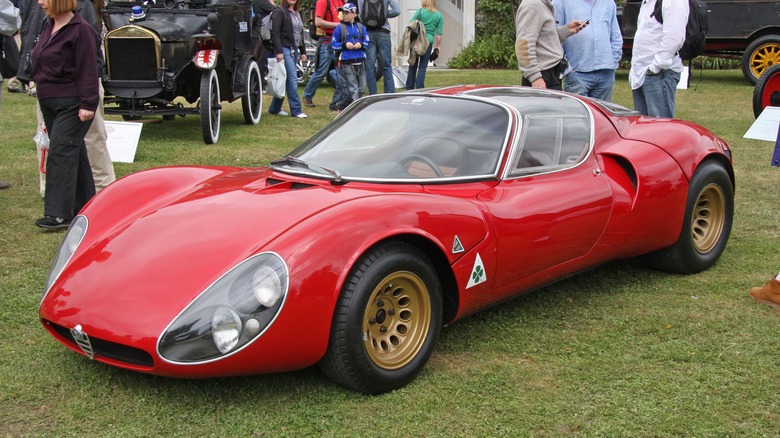
For Italian car lovers, the mid-20th century represents an artistic and mechanical pinnacle for Alfa Romeo. Spanning from the 1950s through the 1970s, this era produced some of the most emotionally stirring and aesthetically breathtaking automobiles ever to grace a public highway or a racetrack.
Enthusiasts routinely point to mechanical masterpieces and rolling sculptures such as the Alfa Montreal, the 2000 GT, the classic Spider, the rare Disco Volante, the Giulia TZ2, and the breathtaking Tipo 33 Stradale. These vehicles combined high-revving engine architecture with coachbuilt Italian styling, creating a legacy of passion that continues to define the brand’s identity today.
Volkswagen in the early 1980s
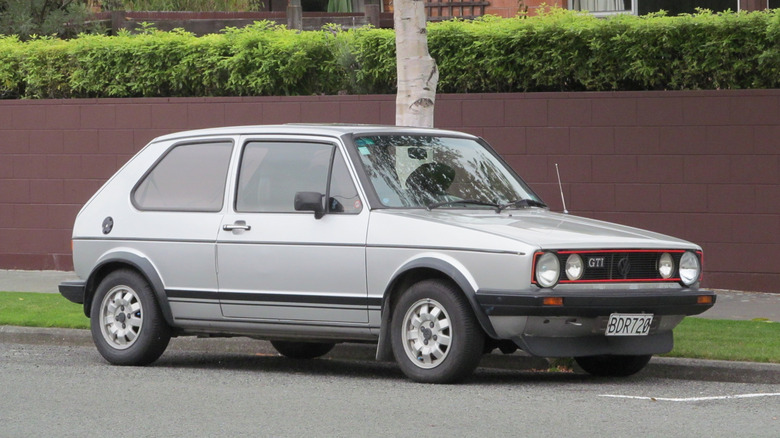
Revisiting Volkswagen through a different lens, another enthusiast championed the early 1980s as the golden age of European automotive minimalism and agility. This was a time when lightness was heavily in vogue across European manufacturing.
Highlighting a personal experience with an early 1980s Golf GTi—a car boasting a modest displacement engine and 110 horsepower paired with a featherlight curb weight—commenters noted the incredible power-to-weight ratios that defined the hot hatch segment’s infancy. In an era before modern safety regulations added substantial mass to passenger vehicles, these nimble hatchbacks offered a raw, unfiltered driving experience that prioritized cornering agility over heavy luxury appointments, prompting some to question whether modern weight gains truly represent progress.
Saab from the mid-1980s through the 1990s
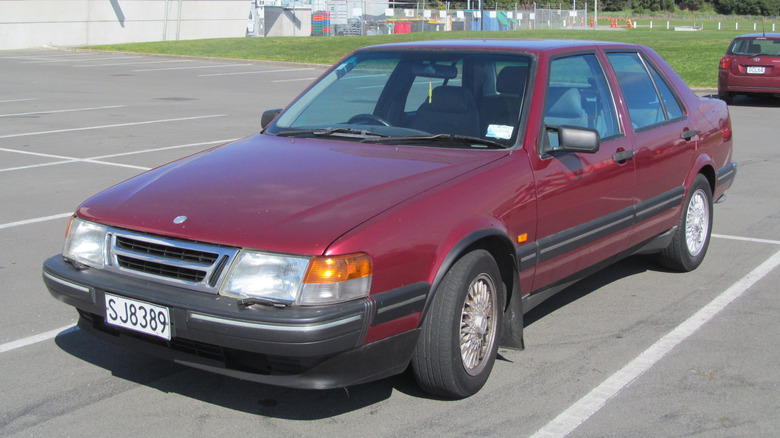
The distinct, aviation-inspired quirkiness of Saab found its strongest footing between 1984 and 1998. This period encompassed the introduction and golden years of the executive 9000 and the iconic 900 SPG, creating an elite pairing of turbocharged performance and Scandinavian design ethos.
Even as corporate changes loomed, the enduring quality of the classic 900 and 9000 architectures sustained the brand’s devoted following well into the late 1990s and early 2000s. For loyalists, this era represented the purest expression of Saab’s engineering independence before corporate consolidation altered its trajectory.
Ford in the mid-to-late 1980s
Closing out the discussion, another faction of Ford enthusiasts championed the company’s "aero" design period of the mid-to-late 1980s. Emerging as a radical departure from the boxy, baroque styling of the early decade—perhaps spurred by the commercial struggles of the 1980-1982 Thunderbird—Ford overhauled its passenger car lineup to embrace sweeping aerodynamic contours.
This movement kicked off with the streamlined 1983 Thunderbird and continued through the introduction of the groundbreaking Ford Taurus and Mercury Sable, culminating in advanced passenger cars like the Lincoln Mark VIII. Featuring enthusiast-focused variants like the Thunderbird Super Coupe, this era proved that American manufacturers could successfully reinvent mass-market automotive styling and capture the public imagination through forward-thinking design.