
PARIS — France has announced it will formally summon Iran’s ambassador to Paris and enact a series of appropriate retaliatory measures following a decision by Iranian authorities to shutter a prominent French-language institution linked to the French embassy in Tehran. The move marks a dramatic escalation in diplomatic tensions between the two nations, which have been severely strained by a succession of geopolitical disagreements, detentions, and security disputes in recent months.
The confrontation intensified over the weekend after the Iranian judiciary announced the immediate closure of the French Language Centre (CLF). Iranian authorities claimed the long-standing facility had engaged in illicit activities that directly violated international diplomatic conventions.
Reacting swiftly to the closure, French Foreign Ministry spokesperson Pascal Confavreux issued a sharp condemnation of the Iranian action. In a statement released on Sunday, Confavreux characterized the shutdown as an unjustified blow to French cultural diplomacy and public presence within the Islamic Republic.
“This new attack against France’s cultural presence in Iran, following the assault on two staff members of the French embassy last July, is unjustifiable and unacceptable,” Confavreux stated.
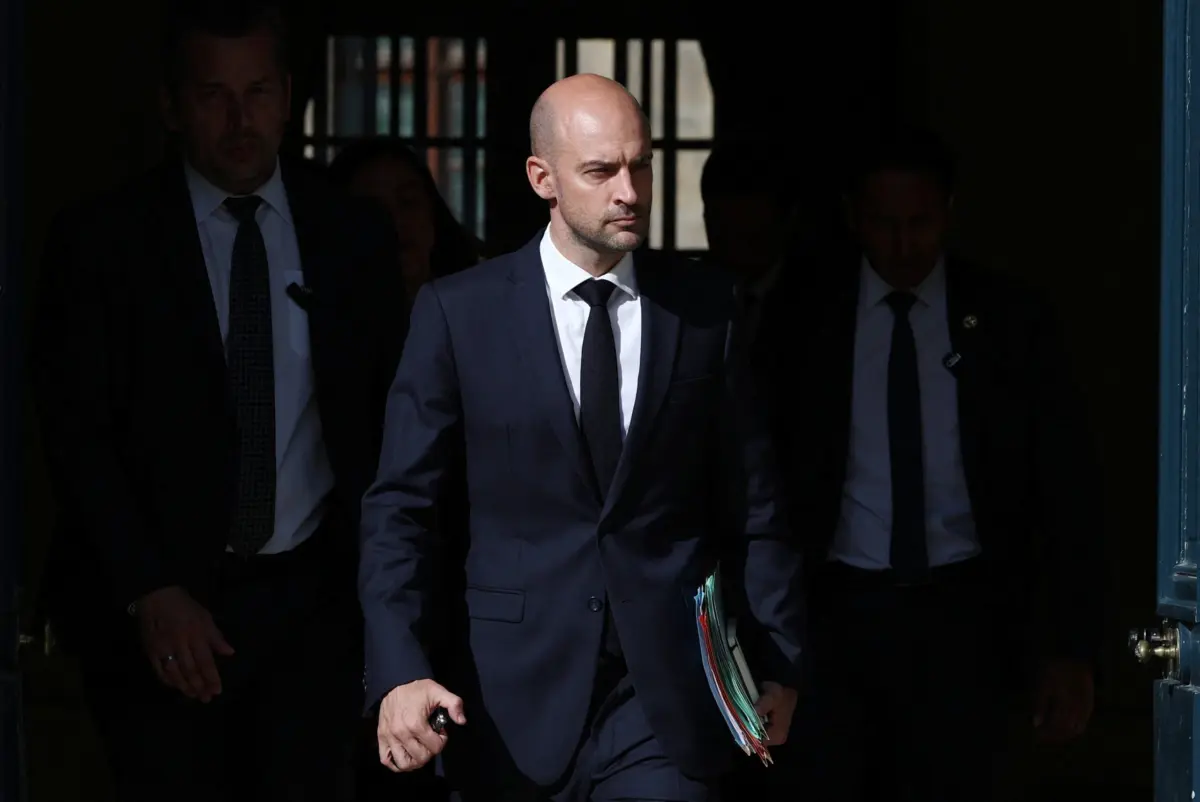
French Foreign Minister Jean-Noel Barrot subsequently ordered the immediate summoning of the Iranian ambassador to the French Foreign Ministry in Paris. French officials indicated that the government is preparing to take decisive and appropriate measures in response to the closure, though precise details regarding the nature of those diplomatic or economic steps have yet to be officially finalized or made public.
The Iranian government, meanwhile, defended its decision to shut down the cultural institute, maintaining that the facility had operated outside the bounds of its authorized mandate. According to a report published by Mizan, the official news website of the Iranian judiciary, the action was carried out under the direct directives of the Tehran prosecutor’s office.
Mizan explicitly targeted the French Language Centre, asserting that the establishment had abused its official status as a language training facility. The judiciary’s publication alleged that under the guise of providing educational instruction, the institution functioned as an illegal center affiliated with the French embassy.
Furthermore, the Iranian judiciary levied serious accusations against the institute, claiming that its personnel and operations sought to identify and build covert networks among the country’s elite figures. The statement from Mizan went as far as accusing the centre of actively facilitating the departure of these elite individuals from Iran, framing the institution’s activities as a breach of national security and sovereignty.
The sudden closure of the language centre is merely the latest flashpoint in a deteriorating bilateral relationship that has experienced continuous turbulence. Relations between Tehran and Paris have grown increasingly frosty over recent months, fueled by overlapping diplomatic crises, regional security issues, and disputes involving foreign interference.
The underlying diplomatic friction has frequently spilled over into direct confrontations involving diplomatic personnel and institutional infrastructure. Earlier instances of hostility have left deep scars on the diplomatic channels connecting the two capitals.
In a notable precedent last July, two staff members associated with the French embassy in Tehran were subjected to an assault, an incident that Paris viewed as a severe security failure and an intimidation tactic. The attack drew sharp protests from the French government at the time, establishing a tense backdrop for subsequent diplomatic engagements.
Tensions escalated further in August when the Iranian Intelligence Ministry announced a high-profile security operation. During that operation, Iranian authorities detained two French diplomats, accusing them of engaging in foreign interference under the cover of a national security investigation. Although those individuals were eventually handed back over to the French ambassador rather than facing prolonged detention or formal trial, the episode exacerbated mutual distrust and underscored the precarious environment in which foreign diplomats and cultural institutions operate within Iran.
The ongoing friction also occurs against a wider backdrop of international diplomatic realignments and regional conflicts, keeping lines of communication between Western powers and Tehran perpetually fraught. As France prepares to deliver its formal protest through the summoning of the Iranian ambassador, analysts note that the diplomatic fallout from the closure of the cultural centre could lead to further retaliatory measures from Paris and deepen the diplomatic isolation between the two countries.
For decades, cultural institutions such as the French Language Centre have served as vital bridges for academic, linguistic, and cultural exchange between France and the Iranian public. The abrupt dismantling of this particular hub not only signals a severe contraction of Western soft power and cultural diplomacy within the country but also points toward an increasingly restrictive domestic environment for foreign-affiliated entities operating inside Tehran.
As the diplomatic crisis unfolds, both governments are bracing for further exchanges. The French Foreign Ministry remains firm in its stance that the actions taken by Tehran are entirely unwarranted, while Iranian judicial and intelligence authorities continue to maintain that their domestic security measures are necessary to curb illicit foreign networks operating under diplomatic cover.