
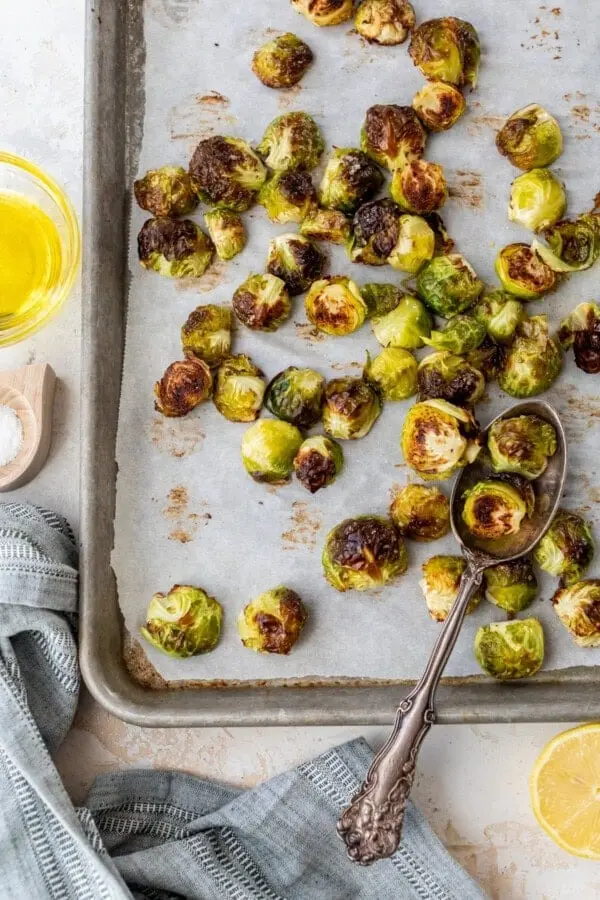
As the calendar turns toward the cooler months of autumn and winter, home kitchens across the country inevitably pivot toward the comfort of seasonal produce. Among the most versatile and celebrated vegetables during this time is the Brussels sprout, a cruciferous staple that has transcended its reputation as a childhood dinner-table challenge to become a sophisticated centerpiece of the modern seasonal plate. For those looking to master this vegetable, the key lies not in complex culinary techniques, but in a refined, reliable method that emphasizes texture and deep, natural flavor development.

At the heart of a perfect roasted Brussels sprout is the interplay between a deeply charred, caramelized exterior and a soft, tender interior. Achieving this balance is a straightforward process that relies on the basic principles of heat management and preparation. By halving the sprouts and roasting them cut-side down on a preheated or high-heat sheet pan, home cooks can maximize the surface area in contact with the pan, facilitating a Maillard reaction—the chemical process that creates those desirable brown, nutty edges that define a well-executed roast.

The simplicity of this method serves as an ideal canvas for culinary creativity. While a standard preparation requires only the sprouts themselves, high-quality olive oil, salt, and black pepper, the vegetable acts as a neutral base that readily absorbs a wide variety of secondary flavors. From the bright, acidic lift of freshly squeezed lemon paired with the salty depth of aged Parmesan, to the complex, syrupy sweetness of a balsamic glaze, the potential for customization is vast. For those seeking a richer, more savory profile, the addition of cured proteins such as bacon or pancetta during the roasting process can introduce a smoky, rendered fat that complements the natural bitterness of the sprouts.

Beyond their standalone appeal, these roasted vegetables serve as a foundational side dish for a wide array of proteins. Their earthy profile makes them a natural pairing for everything from lean, simple chicken breasts and whole roasted poultry to more decadent options like a perfectly seared filet mignon. The ability to integrate such a consistent side dish into various meal plans—ranging from casual weeknight dinners to more structured holiday menus—is what has cemented its status as a seasonal kitchen staple.

The methodology behind this success is rooted in accessibility. One of the most common misconceptions regarding Brussels sprouts is that they require labor-intensive preparation, such as blanching or boiling, to remove perceived bitterness. However, modern culinary techniques demonstrate that raw, properly trimmed, and halved sprouts yield superior results when roasted directly. This approach preserves the structural integrity of the leaves and ensures that the sprouts do not become waterlogged or mushy, maintaining a pleasant bite that is essential to the dish’s overall appeal.

When selecting and preparing the sprouts, consistency in size is a helpful, if not strictly necessary, factor for even cooking. Trimming the stem end and removing any loose or discolored outer leaves ensures that every sprout reaches the same level of caramelization at the same time. The visual cue for completion is unmistakable: the outer leaves should be deeply browned and slightly crisped, while the core should offer no resistance when pierced with a fork.

The versatility of the Brussels sprout extends into the realm of dietary preferences, as this basic roasting method is naturally vegetarian, low in carbohydrates, and compatible with a wide range of nutritional frameworks. For those monitoring their intake, the nutrient-dense profile of the sprout—rich in fiber and essential vitamins—offers a satisfying and healthful contribution to any meal. With approximately 138 calories per three-quarter-cup serving, it remains a balanced choice for those looking to maintain a nutritious diet without sacrificing flavor or satisfaction.

Innovation in the kitchen often stems from the ability to iterate on these core, reliable techniques. Once a home cook is comfortable with the standard roast, the dish becomes a platform for experimenting with bold flavor profiles. Incorporating elements like toasted nuts, dried fruits, or even a spicy chili oil can transform the dish entirely, allowing it to adapt to the specific tastes of the household or the requirements of a specific menu. This adaptability is what keeps the humble sprout relevant in professional and home kitchens alike, proving that the most enduring recipes are often those that rely on simple, high-quality ingredients and a respectful, consistent technique.

When considering the broader landscape of vegetable preparation, the focus on roasting reflects a wider trend toward highlighting the inherent qualities of produce through heat. By concentrating the sugars in the vegetables through the roasting process, the cook avoids the dilution of flavor often associated with boiling or steaming. This technique is particularly effective for cruciferous vegetables, which contain compounds that develop a more palatable, sweet flavor profile when subjected to the dry heat of an oven.

For those preparing these dishes in advance, storage is another consideration that favors the roasted sprout. They maintain their integrity remarkably well, allowing them to be reheated in a hot oven or air fryer to regain much of their original texture. This makes them a practical choice for meal prepping or for those looking to manage their time efficiently during busy work weeks.

Ultimately, the popularity of the roasted Brussels sprout is a testament to the fact that, with the right approach, even the most traditional vegetables can remain a vibrant and exciting part of the culinary experience. By focusing on the basics—proper heat, consistent prep, and an appreciation for the ingredients—any home cook can elevate this seasonal staple into a dish that is as reliable as it is delicious. As the season progresses, the opportunity to experiment with these techniques remains open, inviting cooks to explore the many ways in which a simple, well-roasted vegetable can anchor a meal and bring balance to the plate.