
The success of Dredge, the critically acclaimed fishing-horror title that captivated audiences worldwide, has paved the way for a significant expansion in the New Zealand gaming landscape. Black Salt Games, the studio behind that breakout hit, has officially announced the formation of a new development team, Team Trifold, alongside a white-label publishing initiative dubbed Saltworks Entertainment. This strategic move aims to foster a collaborative ecosystem for independent developers based in Christchurch, providing them with the professional infrastructure necessary to scale their ambitions without sacrificing creative autonomy.
Saltworks Entertainment is positioned as a collaborative hub designed to centralize essential business and production operations. By pooling resources, the publisher provides professional support in areas including marketing, quality assurance (QA), localization, audio production, and general business operations. This model is currently serving three distinct entities: Black Salt Games, the newly minted Team Trifold, and the fellow New Zealand indie outfit Disc 2 Games. While these studios are physically co-located in the same building in Christchurch, fostering a shared environment for innovation, the overarching philosophy remains one of creative independence. Each studio maintains full control over its own projects and design vision, while leveraging the collective expertise facilitated by the Saltworks framework.
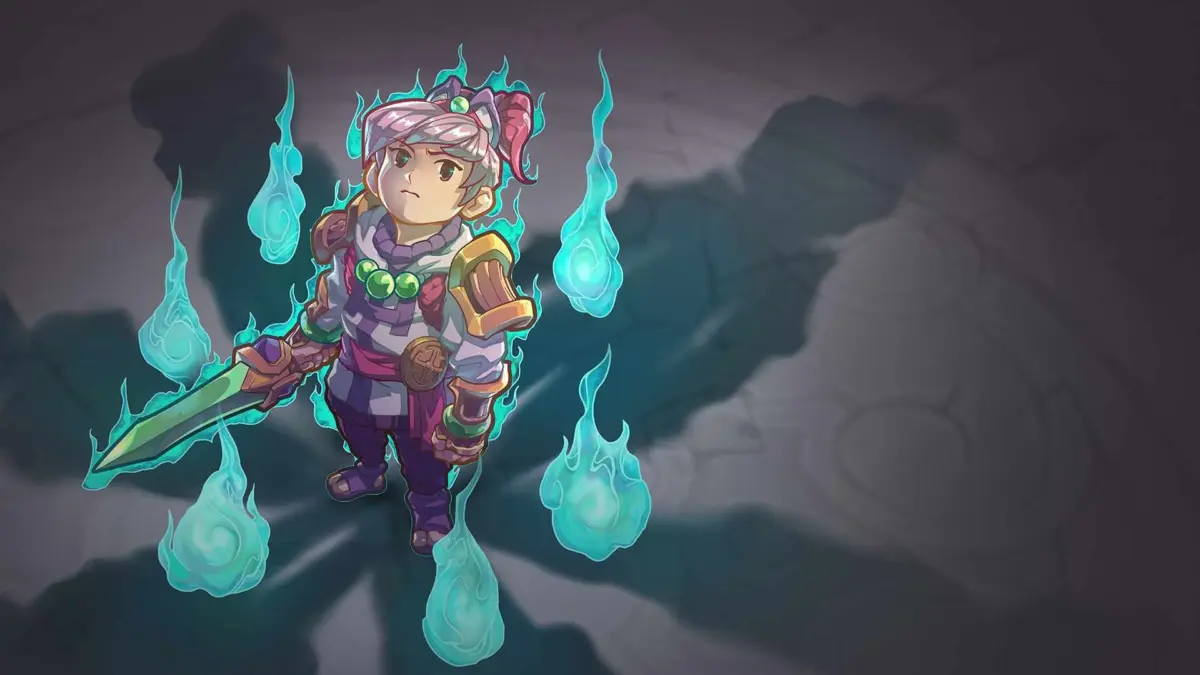
The formation of Team Trifold marks the first major internal expansion for the group. The studio’s debut title, Nothing Lost, is already deep in development, with financial backing provided by Black Salt Games. According to Nadia Thorne, executive producer at Black Salt Games, the ability to fund this new venture is a direct result of the commercial and critical success of Dredge. Furthermore, the team is benefiting from the New Zealand Game Development Sector Rebate, a government-backed incentive that has become a vital pillar for local industry growth. Recent data indicates that the sector has experienced significant momentum, with supported studios seeing a combined revenue growth of 17%, reaching an impressive $829 million over the summer. For a startup like Team Trifold, this regulatory support provides the long-term stability required to refine their mechanics and ensure their debut title meets a high standard of quality.
Sustainability serves as the bedrock of the strategy employed by Saltworks Entertainment. Thorne emphasizes that the company is building a "multi-studio strategy" that prioritizes long-term viability over rapid, reckless expansion. In an industry often plagued by the pressures of hardware-heavy development and scaling costs, Saltworks is advocating for a more measured approach. The goal is to prove that small, agile teams can produce highly ambitious indie titles that do not require the latest, most expensive hardware to run effectively. By sharing infrastructure and administrative support, these studios can remain lean, avoiding the common pitfalls of overgrowth. This model is intended to provide a buffer against market volatility, ensuring that each studio remains resilient regardless of the economic climate of the next five years.
At the heart of Team Trifold are three industry veterans: Jed Uy, who oversees art and writing; Wilson Teo, responsible for production and QA; and Carl Johnson, who handles programming. Together, they bring a wealth of experience from previous roles that spanned both original creative work and contract-based projects. For Uy, the transition to this new studio is anchored by the lessons learned during those formative years in the industry. He notes that while specific technical details or individual creative elements are subject to frequent iteration, the core commitment to a singular vision is non-negotiable.
"Each of us have long careers in the game industry, but the enduring lesson that we all carry forward to this day is the importance of iteration and playtesting, as well as the value of being sensitive to the end-user’s needs," Uy explains. He stresses that for a studio to be successful, it must establish firm design pillars. These pillars act as a benchmark against which every creative and technical decision is tested. By challenging their own ideas through this rigorous lens, the team ensures that the final product remains cohesive even as it evolves during the development process.
Wilson Teo echoes this sentiment, highlighting that the internal culture at Team Trifold is heavily influenced by the discipline of constant validation. "One of the biggest lessons that stood out the most for me is validating the core gameplay loop through rigorous playtesting feedback and internal discussions," Teo says. He argues that staying true to the established design pillars is the only way to navigate the complexities of modern game development, particularly when attempting to innovate within a saturated genre.
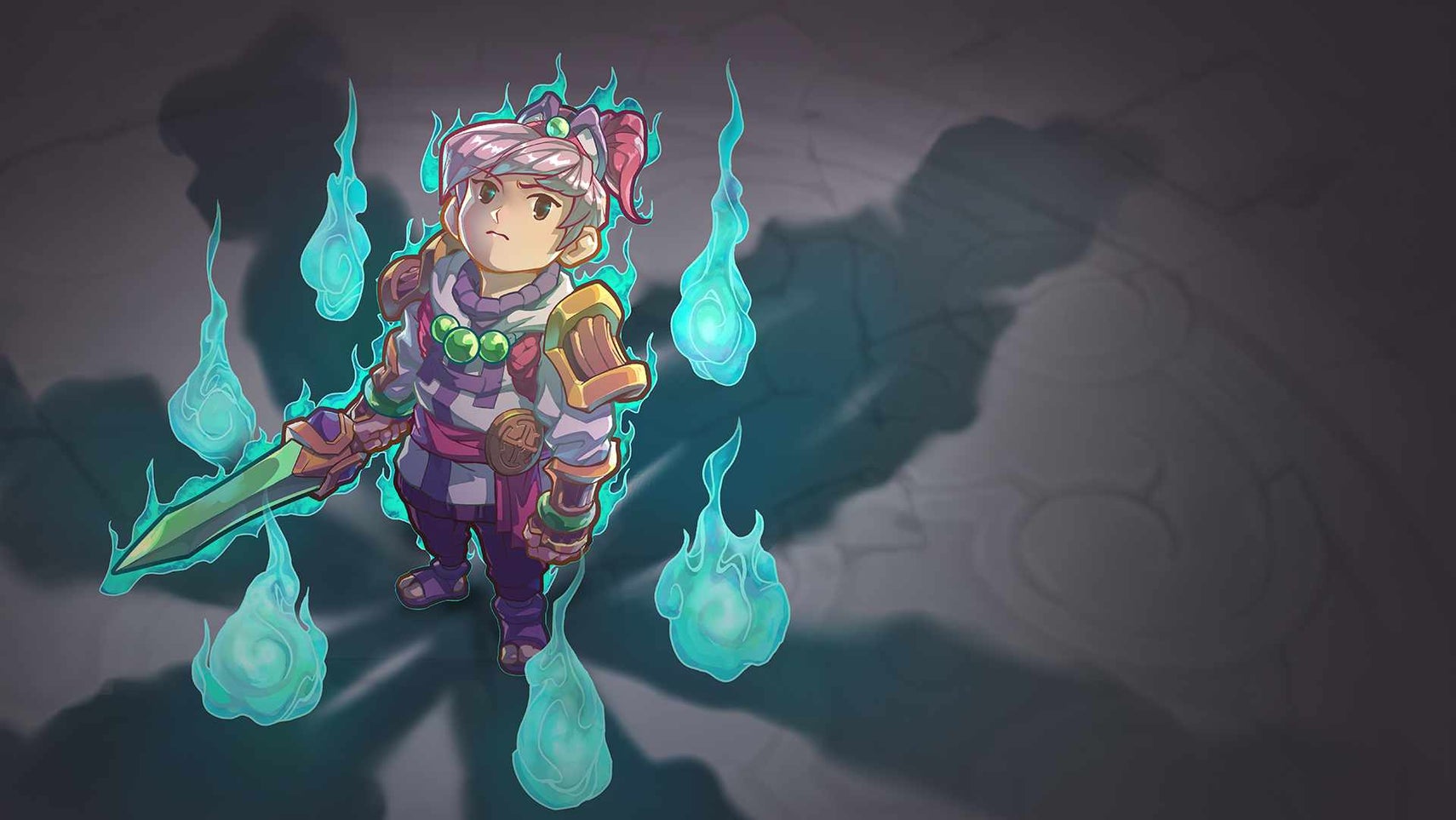
The studio’s first project, Nothing Lost, is designed to challenge the established conventions of the roguelike genre. Roguelikes have historically been defined by their punishing loops, where failure often results in the loss of progress, forcing players to restart their journey from the beginning. Team Trifold aims to "turn this loop on its head" by rethinking the role of player death. Rather than viewing death solely as a penalty, the team is implementing a "multiplicative death-based crafting system." This system is designed to provide tangible rewards for the very moments that players typically find most frustrating in the genre. By turning the act of dying into a core progression mechanic, the team hopes to change the psychological relationship between the player and their failures.
The inspiration for this unique approach stems from diverse sources, including the 2001 anime Shaman King. Uy points to the way the series handled themes of life, death, and the supernatural as a primary influence. The concept of death as a gateway to new powers rather than a definitive end resonated deeply with the team. When combined with the varied cultural mythologies brought to the table by the team members, this vision for Nothing Lost evolved into what the developers describe as a "sensational and wholesome premise."
However, the team is well aware of the hurdles they face in bringing such a concept to market. The roguelike genre is notoriously crowded, with players often having high expectations for how systems should function. Teo acknowledges this challenge, noting that clear communication is essential to ensure players understand the design intent. "Players resist losing," he observes. "So we need to clearly explain our design intent that dying is part of the game." By reinforcing their design pillars throughout the gameplay experience, the team believes they can guide players through this unconventional loop, eventually transforming the frustration of failure into a compelling reason to keep playing.
As Team Trifold prepares to bring Nothing Lost to the public, the studio serves as a case study for the broader mission of Saltworks Entertainment. By fostering a collaborative environment, leveraging regional support, and maintaining a laser-like focus on design pillars, the Christchurch-based group is positioning itself to be a significant player in the indie space. The combination of the proven success of Black Salt Games and the fresh, innovative perspective of the Team Trifold crew suggests a promising future for the collective as they continue to refine their approach to sustainable and creative game development.