
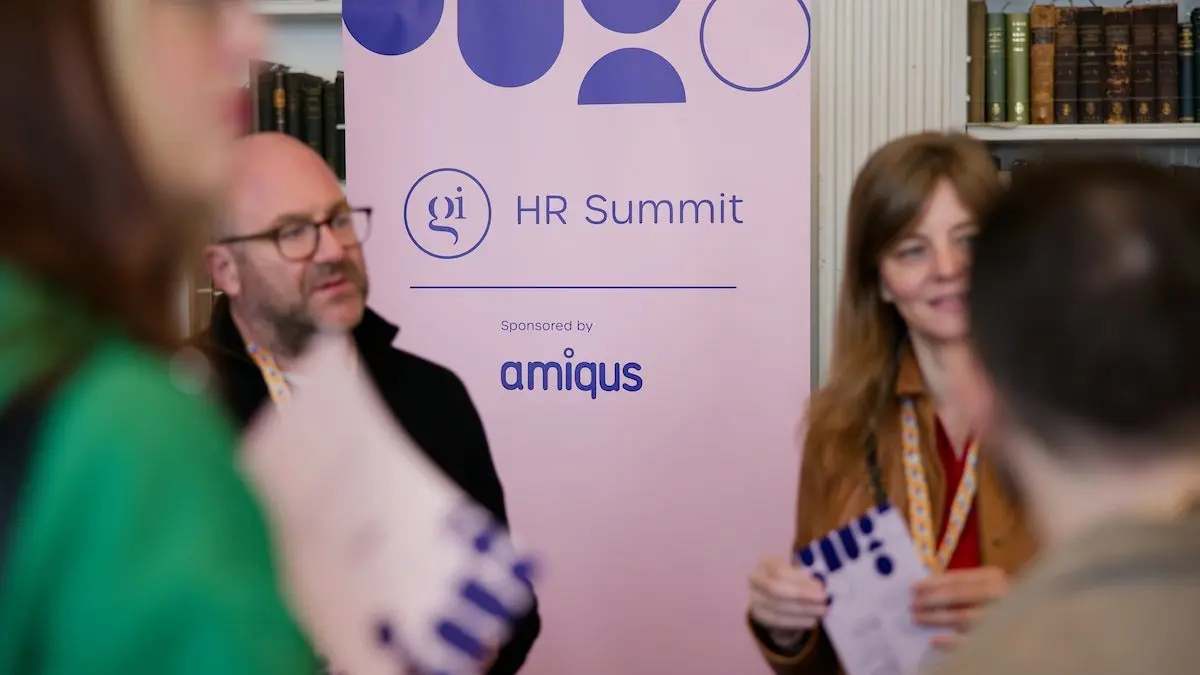
The professional landscape of the video game industry is undergoing a period of profound transformation. As studios grapple with the dual challenges of rapid technological evolution and shifting employee expectations, the need for robust, forward-thinking human resources strategies has never been more critical. To address these systemic shifts, the GamesIndustry.biz HR Summit is returning next month, hosted at the prestigious Royal Institution in London. Sponsored by industry recruitment specialists Amiqus, this year’s event promises to be a focal point for people professionals seeking to navigate the complexities of modern studio management.
The organizers have officially confirmed the first round of facilitated discussion sessions for the summit, marking a significant step forward in the event’s mission to move beyond theoretical discourse. By integrating direct, practical guidance from subject matter experts and seasoned facilitators, the summit aims to provide attendees with actionable frameworks they can implement immediately within their own organizations.
The shift in focus for this year’s summit toward "People and Workplaces" represents a strategic pivot for the event. The industry is currently contending with a volatile economic climate, the integration of generative AI into creative workflows, and a widespread mandate to improve diversity, equity, and inclusion across all levels of studio operations. The summit is designed to serve as a crucible for these issues, bringing together leaders who are responsible for shaping the environments in which the next generation of blockbuster games will be created.
A Curated Approach to Studio Challenges
At the heart of the 2025 HR Summit is an advisory board composed of veteran industry experts. Their involvement has been instrumental in shaping the agenda, ensuring that the topics selected reflect the most pressing concerns currently circulating in studio boardrooms and HR departments. Rather than opting for a traditional lecture-style format, the organizers have prioritized interactive sessions. This choice is deliberate; it reflects the understanding that in a complex field like game development, there are rarely one-size-fits-all solutions.
Each session is engineered to be collaborative. By pairing a subject matter expert—someone with deep, nuanced knowledge of a specific HR domain—with a dedicated facilitator, the summit ensures that conversations remain focused, productive, and grounded in reality. The goal is to move the industry’s collective understanding forward, transforming vague notions of "better workplace culture" into concrete policies, recruitment strategies, and employee retention programs that can withstand the pressures of a demanding, high-stakes industry.
This year’s summit is designed as a cohesive, full-day narrative. The event will begin with foundational perspectives from two of the industry’s most respected voices. Sasi Venables of the HR Confidence Club and long-time industry people expert Niki Head are set to deliver the opening keynote sessions. Their contributions are expected to set the tone for the day, providing a comprehensive overview of the current state of the industry’s workforce and identifying the primary bottlenecks that inhibit sustainable growth and employee satisfaction.
Addressing the Human Element in Game Development
The morning sessions will serve as the primary workshop period for the summit. While the specific titles and participants for these sessions have been carefully selected by the advisory board, the overarching theme remains consistent: the necessity of building workplaces that are resilient in the face of change.
As the industry continues to mature, the traditional "crunch" culture that once defined the development process is being increasingly challenged by a new generation of talent that prioritizes work-life balance, mental health, and professional development. Studios that fail to adapt to these shifts risk losing top-tier talent to competitors or to industries outside of gaming that offer more stable career trajectories. The HR Summit aims to provide the tools necessary for studio leaders to bridge this gap, fostering environments where creativity can thrive without requiring the burnout that has historically plagued the sector.
The focus on "People and Workplaces" is not merely about internal policy; it is about the long-term viability of the gaming business model. A studio’s success is intrinsically tied to its ability to attract, motivate, and retain the people who write the code, design the levels, and compose the music. As such, the sessions at the Royal Institution are expected to touch upon critical issues including the future of remote and hybrid working models, the ethical implications of AI-assisted development, and the importance of transparent communication during periods of studio restructuring or downsizing.
Looking Toward the Afternoon
Following the morning workshops, the summit will transition into a series of afternoon sessions focused on the strategic application of people-management theories. This portion of the event is intended to be highly practical, drawing on the lived experiences of those currently working in the trenches of the UK games industry.
The organizers have confirmed that these afternoon sessions will feature first-hand insights from a selection of studio leaders and senior human resources executives from some of the most prominent studios in the United Kingdom. By sharing their triumphs and their failures, these leaders aim to provide a roadmap for others facing similar structural challenges. These specific sessions are scheduled to be announced in full next week, generating significant anticipation among those who have already secured their attendance.
The emphasis on "first-hand insights" is a hallmark of the GamesIndustry.biz approach. In an industry that often relies on proprietary processes and internal workflows, the opportunity for HR professionals to exchange notes in a secure, peer-led environment is invaluable. It encourages a culture of shared learning that, in the long run, benefits the entire ecosystem of UK game development.
Networking and Professional Recognition
Beyond the workshops and expert-led discussions, the summit provides a rare opportunity for networking. The event brings together a diverse group of stakeholders, from talent acquisition specialists and HR directors to studio heads and independent developers. The informal exchanges that occur during lunch—which is included in the ticket price—are often cited as one of the most beneficial aspects of the summit. These interactions allow for the cross-pollination of ideas, as attendees share how their respective studios are handling the common pressures of the 2025 landscape.
A highlight of the day’s proceedings will be the inclusion of the Best Places To Work Awards UK. This segment of the summit serves as both a celebration and a benchmark. By highlighting the studios that have successfully implemented exemplary people strategies, the awards provide a clear vision of what excellence looks like in the modern workplace. It recognizes that while the challenges are great, there are studios already making significant strides in creating environments that are both productive and humane.
For those planning to attend, the event represents a significant investment in the future of their respective studios. The combination of high-level strategic insight from keynote speakers and the granular, practical focus of the breakout sessions offers a balanced approach to professional development. As the industry looks toward the remainder of 2025 and beyond, the insights gathered at the Royal Institution will likely inform the policies and cultural initiatives of many of the UK’s most influential gaming companies.
Tickets for the HR summit are currently available for purchase through the event’s official registration portal. With the industry’s focus increasingly turning toward the sustainability of its workforce, demand for the event is expected to be high. By attending, HR professionals and studio leaders are not just participating in a one-day conference; they are becoming part of a concerted effort to define what the "next generation" of games workplaces will look like, ensuring that the industry can continue to deliver world-class experiences while supporting the people who make them possible.