
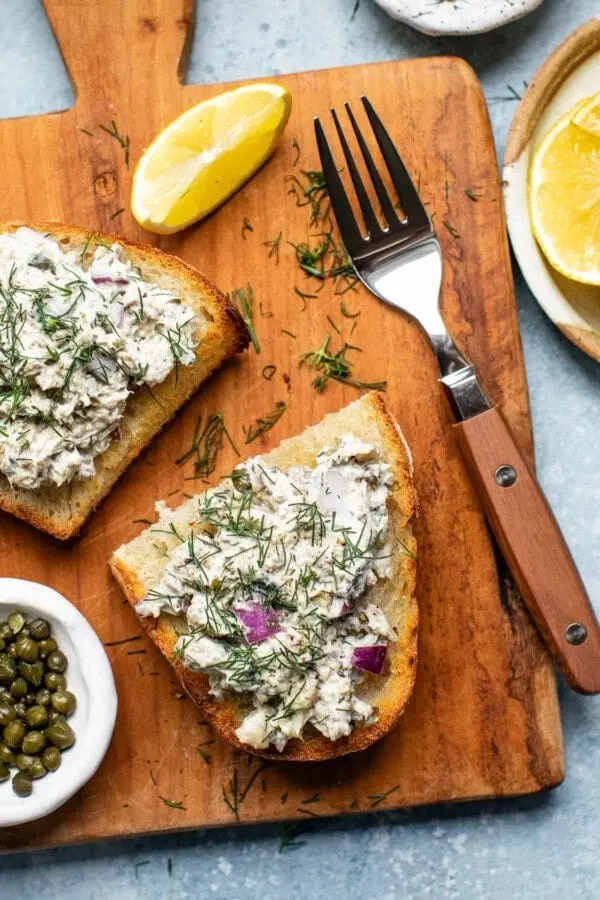
In the evolving landscape of home cooking and health-conscious meal preparation, a humble pantry staple is seeing a resurgence in popularity. The sardine, long overlooked in favor of its larger counterparts like tuna or salmon, is currently being rebranded by culinary enthusiasts as a powerhouse of nutrition and convenience. A new recipe for Sardine Salad has emerged as a standout, offering a bright, briny, and fresh alternative for those looking to upgrade their midday meal with a dish that is as simple to prepare as it is nutritionally robust.
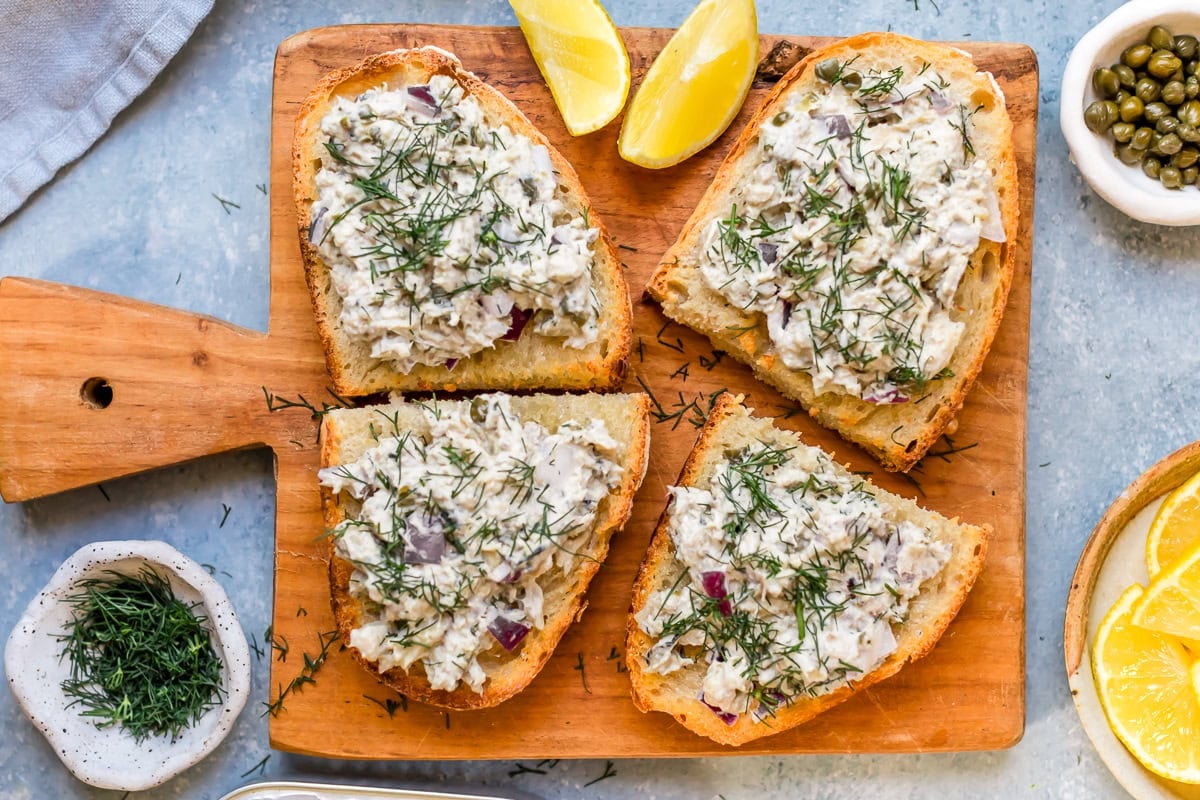
For many home cooks, the challenge of finding a high-protein, no-cook lunch that avoids the monotony of standard sandwich fillings is a constant struggle. The traditional tuna salad has long held the throne as the go-to option for quick, healthy meals, but the Sardine Salad offers a sophisticated twist that brings a Mediterranean flair to the kitchen table. With a profile defined by lemon, capers, and fresh dill, this dish serves as a compelling entry point for those who are curious about incorporating more omega-3 fatty acids into their diet but may be hesitant about the intense flavor profile often associated with whole, canned sardines.
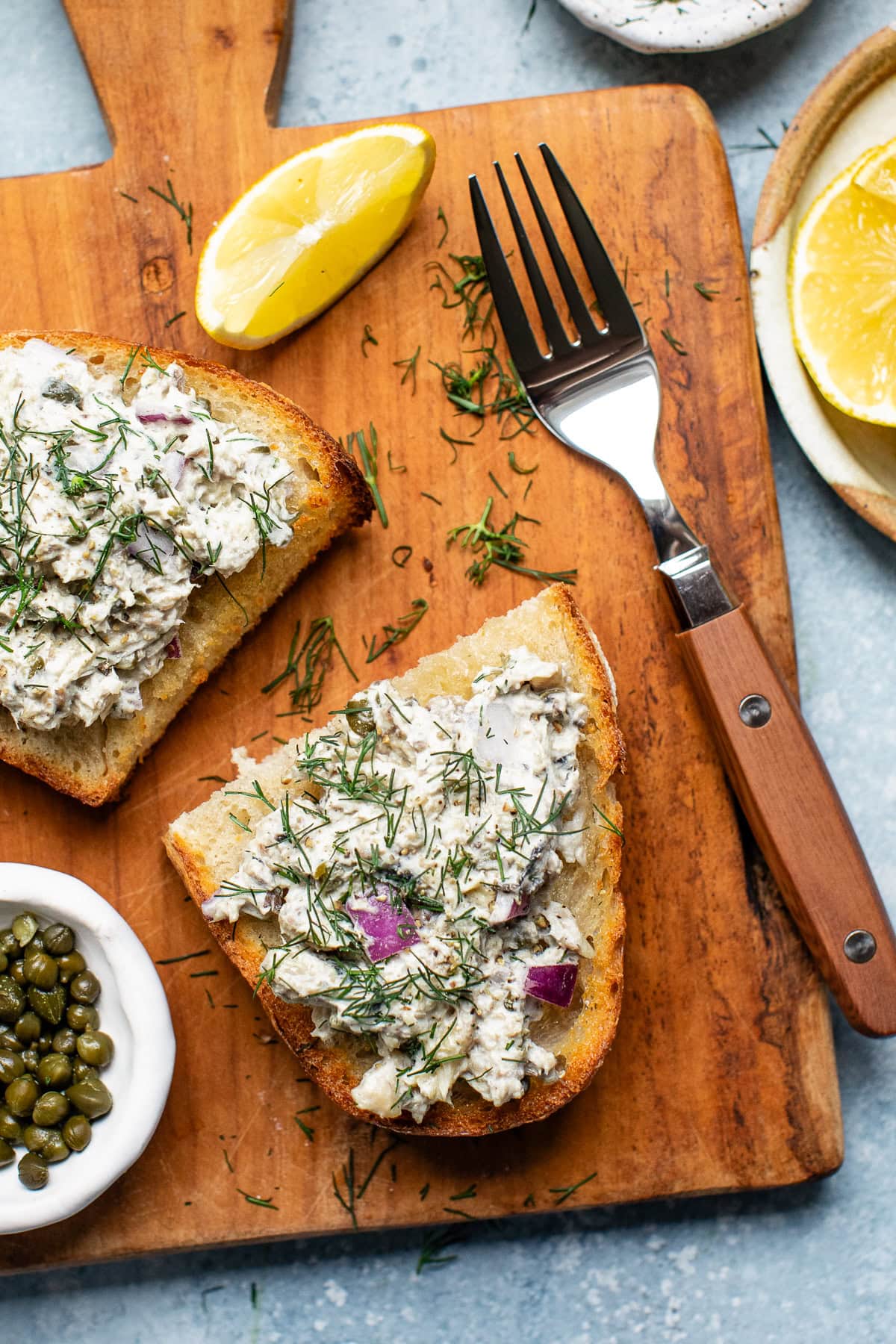
The appeal of this recipe lies not only in its flavor but in its nutritional density. Canned sardines are widely recognized by nutritionists for being an exceptional source of protein, omega-3 fatty acids, vitamin B12, and vitamin D. For individuals seeking to boost their intake of these vital nutrients without the complexity of elaborate meal preparation, the transition to canned fish is a logical and efficient step. By utilizing boneless varieties or simply removing the small, delicate bones, cooks can create a creamy, textured salad that bridges the gap between health food and comfort food.

The inspiration for this specific culinary approach often stems from international travel. For many who have explored the coastal regions of Portugal, the sardine is not merely a canned commodity but a cultural cornerstone. In Portugal, these small fish are prepared with an ingenuity that transforms them into a delicacy, often served with simple, high-quality ingredients that highlight their natural, rich flavor. Bringing that inspiration back to the home kitchen has become a recurring theme for those who have experienced the versatility of the fish abroad. The process of integrating these memories into a daily routine—making the salad a few times a month—serves as a reminder that healthy eating does not have to be a chore or a compromise on flavor.

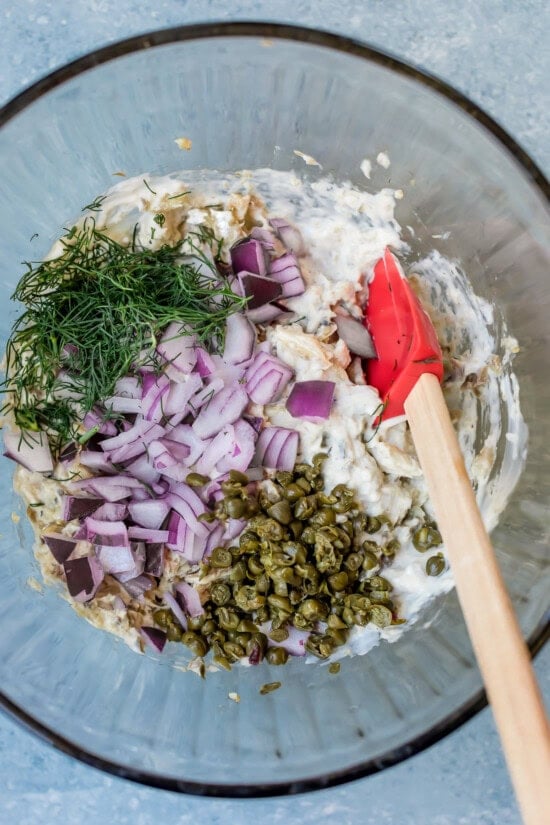
The preparation of the salad is inherently minimalist. The primary work involves the aromatic elements: finely chopping fresh dill and red onion, which provide the necessary bite and herbaceous lift to cut through the richness of the fish. When combined with a touch of mayonnaise, the ingredients harmonize into a spread that is perfect for layering on whole-grain toast or pairing with crisp, sturdy crackers. This approach follows the philosophy of "no-cook" lunches, prioritizing speed and efficiency without sacrificing the quality of the ingredients.
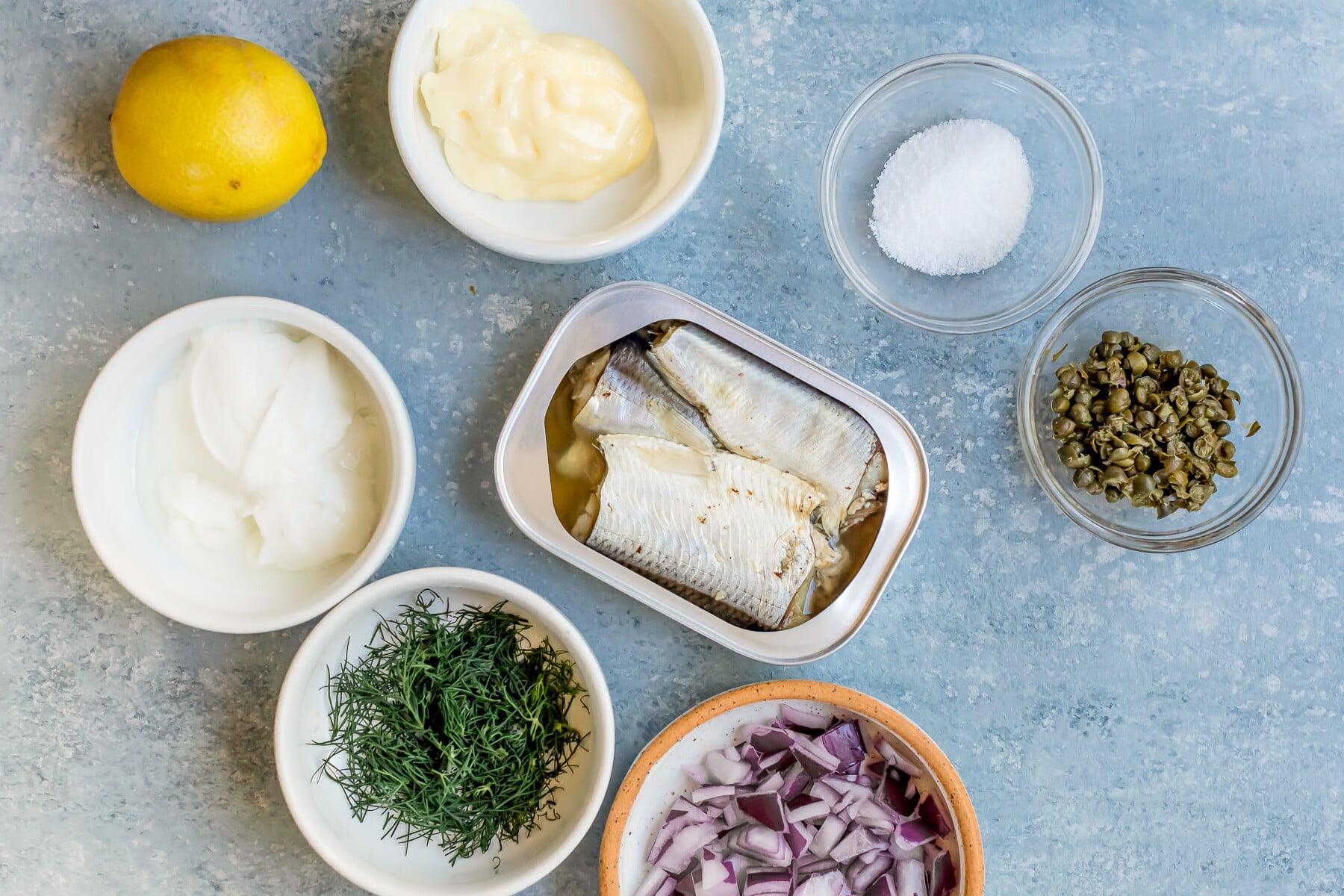
Choosing the right type of sardine is perhaps the most important decision in the process. While there is a vast array of canned options—ranging from those packed in oil or water to those soaked in tomato sauce—the preferred choice for this salad is generally water-packed, no-salt-added sardines. This base allows for greater control over the final seasoning of the dish. For those who prioritize texture, opting for boneless fillets can significantly streamline the prep time. However, even when standard sardines are used, the bones are typically small and soft enough that they are barely detectable once the fish is mashed and folded into the other components.
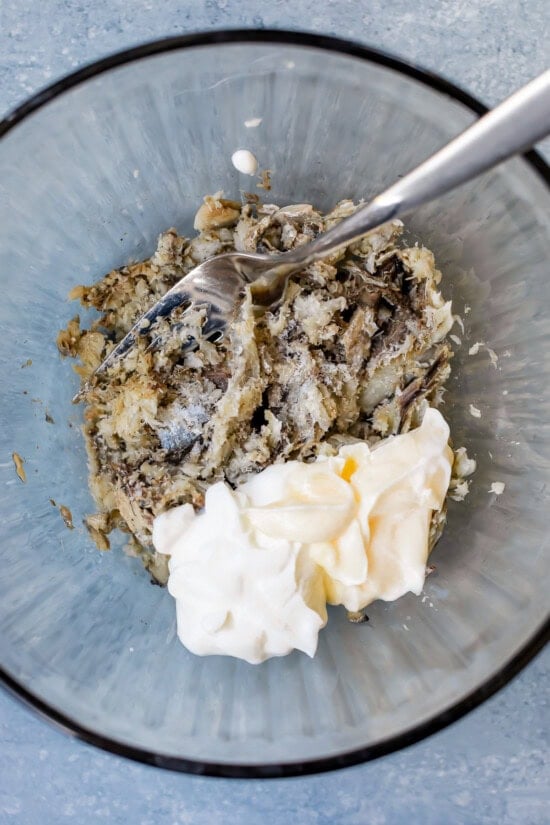
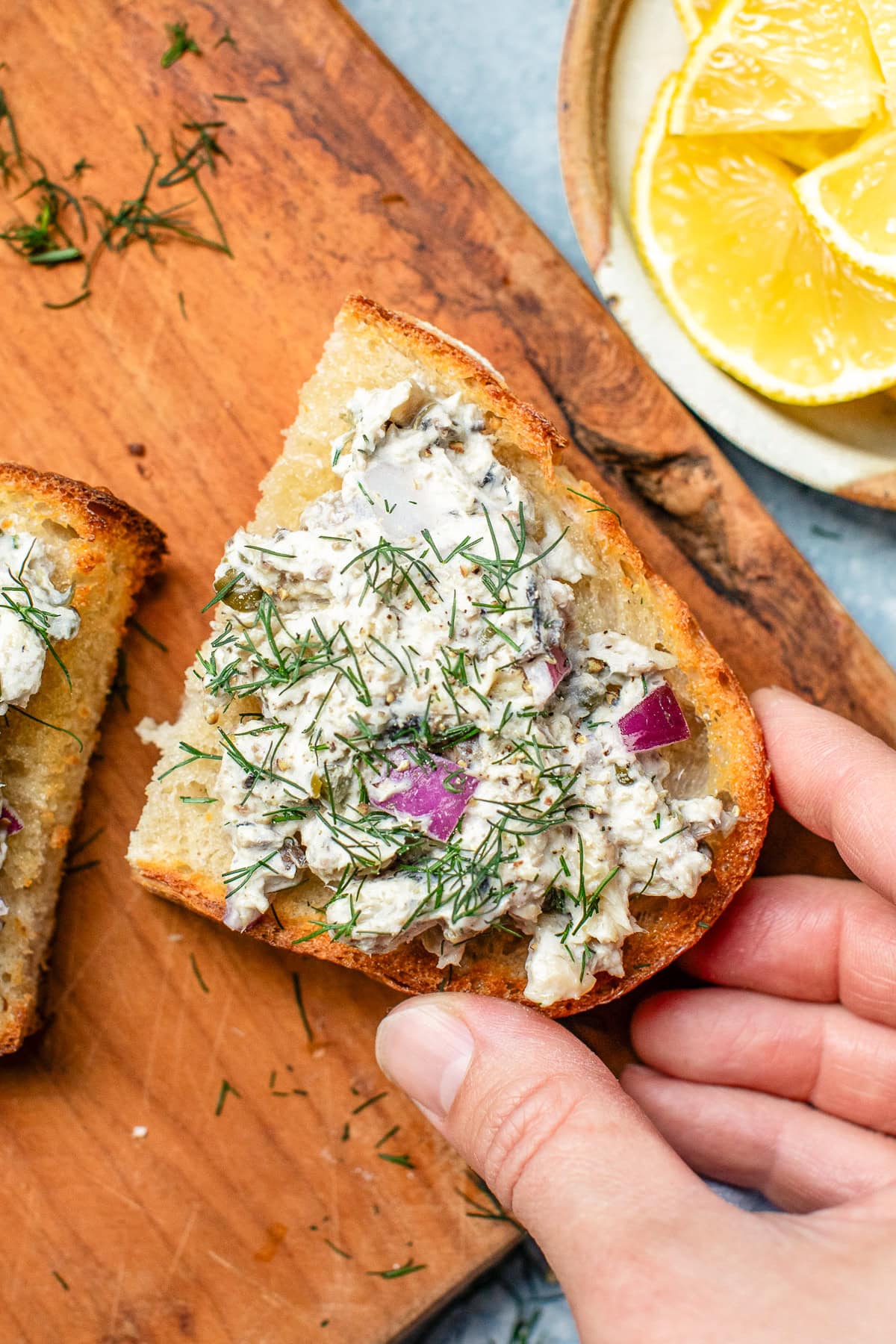
When it comes to serving, the versatility of the Sardine Salad is comparable to that of traditional tuna or chicken salad. It can be served as a sophisticated open-faced sandwich, a dip for raw vegetable sticks, or even as a topping for a bed of fresh greens. The inclusion of capers provides a burst of acidity that balances the mild, oily richness of the fish, while the mayonnaise binds the ingredients together, ensuring a creamy mouthfeel that is satisfying without being overly heavy.
Storage and longevity are critical factors for any meal-prep enthusiast. One of the primary advantages of this recipe is its stability in the refrigerator. When stored in an airtight container, the salad can last for up to four days, making it an ideal candidate for early-week meal planning. This endurance makes it a practical solution for busy professionals or students who need a reliable, nutrient-dense lunch ready to go during a hectic work or school week.
Addressing common inquiries regarding the dish, such as the use of mayonnaise, reveals the flexibility of the recipe. While a small amount of mayonnaise is suggested to provide the necessary structure and flavor profile, it can easily be swapped for Greek yogurt for those looking to increase their protein intake further or reduce the fat content. The result is a slightly tangier version that maintains the essential, bright characteristics of the original.
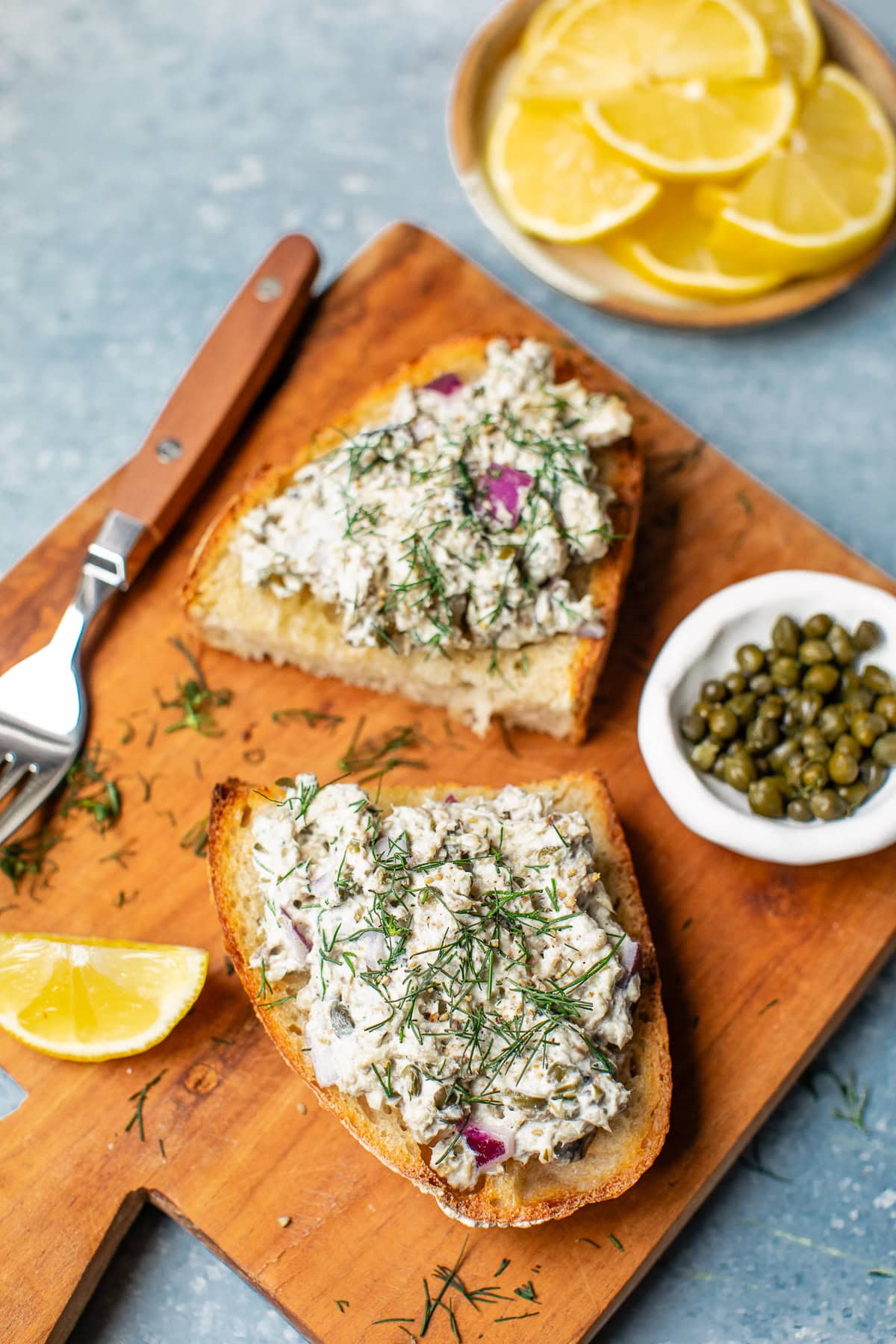
As the trend of using canned, sustainable fish continues to grow, it is clear that the Sardine Salad is more than just a fleeting fad. It represents a broader movement toward utilizing pantry staples in ways that are both environmentally conscious and nutritionally superior. By elevating the sardine from the back of the cupboard to the center of the plate, home cooks are discovering that some of the best meals are the ones that require the least amount of fuss, relying instead on the inherent quality of the ingredients and a few well-chosen aromatics. Whether one is a seasoned chef or a beginner in the kitchen, the simplicity of this dish serves as a testament to the idea that healthy eating is most sustainable when it is uncomplicated, accessible, and undeniably delicious.